Key Takeaways
-
Recertification is a local program, not a national rule, so deadlines, forms, and exemptions depend on your specific county or city and should be confirmed with your building department.
-
After receiving an official notice, you generally have 90 days to submit the report or form in both Miami-Dade and Broward, so start planning immediately.
-
The report must be prepared by a Florida-registered architect or engineer; a general handyman or basic home inspector cannot sign off on it.
-
The inspection focuses on structural elements like foundations, load-bearing walls, roofs, and electrical service, panels, wiring, and emergency lighting.
-
Single-family homes, duplexes, and small low-occupancy buildings (10 or fewer occupants and 2,000 sq ft or less) are exempt in Miami-Dade, so check your eligibility first.
-
After the first recertification, buildings generally must be re-inspected every 10 years, so treat it as ongoing long-term maintenance planning.
If you own or manage an older building in South Florida, a county notice about 40-year recertification can feel like a surprise party nobody wanted. The good news? It does not have to be stressful. With a little knowledge and the right team, you can handle it with confidence.
Whether you sit on a condo board, manage an HOA, own an apartment building, or hold commercial or investment property, this guide is for you. We will walk through 13 simple, practical things to know in 2026, from who is covered to what happens after the inspection. Think of it as a friendly chat over coffee with someone who has seen this process many times.
One quick note before we start. Rules differ by city and county, so always confirm the details with your local building department. Let’s dive in!
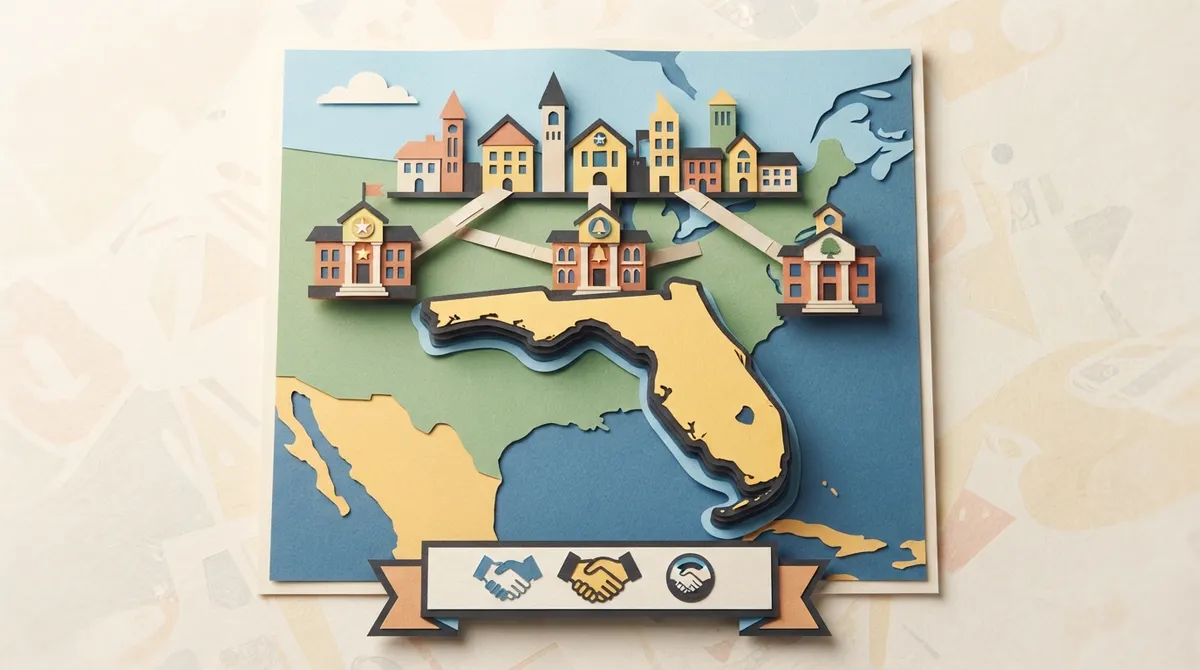
1. It Is a Local Program, Not a National Rule
The 40-year recertification is a local building-safety program used in parts of Florida, notably Miami-Dade and Broward Counties. It is not a single nationwide requirement. Deadlines, forms, and exemptions depend on where your building sits.
That is why a neighbor’s advice may not fit your property. Always check the rules from your own jurisdiction first. For a closer look at the Broward side, see 40 Year Recertification Broward: What Owners Must Know.

2. Both Counties Use the 90-Day Clock
Once you receive an official notice, the clock starts ticking. In Miami-Dade, the written report is due within 90 days of the notice. In Broward, the county certification form is also due within 90 days of the notice.
Ninety days sounds like plenty. It goes fast, though, especially if repairs are needed. Starting early is the single best habit an owner can build.
3. Repeat Inspections Come Every 10 Years
Passing once is not the finish line. After the first recertification, covered buildings are generally inspected again at 10-year intervals. Miami-Dade code materials and Broward program materials both describe this pattern.
Many owners find it helpful to treat recertification as part of long-term planning. A building that stays on top of maintenance usually finds each round easier than the last. You can learn more about timing in Building Inspection Schedule: Recertification Deadlines 2026.
4. Only a Florida-Registered Professional Can Sign Off
The report must come from a Florida-registered architect or engineer. In Miami-Dade, report pages must be signed and sealed. A general handyman or a basic home inspector cannot fill this role.
Choosing the right professional matters. Read How to Choose a Certified Building Inspector in Florida for helpful tips. Our own O’Reilly Consultants team is led by qualifying architect Sherard O’Reilly, and it is built specifically around recertification work in Broward and Miami-Dade.
5. The Inspection Focuses on Structure and Electrical Safety
The inspection is not a quick glance at paint or curb appeal. Local programs focus on structural and electrical conditions that affect safety and continued occupancy. The professional looks at how the building is holding up and whether it remains safe to use.
Here is what the review commonly covers:
- Foundations, load-bearing walls, floors, and roofs
- Visible cracking, spalling, or corrosion
- Electrical service, panels, wiring, and grounding
- Emergency lighting and exit illumination, where applicable
To dig deeper, explore What Do Structural Inspections Involve for Recertification? and 14 Electrical Inspections Facts for Recertification (2026).
6. Some Buildings Are Exempt
Not every property needs to go through this. In Miami-Dade, the notice exempts single-family homes, duplexes, and buildings with both an occupant load of 10 or fewer and an area of 2,000 square feet or less. Other exemptions may apply under the governing code.
If you are not sure whether your building is covered, call your building department and ask. It is a quick call that can save you a lot of worry.
7. Here Is a Quick Comparison of the Two Counties
Many owners ask how Miami-Dade and Broward differ. This table gives a simple snapshot based on current program materials. Always confirm the latest details locally.
| Item | Miami-Dade County | Broward County |
|---|---|---|
| Program focus | Structural and electrical safety | Structural and electrical safety |
| Who prepares it | Florida-registered engineer or architect | Florida-registered architect or engineer |
| Due after notice | Within 90 days | Within 90 days |
| Repeat cycle | Generally every 10 years | Generally every 10 years |
| Notable exemptions | Single-family, duplexes, small low-occupancy buildings | Varies by local program |
For more on Miami-Dade, see How to Handle 40 Year Recertification Miami-Dade Rules. You can also visit the Miami-Dade County Recertification page for the official program details.
8. Milestone Inspections May Overlap With It
Florida’s milestone-inspection law and local recertification programs overlap in some places. Miami-Dade code materials state that for buildings subject to a Florida milestone inspection, recertification can serve as compliance when it is performed at the applicable building-age milestone.
That sounds confusing, so here is the friendly version: you may not need to do two separate inspections for the same milestone, but you must verify this with your authority having jurisdiction. Our guide SIRS vs. Milestone Inspection: Which Does Your Condo Need? can help you sort it out.
9. Follow These Steps When the Notice Arrives
A calm plan beats a panic. When your notice lands, here is a simple order of operations:
- Read the notice carefully and note the exact due date.
- Confirm your building is covered and not exempt.
- Hire a qualified Florida-registered architect or engineer.
- Gather plans, past reports, permits, and maintenance records.
- Schedule access to all areas, including roofs, electrical rooms, and common spaces.
- Review the findings and plan any needed repairs.
- Submit the signed and sealed report to the building department.
Want a deeper walk-through? Check 8 Key Steps in the Building Recertification Process (2026).
10. Repairs May Be Needed Before You Certify
Sometimes the professional finds issues. That is normal, and it is actually the whole point of the program. The inspector may recommend repairs or further evaluation before the building can be certified as safe for continued occupancy.
Common findings that may need attention include:
- Concrete cracking or deterioration
- Outdated or overloaded electrical panels
- Faulty grounding or exposed wiring
- Failing emergency lighting
The key is to coordinate repairs and follow-up submissions with your local building official. Learn about common slip-ups in 15 Condo 40-Year Inspection Mistakes That Cost You.
11. Costs Vary, So Plan Ahead
Fees depend on building size, age, condition, and your city’s administrative charges. For example, one Lauderhill municipal program document lists administrative fees of $350 for the first building, with lower per-building fees when multiple buildings are submitted together. These numbers are jurisdiction-specific, so check your current local fee schedule.
The inspection itself is only one piece. Repairs often make up the larger share of the budget. Our article 3 Costs Behind Your 40 Year Recertification (2026) breaks it down in plain language.
12. Modern Tools Make the Process Faster and Clearer
This is where a smart partner makes life easier. Technology like drones and 3D laser scanning lets inspectors safely view tall facades, rooftops, and hard-to-reach spots without scaffolding or lengthy shutdowns. It also produces accurate records you can reuse for future cycles.
O’Reilly Consultants uses these tools to deliver thorough evaluations, quick and accurate estimates, and detailed reports with clear, actionable recommendations. The firm’s small, specialized team brings together architecture, civil engineering and construction management, and environmental due diligence experience. That makes it a trusted choice for owners across Broward and Miami-Dade who want a smooth, low-stress experience. You can also see what clients say when you visit O’Reilly Consultants on Google.
13. Each Owner Type Has Different Priorities
Every kind of owner approaches recertification a little differently. Here is how to think about it based on who you are:
| Owner Type | Top Concern | Helpful Tip |
|---|---|---|
| Condo boards | Resident safety and avoiding fines | Budget early and communicate with residents |
| Commercial owners | Tenant disruption and downtime | Schedule access around business hours |
| HOA managers | Tight 90-day deadlines | Start gathering records on day one |
| Apartment owners | Aging systems across many units | Request a full condition review upfront |
| Investment firms | Insurance, sales, and refinancing | Keep reports current to protect value |
If you manage a large complex, you may find 7 Things to Know About Commercial Building Certification especially useful. Boards weighing related studies can also read What Is Building Recertification and Why Does It Matter? for the bigger picture.
Where to Look Up Your Building’s Status
Wondering whether your building already has an open case? Miami-Dade offers a public lookup tool. You can search Miami-Dade building recertification cases to check on a property’s status. It is a handy way to confirm details before you reach out to a professional.
Finally, if you are building out an owner-facing website or resource page, a solid online presence helps residents find answers fast. Partners like Brain Buzz Marketing can help property-focused businesses get their message out clearly.
Final Thoughts: You Have Got This
A 40-year recertification is really just a health checkup for your building. It protects residents, supports property value, and keeps you on the right side of the county. With early planning, the right team, and a clear understanding of the steps, it becomes a manageable project rather than a scary one.
O’Reilly Consultants offers 10-, 25-, and 40-year building recertification inspections across Broward and Miami-Dade Counties, plus related services like electrical and illumination safety inspections, SIRS, PCA, and HOA reserve studies. The team guides you from the first county notice through hiring, inspection, repairs, and final submission so deadlines never sneak up on you.
Ready to take the stress out of your notice? Request a free quote today, or call us at (512) 567-1191 to talk through your timeline. We would love to help your building stay safe, compliant, and ready for the next 10 years.
FAQs
Q: What is a 40-year building recertification?
A: It is a local building-safety program in places like Miami-Dade and Broward Counties. A Florida-registered architect or engineer checks the structural and electrical condition of a covered building to confirm it is safe for continued occupancy. After the first one, inspections generally repeat every 10 years.
Q: How long do I have to submit my recertification report?
A: After you receive an official notice, you generally have 90 days to submit the required report or form in both Miami-Dade and Broward. Starting early gives you time for any repairs that might be needed. Always double-check the exact due date on your notice.
Q: Which buildings are exempt from 40-year recertification?
A: In Miami-Dade, single-family homes, duplexes, and buildings with an occupant load of 10 or fewer and 2,000 square feet or less are exempt. Other exemptions may apply depending on your local code. A quick call to your building department will confirm where your property stands.
Q: What happens if my building does not pass the inspection?
A: Don’t worry, it happens and it is fixable. The professional will note the repairs or further evaluation needed, and you coordinate those fixes and follow-up submissions with your local building official. Working with an experienced team helps you meet the mandated timelines.
Q: Does a milestone inspection replace 40-year recertification?
A: In some cases they overlap. Miami-Dade code materials say recertification can serve as compliance with the milestone-inspection requirement when performed at the applicable building-age milestone. Since rules and deadlines can change, confirm current requirements with your local authority.