

Key Takeaways
-
In Florida recertification, a 'certified building inspector' must be a Florida-licensed architect or engineer (or a team led by one); general home inspector certificates usually do not qualify.
-
Florida milestone inspections under Statute §553.899 apply to condo and co-op buildings at least three habitable stories tall, first due at 30 years from certificate of occupancy (or earlier at 25 if local conditions require), then every 10 years.
-
Verify any inspector's Florida license is active and that its discipline (architect, structural or electrical engineer) matches your program, and confirm they can sign and seal the report.
-
Phase One is a visual structural inspection required for all milestone inspections; a detailed Phase Two evaluation is needed only if substantial structural deterioration is found.
-
Condo associations with a milestone inspection due by December 31, 2026 may complete the SIRS at the same time, and a qualifying inspection from the prior five years can substitute for the SIRS visual portion.
-
Book early and get a written scope, timeline, and cost estimate, since local officials granted 1,587 deadline extensions and extensions are not guaranteed.
If you manage or own an older building in South Florida, you have probably searched for a certified building inspector. Maybe a county notice just landed on your desk. Maybe your board meeting is next week and everyone wants answers. First, take a deep breath. You are in the right place, and this is very doable.
Here is the catch most owners miss. In building recertification, a certified building inspector is not one simple, statewide credential. Who can sign your report depends on the program, the building, and the scope of work. Pick the wrong person, and you could lose weeks you do not have.
In this friendly guide, you will learn who actually qualifies, how to check a license, what to ask before you hire, and how to prepare. We will keep it simple and practical, whether you run a condo board, a commercial property, an apartment building, or an investment portfolio in Broward or Miami-Dade.
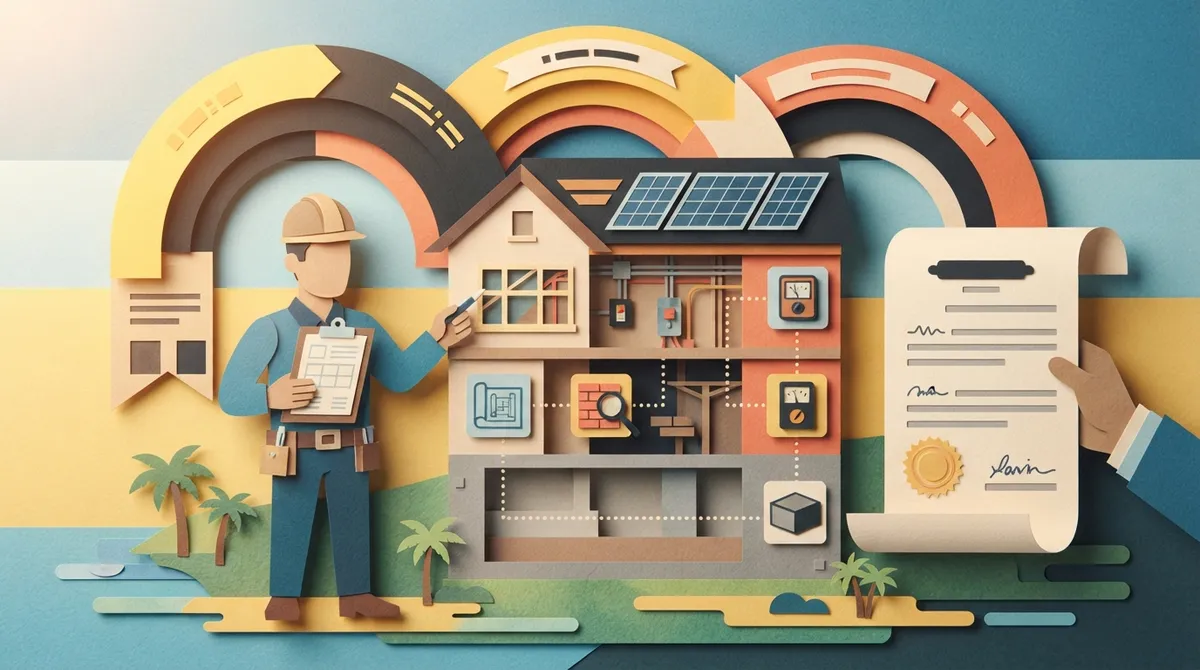
What a Certified Building Inspector Really Means in Recertification
In everyday talk, people say “certified inspector” for anyone who checks buildings. In building recertification, the real answer is stricter. The person must be a properly licensed and qualified design professional who is allowed to assess your building under the program that applies to it.
In Florida, that usually means a Florida-licensed architect or engineer. A generic inspector certificate, like the kind used for home inspections, usually does not meet the requirement. The license, the discipline, and the experience matter far more than the label.
If you want the big picture first, our guide on what building recertification is and why it matters is a great starting point.
Certified vs. Licensed: Why the Difference Matters
A certificate often shows that someone finished a course or passed a test. A license is a legal authority granted by the state. For recertification, the license is what counts, because the professional must sign and seal the report.
Our breakdown of certified vs. general inspectors explains this difference in more detail.

Who Is Qualified to Perform a Florida Milestone Inspection?
Florida milestone inspections fall under Florida Statute §553.899. The law says the inspection must be performed by a Florida-licensed architect or engineer. It can also be done by a qualified professional team led by a registered design professional in responsible charge.
If a team does the work, each member must be qualified for the part they handle. The lead professional takes responsibility for the final report.
Local programs can add their own rules. Some cities describe separate structural and electrical inspections, with specific engineer qualifications for certain reports. Always confirm with the local authority before you hire.
Quick Credential Guide
| Professional | Typical Role in Recertification | Can Sign the Report? |
|---|---|---|
| Florida-licensed architect | Leads structural and building condition reviews | Yes, when qualified for the program |
| Florida-licensed engineer | Structural or electrical assessments | Yes, in their discipline |
| Qualified team under a design professional | Specialized tasks supervised by the lead | Lead professional signs and seals |
| General home inspector | Routine home condition checks | Not for recertification reports |
Which Buildings Need an Inspection, and When?
Florida milestone inspections apply to condominium and cooperative buildings that are at least three habitable stories tall. Under the 2026 statute, the first inspection is due by December 31 of the year the building reaches 30 years from its certificate-of-occupancy date. After that, it repeats every 10 years.
Where local conditions call for it, the first inspection can come earlier, at 25 years. Local recertification programs may have different coverage and timing, so check your jurisdiction’s rules. If you are in Miami-Dade, the Miami-Dade County Recertification page is a helpful official resource.
Not sure which timeline fits your property? These guides can help:
- 6 Facts About Broward Recertification Inspections (2026)
- How to Handle 40 Year Recertification Miami-Dade Rules
- SIRS vs. Milestone Inspection: Which Does Your Condo Need?
How to Choose a Certified Building Inspector: Step by Step
Hiring the right professional does not have to feel scary. Follow these steps and you will cover the important bases.
- Confirm your program first. Find out whether your building falls under the statewide milestone law, a county recertification program, or both. The program decides who is qualified.
- Check the license. Ask for the professional’s Florida license number. Verify it is active, and confirm it matches the needed discipline, such as architect, structural engineer, or electrical engineer.
- Ask about similar buildings. A team that has worked on towers will understand your high-rise better than one that mostly handles small homes.
- Make sure they can sign and seal. The report must be signed and sealed by the responsible design professional. Ask who that person is.
- Review their process and tools. Modern tools like drones and 3D laser scanning can speed up access to hard-to-reach areas. They can also improve accuracy.
- Get a clear scope and timeline in writing. You want to know what is included, when reports are delivered, and how deadlines will be met.
- Ask what happens if repairs are needed. Good professionals explain next steps in plain language, not confusing jargon.
Questions Worth Asking Every Inspector
- Are you a Florida-licensed architect or engineer?
- Who will be in responsible charge of my report?
- Have you completed recertification work in my city or county?
- Will you help me submit documents to the building official?
- What do you need from me to get started?
For a deeper look at this step, read how to choose licensed building inspectors for recertification.
Understanding Phase One and Phase Two
A milestone inspection is a condition assessment of your building’s structural components. It happens in two possible phases, and knowing the difference removes a lot of stress.
Phase One is a visual inspection. The professional looks over the structure and notes what they see. If they find substantial structural deterioration, a more detailed Phase Two inspection is required.
Findings and recommendations go into a signed and sealed report. If problems appear, you may need follow-up evaluation, repairs, and extra reporting to the local building official. Learn more in our guide to structural inspection for building recertification in 2026.
| Feature | Phase One | Phase Two |
|---|---|---|
| Type of review | Visual inspection | Detailed evaluation |
| When required | Always for milestone inspections | Only if substantial deterioration is found |
| Result | Signed and sealed report | Detailed findings and repair recommendations |
Coordinate Your Inspection With Reserve Planning
Condo boards, this one is for you. Florida’s Department of Business and Professional Regulation says associations with a milestone inspection due by December 31, 2026 may complete the structural integrity reserve study (SIRS) at the same time. The SIRS must be finished no later than December 31, 2026.
In some cases, a qualifying inspection completed within the prior five years can substitute for the visual-inspection part of the SIRS. Pairing the two can save time, money, and a few headaches. Our guide on SIRS vs. milestone inspection shows how they fit together.
What Different Owners Should Keep in Mind
Condo Association Boards
Your biggest goals are safety, compliance, and avoiding fines. Start early, keep your records organized, and plan funding for any repairs the report may call for.
Commercial Property Owners
Office towers, plazas, and hotels often need both structural and electrical assessments. Ask how your inspector handles each part. Our overview of what a commercial building inspection really covers can help.
HOA Managers and Apartment Owners
You are juggling many buildings and many residents. A professional who uses drones and 3D scanning can reduce disruption and finish faster. For apartment and multi-family properties, a full condition review also helps prevent safety and legal surprises.
Real Estate Investment Firms
Clean recertification reports protect market value, help with insurance, and keep sales and refinancing on track. Request your reports early so deals do not stall.
How to Prepare Before Your Inspector Arrives
A little prep makes everything smoother. Here is a simple checklist:
- Gather original plans and drawings.
- Collect past inspection reports and repair records.
- Confirm your certificate-of-occupancy date.
- Arrange safe access to roofs, garages, electrical rooms, and mechanical areas.
- Tell residents or tenants about inspection dates.
- Note any known problems, like cracks, leaks, or spalling concrete.
Reports then go to the local building official by the applicable deadline. Many Florida owners also find it useful to check an official case lookup, like the Search Miami-Dade Building Recertification Cases tool, to see their building’s status.
What Does It Cost, and Can Delays Happen?
Cost depends on building size, height, age, systems, and scope. Taller or more complex buildings usually cost more. A clear written estimate after a property review is the best way to avoid surprises.
Delays are common, too. Florida’s OPPAGA reported that local building officials granted 1,587 extensions for initial milestone-inspection deadlines, and 94% of those were in coastal counties and municipalities. Extensions are not guaranteed, so do not count on them. The safest plan is to book early.
Why Owners Choose O’Reilly Consultants
O’Reilly Consultants is a small, highly specialized engineering team focused on building recertification across Broward and Miami-Dade Counties. The team handles 10-, 25-, and 40-year recertification inspections and walks you through every step, from the county notice to the final submission.
Led by owner and qualifying architect Sherard O’Reilly, the team also includes Construction Manager and Engineer Catalina Torres, with 27 years of civil engineering and construction management experience. Project Engineer Rafael Ojeda adds 16+ years in environmental due diligence and more than 1,000 Phase I Environmental Site Assessments.
You get advanced tools like drones and 3D imaging, clear reports, and practical recommendations. Plus, you can pair recertification with electrical and illumination safety inspections, SIRS, PCA, and HOA reserve studies. Want to see what customers say? Visit us on Google — O’Reilly Consultants and read the reviews.
Final Thoughts
Choosing a certified building inspector comes down to a few simple checks: the right license, the right experience, a signed and sealed report, and a clear timeline. Do those four things, and you are well on your way to a smooth recertification.
Ready to take the next step? Request a free quote and let O’Reilly Consultants guide you, or call us at (512) 567-1191 to talk through your deadline. For a bit of marketing help on the side, you can also check out Brain Buzz Marketing.
FAQs
Q: What does a certified building inspector do in building recertification?
A: A certified building inspector, meaning a licensed Florida architect or engineer, checks your building’s structural and, when required, electrical systems. They document what they find in a signed and sealed report. It is how your building shows it is safe and compliant.
Q: Who is qualified to perform a Florida milestone inspection?
A: Under Florida Statute §553.899, a milestone inspection must be done by a Florida-licensed architect or engineer, or a qualified team led by a registered design professional in responsible charge. Always double-check your local program too, since cities can add their own requirements.
Q: What is the difference between a Phase One and Phase Two milestone inspection?
A: Phase One is a visual inspection of the building’s structural components. If the professional finds substantial structural deterioration, a more detailed Phase Two inspection is required. The good news is that many buildings finish after Phase One.
Q: How do I verify a building inspector’s Florida license?
A: Ask for the license number and check that it is active with the state licensing board. Then confirm the discipline fits your needs, such as architect or structural engineer. It only takes a few minutes and can save you big headaches.
Q: Can a milestone inspection be used for a structural integrity reserve study?
A: Yes, in many cases. Florida DBPR says associations with an inspection due by December 31, 2026 can complete the SIRS at the same time. A qualifying inspection from the prior five years may also substitute for the visual-inspection portion of the SIRS.