
Key Takeaways
-
A SIRS is a financial planning study, not a safety certificate; it estimates remaining useful life, repair costs, and reserve funding needs for major building components.
-
A SIRS generally applies to condo and cooperative buildings three or more habitable stories tall, and must be updated at least every 10 years.
-
A completed SIRS does not replace a milestone inspection under §553.899 or local Southwest Ranches recertification, so each obligation needs its own tracking.
-
Milestone inspections are typically triggered at 30 years from the certificate of occupancy (25 years within three miles of the coast), then every 10 years after that.
If you manage or live in a condo in Southwest Ranches, you have probably heard the letters SIRS tossed around at board meetings. Maybe you nodded along and quietly wondered what it all means. Good news: you are not alone, and it is much simpler than it sounds.
A Southwest Ranches structural integrity reserve study is Florida’s way of making sure condo associations plan and save for big repairs before they become big emergencies. It is a financial planning tool, not a building safety certificate. That one detail trips up a lot of boards, so we will clear it up right away.
Below, we walk through seven friendly, practical facts every board member, property manager, and owner should know. We also explain how a SIRS differs from a milestone inspection and from local building recertification, because those three things often get mixed up. Let’s dive in.
1. A SIRS Is a Reserve Planning Study, Not a Safety Certificate
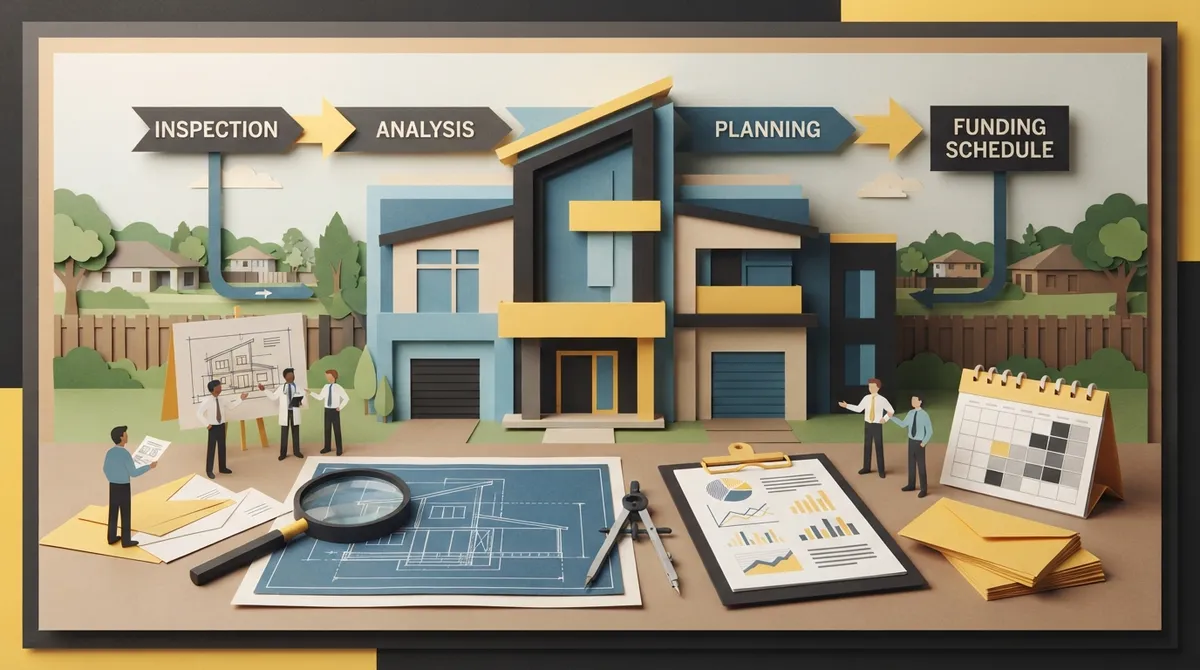
A structural integrity reserve study (SIRS) looks at the major parts of a condo building and answers three simple questions. What shape is each component in? How many years of useful life does it have left? How much will it cost to repair or replace, and how should the association pay for it?
Notice what is missing from that list. A SIRS does not declare a building safe or unsafe. It is built on a visual inspection and focuses on money and planning. Think of it like a financial roadmap for your building’s biggest expenses.
This matters in Southwest Ranches because boards sometimes assume a completed SIRS means they have met all their inspection duties. It does not. We will get to that in a moment.
2. Not Every Building Needs One
Under Florida Statute §718.112, a residential condominium association generally must obtain a SIRS at least every 10 years for each building that is three or more habitable stories tall. Cooperatives fall under similar planning rules.
That means many low-rise and single-family-style communities in and around Southwest Ranches may not be covered by the SIRS requirement. Plenty of properties here are larger lots, equestrian-style homes, and smaller associations. If your community is run by an HOA rather than a condo association, a different type of study may apply. Our guide on Southwest Ranches HOA reserve studies explains that path.
When in doubt, check your governing documents and ask your attorney or engineer. A quick conversation now beats a surprise later.
3. Florida Law Spells Out What the Study Must Cover
The statute names the building components that must be included. These are the big-ticket items that keep a building standing and working.
- Roof
- Structural components and systems
- Fireproofing and fire protection systems
- Plumbing
- Electrical systems
- Waterproofing and exterior painting
- Windows and exterior doors
- Other qualifying components whose failure could affect the items above
That last item has a dollar threshold. The statute references a $25,000 figure, subject to adjustment, for certain additional components. Because statutes can change, always verify the current wording on the official Florida Legislature site before making decisions.
4. The Study Must Produce Real Numbers and a Funding Plan
A good SIRS is not just a list of observations. For each covered component, the report must estimate remaining useful life and the replacement cost or deferred-maintenance expense. It must also provide a reserve funding plan so the association knows how much to set aside.
This is where boards often feel the pinch. Funding plans can mean higher assessments or monthly dues. The upside? Planned, steady funding is almost always gentler on owners than a sudden special assessment after a roof fails.
| SIRS Report Element | What It Tells You |
|---|---|
| Component condition | How each covered item looks today based on a visual inspection |
| Remaining useful life | How many years before repair or replacement is likely needed |
| Cost estimate | Projected replacement or deferred-maintenance expense |
| Funding plan | Recommended reserve contributions to cover future costs |
5. Only Qualified Professionals Can Perform or Verify It
Florida requires the visual inspection portion of a SIRS to be performed or verified by a qualified professional. That generally means a Florida-licensed engineer or architect, or a qualifying reserve specialist or professional reserve analyst.
Choosing the right professional is a big deal. You want someone who knows building systems, understands local conditions, and writes reports your owners can actually read. Our article on how to choose licensed building inspectors offers helpful pointers that apply here too.
At O’Reilly Consultants, our small, specialized team includes a qualifying architect and experienced engineers who serve Broward and Miami-Dade Counties every day. Tools like drones and 3D imaging help us see areas that are hard to reach, which makes assessments faster and more thorough.
6. A SIRS Is Not a Milestone Inspection
Here is the part that confuses nearly everyone. Florida’s milestone inspection under §553.899 is a separate structural-safety inspection. It applies to covered condominium and cooperative buildings that are at least three habitable stories tall.
The usual trigger is the year the building reaches 30 years from its certificate of occupancy, then every 10 years after that. Buildings within three miles of the coastline generally face a 25-year initial trigger. Because Southwest Ranches sits inland in western Broward County, most buildings follow the standard schedule, but confirm your building’s exact status.
To keep things clear, here is a side-by-side look at the three obligations.
| Item | Main Purpose | Typical Timing |
|---|---|---|
| SIRS | Plan and fund future repairs and replacements | At least every 10 years for covered buildings |
| Milestone inspection | Evaluate structural safety | Around year 30 (or 25 near the coast), then every 10 years |
| Local building recertification | Meet local safety-compliance rules | Set by the local jurisdiction |
These can overlap in subject matter, and smart coordination can save time and money. But one report does not automatically replace another. For a deeper comparison, see SIRS vs. milestone inspection: which does your condo need?
7. Local Recertification Is Handled Locally, So Confirm With the Town
Southwest Ranches is in Broward County, and building safety inspection and recertification procedures are administered through local jurisdictions. That means notices, age triggers, deadlines, and forms come from the Town of Southwest Ranches Building Department.
Do not assume that finishing a SIRS or a state milestone inspection satisfies the local requirement. Treat each obligation as its own item on your compliance calendar. Contact the Town directly to confirm what applies to your building and when.
For more local detail, our guides on Southwest Ranches recertification and common milestone inspection mistakes are great starting points. Boards also benefit from reading about SIRS mistakes Southwest Ranches condo boards must avoid, which can help you dodge costly missteps.
If you have an older building, it is also worth learning how broader recertification works. Our overview, what is building recertification and why does it matter, ties it all together. For a neighboring-county example of how recertification rules are published, you can browse the Miami-Dade County recertification page and the Miami-Dade building recertification case search.
Quick Tips for Boards and Property Managers
Staying organized is half the battle. Here is a simple checklist you can follow.
- Confirm whether your building is three or more habitable stories and covered by the SIRS rules.
- Check your building’s certificate of occupancy date to map out milestone inspection timing.
- Call the Town of Southwest Ranches Building Department to confirm any local recertification notice or deadline.
- Hire a qualified, licensed professional early, since good inspectors book up fast.
- Build the SIRS funding plan into your annual budget and communicate it clearly to owners.
- Keep every report in one shared folder so nothing gets lost during a board turnover.
A little planning goes a long way. Boards that start early usually feel calmer, spend smarter, and keep owners happier.
Why Choose O’Reilly Consultants
We know that compliance can feel like a maze of notices, statutes, and deadlines. Our job is to make it easier. O’Reilly Consultants focuses on building recertification and safety-focused assessments across Broward and Miami-Dade Counties, and we guide you from the first notice all the way to final documentation.
Led by owner and qualifying architect Sherard O’Reilly, our team brings deep experience in property condition assessments, structural and electrical inspections, SIRS, and HOA reserve studies. You get clear reports with actionable recommendations, not confusing jargon. Want to hear what others think? See what our customers say when you visit us on Google — O’Reilly Consultants.
Final Thoughts
A Southwest Ranches structural integrity reserve study is a smart, forward-looking tool that helps your association plan for major repairs without panic. It is not a safety certificate, and it does not replace a milestone inspection or local recertification. Track each requirement separately, coordinate where you can, and lean on qualified professionals.
Ready to take the stress out of compliance? Request a free quote today, or call us at (512) 567-1191. We would love to help your building stay compliant now and ready for the future.
FAQs
Q: Does Southwest Ranches require a structural integrity reserve study?
A: The SIRS requirement comes from Florida law, not a town ordinance. It generally applies to condominium and cooperative buildings that are three or more habitable stories tall. If your community does not fit that description, a different reserve study may apply, so check your governing documents.
Q: What is the difference between a SIRS, a milestone inspection, and building recertification?
A: A SIRS is a financial planning study for future repairs. A milestone inspection is a structural-safety inspection set by state law, and local building recertification follows rules set by your local jurisdiction. They can overlap, but each has its own purpose and schedule.
Q: Does completing a SIRS satisfy Broward County or Southwest Ranches recertification?
A: No, not automatically. A SIRS does not certify that a building is safe, so it does not replace a required structural inspection. Confirm your exact requirements and deadlines with the Town of Southwest Ranches Building Department.
Q: Who is qualified to perform or verify a SIRS in Florida?
A: The visual inspection must be performed or verified by a Florida-licensed engineer or architect, or a qualifying reserve specialist or professional reserve analyst. Picking an experienced local professional helps you get a clear, useful report.
Q: When is a milestone inspection due for a building in Southwest Ranches?
A: The usual trigger is the year a covered building reaches 30 years from its certificate of occupancy, then every 10 years after that. Buildings within three miles of the coastline generally follow a 25-year initial trigger. Confirm your building’s status with the local building department.