
Key Takeaways
-
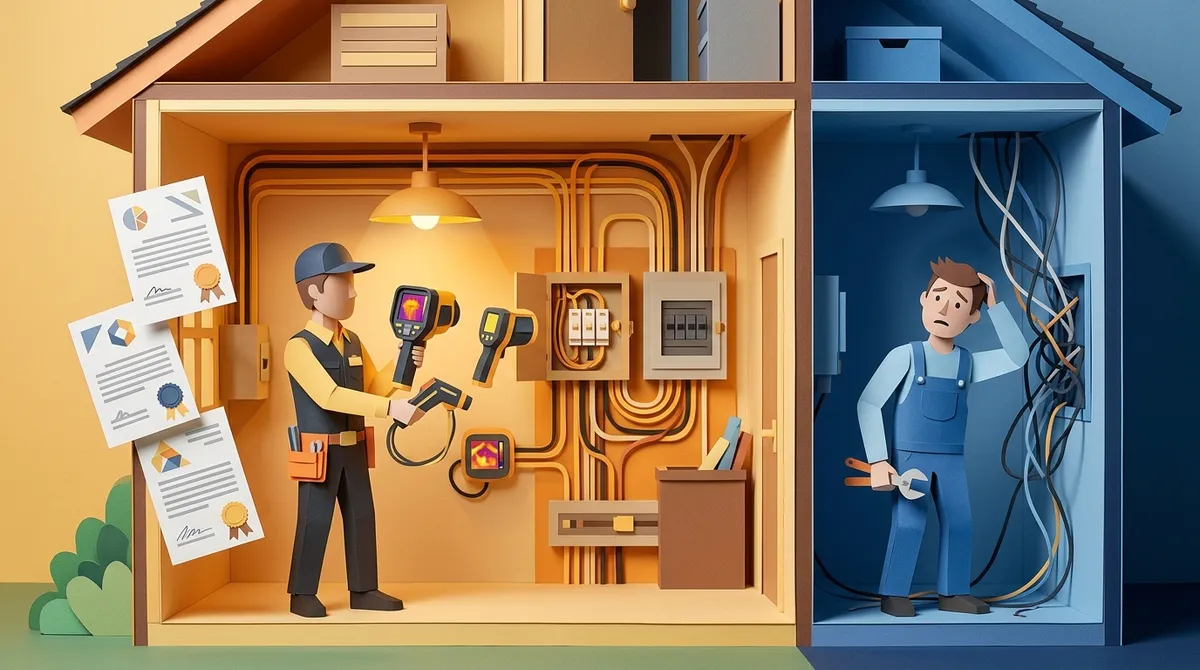
Broward County’s Building Safety Inspection Program (BSIP) requires mandatory electrical inspections at 25, 30, 40, and 50-year building milestones with a strict 90-day deadline for report submission—missing this deadline can result in fines, building closure orders, and legal liability.
-
Only licensed Florida engineers or electricians can legally perform and certify electrical safety inspections using standardized BORA forms; DIY self-management of this process is not legally available and attempting informal approaches creates significant compliance risk.
-
Professional recertification firms use advanced technology like thermal imaging, drones, and 3D laser scanning to conduct thorough inspections, while self-directed approaches typically rely on basic tools and risk documentation errors that trigger county rejections and restart the approval timeline.
-
Hiring a specialized firm handles the entire process from notice review through county submission and repair coordination, eliminating the high time investment and coordination burden that falls entirely on property owners attempting self-directed management.
-
Professional teams coordinate both structural and electrical inspections under one firm, preventing separate vendor miscommunication and ensuring code compliance—a single-service approach costs less in delays than errors in DIY BORA report submissions.
-
Electrical hazards like faulty grounding and overloaded circuits often accompany structural problems, so comprehensive inspections by qualified professionals identify interconnected building system issues that isolated vendor approaches might miss.
If you own or manage a building in Lauderdale-by-the-Sea, you already know the stakes are high. Florida’s coastal properties age fast, and Broward County’s Building Safety Inspection Program (BSIP) is not something you can quietly ignore. When that official notice arrives in the mail, the 90-day countdown begins — and your electrical systems are front and center.
One question comes up time and again among condo boards, HOA managers, apartment owners, and commercial property investors: Should we try to handle the electrical safety inspection process ourselves, or hire a licensed professional? It sounds simple, but the answer matters — a lot. The wrong choice could mean failed recertification, costly penalties, or worse, a genuine safety hazard for the people inside your building.
Let’s break this comparison down in a friendly, honest way so you can make the best decision for your property and your peace of mind.
Understanding Lauderdale-by-the-Sea Electrical Safety Inspections
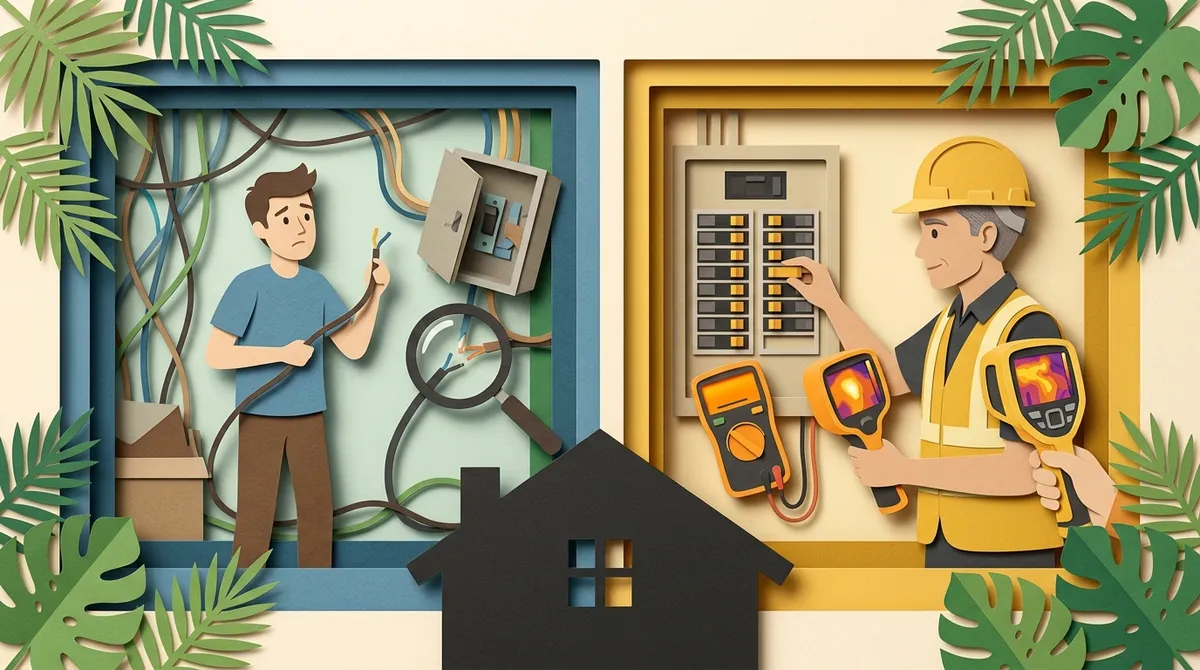
First, a quick overview. Lauderdale-by-the-Sea falls under Broward County’s BSIP, which is governed by Florida Statute 553.899. This program requires electrical and structural inspections for “threshold buildings” at specific age milestones — 25, 30, 40, and 50 years old.
These are not optional check-ins. They are mandatory recertification milestones. If your building hits the 40-year mark, for example, you are legally required to submit a complete electrical and structural report within 90 days of receiving your notice. Learn more about what that process looks like by reading about 40 Year Recertification requirements and why they matter for your building’s future.
The electrical portion of these inspections is detailed and technical. Inspectors look at:
- Grounding systems and shock or electrocution hazards
- AFCI (arc-fault circuit interrupter) verification
- Surge protection systems
- Outlets, switches, and panel boards
- Smoke and carbon monoxide detectors
- Outdoor electrical systems
- Energy inefficiencies and overloaded circuits
Reports must be submitted using standardized BORA forms, complete with photos and safety statements, and signed off by a licensed Florida engineer or electrician. That last part is key — and it’s the heart of the DIY vs. professional debate.
The DIY Approach: What It Really Means
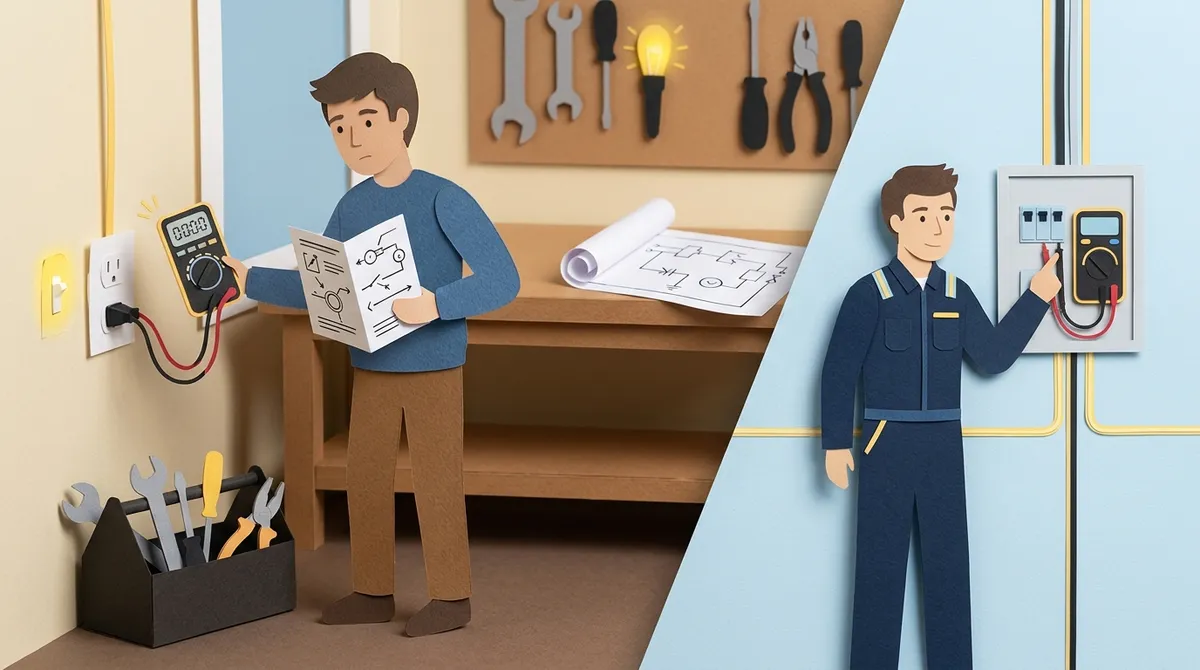
To be clear, “DIY” in this context doesn’t mean grabbing a flashlight and checking a few outlets yourself. Florida law is specific: only a licensed engineer or electrician can perform and certify the electrical portion of a BSIP recertification report. So a fully self-managed approach is not legally available to most property owners.
What some owners do attempt is a more informal, piecemeal approach — hiring uncoordinated vendors, managing paperwork themselves, or trying to interpret county requirements without expert guidance. This “DIY management” style is what we’re really comparing here.
Here’s what that typically looks like in practice:
- Receiving the inspection notice and researching requirements independently
- Locating and vetting separate vendors for structural and electrical work
- Coordinating schedules, reports, and documentation on your own
- Submitting forms to the county building division and following up on status
- Managing any required repairs and re-inspection processes
Some experienced property managers can pull this off. But it takes significant time, deep familiarity with Broward County’s specific requirements, and a willingness to absorb risk if something goes wrong.
The Professional Approach: What You Actually Get
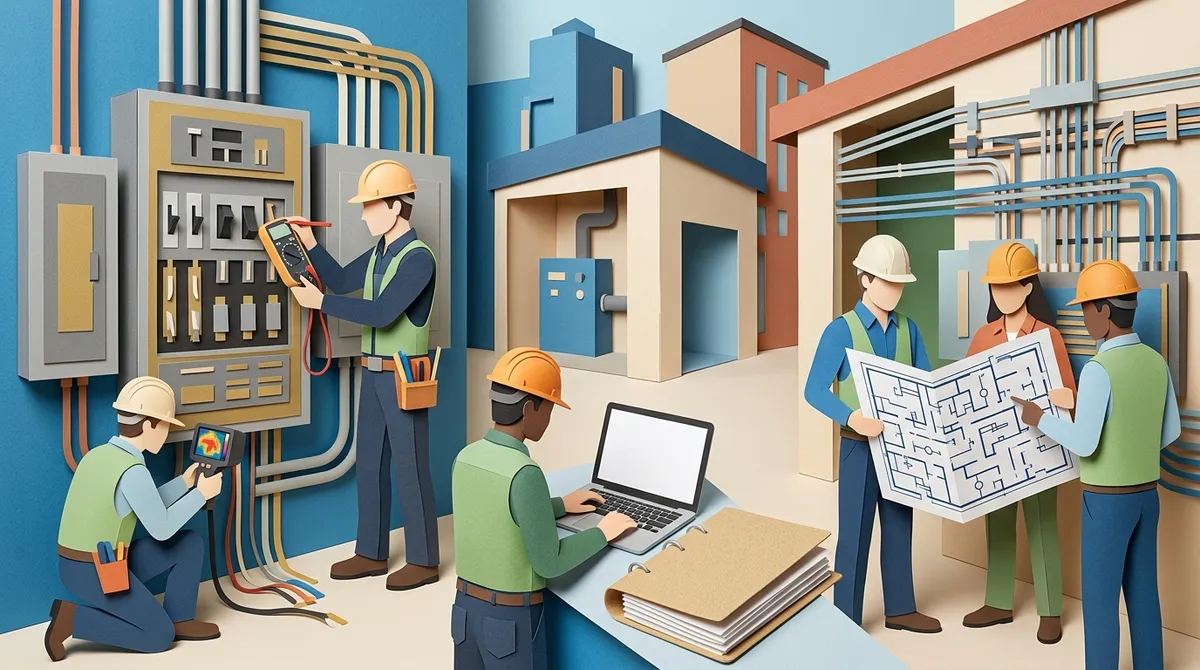
Hiring a specialized building recertification firm means bringing in a team that does this every single day. The difference in outcome — and in stress levels — is substantial.
A qualified professional handles Lauderdale-by-the-Sea electrical safety inspections from start to finish. That includes:
- Reviewing your inspection notice and confirming your specific milestone requirements
- Scheduling licensed engineers or electricians for both structural and electrical assessments
- Using advanced tools like thermal imaging, drones, and 3D laser scanning for thorough evaluations
- Preparing complete, code-compliant BORA report packages with photos and safety statements
- Submitting documentation to the county on your behalf and tracking approval status
This turnkey service is not just about convenience. It’s about accuracy and compliance. A missed detail on a BORA form or an improperly certified inspection can trigger a rejection — sending you back to square one with less time on your 90-day clock.
You can learn more about why thorough inspections matter for long-term property health by exploring the importance of 40 Year Building Recertification for Property Longevity.
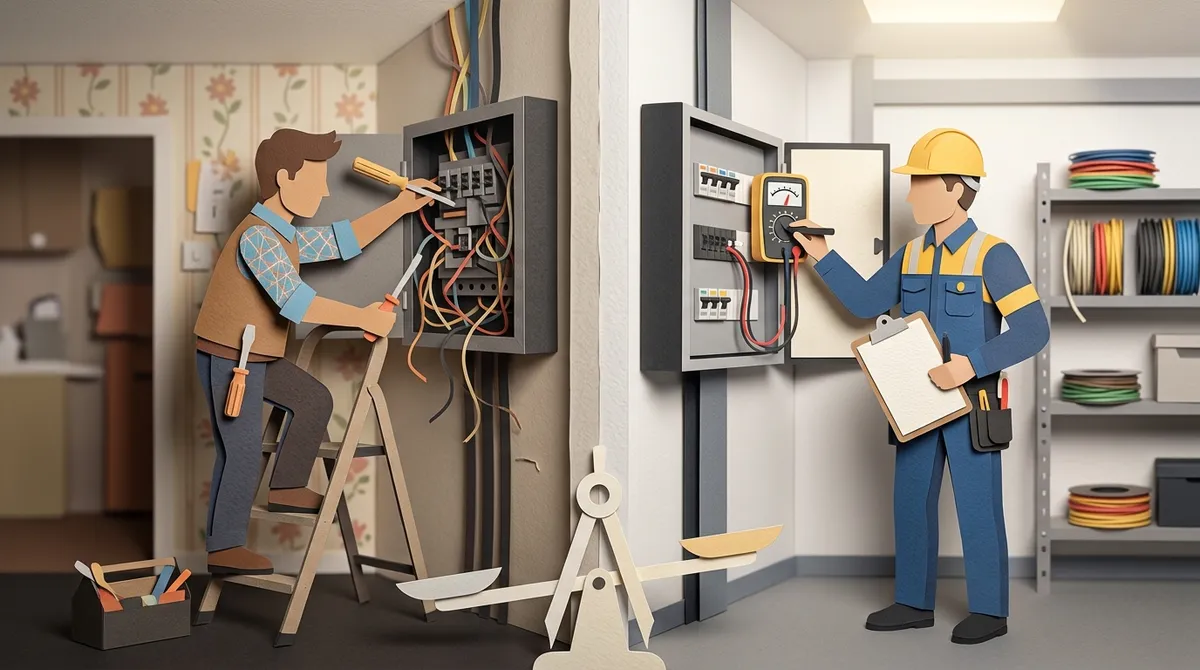
Side-by-Side Comparison: DIY Management vs. Professional Service
| Factor | DIY Management | Professional Recertification Firm |
|---|---|---|
| Legal Compliance | Risk of missed requirements | Full compliance with BSIP and Statute 553.899 |
| Report Accuracy | Dependent on owner’s knowledge | Standardized BORA forms, signed by licensed pros |
| Inspection Technology | Basic or limited tools | Thermal imaging, drones, 3D laser scanning |
| Time Investment | Very high — all coordination falls on you | Low — firm handles all scheduling and follow-up |
| 90-Day Deadline Risk | Moderate to high | Low — professionals know the process cold |
| Electrical Expertise | Outsourced, uncoordinated | Integrated into full recertification scope |
| Structural + Electrical Together | Separate vendors, more coordination | Single firm covers both, streamlined process |
| Peace of Mind | Stressful | High — guided every step of the way |
Why the 90-Day Deadline Makes Professional Help Worth It
The 90-day window after receiving a Notice of Required Building Safety Inspection is not flexible. Miss it, and you could face fines, building closure orders, or legal liability. For condo associations and HOA boards, that kind of exposure is unacceptable.
Professionals who specialize in Lauderdale-by-the-Sea electrical safety inspections know exactly how to keep your project on track. They understand Broward County’s documentation requirements, coordinate directly with the Building Division, and flag issues early enough to allow time for repairs before the deadline.
For commercial property owners and real estate investment firms, a missed recertification deadline can also affect insurance coverage, financing, and property value. The Miami-Dade County Recertification program offers a useful reference point for understanding how these inspections affect property records across South Florida counties.
When Might DIY Management Work?
Honestly? There are a few narrow situations where a more self-directed approach might be manageable:
- You are an experienced property manager with a long track record of Broward BSIP submissions
- You have licensed engineers and electricians already under contract who know the process
- Your building is smaller and the inspection scope is relatively straightforward
- You have ample time before the deadline and no complicating factors
Even in these cases, partnering with a specialist for quality control review is a smart move. One error in a BORA report can cost far more in delays than a professional service would have in the first place.
The O’Reilly Consultants Advantage
O’Reilly Consultants is a highly specialized engineering team serving Broward and Miami-Dade Counties. Led by qualifying architect Sherard O’Reilly, the team also includes Construction Manager and Engineer Catalina Torres, who brings 27 years of civil engineering experience, and Project Engineer Rafael Ojeda, who has completed over 1,000 Phase I Environmental Site Assessments in South Florida alone.
This is not a general contracting team. This is a group that lives and breathes building recertification. They use advanced technology — including drones and 3D laser scanning — to ensure every inspection is thorough, accurate, and code-compliant. For Lauderdale-by-the-Sea electrical safety inspections, that level of precision is exactly what you need.
They also cover a wide range of property types, including high-rise and multi-family apartments, offices, industrial buildings, and condos. Services extend beyond electrical to include structural inspections, SIRS, Property Condition Assessments (PCA), and HOA reserve studies. You can even visit O’Reilly Consultants on Google to see what property owners and managers are saying about their experience.
It’s also worth understanding that electrical hazards are rarely isolated. Issues like faulty grounding or overloaded panels often accompany structural concerns. If you’re curious how electrical and structural problems can overlap, check out this resource on Understanding Foundation Cracks and Hairline Cracks in Commercial Buildings for a deeper look at how building systems interconnect.
What Happens After the Inspection?
Once your Lauderdale-by-the-Sea electrical safety inspection is complete, the work isn’t quite done. Here’s what typically follows:
- The licensed professional prepares and submits your BORA report with photos and safety certification
- The county reviews the report and either approves or requests corrections
- If repairs are needed, you receive a timeline and scope of required work
- Repairs are completed and re-inspected as necessary
- Final recertification approval is issued and recorded
A professional firm guides you through every one of these steps. You never have to wonder what’s next or worry that something slipped through the cracks. You can also search your building’s current status using the Miami-Dade Building Recertification Cases portal for cross-county reference or background research on adjacent properties.
The Verdict: Professional Wins, Hands Down
For most property owners and managers in Lauderdale-by-the-Sea, professional handling of electrical safety inspections is the clear winner. The 90-day deadline, the legal requirements, the technical complexity of BORA documentation, and the very real consequences of non-compliance all point in the same direction.
Trying to manage this process without specialized support adds risk without meaningful savings. A licensed, experienced firm covers both the electrical and structural components, uses better technology, and gets it right the first time.
Your building and the people in it deserve nothing less. Ready to get started? Request your free recertification consultation with O’Reilly Consultants today, or reach out directly to speak with the team at call us at (512) 567-1191. Let the experts handle the hard part while you focus on what matters most.
FAQs
Q: What is required for a 40-year building recertification in Lauderdale-by-the-Sea?
A: Great question! For a 40-year recertification under Broward County’s BSIP, you’ll need both a structural and electrical safety inspection completed by a licensed Florida engineer or electrician. Reports must be submitted using standardized BORA forms with photos and safety statements within 90 days of receiving your official notice.
Q: Who can legally perform electrical safety inspections for Broward County recertification?
A: Only licensed Florida engineers or electricians are authorized to perform and certify the electrical portion of a BSIP recertification inspection — so this isn’t a DIY situation! Working with a specialized recertification firm ensures your reports are signed by the right professionals and meet all county requirements.
Q: What happens if I miss the 90-day deadline for my building recertification report?
A: Missing that 90-day window can lead to fines, potential building closure orders, and serious legal liability for property owners and HOA boards. That’s why working with a professional team who knows the process — and keeps your timeline on track — is so important for your peace of mind.
Q: Does a Lauderdale-by-the-Sea electrical safety inspection include thermal imaging?
A: Yes! For commercial properties and 40- or 50-year recertifications, thermal imaging is often used as part of the electrical inspection to detect hidden hazards like overloaded circuits or faulty wiring. A specialized firm with advanced tools like thermal cameras gives you a much more thorough and accurate assessment.
Q: Can one firm handle both the structural and electrical parts of my building recertification?
A: Absolutely — and this is actually the recommended approach! A full-service recertification firm coordinates both structural and electrical inspections under one roof, streamlining the process and reducing the risk of missed deadlines or documentation errors. It’s a much smoother experience than managing multiple vendors on your own.