

Key Takeaways
-
A PCA is essential for Lighthouse Point coastal properties because salt air, humidity, and wind exposure accelerate corrosion, moisture damage, and material degradation faster than inland locations, making early detection critical.
-
PCAs follow ASTM E2018 standards and generate actionable reports with an Immediate Repairs Table (12-month priorities) and Replacement Reserves Table (1-12 year capital projections) to guide budgeting and decision-making.
-
PCAs are distinct from government-mandated building recertifications; they’re business-driven assessments for transactions, financing, and capital planning that go beyond code compliance to evaluate overall physical condition and deferred maintenance.
-
Lenders commonly require PCAs before financing to assess physical risks, confirm structural integrity, and ensure borrowers can maintain the property—particularly important in South Florida’s coastal environment.
-
Professional PCA reports include executive summaries, system-by-system findings, photo documentation, repair cost estimates, and recommendations across structural systems, building envelope, MEP systems, fire safety, site improvements, and accessibility.
-
Building owners should prioritize addressing items in the Immediate Repairs Table within 12 months, use the Replacement Reserves Table to build long-term capital plans, and share findings with boards, investors, and lenders for informed decision-making.
If you own or manage a building in Lighthouse Point, Florida, you already know that coastal living comes with a unique set of responsibilities. Salt air, humidity, tropical storms, and years of sun exposure can quietly take a toll on even the best-built structures. That’s where a Lighthouse Point Property Condition Assessment (PCA) becomes your best friend. A PCA gives you a clear, honest picture of your building’s physical health — before problems become expensive surprises.
Whether you’re buying a commercial property, refinancing a multifamily building, planning capital improvements, or simply being a responsible building owner, a professional PCA puts the facts in your hands. In this guide, we’ll walk you through exactly how the process works, what to expect, and how to make the most of your assessment results.

What Is a Property Condition Assessment (PCA)?
A Property Condition Assessment is a formal, system-by-system inspection of a building’s physical condition. A licensed inspector evaluates every major building system and documents what they find in a detailed written report. Think of it as a full physical check-up for your building.
The most widely used standard for PCAs is ASTM E2018, which sets guidelines for the walk-through survey, document review, and interviews with building owners or managers. This standard ensures that your PCA report is consistent, thorough, and accepted by lenders, investors, and government agencies.
PCAs are commonly ordered for these situations:
- Commercial real estate purchases and due diligence
- Loan underwriting and lender requirements
- Portfolio management and capital planning
- Insurance underwriting renewals
- HOA reserve planning and budgeting
- Pre-sale building condition documentation
For Lighthouse Point building owners, a PCA is especially valuable because Florida’s coastal environment accelerates wear on building materials and systems. Understanding your building’s condition today helps you plan smarter for tomorrow.
What Does a PCA Report Cover?
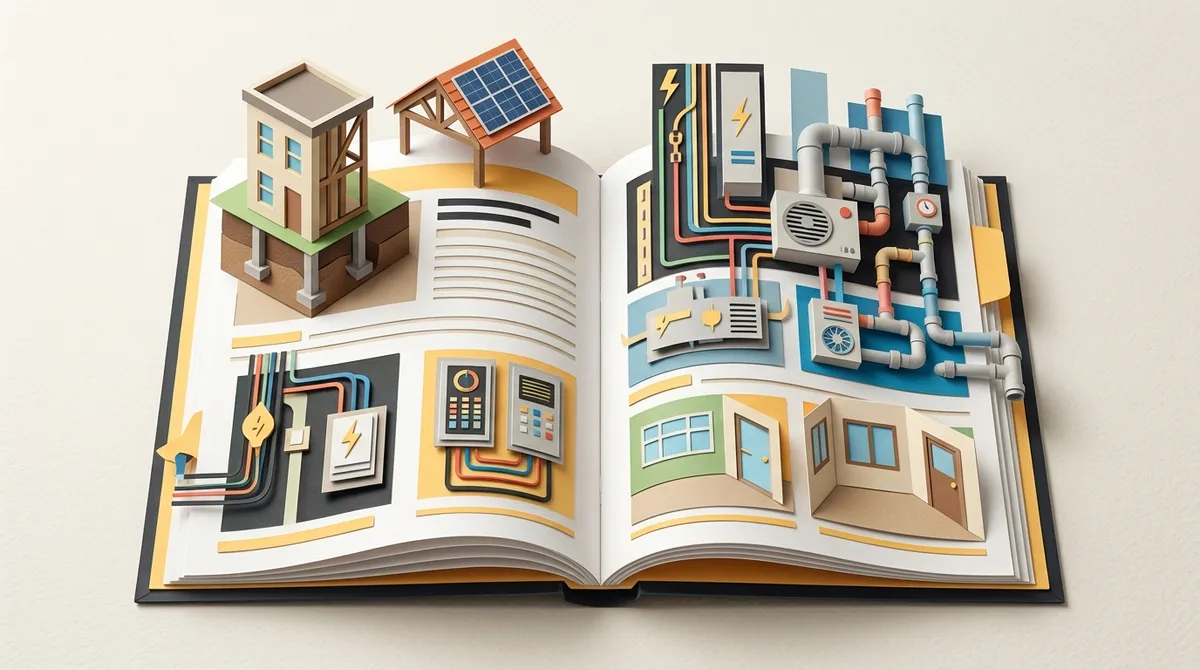
A complete Lighthouse Point Property Condition Assessment report touches every major system in your building. Here’s a look at the core areas covered:
Structural Systems
Inspectors evaluate foundations, load-bearing walls, columns, beams, and slabs. In South Florida’s coastal environment, this includes looking for signs of spalling concrete, rebar corrosion, and settlement. If you want to go deeper on this topic, understanding foundation cracks and hairline cracks in commercial buildings is a great resource.
Building Envelope
This covers the roof, exterior walls, windows, and doors — everything that keeps weather out. Coastal buildings in Lighthouse Point face constant exposure to moisture and wind, making envelope inspection critical.
Mechanical, Electrical, and Plumbing (MEP) Systems
Inspectors assess HVAC equipment, plumbing distribution, electrical panels, wiring, and lighting systems. Aging or improperly maintained MEP systems are a leading source of deferred maintenance costs in South Florida properties. You can learn more about what electrical inspections uncover by reading about Fort Lauderdale electrical safety inspections.
Fire and Life Safety Systems
Sprinkler systems, fire alarms, exit lighting, and suppression equipment are all reviewed for condition and apparent functionality.
Site Improvements
Parking lots, walkways, drainage, landscaping, and retaining walls are included in the site assessment.
Accessibility
Inspectors note any observed conditions that may present ADA accessibility concerns.
Here’s a quick overview of what a standard PCA report includes:
| Report Section | What It Documents | Why It Matters |
|---|---|---|
| Executive Summary | High-level overview of findings | Quick snapshot for owners and lenders |
| Immediate Repairs Table | Urgent items needing attention within 12 months | Helps budget for near-term costs |
| Replacement Reserves Table | Long-term capital expenditure projections (1–12 years) | Supports reserve fund planning |
| System-by-System Findings | Detailed condition of each building system | Provides documentation for due diligence |
| Photo Documentation | Visual evidence of observed conditions | Supports findings and recommendations |
| Repair Cost Estimates | Cost ranges for recommended repairs | Enables informed negotiation and planning |

How a PCA Differs from a Building Recertification
Many building owners in Broward County wonder how a PCA fits alongside Florida’s building recertification requirements. They’re related but serve different purposes. Understanding both helps you stay fully compliant and informed.
A building recertification is a government-mandated inspection required at specific intervals (such as 40 years) to confirm that a building continues to meet minimum structural and electrical safety standards. You can read more about this process in our detailed guide on 40-year building recertification for Florida owners.
A PCA, on the other hand, is typically a voluntary or lender-required assessment used for business and investment decisions. It goes beyond code compliance to evaluate the overall physical condition, deferred maintenance backlog, and capital planning needs of your property.
Here’s a simple comparison:
| Feature | Building Recertification | Property Condition Assessment (PCA) |
|---|---|---|
| Required by | County government (Broward, Miami-Dade) | Lenders, investors, or voluntary |
| Purpose | Code compliance and public safety | Due diligence, capital planning, transactions |
| Standard used | Florida Building Code and local ordinance | ASTM E2018 |
| Report output | Compliance certification or notice of deficiency | Detailed condition report with cost estimates |
| Trigger | Building age milestone (30, 40 years) | Transaction, financing, or portfolio review |
For Lighthouse Point property owners dealing with Miami-Dade County Recertification requirements or nearby Broward County mandates, having both a current recertification and a PCA gives you the most complete picture of your building’s status. You can also search Miami-Dade Building Recertification Cases to check the status of any building in the county.

Step-by-Step: How to Get a Lighthouse Point Property Condition Assessment
Ready to move forward? Here’s exactly how the PCA process works from start to finish:
- Identify your reason for the PCA. Are you buying a property, refinancing, planning capital improvements, or satisfying a lender requirement? Your purpose shapes the scope and urgency of the assessment.
- Hire a qualified PCA provider. Look for a licensed engineering firm with experience in Florida’s coastal construction environment and familiarity with ASTM E2018 standards. Experience with South Florida building systems is a significant advantage.
- Gather your building documents. Collect available records including construction drawings, previous inspection reports, permits, service records for major equipment, and any existing repair documentation.
- Schedule and conduct the site visit. The inspector will perform a walk-through survey of all accessible areas, interview the property manager or owner, and photograph all observed conditions.
- Review the draft report. Most PCA providers deliver a draft report within 5–10 business days. Review the Immediate Repairs Table and Replacement Reserves Table carefully — these are the most actionable sections for decision-making.
- Use the findings to take action. Whether you’re negotiating a purchase price, setting a maintenance budget, or prioritizing capital repairs, your PCA report is the roadmap. Share it with your engineering team, board, or lender as needed.
Why Coastal Conditions Make PCAs Extra Important in Lighthouse Point
Lighthouse Point sits right along the Intracoastal Waterway and the Atlantic Coast in Broward County. That beautiful waterfront location comes with some tough realities for building owners.
Coastal exposure accelerates common building problems in measurable ways:
- Salt air corrosion attacks rebar, metal fasteners, HVAC components, and electrical systems faster than in inland locations
- High humidity promotes mold growth, wood rot, and moisture infiltration through building envelopes
- Wind-driven rain finds vulnerabilities in roofing, windows, and exterior wall assemblies over time
- Flood exposure can damage foundations, ground-floor mechanical systems, and site drainage infrastructure
- UV degradation breaks down sealants, coatings, roofing membranes, and exterior finishes more rapidly
A well-executed PCA catches these issues early — before they become structural problems or code violations. For condo association boards and HOA property managers in Lighthouse Point, this kind of early visibility is invaluable for reserve fund planning. You can also explore how Lighthouse Point SIRS requirements connect to your broader capital planning obligations.
Who Needs a Lighthouse Point Property Condition Assessment?
PCAs are valuable across a wide range of property types and ownership situations. Here’s a quick look at who benefits most:
- Condo association boards planning major reserve expenditures or navigating Florida’s SIRS requirements
- Commercial property owners preparing for a sale, purchase, or refinancing
- Real estate investment firms conducting due diligence on aging South Florida assets
- Apartment building owners managing deferred maintenance and long-term capital plans
- HOA property managers documenting building condition for board reporting and insurance purposes
For any of these groups, working with an experienced South Florida engineering team makes a real difference. O’Reilly Consultants brings deep expertise in ASTM E2018 property condition assessments, led by owner and qualifying architect Sherard O’Reilly, supported by a team with decades of civil engineering and environmental due diligence experience across South Florida. Their work goes beyond the checklist — they deliver clear, actionable reports that actually help you make smart decisions. You can visit O’Reilly Consultants on Google to read reviews from property owners and managers throughout Broward and Miami-Dade Counties.
How to Use Your PCA Report Effectively
Getting the report is just the beginning. Here’s how to put those findings to work:
- Prioritize the Immediate Repairs Table first. These are the items your inspector flagged as urgent — safety concerns, active leaks, failing systems, or code-related issues. Address these within 12 months or sooner if required.
- Build your capital plan from the Replacement Reserves Table. Map out the projected costs year by year over the study period. This feeds directly into your HOA reserve study or investment capital plan. See how this connects to completing a structural integrity reserve study for a fuller picture.
- Share findings with your stakeholders. Boards, investors, lenders, and insurers all benefit from a well-documented PCA report. It builds credibility and supports informed decisions on both sides of any transaction.
If your PCA reveals recertification-related concerns — such as structural deficiencies or electrical system issues — you’ll want to address those through the formal recertification process as well. Learn more about what that involves by reviewing the 8 key steps in the building recertification process and what a commercial building inspection really covers.
For a broader look at compliance obligations in Broward County, the Broward County Permitting, Licensing and Consumer Protection Division is a helpful official resource for building owners navigating local requirements.
Ready to Schedule Your Lighthouse Point PCA?
A Lighthouse Point Property Condition Assessment is one of the smartest investments you can make in your building’s future. Whether you’re buying, selling, refinancing, or simply planning ahead, having a clear and honest picture of your property’s condition gives you the confidence to act decisively and protect your investment.
The team at O’Reilly Consultants is ready to help you get started. From the initial walk-through to the final detailed report, they guide you through every step of the process with care, expertise, and a genuine commitment to your success. Don’t wait for small problems to become costly repairs — take the proactive step today.
Request your free PCA consultation and let’s get your Lighthouse Point building properly assessed, documented, and ready for whatever comes next.
FAQs
Q: What is a Property Condition Assessment (PCA) in Lighthouse Point?
A: A PCA is a professional, system-by-system inspection of a building’s physical condition, documented in a formal report with photos, repair estimates, and prioritized recommendations. In Lighthouse Point, PCAs are especially important because coastal exposure from salt air, humidity, and wind accelerates wear on building materials and systems. The assessment follows ASTM E2018 standards and is commonly used for real estate transactions, loan underwriting, and capital planning.
Q: How is a PCA different from a building recertification?
A: A building recertification is a government-mandated inspection required at specific age milestones (like 40 years) to confirm that a building meets Florida Building Code safety standards. A PCA is typically ordered for business purposes — such as a property sale, refinancing, or capital planning — and focuses on physical condition, deferred maintenance, and long-term cost projections rather than code compliance alone. Many Lighthouse Point building owners benefit from having both.
Q: What does a PCA report include?
A: A complete PCA report typically includes an executive summary, an Immediate Repairs Table highlighting urgent issues, a Replacement Reserves Table projecting long-term capital costs, system-by-system condition findings, photo documentation, and repair cost estimates. These sections give building owners, lenders, and investors a clear picture of a property’s current condition and future maintenance needs.
Q: Why do lenders require a PCA before financing a property?
A: Lenders want to understand the physical risks associated with a property before committing to financing. A PCA gives lenders confidence that the building doesn’t have hidden structural, mechanical, or safety deficiencies that could affect its value or the borrower’s ability to maintain the property. In South Florida’s coastal environment, lenders are particularly attentive to deferred maintenance and climate-related wear.
Q: Does Lighthouse Point have any special requirements for property condition assessments?
A: Lighthouse Point does not currently have a unique municipal ordinance specifically requiring PCAs. However, Florida Building Code compliance, coastal construction standards, and Broward County building recertification requirements all apply. Given the waterfront location and exposure to the coastal environment, Lighthouse Point property owners are encouraged to conduct PCAs proactively as part of responsible building management and capital planning.