Key Takeaways
-
In Miami-Dade County, commercial buildings built in 1993 or later must undergo recertification at 30 years old, then every 10 years after. You have 90 days to complete inspection after receiving notice, with 60 days to address any deficiencies or face fines and evacuation orders.
-
Commercial building inspections require both structural and electrical evaluations by licensed professionals. Buildings over 3 stories need both a structural engineer and electrical engineer, while electrical systems of 400+ amps require mandatory infrared thermography to detect hidden faults.
-
Budget $8,000–$20,000 for structural assessment, $3,500–$10,000 for electrical evaluation, and up to $15,000 for specialized testing like infrared thermography. This upfront investment is significantly cheaper than failing recertification, code violations, or emergency repairs later.
-
Advanced inspection technology like drone inspections and 3D laser scanning can detect hard-to-reach issues, capture precise documentation, and identify subtle structural problems invisible to traditional visual inspections alone.
-
Failing inspection triggers mandatory repairs with proper permits within 60 days. Documentation must be submitted to the county to close the process, and ignoring deficiencies risks escalating fines and building evacuation orders.
-
Recertification compliance directly impacts property value, insurance renewals, sale transactions, and refinancing. A well-documented inspection history is an asset that demonstrates due diligence to buyers, lenders, and insurers.
If you own or manage a commercial property in South Florida, you’ve probably heard the term “commercial building inspection” thrown around a lot. But what does it actually cover? And why does it matter so much for your building’s future? Whether you’re a condo board member, a commercial property owner, or a real estate investor, understanding what goes into a proper inspection can save you from costly surprises — and even bigger headaches down the road.
In Miami-Dade and Broward Counties, commercial building inspections are closely tied to mandatory recertification programs. These aren’t optional checkups. They’re legally required evaluations that determine whether your building is safe to occupy. Getting familiar with the process helps you stay compliant, avoid fines, and protect the people inside your building. Let’s break it all down in plain, simple terms.

What Triggers a Commercial Building Inspection in South Florida?
Not every building gets inspected on the same schedule. In Miami-Dade County, commercial buildings built in 1993 or later must undergo recertification at the 30-year mark. After that, inspections are required every 10 years. Buildings in coastal zones may face earlier timelines, with some starting at 25 years. You can check your building’s status directly through the Miami-Dade Building Recertification case search portal.
For more details on local requirements, the Miami-Dade County Recertification program page is a great place to start. Once your building hits the age threshold, the county sends you an official notice. From that point, you have 90 days to complete the initial inspection. If deficiencies are found, you typically have 60 days to address repairs — or you risk fines and potential evacuation orders.
Broward County, Boca Raton, and Boynton Beach all have similar local programs. These local recertification programs apply specifically to commercial properties and are separate from the statewide milestone inspection laws that focus more on condominiums. This distinction matters because commercial buildings face their own set of structural and electrical requirements.
What Does a Commercial Building Inspection Actually Cover?
A proper commercial building inspection during recertification is thorough. It’s not a quick walk-through. Licensed professionals examine both structural and electrical systems in detail. Here’s what you can expect to be evaluated:
Structural Components Assessed
-
Foundations and footings for signs of settlement or cracking
-
Load-bearing walls and columns for deterioration
-
Roof structure and roof coverings for wear or damage
-
Exterior facades and cladding systems
-
Balconies, stairways, and walkways for safety
-
Parking structures and below-grade elements
Inspectors look for visible damage as well as hidden issues. They review historical building documents and check for unpermitted work. If your building has had additions or renovations over the years, those areas receive extra attention. You can learn more about specific risks like foundation cracks and hairline cracks in commercial buildings and why they matter so much during inspections.
Electrical Systems Evaluated
-
Main electrical panels and distribution boards
-
Wiring conditions and insulation integrity
-
Emergency lighting and exit systems
-
Grounding and bonding systems
-
Infrared thermography for services of 400 amps or greater
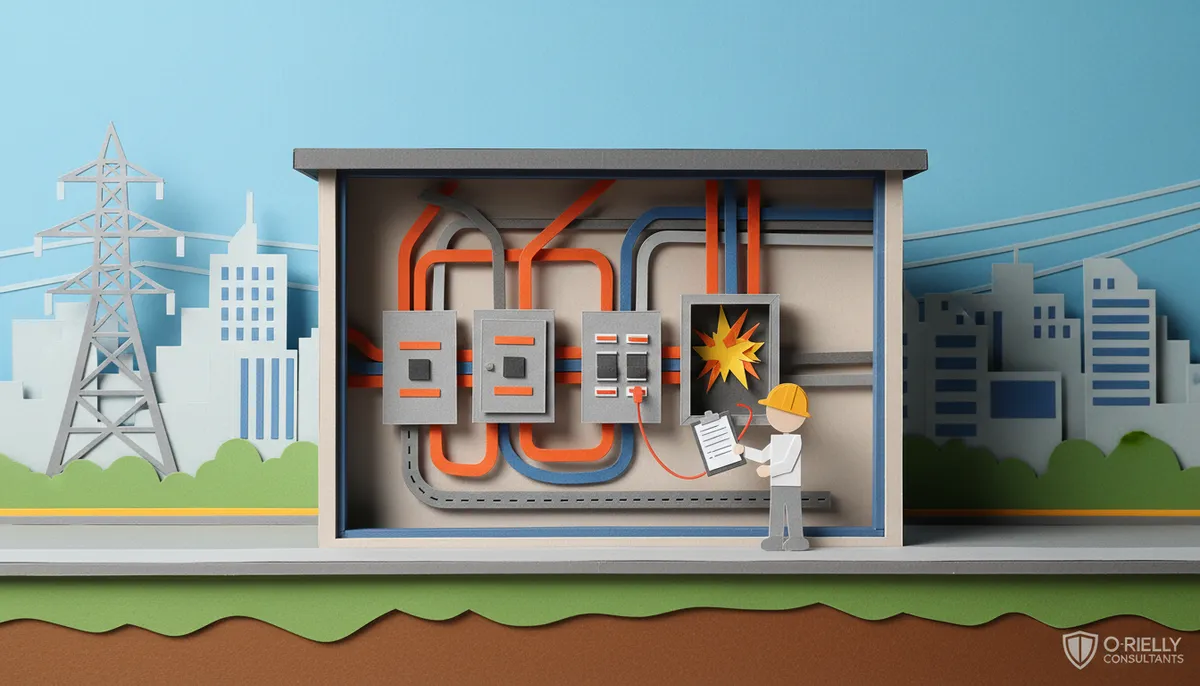
Infrared thermography is a powerful tool. It detects heat patterns that reveal electrical faults invisible to the naked eye. For larger commercial buildings with high electrical loads, this technology is required — not optional.
Who Can Perform a Commercial Building Inspection?
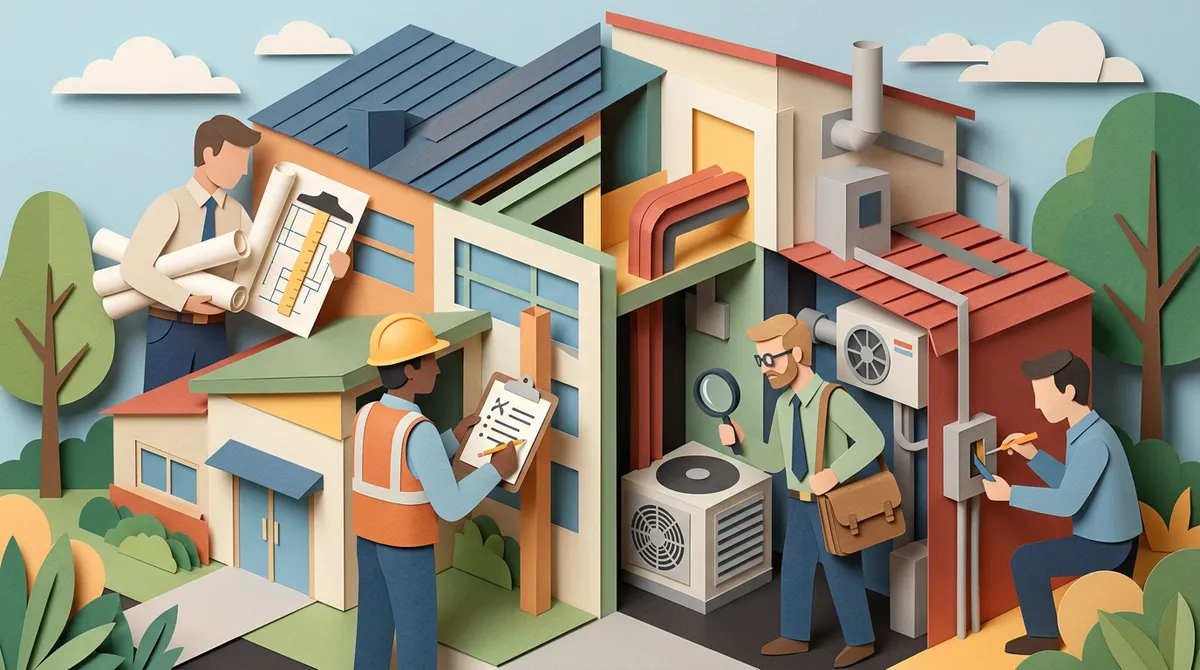
Florida law is specific about who qualifies to perform these inspections. The requirements depend on the size and type of your building.
-
Buildings three stories or less: Any Florida-licensed architect or structural engineer can perform the inspection.
-
Threshold buildings (over three stories, taller than 50 feet, or large assembly spaces): Both a licensed structural engineer and a licensed electrical engineer must be involved.
-
Electrical components: Must always be evaluated by a licensed electrical engineer regardless of building height.
Working with a qualified team matters enormously. At O’Reilly Consultants, inspections are led by owner and qualifying architect Sherard O’Reilly, supported by Construction Manager and Engineer Catalina Torres with 27 years of civil engineering experience, and Project Engineer Rafael Ojeda with over 16 years in environmental due diligence. That depth of expertise means you get assessments that go beyond the basics.

How Much Does a Commercial Building Inspection Cost?
Budgeting for a recertification inspection is important. Costs vary based on building size, age, and complexity. Here’s a general breakdown to help you plan:
|
Service |
Estimated Cost Range |
|---|---|
|
Engineering Structural Assessment |
$8,000 – $20,000 |
|
Electrical System Evaluation |
$3,500 – $10,000 |
|
Specialized Testing (e.g., infrared thermography) |
$5,000 – $15,000 |
|
County Filing Fees |
$500 – $1,000 |
These are estimates and actual costs depend on your specific building. The important thing to remember is that investing in a thorough inspection now is far less expensive than dealing with failed recertification, code violations, or emergency repairs later.
Advanced Technology That Makes Inspections Better
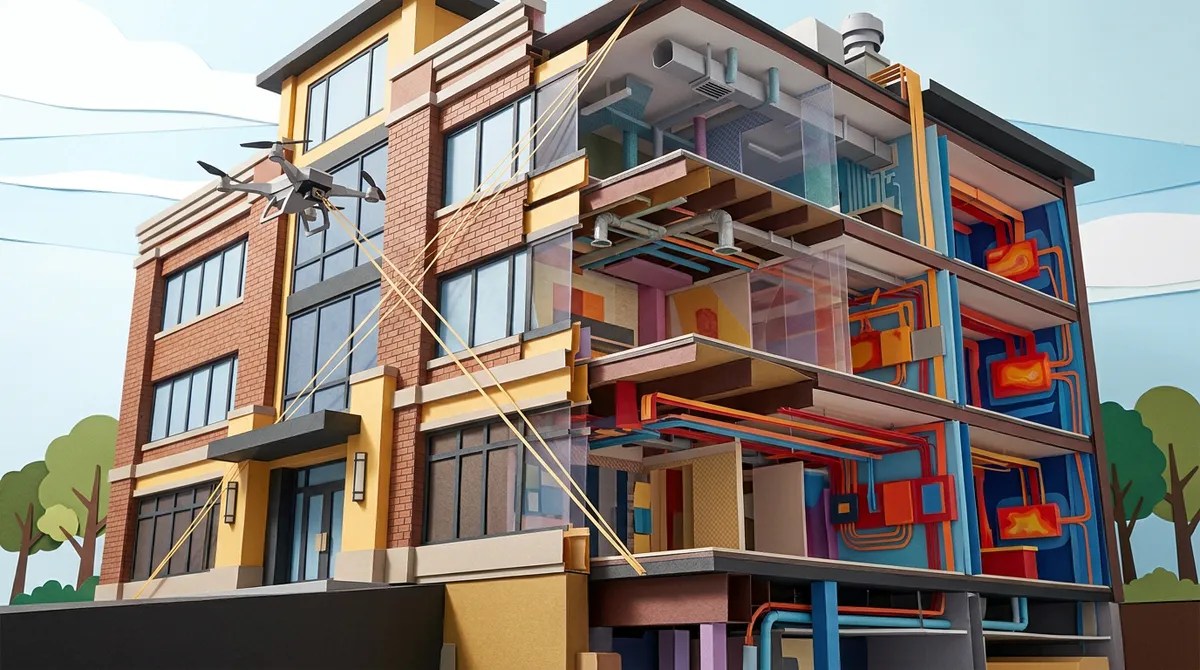
Modern commercial building inspections benefit greatly from advanced tools. Traditional visual inspections alone can miss hidden problems. That’s why using technology like drones and 3D laser scanning makes a real difference.
Drone Inspections
-
Access hard-to-reach roof areas and upper facades safely
-
Capture high-resolution imagery of the entire building exterior
-
Identify surface deterioration, cracks, and moisture intrusion signs
-
Reduce inspection time and improve accuracy
3D Laser Scanning
-
Create precise digital models of structural elements
-
Detect subtle deformations or settlement patterns
-
Provide detailed documentation for county submissions
-
Support future repair planning with accurate measurements
These tools aren’t just impressive — they’re practical. They help inspectors catch issues early, produce better reports, and give property owners clearer, more actionable information. This is part of what makes a thorough 40-year recertification inspection so valuable when done right.
What Happens If Your Building Fails Inspection?
Failing a commercial building inspection doesn’t mean your building gets condemned overnight. But it does trigger a series of required actions that must happen quickly.
-
Receive the deficiency report: The inspector documents every issue found and submits findings to the county.
-
Plan your repairs: Work with licensed contractors and engineers to address all identified deficiencies.
-
Pull permits: Most repairs require permits. Unpermitted work can lead to additional violations.
-
Complete repairs within the deadline: Typically 60 days from receiving the deficiency notice.
-
Submit documentation: File completed repair reports with the county to close out the recertification process.
Ignoring deficiencies is not an option. Buildings with unresolved safety issues can face escalating fines and, in serious cases, evacuation orders. The good news is that working with an experienced inspection team helps you navigate this process smoothly and avoid unnecessary delays.
The Difference Between Local Recertification and Statewide Milestone Inspections
This is a common point of confusion. Florida’s statewide milestone inspection law focuses primarily on condominium and cooperative buildings. It was created in response to high-profile structural tragedies and sets statewide standards for multi-story residential buildings.
Local recertification programs in Miami-Dade and Broward, however, apply to a broader range of properties — including commercial buildings like offices, retail plazas, hotels, and industrial facilities. These programs require both structural and electrical evaluations, which makes them more comprehensive in scope for commercial properties.
Understanding which rules apply to your specific property type is critical. A qualified inspection team can clarify exactly what your building needs and ensure nothing gets missed. You can also explore the importance of 40-year building recertification for property longevity to understand the bigger picture.
Why Getting This Right Matters for Your Investment
For real estate investors and commercial property owners, recertification compliance directly affects your bottom line. Here’s why staying on top of commercial building inspections is smart business:
-
Protects property value and market appeal
-
Supports insurance renewals and policy requirements
-
Facilitates smooth property sales and refinancing
-
Demonstrates due diligence to tenants and stakeholders
-
Reduces liability exposure from safety incidents
A well-documented recertification history is a genuine asset. Buyers, lenders, and insurers all want to know that a building has been properly maintained and regularly evaluated. Skipping or delaying inspections can create major obstacles exactly when you need things to move quickly. If you’d like to connect with the team, visit O’Reilly Consultants on Google to read reviews from property owners just like you.
Services Beyond the Basic Inspection
A full-service commercial building inspection experience doesn’t stop at the structural and electrical evaluation. Depending on your property and goals, you may also benefit from related services:
-
Structural Integrity Reserve Studies (SIRS): Required for many condominium associations to plan for future repairs.
-
Property Condition Assessments (PCA): ASTM E2018-compliant evaluations for due diligence during acquisitions or refinancing.
-
HOA Reserve Studies: Help associations budget responsibly for long-term maintenance needs.
-
Environmental Inspections: Phase I Environmental Site Assessments and related due diligence services.
-
Illumination Safety Inspections: Ensuring lighting systems meet safety codes throughout the property.
Having access to all these services under one specialized team simplifies your compliance journey significantly. You won’t need to coordinate multiple vendors or worry about gaps in your documentation.
Ready to Schedule Your Commercial Building Inspection?
Staying ahead of your recertification requirements isn’t just about avoiding penalties — it’s about protecting your property, your tenants, and your investment for years to come. The process doesn’t have to be stressful when you work with the right team.
O’Reilly Consultants brings deep expertise, advanced inspection technology, and a friendly, hands-on approach to every commercial building inspection in Broward and Miami-Dade Counties. From your first county notice to your final compliance submission, you’ll have a knowledgeable team guiding you every step of the way. We’d love to help you get started — reach out to request your free consultation today, or simply give us a call at (512) 567-1191 to speak with someone right away.
FAQs
Q: When is a commercial building inspection required in Miami-Dade County?
A: In Miami-Dade County, commercial buildings built in 1993 or later must undergo their first recertification inspection at 30 years old, then every 10 years after that. Coastal buildings may have earlier timelines starting at 25 years. Once you receive your county notice, you have 90 days to complete the inspection — so it’s best to get started right away!
Q: What structural components are checked during a commercial building inspection for recertification?
A: Inspectors evaluate foundations, load-bearing walls, roofs, exterior facades, balconies, stairways, and parking structures. They also review historical building documents and look for any unpermitted work that could affect safety. It’s a thorough process designed to catch both visible issues and hidden problems before they become serious hazards.
Q: Do commercial buildings need an electrical inspection for recertification?
A: Yes — electrical inspections are a required part of the commercial building recertification process. For buildings with electrical services of 400 amps or greater, infrared thermography is also required to detect hidden faults. This ensures the building’s electrical systems are safe and up to current code standards.
Q: What happens if a commercial building fails its recertification inspection?
A: If deficiencies are found, you’ll receive a report detailing all issues and typically have 60 days to complete repairs with proper permits. Once repairs are done, documentation must be submitted to the county to close out the process. The key is acting quickly — delays can lead to escalating fines or, in serious cases, evacuation orders.
Q: How much does a commercial building inspection for recertification cost?
A: Costs vary depending on your building’s size and complexity, but generally you can expect to pay $8,000–$20,000 for a structural engineering assessment and $3,500–$10,000 for an electrical evaluation. Specialized testing like infrared thermography can add $5,000–$15,000, plus county filing fees of $500–$1,000. Think of it as a worthwhile investment that protects your property’s long-term value!