Key Takeaways
-
You have exactly 90 days from receiving the certified notification letter to submit your completed Building Safety Inspection Certification, or face fines, penalties, and potential occupancy restrictions.
-
Infrared thermography is the required method to detect electrical hazards—it uses thermal imaging to identify overheating panels, loose connections, and failing components invisible to the naked eye.
-
Only Level 2 certified electrical contractors can perform the inspection, and a Florida-licensed Professional Engineer or Registered Architect must sign and seal the final report for it to be accepted.
-
All inspection reports must be submitted electronically through Broward County's ProjectDox system after obtaining a project number—paper submissions are not accepted.
-
Once approved, your Building Safety Inspection Certification is valid for 10 years; after that, your building will require a 50-year recertification following the same process.
-
Sunrise's existing BSIP program largely meets or exceeds Florida's Senate Bill 4-D requirements, so most property owners won't face significant new regulatory changes to their inspection schedule.
If you own or manage a building in Sunrise, FL, you may have recently received a certified letter from the Sunrise Building Department. That letter is your official notice that your property is due for recertification. And one of the most important parts of that process? The electrical safety inspection. Whether you’re a condo board member, a commercial property owner, or a real estate investment firm managing aging assets, understanding how Sunrise electrical safety inspections work can save you from costly fines, delays, and headaches. This guide breaks down everything you need to know in plain, simple terms — so you can stay compliant, keep residents safe, and move through the process with confidence. Let’s dig in.
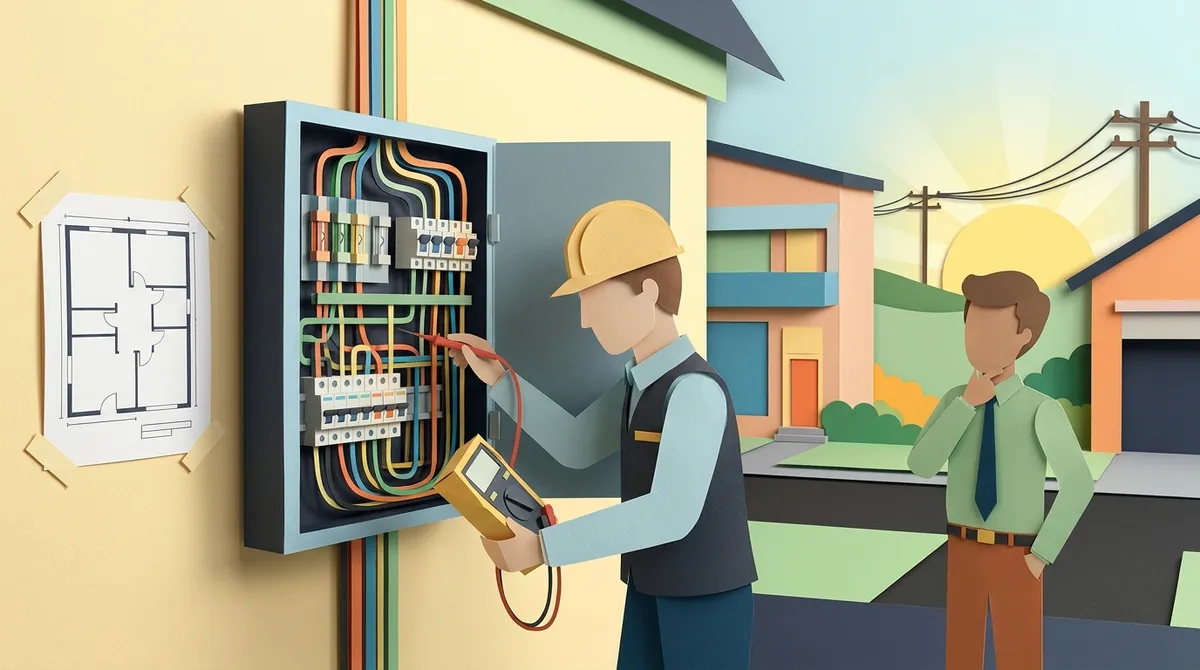
What Are Sunrise Electrical Safety Inspections?
Sunrise electrical safety inspections are a required part of the city’s 40/50-Year Building Safety Inspection Program (BSIP). This program applies to commercial and industrial buildings that are 40 years or older and measure 3,500 square feet or more. The goal is simple: make sure the building’s electrical systems are safe for occupancy. Think of it like a health check for your building’s wiring, panels, and electrical infrastructure. You can learn more about how this fits into the broader recertification process with our guide on 40 Year Recertification.
These inspections are not about bringing your building up to today’s newest electrical code. Instead, they focus on identifying hazards — things like overheating panels, faulty wiring, or electrical components that could cause a fire or shock. For property owners in Broward County, this distinction matters a lot. You won’t be penalized for not having the latest code upgrades, but you will be held accountable for unsafe conditions. For additional context, the Miami-Dade County Recertification program follows a similar framework and is a great reference point.
5 Key Facts About Sunrise Electrical Safety Inspections
1. Your Building Has a 90-Day Compliance Window
Once the Sunrise Building Department sends your certified notification letter, the clock starts ticking. You have 90 days to submit your completed Building Safety Inspection Certification. That includes both the structural and electrical components of the inspection. Missing this deadline can lead to fines and penalties — and in serious cases, even occupancy restrictions. So the moment that letter arrives, it’s time to act.
Here’s a quick look at the timeline most property owners follow:
- Receive certified notification letter from the Sunrise Building Department.
- Hire a qualified licensed professional to conduct your structural and electrical inspections.
- Complete all required inspections, including infrared thermography for electrical systems.
- Obtain a project number through Broward County’s ProjectDox system.
- Submit your signed and sealed certification report before the 90-day deadline.
Working with an experienced team from the start helps you avoid last-minute scrambles. Teams like O’Reilly Consultants guide you through every step of this process, from receiving the notice to submitting the final report.
2. Infrared Thermography Is the Gold Standard for Electrical Inspections
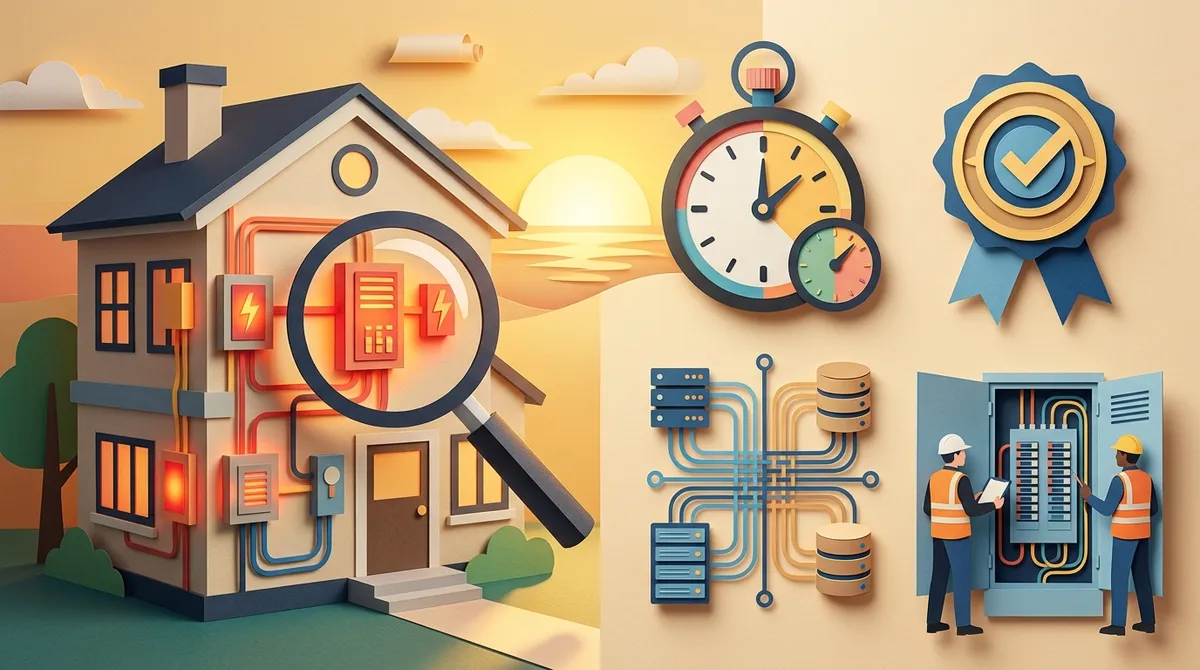
You might be wondering: how exactly do inspectors check if your electrical system is safe? The answer is infrared thermography. This technology uses thermal imaging cameras to detect heat signatures in electrical panels, wiring, and connections. Hot spots that the naked eye can’t see become clearly visible through infrared scanning. It’s a powerful, non-invasive method that gives inspectors a clear picture of where problems may be lurking.
Here’s what infrared thermography typically assesses during a Sunrise electrical safety inspection:
- Electrical panel heat levels and load distribution
- Overloaded or undersized circuit breakers
- Loose or corroded connections generating excess heat
- Service size and amperage adequacy
- Signs of arcing or imminent component failure
This method is required by Broward County’s BSIP guidelines and must be performed by a Level 2 certified electrical contractor. It’s one of the most reliable ways to catch problems before they become emergencies.
3. Only Qualified Professionals Can Perform and Certify These Inspections
Not just anyone can conduct a Sunrise electrical safety inspection. The rules are clear. The electrical portion must be performed by a Level 2 certified electrical contractor who is qualified to use infrared thermography equipment properly. On top of that, the final certification report must be signed and sealed by a Florida-licensed Professional Engineer (PE) or Registered Architect (RA). Without those credentials, your report won’t be accepted.
This is why choosing the right inspection team matters so much. A well-credentialed team brings both the technical know-how and the professional licensure needed to get your report accepted on the first submission. O’Reilly Consultants is led by qualifying architect Sherard O’Reilly, who brings deep expertise in building documentation and safety assessments — exactly the kind of leadership you want on your side during recertification. Visit us on Google to see what property owners across South Florida are saying about their experience.
4. Reports Must Be Submitted Electronically via ProjectDox
Once your inspection is complete and your report is signed and sealed, the next step is submission. In Sunrise, all BSIP reports must be submitted electronically through Broward County’s ProjectDox system. Before you can upload your documents, you’ll need to obtain a project number through the system. This is a step that catches many property owners off guard, especially if they’re going through recertification for the first time.
Here’s what you’ll typically need to submit through ProjectDox:
- Signed and sealed electrical inspection report
- Signed and sealed structural inspection report
- Infrared thermography results and documentation
- Any contractor repair records if deficiencies were found
- The completed Building Safety Inspection Certification form
Getting this right the first time saves you from delays and potential penalties. If you’re unsure about the submission process, you can also search Miami-Dade Building Recertification Cases to understand how neighboring county submissions are structured — the process is similar and offers helpful context. Having an experienced team manage the paperwork on your behalf is one of the best ways to avoid costly errors.
5. Certification Is Valid for 10 Years — Then the 50-Year Inspection Kicks In
Here’s the good news: once your 40-year recertification is approved, you’re set for a full decade. Your Building Safety Inspection Certification is valid for 10 years. After that, your building will be due for the 50-year recertification — which follows a similar process. Keeping this schedule in mind helps you plan ahead and budget for future inspections without being caught off guard.
Understanding the long-term value of this process is important. To learn more, check out our detailed resource on The Importance Of 40 Year Building Recertification For Property Longevity. Planning now means fewer surprises later.
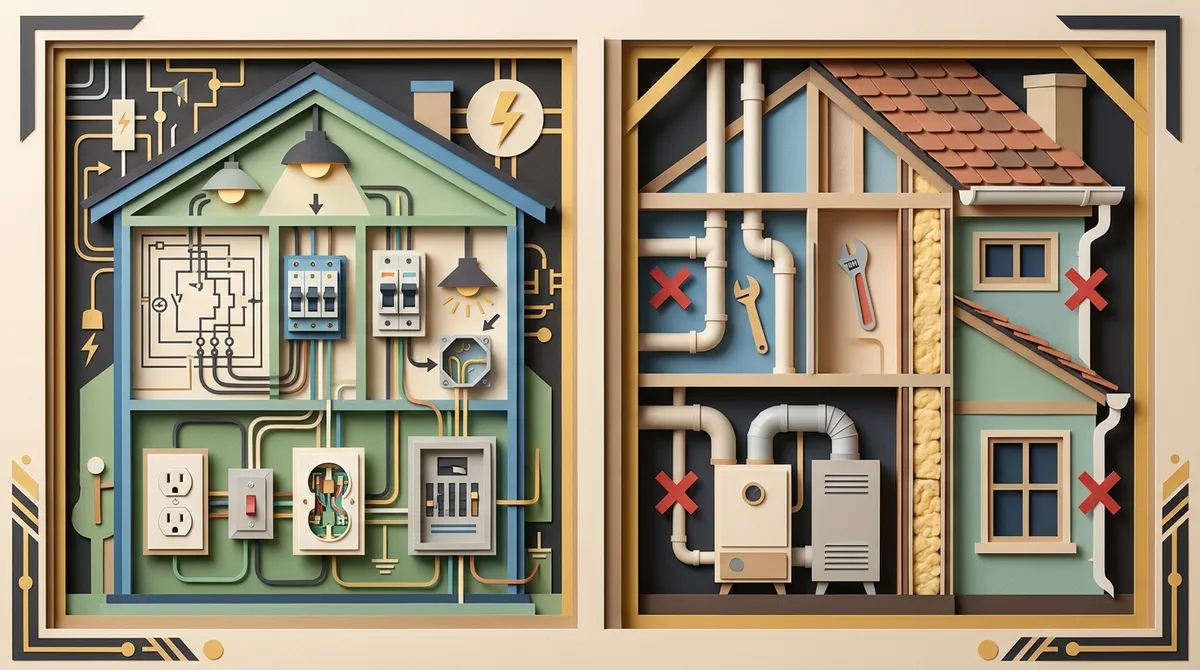
Quick Comparison: What Sunrise Electrical Inspections Do and Don’t Cover
| What’s Included | What’s NOT Included |
|---|---|
| Heat hazard detection via infrared thermography | Full code compliance upgrades |
| Electrical panel and service size assessment | Complete rewiring unless safety-critical |
| Identification of overloaded circuits | New electrical installations or upgrades |
| Safety for current occupancy verification | Cosmetic or non-safety-related changes |
| Certification report signed by a licensed PE or RA | Voluntary improvements beyond safety scope |

Who Needs to Pay Attention to This?
Sunrise electrical safety inspections affect a wide range of property stakeholders. Here’s a quick breakdown of who should be paying close attention:
- Condo Association Boards: Your residents depend on you to keep the building safe and compliant. Missing the recertification deadline can expose the board to legal liability.
- Commercial Property Owners: Office towers, retail plazas, and industrial buildings all fall under BSIP requirements if they meet the age and size thresholds.
- HOA Property Managers: You’re often the first to receive the notification letter. Having a trusted inspection team on speed dial makes all the difference.
- Apartment Building Owners: Multi-family properties face the same electrical safety requirements. Non-compliance puts both tenants and your investment at risk.
- Real Estate Investment Firms: Recertification status directly affects property value, insurance eligibility, and your ability to sell or refinance aging assets.
No matter which category you fall into, the message is the same: don’t wait until the deadline is looming. Start the process early and work with a qualified team that knows the Broward County system inside and out.
What Happens If Deficiencies Are Found?
Finding issues during a Sunrise electrical safety inspection isn’t the end of the world — it’s actually the whole point of the process. When inspectors identify deficiencies, you’ll receive a detailed report outlining what needs to be addressed. Common findings include overloaded panels, corroded connections, or undersized service capacity. You’ll then need to hire a licensed electrical contractor to make the necessary repairs.
Here’s the general repair and re-inspection process:
- Review the deficiency report with your inspection team.
- Hire a licensed electrical contractor to complete all required repairs.
- Obtain documentation of completed repairs from the contractor.
- Schedule a follow-up inspection to confirm all issues have been resolved.
- Submit the updated certification report through ProjectDox.
It’s also worth noting that structural issues sometimes go hand-in-hand with electrical problems in older buildings. You can read more about what to watch for in aging structures in our resource on Understanding Foundation Cracks And Hairline Cracks In Commercial Buildings.
How Senate Bill 4-D May Affect Your Schedule
Florida’s Senate Bill 4-D introduced statewide updates to building inspection and recertification requirements following high-profile building safety events. For most Sunrise property owners, the good news is that Sunrise’s existing BSIP largely meets or exceeds these new state-level requirements. However, it’s worth confirming with a licensed professional whether any recent legislative updates affect your specific property’s inspection schedule or scope.
Staying informed about regulatory changes is part of what makes working with a specialized team so valuable. A knowledgeable consulting firm tracks these updates so you don’t have to.
Choosing the Right Team for Your Sunrise Electrical Inspection
When it comes to Sunrise electrical safety inspections, experience and credentials are everything. You want a team that understands Broward County’s specific submission requirements, uses advanced inspection technology, and can deliver signed and sealed reports that get approved on the first try. Look for teams that offer:
- Licensed Professional Engineers or Registered Architects on staff
- Level 2 certified electrical contractors for infrared thermography
- Experience with Broward County’s ProjectDox submission system
- A track record with commercial, residential, and industrial properties
- Advanced tools like drones and 3D laser scanning for comprehensive assessments
O’Reilly Consultants checks every one of those boxes. With a team that includes 27 years of civil engineering experience and over 1,000 environmental site assessments completed across South Florida, you’re in capable hands from the first inspection to the final submission.
Conclusion
Sunrise electrical safety inspections are a critical step in keeping your building safe, compliant, and valuable. From the 90-day deadline to infrared thermography requirements and ProjectDox submissions, there’s a lot to navigate — but you don’t have to do it alone. Whether your building is approaching its 40-year mark or you’ve already received your notification letter, the time to act is now. Don’t let the deadline sneak up on you. Request a free consultation with our team today and let’s get your building on the path to full compliance with confidence and ease.
FAQs
Q: What buildings in Sunrise require a 40-year electrical safety inspection?
A: Great question! In Sunrise, FL, commercial and industrial buildings that are 40 years or older and 3,500 square feet or more are required to undergo the 40-year Building Safety Inspection Program, which includes an electrical safety inspection. If your building meets both the age and size thresholds, you’ll receive a certified notification letter from the Sunrise Building Department.
Q: How does infrared thermography work during an electrical inspection?
A: Infrared thermography uses a specialized thermal imaging camera to detect heat signatures in electrical panels, wiring, and connections. Hot spots that indicate overloaded circuits, loose connections, or failing components show up clearly on the thermal scan — even when they’re invisible to the naked eye. It’s a non-invasive, highly accurate way to identify electrical hazards before they become serious problems.
Q: What happens if I miss the 90-day deadline for my Sunrise recertification?
A: Missing the 90-day compliance window can result in fines and penalties from the Sunrise Building Department — and in more serious cases, occupancy restrictions for your building. The good news is that if you act quickly and work with a qualified inspection team, you can often get back on track before things escalate. Don’t wait — reach out to a licensed professional as soon as you receive your notification letter.
Q: Are Sunrise electrical inspections affected by Florida’s Senate Bill 4-D?
A: Sunrise’s existing Building Safety Inspection Program (BSIP) largely meets or exceeds the requirements introduced by Florida’s Senate Bill 4-D, so most property owners won’t see dramatic changes. That said, it’s always a smart idea to confirm with a licensed Professional Engineer or Registered Architect whether any recent updates affect your specific property’s inspection schedule or scope.
Q: How long is a Sunrise building safety inspection certification valid?
A: Once your 40-year recertification is approved, your Building Safety Inspection Certification is valid for 10 full years — nice, right? After that period, your building will be due for the 50-year recertification, which follows a very similar process. Planning ahead for that next cycle helps you budget wisely and avoid any last-minute surprises.