

Key Takeaways
-
SIRS is mandatory for all condominium and cooperative buildings three stories or taller in Deerfield Beach, with an initial deadline of December 31, 2024, and non-waivable by boards under Florida law.
-
SIRS reserves must be fully funded and separate from traditional reserves, covering structural and life-safety components exceeding $10,000, with updates required every 10 years.
-
Deerfield Beach coastal properties face accelerated structural wear from salt-air corrosion, humidity, and hurricane exposure, making SIRS compliance especially critical for long-term safety and insurance requirements.
-
A licensed engineer or architect must conduct SIRS, visually inspecting key components including roof systems, load-bearing walls, foundations, waterproofing, plumbing, and electrical systems.
-
SIRS provides engineering data that supports 40-year building recertification requirements in Broward County, helping associations demonstrate documented understanding of structural conditions and funded maintenance plans.
-
Missing the SIRS deadline risks escalating legal and financial penalties, but completing assessments now demonstrates good-faith compliance and protects communities from long-term safety and financial instability.
If you own or manage a condominium or cooperative building in Deerfield Beach, you’ve likely heard about Structural Integrity Reserve Studies — or SIRS. Since the tragic Surfside collapse in 2021, Florida has made sweeping changes to how multi-story buildings are managed and funded. One of the most important changes is the requirement for SIRS. These studies are now mandatory for condominium and cooperative buildings three stories or taller across the state, including right here in Deerfield Beach, Broward County. Whether you’re a condo board member, HOA property manager, or building owner, understanding SIRS is essential for staying compliant, keeping residents safe, and avoiding costly penalties. Let’s break it all down in plain, simple terms so you know exactly what’s required and how to move forward with confidence.
What Is a Structural Integrity Reserve Study (SIRS)?
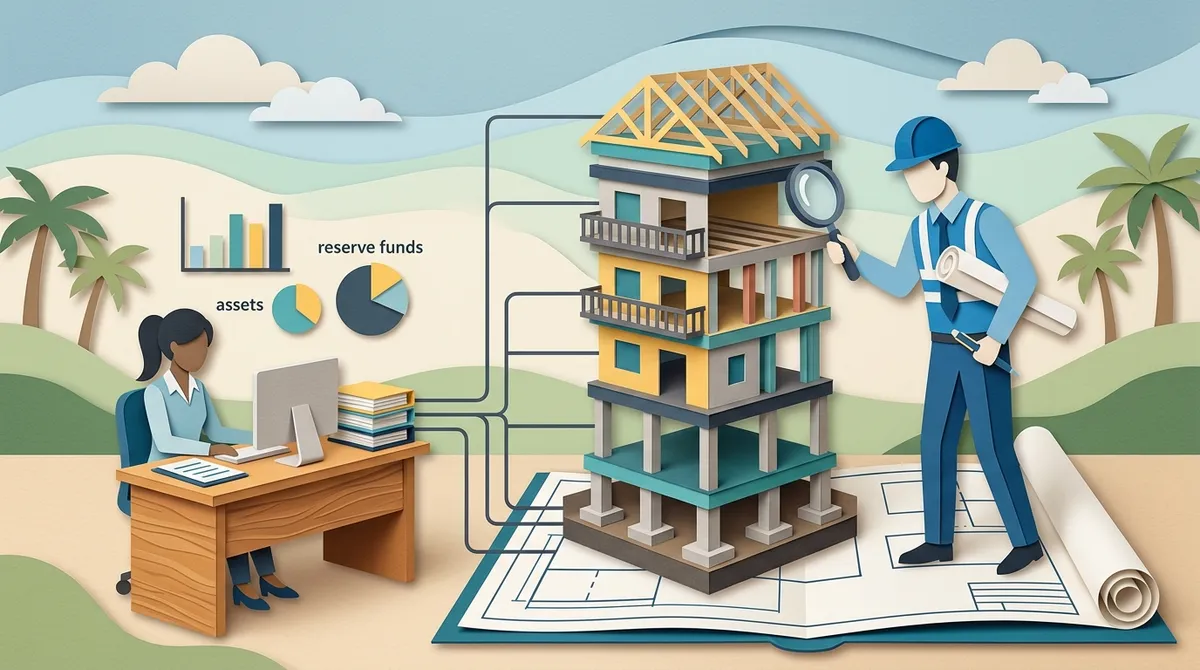
A Structural Integrity Reserve Study is a detailed evaluation of a building’s key structural components. It goes beyond a standard inspection. A licensed engineer or architect visually inspects the building and then estimates the cost to maintain, repair, or replace critical elements over time. The goal is to make sure enough money is set aside in reserve funds to cover those future costs.
SIRS was introduced through Florida Senate Bill 4-D in 2022, following the Champlain Towers South collapse in Surfside. The law was later refined by Senate Bill 154 in 2023. These laws put strict requirements on condo associations and co-ops to fund reserves for structural safety — and those reserves cannot be waived by the board. This is a major difference from older reserve study rules.
For Deerfield Beach waterfront condos and HOAs, understanding SIRS is especially important. Coastal properties face unique challenges like salt-air corrosion, humidity, and hurricane exposure. These factors can speed up structural wear significantly. You can learn more about why structural assessments matter by reading about the importance of 40-year building recertification for property longevity.

Who Is Required to Complete a SIRS in Florida?
Florida law requires SIRS for condominium and cooperative buildings that are three stories or higher. This applies statewide, including all communities in Deerfield Beach. If your building meets this height requirement, your association must complete a SIRS — no exceptions.
Here is a quick overview of who the requirement applies to:
- Condominium associations with buildings three stories or taller
- Cooperative associations with buildings three stories or taller
- Newly turned-over associations (required at developer turnover under Florida Statute 718.301(4))
- Existing associations that were in operation on or before July 1, 2022
It is important to note that SIRS applies under Chapter 718 of Florida Statutes for condominiums and Chapter 719 for cooperatives. If you manage an HOA that does not fall under these chapters, different rules may apply. However, if your community includes multi-story condo buildings, SIRS requirements are likely relevant to you.

Key SIRS Deadlines You Need to Know
Missing a SIRS deadline can result in serious legal and financial consequences for your association. Here are the critical dates and timelines to keep in mind:
- Initial SIRS Deadline: December 31, 2024, for associations that existed on or before July 1, 2022.
- Update Frequency: Every 10 years after the initial study is completed.
- Developer Turnover: A SIRS must be provided at the time of developer turnover under Senate Bill 154 (2023).
If your association has already missed the December 31, 2024, deadline, it is not too late to act. Getting your SIRS completed now protects your community from escalating penalties and helps demonstrate good faith compliance. Reach out to schedule your assessment today and get back on track quickly.

What Building Components Does a SIRS Cover?
A SIRS focuses on the structural and life-safety elements of a building. Unlike a general reserve study that might cover cosmetic items like paint or landscaping, SIRS zeroes in on the components that keep the building standing safely.
Under Florida law, a SIRS must cover any component with a deferred maintenance or replacement cost exceeding $10,000. Here are the major items typically included:
- Roof coverings and roofing systems
- Load-bearing walls and primary structural members
- Floors and floor support systems
- Foundation systems
- Fireproofing and fire protection systems
- Plumbing systems
- Electrical systems
- Waterproofing and exterior painting
- Windows and exterior doors
- Balconies, balcony railings, and catwalks
Each of these components is visually inspected by a licensed professional. The engineer or architect then provides a life-expectancy estimate and a cost projection for future maintenance or replacement. This data feeds directly into the reserve funding plan. You can also explore how foundation cracks in commercial buildings are assessed and addressed as part of a thorough structural evaluation.
How SIRS Differs from a Traditional Reserve Study
Many condo boards are familiar with traditional reserve studies. A SIRS is related but different in some very important ways. Understanding those differences helps you stay fully compliant.
| Feature | Traditional Reserve Study | Structural Integrity Reserve Study (SIRS) |
|---|---|---|
| Focus | General building components | Structural and life-safety components |
| Waivable by Board? | Yes, in many cases | No — waivers are prohibited by law |
| Who Conducts It? | Reserve specialists or engineers | Licensed engineer or architect only |
| Funding Requirement | Flexible based on board decisions | Full funding required for SIRS items over $10,000 |
| Florida Mandate? | No statutory mandate for full funding | Yes — mandated by Florida law post-Surfside |
| Update Frequency | Varies | Every 10 years |
The biggest difference is that SIRS reserves are non-waivable. Boards cannot vote to underfund or skip reserves for SIRS-covered items. This protects residents and future buyers from inheriting a financially underprepared building.
The Two Funding Plans in a SIRS
Florida law requires associations to maintain two separate reserve funding plans. This is a unique feature of SIRS compliance that every board member and property manager should understand.
- SIRS Funding Plan: This covers all the structural and life-safety components identified in the SIRS. Funding for these items is mandatory and cannot be waived or reduced by the board.
- Non-SIRS Funding Plan: This covers other building components that are not part of the SIRS but still require ongoing maintenance. Boards have more flexibility here regarding funding decisions.
Keeping these two plans separate helps ensure that safety-critical reserves are always fully funded, while giving boards reasonable flexibility for lower-priority items. Working with experienced professionals makes setting up these plans much easier and ensures nothing important is missed.
Why SIRS Matters for Deerfield Beach Buildings
Deerfield Beach is a vibrant coastal community with a large number of high-rise condos and waterfront properties. These buildings face specific environmental challenges that make SIRS even more critical.
Here is why SIRS is especially relevant for Deerfield Beach property owners and managers:
- Coastal corrosion: Salt air accelerates the deterioration of steel, concrete, and other building materials.
- Hurricane exposure: Broward County properties must withstand high wind loads, making roof and structural integrity essential.
- Humidity and moisture: Florida’s climate promotes mold, waterproofing failures, and plumbing corrosion.
- Aging building stock: Many Deerfield Beach condos were built in the 1970s and 1980s and are approaching critical maintenance milestones.
- Insurance requirements: Lenders and insurers increasingly require SIRS documentation to issue policies or approve loans.
Completing a SIRS is not just about legal compliance. It’s about protecting the people who live in your building and preserving the long-term value of your property. For Deerfield Beach condo boards, staying ahead of this requirement is one of the smartest moves you can make in 2026.
You can also check the Miami-Dade County Recertification portal for guidance on related regional building safety requirements that complement your SIRS compliance efforts. Additionally, search Miami-Dade Building Recertification Cases to see how neighboring jurisdictions handle structural compliance — it gives helpful context for Broward County requirements as well.
How SIRS Supports Building Recertification in Broward County
In Broward County, buildings 40 years or older are subject to mandatory recertification inspections. SIRS and building recertification are closely related but serve different purposes. SIRS focuses on long-term reserve funding for structural safety. Building recertification is a current-condition inspection that ensures the building is safe right now.
That said, the two processes complement each other beautifully. A thorough SIRS provides engineering data that can support your recertification submission. It shows county officials that your association has a professional, documented understanding of the building’s structural condition and a funded plan to address future needs.
If you need help navigating your 40-year recertification alongside your SIRS, working with a team that understands both processes saves you time, money, and stress. O’Reilly Consultants specializes in exactly this combination of services for Broward and Miami-Dade County properties.
How O’Reilly Consultants Helps with SIRS in Deerfield Beach
O’Reilly Consultants is a highly specialized engineering team serving Broward and Miami-Dade Counties. The team is led by owner and qualifying architect Sherard O’Reilly, who brings deep expertise in ASTM E2018 property condition assessments and detailed building documentation. The team also includes Construction Manager and Engineer Catalina Torres with 27 years of civil engineering experience, and Project Engineer Rafael Ojeda with 16+ years in environmental due diligence.
Here is what makes working with O’Reilly Consultants a smart choice for your Deerfield Beach SIRS needs:
- Advanced tools including drones and 3D laser scanning for thorough, accurate evaluations
- Detailed reports with clear, actionable recommendations
- Full guidance from the initial inspection notice through final documentation submission
- Services for condos, apartments, offices, HOAs, and commercial buildings
- Combined expertise in SIRS, building recertification, property condition assessments, and HOA reserve studies
You can visit O’Reilly Consultants on Google to read reviews from property managers and condo boards who have already experienced the difference that expert guidance makes.
Steps to Complete Your SIRS in Deerfield Beach
Ready to get started? Here is a simple step-by-step process for completing your SIRS:
- Confirm eligibility: Verify that your building is three stories or higher and falls under Chapter 718 or 719 of Florida Statutes.
- Hire a licensed professional: Engage a Florida-licensed engineer or architect experienced in structural assessments and SIRS compliance.
- Schedule the visual inspection: The engineer inspects all covered structural and life-safety components of the building.
- Receive the SIRS report: The report includes life-expectancy estimates and projected replacement costs for each covered component.
- Develop your funding plans: Work with your association’s financial advisor to set up the required SIRS and non-SIRS reserve funding plans.
- Update your budget: Adjust your association’s annual budget to reflect the new reserve funding requirements.
- Schedule updates every 10 years: Set a reminder to repeat the process within a decade to stay compliant.
Taking these steps now gives your community a clear path to long-term safety and financial stability. Don’t wait — the sooner your SIRS is complete, the sooner your association is fully protected. For expert help with every step of the process, call the O’Reilly Consultants team directly to discuss your building’s specific needs.
Conclusion
Deerfield Beach Structural Integrity Reserve Studies (SIRS) are not just a legal checkbox — they are a vital tool for protecting your building, your residents, and your investment. Florida’s post-Surfside legislation has made these studies mandatory, non-waivable, and essential for any condominium or cooperative building three stories or taller. By completing your SIRS, you demonstrate responsible stewardship of your community and lay the financial groundwork for a safer future.
Whether you’re catching up on a missed deadline or planning ahead for your next 10-year update, the right engineering partner makes all the difference. O’Reilly Consultants combines deep local knowledge, advanced technology, and genuine care for South Florida communities to deliver SIRS and building recertification services that go above and beyond what the county requires.
Ready to get started? Request a free quote from O’Reilly Consultants and take the first step toward full SIRS compliance and lasting peace of mind for your Deerfield Beach property.
FAQs
Q: What is a Structural Integrity Reserve Study (SIRS) in Florida?
A: A SIRS is a mandatory evaluation of a building’s key structural components, conducted by a licensed engineer or architect. It estimates future maintenance and replacement costs so that condo and co-op associations can set aside the right amount of money in reserves — keeping the building safe and financially prepared for years to come!
Q: When was the first SIRS due for Deerfield Beach condos?
A: For associations that existed on or before July 1, 2022, the initial SIRS was due by December 31, 2024. If your association hasn’t completed one yet, don’t panic — getting it done now still demonstrates your commitment to compliance and resident safety, and the O’Reilly Consultants team is here to help you catch up quickly.
Q: Who can perform a SIRS in Broward County?
A: Florida law requires that a SIRS be performed by a licensed engineer or architect — not just any reserve specialist. In Broward County, working with a team that has hands-on experience with local building types, coastal conditions, and county-specific requirements makes the whole process smoother and more reliable.
Q: How does SIRS differ from a traditional reserve study?
A: The biggest difference is that SIRS reserves are non-waivable by law, meaning condo boards cannot vote to underfund or skip them. SIRS also focuses specifically on structural and life-safety components, while traditional reserve studies may cover cosmetic and general maintenance items with more board flexibility on funding decisions.
Q: How often must SIRS be updated for multi-story condos in Deerfield Beach?
A: Florida law requires SIRS to be updated every 10 years after the initial study is completed. Staying on top of this schedule ensures your association’s reserve funding remains accurate and that your building continues to meet all structural safety and compliance requirements — no last-minute scrambles needed!