Key Takeaways
-
Davie electrical safety inspections are mandatory under Broward County’s Building Safety Inspection Program with strict 180-day submission deadlines; missing deadlines results in fines, liens, or building closure declarations.
-
Only Florida-licensed Professional Engineers or Registered Architects can perform inspections and sign official reports; Threshold Buildings (3+ stories or 50+ feet) require certified Threshold Inspectors with additional credentials.
-
Inspection timelines vary by location: inland buildings must inspect at 30 years old, coastal buildings at 25 years old, then repeat every 10 years; pre-1992 buildings had a December 31, 2024 deadline.
-
Electrical inspection reports must include colored photographs, formal condition letter, occupancy safety statement, code compliance confirmation, and engineer’s signature/seal; missing elements delay certification.
-
Any repairs identified during inspection require building permits and a mandatory re-inspection by the original engineer to confirm completion; budget for these follow-up costs in your recertification timeline.
-
Florida’s 2026 legislation now authorizes private providers to conduct certain electrical inspections in Broward County with 3-business-day emergency completion requirements, potentially accelerating the recertification process.
If you own a building in Davie, Florida, electrical safety inspections are probably on your radar right now. Whether you manage a condo complex, an apartment building, or a commercial property, staying compliant with Broward County’s Building Safety Inspection Program (BSIP) is not optional. Missing a deadline or skipping an inspection can mean hefty fines, forced closures, or worse — an unsafe building for the people inside it.
The good news? Understanding Davie electrical safety inspections doesn’t have to be complicated. In this article, we break down everything you need to know — from who needs an inspection to what happens when repairs are required. Let’s make this process as smooth as possible for you.
What Are Davie Electrical Safety Inspections?
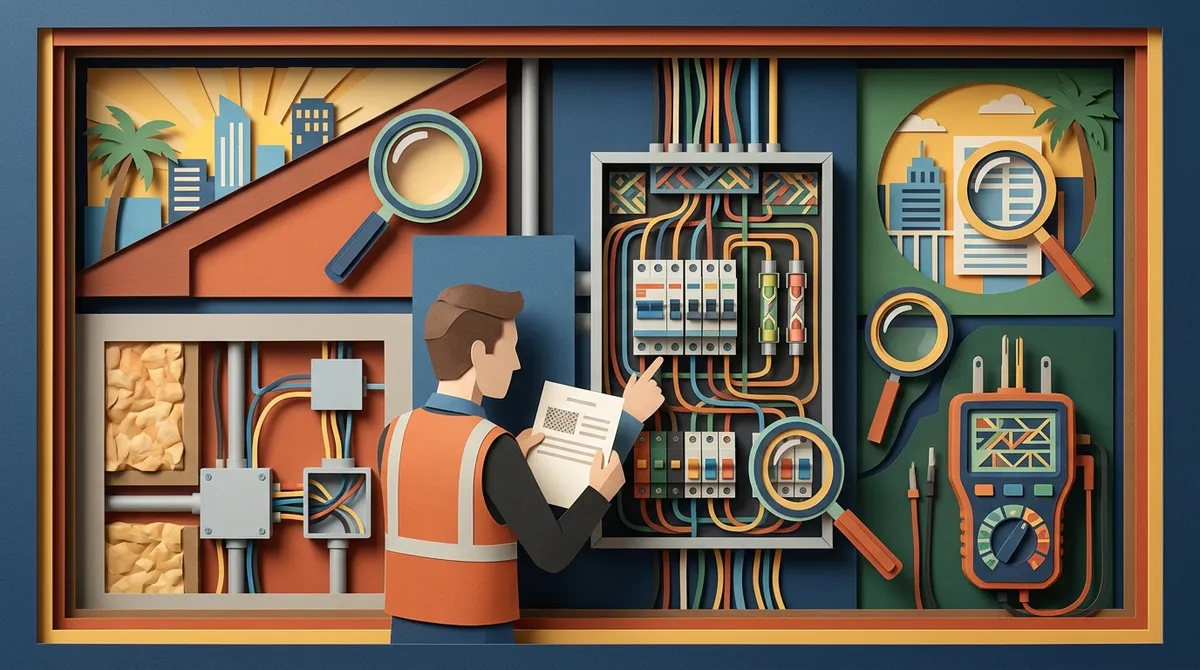
Davie electrical safety inspections are formal assessments of a building’s electrical systems. They are required under Florida’s Building Safety Inspection Program. These inspections evaluate whether your building’s electrical setup is safe for continued use under its current occupancy. Think of it as a health checkup — but for your building’s wiring and electrical infrastructure.
These inspections are part of the broader 40-year recertification process that Broward County requires for older buildings. They are not a one-time event. They repeat every 10 years after the initial milestone.

7 Key Facts You Need to Know
1. Not Every Building Has the Same Inspection Timeline
The timing of your first required inspection depends on your building’s age and location. Here’s how it breaks down:
- Inland buildings (more than 3 miles from the coast) must have their first inspection at 30 years of age.
- Coastal buildings within 3 miles of the shoreline must inspect at 25 years of age.
- After the first inspection, every building must repeat the process every 10 years.
- Pre-1992 buildings had a deadline of December 31, 2024, for initial milestone inspections.
If you’re unsure where your property falls, check with Broward County directly or reach out to a licensed professional who specializes in building recertification.
2. Only Licensed Professionals Can Perform the Inspection
This is not a DIY job. Davie’s Building Safety Inspection Program requires that all electrical safety inspection reports be signed and sealed by a Florida-licensed Professional Engineer or a Registered Architect. Reports must use official Broward County forms.
This matters because your report carries legal weight. A signed and sealed report from a qualified professional gives the county confidence that the assessment was thorough and accurate. For expert guidance through this process, teams like O’Reilly Consultants bring years of specialized experience to every inspection.
3. Threshold Buildings Have Special Requirements
If your building is more than 3 stories tall, exceeds 50 feet in height, or includes large assembly occupancies, it is classified as a Threshold Building. These properties require inspections performed by certified Threshold Inspectors — professionals with additional credentials and training.
This applies to many commercial property owners and condo association boards managing high-rise buildings. Don’t assume a standard inspector will suffice. Always confirm your building’s classification before scheduling your inspection.
4. Your Report Must Include Specific Documentation
A Davie electrical safety inspection report is not just a checklist. It must include detailed documentation to be accepted by the county. Here’s what the report needs to contain:
- Colored photographs of the electrical systems and areas inspected.
- A formal letter describing the building’s overall condition.
- A statement confirming the building is safe (or not safe) for continued occupancy.
- Confirmation of compliance with the Florida Building Code and the National Electrical Code.
- The engineer’s or architect’s signature and official seal.
Missing any of these elements can delay your certification and lead to compliance issues. Work with your inspector early to make sure everything is in order before submission.
5. You Have 180 Days to Submit Your Report
Once you receive official notice from the Town of Davie, the clock starts ticking. Building owners have 180 days from that notice to submit their completed electrical safety inspection report. That might sound like plenty of time, but scheduling a licensed engineer, completing the inspection, and addressing any required repairs can take longer than expected.
Start the process as soon as you receive your notice. Don’t wait until the final weeks to scramble for a qualified inspector. You can also visit Davie’s Building Safety Inspection Program page for official timelines and guidance.
6. Repairs Require Permits — and a Re-Inspection
If the electrical safety inspection identifies problems, you can’t just fix them quietly and move on. Any repairs triggered by a BSIP inspection require building permits. Once repairs are complete, the original engineer or architect must return to conduct a re-inspection and confirm the work was done correctly.
This is an important detail for apartment building owners and HOA property managers. Budget for the possibility of follow-up work when planning your recertification timeline. Understanding the full scope of building recertification and property longevity can help you prepare for these scenarios.
7. Florida’s 2026 Legislation Is Changing the Landscape
Florida’s 2026 legislative session is bringing meaningful changes to how electrical system permitting and inspections work. Key updates include:
- Streamlined permitting for electrical systems such as solar panels and backup power systems.
- Private providers are now authorized to conduct certain electrical inspections in Broward County.
- Emergency inspections by private providers must be completed within 3 business days.
- Backup power systems up to 100 kWh aggregate storage capacity may qualify for permit exemptions in specific situations.
These changes may affect how quickly you can move through the recertification process in 2026. Staying current with these updates is one more reason to work with a knowledgeable team that monitors regulatory changes closely.

Quick Reference: Inspection Timeline at a Glance
| Building Type | First Inspection Required | Repeat Interval |
|---|---|---|
| Inland buildings (3+ miles from coast) | 30 years | Every 10 years |
| Coastal buildings (within 3 miles) | 25 years | Every 10 years |
| Threshold buildings (3+ stories or 50+ ft) | Per milestone above | Every 10 years (Threshold Inspector required) |
| Pre-1992 buildings | Deadline was December 31, 2024 | Every 10 years |

What Happens If You Miss the Deadline?
Non-compliance with Davie’s Building Safety Inspection Program is serious. The Town of Davie and Broward County have the authority to issue fines, place liens on properties, or even declare a building unsafe for occupancy. For real estate investment firms, this can also affect your ability to secure financing or insurance on the property.
If you’re managing a property portfolio, we strongly recommend keeping a compliance calendar for every building you own. You can also search Miami-Dade Building Recertification Cases to understand how neighboring counties handle compliance enforcement, since many standards are similar.
What Does the Electrical Inspection Actually Cover?
Many building owners wonder what inspectors actually look at during an electrical safety inspection. Here is a general overview of the areas reviewed:
- General condition of the electrical distribution system.
- Safety of panels, breakers, and main service equipment.
- Condition of wiring visible during the inspection.
- Lighting systems and emergency lighting components.
- Compliance with current electrical code standards.
- Any visible hazards that could pose a fire or safety risk.
The focus is on whether the building’s electrical system is safe for its current occupancy and use. It’s not necessarily a deep-dive renovation assessment, but it is thorough enough to catch issues that could put residents or tenants at risk.
For buildings that have also experienced structural concerns, it’s worth reviewing resources on foundation cracks and structural issues in commercial buildings to understand how structural and electrical assessments work together during recertification.
How to Prepare for Your Davie Electrical Safety Inspection
Preparation makes a big difference. Here are practical steps to take before your inspection date:
- Gather your building’s original electrical documentation, including permits and previous inspection reports.
- Walk the property and note any visible electrical concerns, such as exposed wiring or outdated panels.
- Hire your licensed professional early — qualified engineers with BSIP experience book up quickly.
- Confirm your building’s classification (Threshold vs. standard) before your inspection date.
- Budget for potential repairs, including permit costs and a possible re-inspection fee.
A little preparation goes a long way. Buildings that are well-maintained and documented tend to move through the recertification process much faster. For more information on county-level recertification requirements, Miami-Dade County Recertification resources offer a helpful parallel framework.
Why Working With the Right Team Matters
Davie electrical safety inspections are not something to hand off to just anyone. You need a team that understands Broward County’s specific requirements, stays current with Florida’s evolving building codes, and has hands-on experience with diverse property types.
O’Reilly Consultants is a highly specialized engineering firm serving Broward and Miami-Dade Counties. Led by qualifying architect Sherard O’Reilly and supported by engineer Catalina Torres’s 27 years of civil engineering experience, the team delivers detailed assessments that meet and exceed county requirements. They use advanced tools like drones and 3D laser scanning for thorough evaluations with fast turnaround times. You can also visit O’Reilly Consultants on Google to read reviews and learn more about their work.
Final Thoughts
Staying on top of Davie electrical safety inspections protects your building, your tenants, and your investment. The process has real deadlines, real documentation requirements, and real consequences for non-compliance. But with the right team by your side, it doesn’t have to be stressful.
Whether you’re a condo board, commercial property owner, or real estate investor, knowing the facts puts you in a much stronger position. Use this guide as your starting point, and don’t wait until the last minute to get moving.
Ready to take the next step? Request a free consultation with O’Reilly Consultants and let a licensed, experienced team guide you through every stage of the recertification process — from your first inspection notice to final report submission.
FAQs
Q: What is the Building Safety Inspection Program in Davie, FL?
A: Davie’s Building Safety Inspection Program (BSIP) requires property owners to submit signed and sealed structural and electrical safety inspection reports for older buildings. The program ensures buildings remain safe for continued occupancy and comply with the Florida Building Code and National Electrical Code. It’s a county-mandated process that repeats every 10 years after the initial inspection milestone.
Q: Who can perform Davie electrical safety inspections for building recertification?
A: Only Florida-licensed Professional Engineers or Registered Architects can perform and sign off on electrical safety inspection reports for Davie’s BSIP program. For Threshold buildings — those over 3 stories or 50 feet tall — a certified Threshold Inspector is required. It’s always a good idea to confirm your inspector’s credentials and experience with Broward County recertification before scheduling.
Q: What happens if electrical repairs are needed after the inspection?
A: If your electrical safety inspection uncovers problems, any repairs must be completed under a building permit — no shortcuts allowed! Once the work is finished, the original engineer or architect returns for a re-inspection to confirm everything was done correctly. Planning ahead for this possibility saves a lot of stress and keeps your timeline on track.
Q: How are Florida’s 2026 building code changes affecting Davie electrical inspections?
A: Florida’s 2026 legislative updates are streamlining permitting for electrical systems like solar and backup power, and private providers are now authorized to conduct certain inspections in Broward County. Emergency inspections must be completed within 3 business days. These changes can actually speed up parts of the recertification process, which is great news for property owners managing tight timelines.
Q: What are the penalties for missing a Davie building recertification deadline?
A: Non-compliance with Davie’s BSIP can result in fines, property liens, or a declaration that a building is unsafe for occupancy. For investors and property managers, it can also complicate insurance coverage and financing. The best way to avoid these headaches is to start the process early and work with a licensed professional who knows the local requirements inside and out.