Key Takeaways
-
You have only 90 days from receiving a county notice to complete a professional building inspection and submit the report in Miami-Dade and Broward Counties, or face fines, legal action, and potential forced evacuation.
-
You must hire a licensed professional engineer (PE) or registered architect — unlicensed inspectors, even with construction experience, will not satisfy county requirements and your report will be rejected.
-
Both structural and electrical inspections carry equal weight in recertification; many owners focus only on structural issues and completely overlook critical electrical system evaluations, leading to failed recertification.
-
Coastal buildings constructed after 1998 require recertification at 25 years, not 40; inland buildings after 1993 at 30 years — confirm your building’s specific timeline before assuming you have more time.
-
Modern inspection technology like drones, 3D laser scanning, and thermal imaging detects hidden defects (rebar corrosion, subsurface issues, moisture intrusion) that visual walk-throughs miss entirely.
-
Between recertification cycles, monitor for warning signs like visible cracks, spalling concrete, water intrusion, and misaligned doors/windows; addressing these early prevents small issues from becoming expensive structural problems by your next inspection.
If your building is approaching 40 years old in South Florida, a professional building inspection is not optional — it’s the law. And yet, many property owners, condo boards, and HOA managers make costly mistakes during this process. Some miss deadlines. Others hire the wrong people. A few skip steps that seem minor but end up causing big problems down the road.
The good news? These mistakes are totally avoidable. Whether you manage a high-rise condo in Miami-Dade or a commercial plaza in Broward County, knowing what NOT to do can save you from fines, forced evacuations, and serious legal headaches. Let’s walk through the seven most common mistakes — and how to steer clear of every single one.

Why Getting Your Professional Building Inspection Right Matters
Florida’s building recertification laws are strict for good reason. After the 2021 Champlain Towers South collapse in Surfside, lawmakers tightened inspection requirements significantly. Today, Miami-Dade County Recertification rules require all buildings 40 years or older to undergo a thorough structural and electrical evaluation. Get it wrong, and the consequences can be severe.
Understanding the full scope of the 40 Year Recertification process is the first step toward compliance. It is not just about passing an inspection — it’s about keeping your residents, tenants, and investment safe for years to come. Let’s dive into the mistakes that trip people up most often.

Mistake 1: Waiting Too Long After Receiving the County Notice
One of the biggest mistakes building owners make is treating the county’s inspection notice like junk mail. They set it aside, intending to deal with it later. Later becomes too late.
Here’s how the timeline works in Miami-Dade and Broward Counties:
- Notice received: The county officially notifies you that your building is due for recertification.
- 90-day window: You have just 90 days to complete the initial professional building inspection and submit the report.
- 60-day repair window: If deficiencies are found, you have 60 days to complete repairs (or show progress).
- Final approval: Local authorities review the documentation and issue final certification.
Missing that 90-day deadline can trigger fines, legal action, or even forced evacuation of the building. Mark the date the moment you receive that notice — and start calling a licensed professional right away.
Mistake 2: Hiring Someone Who Isn’t Properly Licensed
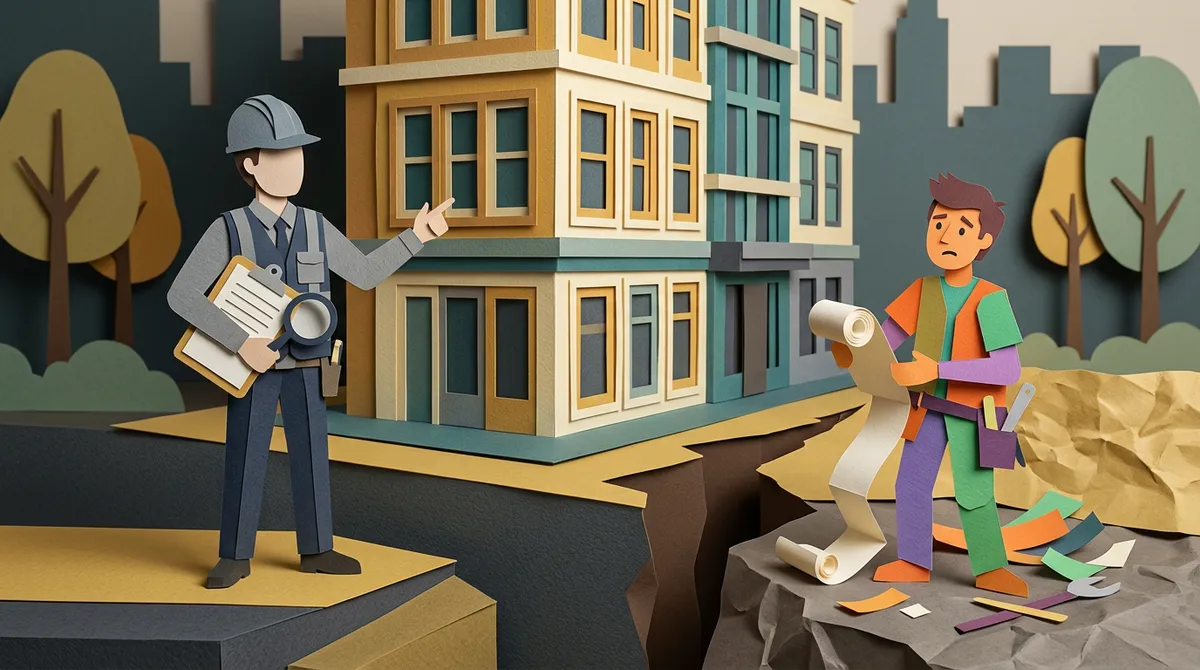
Not just anyone can perform a professional building inspection for recertification purposes. Florida law is very specific about who qualifies. You must hire a licensed professional engineer (PE) or a registered architect. Hiring an unlicensed inspector — even someone with construction experience — will not satisfy county requirements.
Look for these qualifications before hiring:
- Active Florida PE license or architect registration
- Experience specifically with building recertification inspections
- Familiarity with Miami-Dade and Broward County submission requirements
- Proven ability to produce compliant reports with color photos and code references
- Knowledge of both structural AND electrical evaluation requirements
At O’Reilly Consultants, the team is led by qualifying architect Sherard O’Reilly and supported by Construction Manager & Engineer Catalina Torres, who brings 27 years of civil engineering experience. This kind of depth makes a real difference in the quality of your inspection report.
Mistake 3: Ignoring the Electrical Inspection Requirements
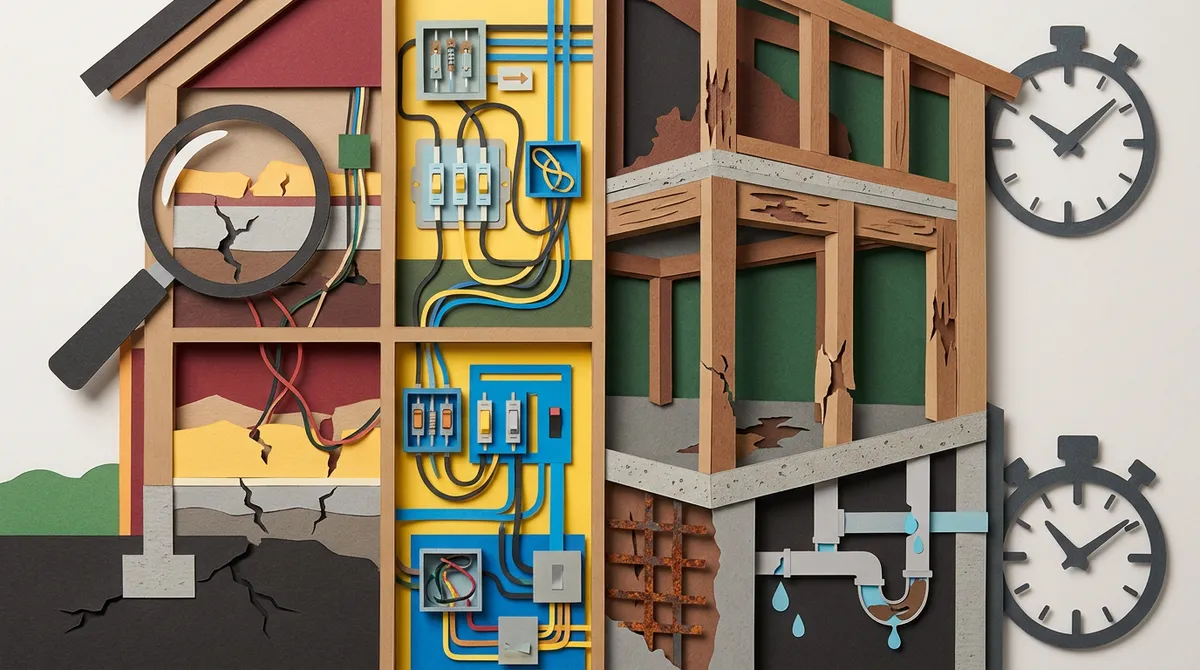
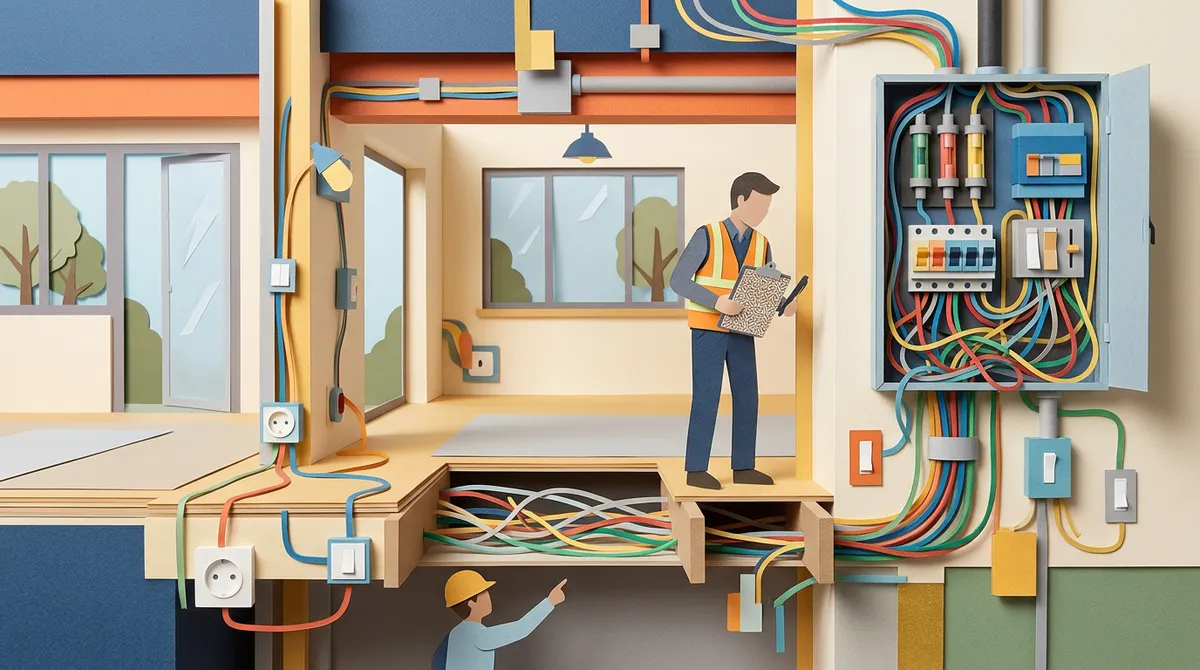
Many building owners focus so heavily on structural issues — cracked foundations, deteriorating facades, roof damage — that they completely overlook the electrical side of recertification. That’s a big mistake. Both components carry equal weight.
A complete professional building inspection for recertification must cover:
- Electrical panels and wiring systems
- Grounding and bonding connections
- Fire protection and alarm systems
- Emergency lighting and illumination compliance
- Overall electrical safety relative to current Florida Building Code standards
Skipping or rushing through the electrical portion of the inspection can lead to failed recertification — even if the structure itself is in great shape. Make sure your inspector covers both elements thoroughly.
Mistake 4: Not Understanding Which Timeline Applies to Your Building
Not all buildings in Florida follow the same recertification schedule. Many owners assume the standard 40-year rule applies to them — and sometimes it does not. Getting this wrong can mean you miss an earlier deadline.
Here is a quick breakdown of how the timelines vary:
| Building Type / Location | First Inspection Due | Subsequent Inspections |
|---|---|---|
| Miami-Dade / Broward (general) | 40 years | Every 10 years |
| Coastal buildings (post-1998) | 25 years | Every 10 years |
| Inland buildings (post-1993) | 30 years | Every 10 years |
| Boca Raton threshold buildings (3+ stories or 50+ ft) | 30 years | Every 10 years |
If your building sits near the coast and was constructed after 1998, recertification kicks in at 25 years — not 40. Boca Raton’s Ordinance No. 5589, adopted in August 2021, added further requirements for threshold buildings. You can search Miami-Dade building recertification cases to check your building’s specific status and history.
Don’t guess. Confirm which rules apply to your specific property before assuming you have more time than you do.
Mistake 5: Submitting an Incomplete or Non-Compliant Report
Even after completing the inspection, some building owners get tripped up at the submission stage. Counties have specific documentation requirements. A report that is missing information — or formatted incorrectly — will be rejected, and you’ll have to start over.
A compliant professional building inspection report typically must include:
- Color photographs of all inspected areas and identified deficiencies
- Adherence to official county report templates and formats
- Clear references to Florida Building Code standards
- Structural assessment findings, including foundations, rebar, roofs, and facades
- Electrical assessment findings with specific system-level details
- Engineer or architect’s professional seal and signature
- Recommended repair scope if deficiencies are identified
Working with an experienced team means your report will be complete, accurate, and ready for submission the first time. This saves weeks of back-and-forth with the county and keeps your recertification on schedule.
Mistake 6: Skipping Advanced Inspection Technology
Traditional visual inspections have limits. Some deficiencies — hidden rebar corrosion, subsurface foundation issues, hard-to-reach facade damage — are simply not visible to the naked eye. Relying solely on a walk-through inspection can mean serious problems get missed entirely.
Modern professional building inspections use advanced tools that dramatically improve accuracy:
- Drones: Allow close inspection of rooftops, upper facades, and other hard-to-reach areas safely and efficiently
- 3D laser scanning: Creates precise dimensional models of the building to detect structural shifts and anomalies
- Thermal imaging: Identifies moisture intrusion and electrical hotspots that are invisible in standard inspections
Choosing an inspector who uses these technologies gives you a far more complete picture of your building’s condition. It also strengthens your report with better documentation and evidence. You can learn more about the importance of 40-year building recertification for property longevity and why thorough inspections matter for your long-term investment.
Mistake 7: Ignoring Structural Warning Signs Between Recertification Cycles
Your building’s recertification is not a one-and-done event. Many owners pass their inspection, breathe a sigh of relief, and then completely forget about building health for the next 10 years. That’s a risky approach.
Warning signs that should prompt attention between recertification cycles include:
- Visible cracks in walls, columns, or the foundation
- Spalling concrete or exposed rebar
- Water intrusion or persistent moisture in lower levels
- Doors or windows that no longer align properly
- Unusual sounds or vibrations in the structure
Foundation and structural cracks deserve immediate professional attention. Ignoring them between inspections can allow small issues to become major (and very expensive) problems by the time your next recertification rolls around. Understanding foundation cracks and hairline cracks in commercial buildings is essential knowledge for every property owner and HOA manager.
A Comparison: Compliant vs. Non-Compliant Recertification Paths
Here’s what the two paths typically look like side by side — so you can clearly see what’s at stake:
| Factor | Compliant Path | Non-Compliant Path |
|---|---|---|
| Inspection timeline | Completed within 90-day window | Missed deadline, fines imposed |
| Inspector qualifications | Licensed PE or architect | Unlicensed or unqualified inspector |
| Report quality | Complete, county-compliant, sealed | Incomplete, rejected by county |
| Technology used | Drones, 3D scanning, thermal imaging | Visual walk-through only |
| Outcome | Certified, legally compliant building | Fines, evacuation orders, liability |
The difference between the two paths is not just about compliance. It’s about protecting your residents, your tenants, your investment, and your peace of mind.
How to Prepare for a Smooth Professional Building Inspection
Getting ready before the inspector arrives makes a big difference. Here are the steps every property owner should take:
- Gather your building’s original documents: Construction drawings, previous inspection reports, and permit history help the inspector work faster and more accurately.
- Note any visible concerns: Make a list of areas where you’ve noticed cracks, water damage, or electrical issues. Share this with your inspector upfront.
- Communicate with residents or tenants: Let them know about the inspection schedule so access to all areas of the building is available.
- Confirm your inspector’s license: Ask for their Florida PE license number or architect registration number and verify it before signing any contract.
- Plan for the repair phase: If deficiencies are found, the 60-day repair window starts immediately. Have a contractor relationship ready in advance.
Choose the Right Team for Your Building Recertification
When it comes to something as critical as your building’s safety and legal compliance, the team you choose matters enormously. O’Reilly Consultants is a highly specialized engineering firm serving Broward and Miami-Dade Counties with a strong focus on building recertification and safety inspections. With services ranging from structural and electrical assessments to SIRS studies, property condition assessments, and HOA reserve studies, they handle every aspect of the recertification process with precision and care. Visit us on Google to read reviews from clients across South Florida and see why so many property owners trust this team with their most important inspections.
Ready to get started? Request a free quote today and take the first step toward a smooth, stress-free recertification experience. Or give the team a call directly — reach us at (512) 567-1191 — and let’s talk through your building’s specific needs together.
Final Thoughts
A professional building inspection for recertification is one of the most important things you will do as a building owner or manager in South Florida. The stakes are high — but the process doesn’t have to be stressful. Avoid these seven common mistakes, work with a qualified and experienced team, and you’ll sail through the process with confidence. Your building’s safety, your residents’ well-being, and your property’s long-term value all depend on getting this right. Don’t wait — start the process early, choose wisely, and let the experts guide you every step of the way.
FAQs
Q: Who can legally perform a professional building inspection for recertification in Florida?
A: Great question! In Florida, only a licensed professional engineer (PE) or a registered architect can conduct a professional building inspection for recertification purposes. Hiring anyone without these credentials won’t satisfy county requirements, so always verify your inspector’s license before signing anything.
Q: How long do I have to complete a professional building inspection after receiving a county notice?
A: You have 90 days from the date of the county notice to complete your professional building inspection and submit the report. If deficiencies are found, you then have 60 days to complete repairs. Marking these dates immediately is the smartest move you can make!
Q: What does a professional building inspection for recertification cover?
A: A full recertification inspection covers both structural and electrical systems. That means foundations, rebar, roofs, facades, walls, electrical panels, grounding, fire protection, and emergency lighting — all evaluated against current Florida Building Code standards. It’s a thorough process, and that’s exactly what keeps your building safe.
Q: When is the 25-year recertification required instead of the 40-year one?
A: If your building is located in a coastal area and was built after 1998, the first professional building inspection for recertification is required at 25 years, not 40. Inland buildings built after 1993 typically hit their first deadline at 30 years. It’s always worth confirming which timeline applies to your specific property!
Q: What happens if a building fails a professional building inspection during recertification?
A: If deficiencies are identified during your professional building inspection, you’ll receive a repair window — typically 60 days — to address the issues and document the work. Ignoring the findings or missing the repair deadline can lead to fines, legal action, or even a forced evacuation order, which nobody wants. The key is to act quickly and work with experienced professionals who can guide you through the repair and re-inspection process smoothly.