If you sit on a Tamarac HOA board, you already know the feeling. Between landscaping bids, resident emails, and budget meetings, you barely have time to breathe. Now add a state law that requires you to study your building’s structural bones, and it can feel overwhelming. Take a deep breath, because we’re here to walk you through it, step by step, like a friendly neighbor who happens to know a lot about buildings.
Tamarac HOA reserve studies aren’t just paperwork. They’re the financial roadmap that keeps your community safe, funded, and ready for Broward County’s building recertification rules. This guide breaks down exactly what your board needs to know in plain, simple language. No confusing engineering jargon, just clear answers you can actually use at your next board meeting.
1. What a Tamarac HOA Reserve Study Actually Covers
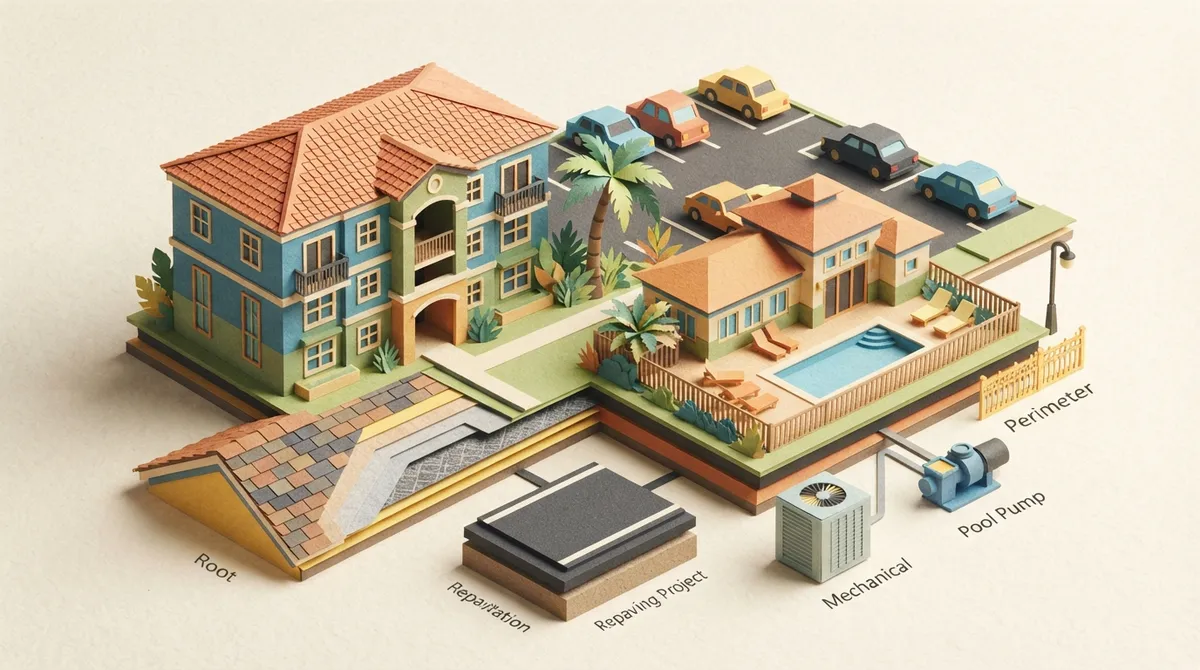
A reserve study is basically a financial checkup for your building. It looks at major components like the roof, plumbing, elevators, and pavement, then estimates when they’ll need repair or replacement. It also tells your board how much money you need to set aside each year to pay for those repairs without a surprise special assessment.
For condos three stories or taller, Florida law now requires a specific type called a Structural Integrity Reserve Study, or SIRS. This isn’t optional guesswork. It’s a legal requirement tied directly to building recertification in Broward County.
Standard Reserve Study vs SIRS
- A standard reserve study covers general components like paint, roads, and amenities
- A SIRS focuses specifically on structural safety items required by state law
- SIRS reports must be prepared by a licensed engineer or architect
- Standard reserve studies can sometimes be done by a reserve specialist without an engineering license
- Only SIRS funding cannot legally be waived by a member vote
2. The 8 Mandatory Structural Components in a SIRS
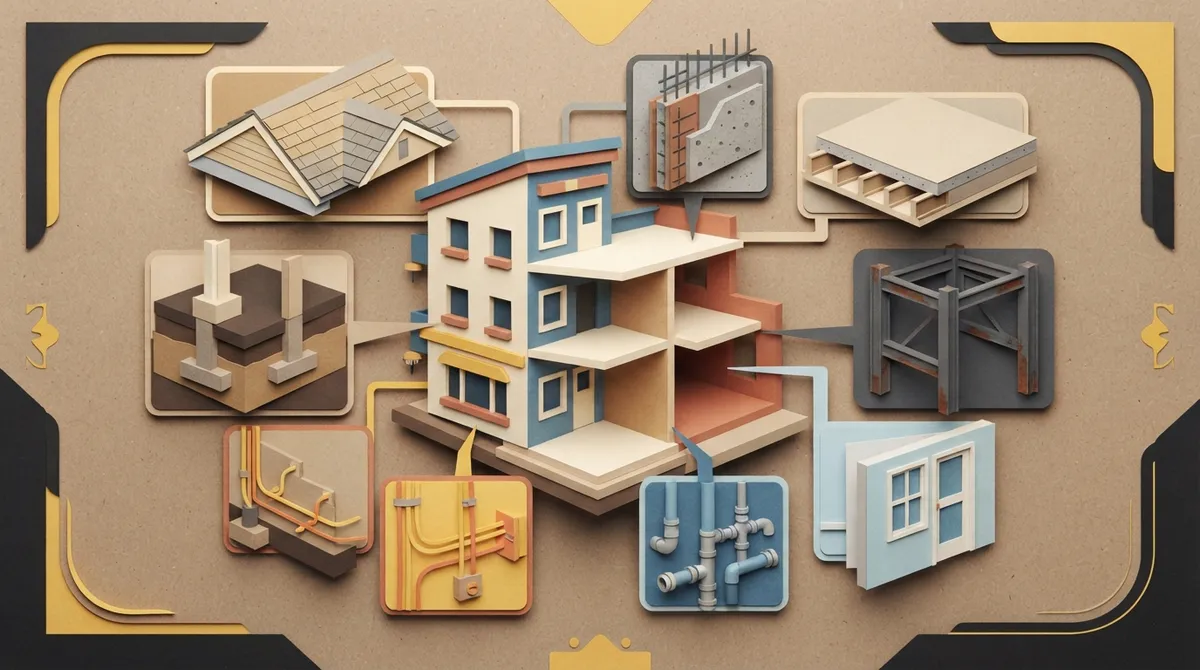
Here’s something every Tamarac board member should memorize. Florida law lists eight specific building parts that must be studied and funded in every SIRS report. Owners cannot vote to skip saving money for these items, no matter how tight the budget feels.
- Roof
- Load-bearing walls or other primary structural members
- Floor
- Foundation
- Fireproofing and fire protection systems
- Plumbing
- Electrical systems
- Waterproofing and exterior painting
These eight components directly overlap with what inspectors check during 40 year recertification inspections. That’s not a coincidence. Reserve studies and recertification inspections are two sides of the same safety coin, and understanding both helps your board avoid surprises down the road.
3. Why Tamarac Buildings Face a December 2025 Deadline
If your Tamarac condo association has buildings three stories or higher, you should already have your first SIRS completed. The initial deadline was December 31, 2025. If your board missed it, don’t panic, but don’t wait either. Getting caught up quickly protects your community and your board members from liability.
Buildings that are also approaching their 40-year mark face a double deadline. Broward County requires structural and electrical recertification inspections, and these often line up with SIRS timing. Our team at O’Reilly Consultants sees this overlap constantly, and we help boards tackle both requirements together to save time and money.
4. How Often Reserve Studies Need Updating
Here’s a question we hear all the time: “We just did one, do we really need another already?” The honest answer is yes, eventually. Florida law sets a maximum of every 10 years for SIRS updates, but that’s the bare minimum, not a best practice.
| Study Type | Description | Recommended Frequency |
|---|---|---|
| Level I | Full on-site inspection with detailed component analysis | Every 5 years |
| Level II | Update with a site visit, less detailed than Level I | Every 3 years |
| Level III | Desktop update with no site visit | Between Level I or II updates |
| SIRS (statutory minimum) | Structural components only, state-mandated | Every 10 years (minimum) |
Most experienced property managers recommend sticking closer to the 3-5 year window rather than waiting the full decade. Building conditions change faster than you’d think, especially in South Florida’s humidity and salt air.
5. Who Is Qualified to Prepare Your SIRS
This is not a job for a general contractor or your building maintenance guy, no matter how handy he is. Florida law requires SIRS reports to be prepared or verified by one of these professionals:
- A Florida-licensed engineer
- A Florida-licensed architect
- A reserve specialist certified through an approved professional organization
Choosing the right team matters more than most boards realize. An inexperienced provider might miss a hairline crack that signals a bigger structural issue, similar to the kind of problem discussed in this breakdown of foundation cracks in commercial buildings. That’s why so many Tamarac boards turn to About Oreilly Consultants for licensed, experienced eyes on their property.
What to Look for in a Provider
- Florida licensure as an engineer or architect
- Experience specifically with condo and HOA structures
- Use of modern tools like drones and 3D laser scanning
- Clear, easy-to-read reports your board can actually use
- Familiarity with Broward County recertification timelines
6. Can Owners Vote to Waive Reserve Funding?
This question comes up in almost every board meeting we’ve ever heard about. The short answer is no, not for the eight mandatory structural components. Florida Statute 720.303 removed that option for condos three stories and up, specifically to prevent underfunded buildings from becoming safety hazards.
Owners can still vote to adjust funding levels for non-structural reserve items, like painting schedules or clubhouse furniture. But when it comes to the roof, foundation, plumbing, and the other core structural categories, funding is locked in by law. It’s a change that protects everyone, even if it feels restrictive at first.
7. How Reserve Studies Connect to Building Recertification
Here’s where things get really practical for Tamarac boards. Broward County requires buildings 40 years and older (and every 10 years after that) to complete a structural and electrical recertification inspection. This process is separate from SIRS on paper, but in real life, they overlap constantly.
Think of it this way: your SIRS tells you what needs fixing and how much money to save. Your recertification inspection tells the county your building is actually safe to keep occupying. The funds identified in your reserve study are often exactly what pays for the repairs your recertification engineer flags.
- SIRS identifies long-term structural funding needs
- Recertification inspections confirm current safety compliance
- Both often require the same licensed engineering expertise
- Repairs flagged in recertification reports frequently draw from SIRS reserve funds
- Completing both together can reduce inspection costs and scheduling headaches
Learn more about how this process works overall in our guide on what building recertification is and why it matters, or check the official Miami-Dade County Recertification program page for how neighboring counties handle similar requirements.
8. Steps Your Tamarac Board Should Take Right Now
Feeling a little more confident? Good, because that’s exactly the goal. Here’s a simple action plan you can bring to your next board meeting.
- Confirm whether your building is three stories or taller and subject to SIRS
- Check your last reserve study date and compare it to the 10-year maximum
- Hire a licensed engineer or certified reserve specialist for your next study
- Cross-reference SIRS findings with your upcoming recertification deadline
- Budget realistically using the eight mandatory structural categories
- Communicate clearly with owners about why funding cannot be waived
- Schedule your next Level I or Level II update proactively, not last minute
- Partner with a team experienced in both SIRS and recertification inspections
Many Tamarac boards find that combining services saves both time and money. Our team also handles related work like electrical inspections for building recertification and full property condition assessments, so you’re not juggling five different vendors for one building.
Why Boards Trust O’Reilly Consultants for Reserve Studies and Recertification
We know reserve studies can feel like just another item on an endless to-do list. But we genuinely enjoy helping Tamarac communities get this right. Our team, led by qualifying architect Sherard O’Reilly, brings serious technical depth to every project, from ASTM E2018 property condition assessments to detailed structural documentation.
We also lean on the experience of Construction Manager and Engineer Catalina Torres, who brings 27 years of civil engineering know-how to every inspection. And when environmental questions come up, Project Engineer Rafael Ojeda has completed over 1,000 Phase I Environmental Site Assessments across South Florida. That’s the kind of team you want reviewing your building’s future.
We use drones and 3D laser scanning to get accurate, detailed data without disrupting daily life in your community. It means faster inspections, clearer reports, and fewer surprises for your board. You can also browse our Tamarac SIRS guide for more location-specific detail, or see what our O’Reilly Consultants customers say by visiting our O’Reilly Consultants Google Business Profile.
For a broader look at how these requirements apply across Broward County, you can also search Miami-Dade Building Recertification Cases to see how similar buildings have handled the process.
Wrapping Up: Your Next Move
Reserve studies don’t have to feel scary or overwhelming. With the right licensed team, clear communication with owners, and a proactive schedule, your Tamarac HOA can stay compliant, protect property values, and keep residents safe. That’s a win for everyone involved.
Ready to get your SIRS or recertification inspection scheduled the right way? Request a free quote from our team today, or call us at (512) 567-1191 to talk through your building’s specific timeline. We’re here to make this process smooth, simple, and stress-free.
FAQs
Q: Is a SIRS required for HOAs in Tamarac, Florida?
A: Yes, if your condo building is three stories or taller, Florida law requires a Structural Integrity Reserve Study. The initial deadline was December 31, 2025, so if your board hasn’t completed one yet, it’s time to get moving!
Q: How does a Structural Integrity Reserve Study help with Broward County Building Recertification?
A: Great question! SIRS identifies and funds repairs for the same structural components that recertification inspectors check, like roofs and load-bearing walls. This overlap means your reserve funds often pay directly for recertification repairs, saving your board from scrambling for special assessments.
Q: Can Tamarac HOA owners vote to waive reserve funding for structural components?
A: Nope, and honestly, that’s a good thing for everyone’s safety. Florida law prohibits waiving funding for the eight mandatory structural categories, though owners can still adjust funding for non-structural items like landscaping.
Q: How often must a reserve study be updated in Florida?
A: The statutory minimum is every 10 years, but most experts recommend a full Level I study every 5 years with Level II updates every 3 years. Staying proactive keeps your budget accurate and your building safer.
Q: Do Tamarac HOAs need a reserve study if their building is under 3 stories?
A: The mandatory SIRS requirement applies specifically to buildings three stories or higher, but many governing documents still require a standard reserve study every 3-5 years regardless of height. It’s always worth checking your HOA’s specific bylaws to be sure.