

Key Takeaways
-
Passing a milestone inspection confirms structural safety only, not full compliance with the Florida Building Code or fire-safety code, so owners often add electrical and fire reviews.
-
Florida condo and co-op buildings at least three habitable stories tall generally need a first milestone inspection by December 31 of the year they turn 30, or at 25 years if a local agency requires it.
-
After a phase-two report finds substantial structural deterioration, repairs must begin within 365 days of receiving the report.
-
Associations must share a summary of the sealed inspection report with unit owners within 45 days of receiving it.
-
Milestone inspections run in two phases: a visual check first, with deeper destructive or nondestructive testing only if phase one finds substantial deterioration.
-
Compliance rules vary by location, age, and building type, so confirm deadlines and duties with your local building department and a licensed architect or engineer early.
If you own or manage an older building, you have probably heard the phrase building code compliance tossed around at board meetings and in county notices. It sounds simple enough. But when you start digging in, a lot of questions pop up. Does passing an inspection mean your building meets every code? What do the deadlines really look like? And who do you call when the notice lands in your mailbox?
Take a deep breath. You are not alone, and this is very doable. Whether you sit on a condo board, manage an HOA, or own an apartment building or commercial property, this guide breaks things down in plain English. We will walk through what compliance means for an existing building, how Florida’s milestone inspections fit in, what happens when problems are found, and how to stay ahead of the clock in Broward and Miami-Dade Counties.
By the end, you will know exactly what to expect and what to do next. Let’s dive in!
What Building Code Compliance Really Means for an Existing Building
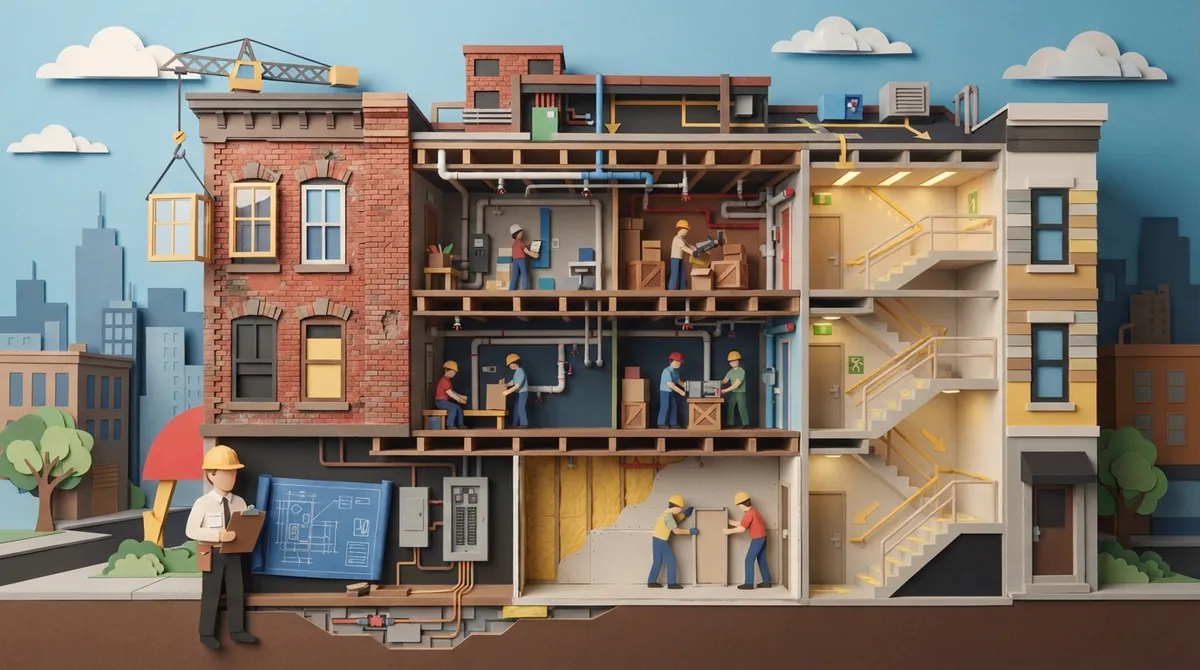
When people talk about building code compliance in the recertification world, they usually mean something specific. It is the work of meeting the inspection, reporting, repair, and filing rules that apply to your building under local and state law.
Here is the key thing to remember: there is no single nationwide certificate. Rules change depending on where your building sits, how old it is, and what type of building it is. A condo tower in Miami-Dade follows different rules than a façade program in New York City.
Building code compliance for an existing building typically covers four things:
- Inspections: Required reviews by licensed professionals at set times.
- Documentation: Sealed reports that describe what was found.
- Repairs: Fixes for any unsafe or deteriorated conditions.
- Filing: Submitting the paperwork to the local building official on time.
If you want a deeper starting point, our article What Is Building Recertification and Why Does It Matter? covers the basics in a friendly way.
Is a Milestone Inspection the Same as Code Compliance?
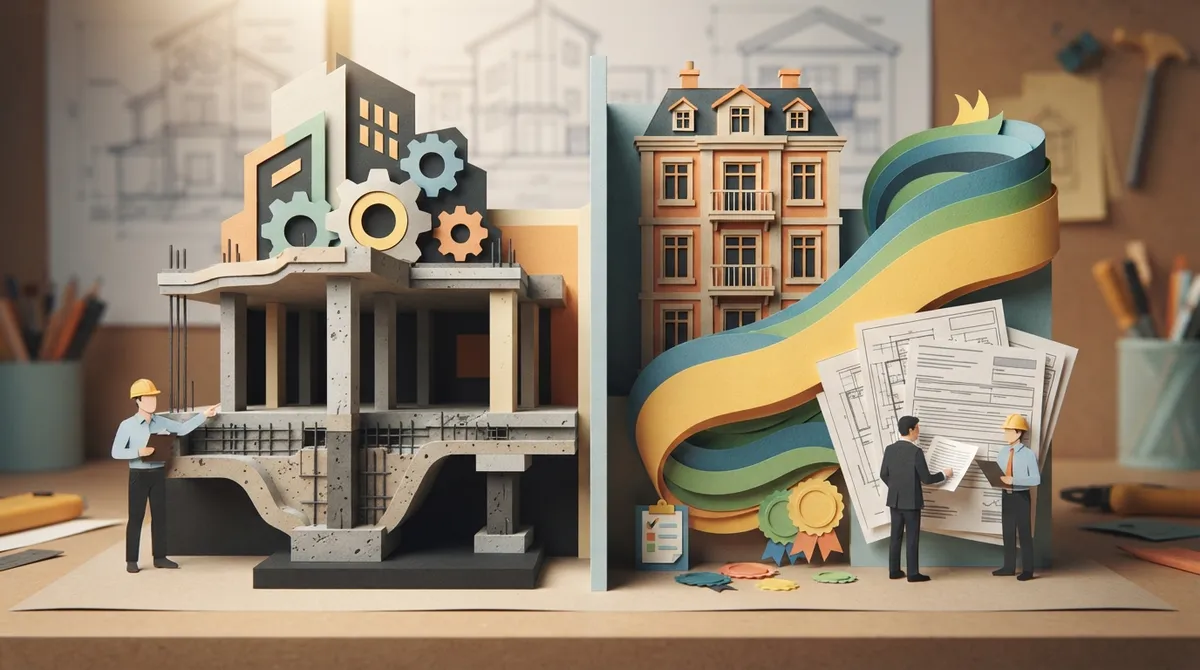
This is one of the most common mix-ups, so let’s clear it up right away. A Florida milestone inspection is a structural-safety inspection. It is not a general check that your building meets every part of the Florida Building Code or the fire-safety code.
Florida law defines the milestone inspection as an assessment of structural components and how well they protect life safety. So a clean milestone report tells you the structure is sound. It does not promise that every system in the building matches current code.
That is why many owners pair their structural work with other reviews, such as electrical and fire checks. If you are unsure which one applies to you, take a look at Milestone vs. Electrical Inspection: Which Does Your Building Need? for a simple comparison.
Who Needs a Milestone Inspection in Florida, and When?
Under Florida Statute §553.899, covered condominium and cooperative buildings that are at least three habitable stories tall generally need a milestone inspection. The clock starts at the certificate of occupancy.
Here is the basic timeline in an easy-to-scan format:
| Requirement | What the Rule Says |
|---|---|
| First inspection | By December 31 of the year the building reaches 30 years old |
| Repeat inspections | Every 10 years after the first one |
| Early trigger | A local agency may require the first inspection at 25 years, such as for buildings near salt water |
| Phase one deadline | Within 180 days after the owner gets the local agency’s written notice |
Because South Florida buildings sit close to the coast, some local agencies use the earlier 25-year trigger. If you want to see how this plays out in specific cities, check out 25 vs. 30 Years: Hillsboro Beach Milestone Rules? or 30-Year vs. 25-Year: Miami Beach Condo Recert Rules.
How the Two-Phase Inspection Process Works
Florida milestone inspections happen in two phases. A Florida-licensed architect or engineer must perform both.
Phase One: The Visual Check
Phase one is a visual examination of the building. The inspector walks the property, looks at structural components, and notes any signs of trouble. Many buildings finish here with no further work needed.
Phase Two: Deeper Testing
If phase one finds substantial structural deterioration, phase two kicks in. This step can include destructive or nondestructive testing to find out exactly what is going on and how serious it is.
For a full picture of the steps from notice to filing, our guide 8 Key Steps in the Building Recertification Process (2026) walks you through each stage.
What Goes Into the Inspection Report?
The inspection report is the heart of your compliance file. It must be sealed by the licensed professional and sent to the local building official and the relevant owners or association.
A strong report will:
- Describe any substantial structural deterioration found.
- Recommend the repairs needed.
- State whether any unsafe or dangerous conditions were seen.
- List any items that need further inspection.
Once an association receives the report, it must share a summary with unit owners within 45 days. That keeps everyone in the loop and builds trust in the community. Clear communication really goes a long way here, and boards that share news early tend to have a much smoother ride.
What Happens if Problems Are Found?
Nobody loves hearing that their building has deterioration. But finding it early is a gift, because small problems are cheaper and safer to fix than big ones.
If a phase-two report identifies substantial structural deterioration, local rules require repairs to be scheduled or started within a set period. Under Florida law, repairs must begin within 365 days after the report is received. If an owner or association cannot show proof of repairs starting, the local agency may decide whether the building is unsafe for occupancy.
Here is a quick way to think about the timeline after a problem is found:
- Receive the sealed report and share the summary within 45 days.
- Get repair bids and pick a licensed contractor.
- Schedule the work and keep proof of progress.
- Begin repairs within 365 days of the report date.
Staying organized with paperwork is your best friend here. Keep copies of everything, from contracts to permits to photos.
Why Building Code Compliance Looks Different from Place to Place
Different cities and counties use different programs to keep older buildings safe. Florida focuses on structural safety through milestone inspections. Miami-Dade County has its own long-running recertification program, which you can read about on the Miami-Dade County Recertification page. You can even look up case details using the Search Miami-Dade Building Recertification Cases tool.
Other parts of the country use different tools. For example, New York City’s Façade Inspection & Safety Program covers buildings taller than six stories and requires exterior wall and appurtenance inspections every five years. That program is façade-specific and does not replace other inspections a building may need.
The big lesson? Always confirm your building’s type, age, location, deadlines, and repair duties with your local building department and a qualified design professional. If you manage property across Broward, our article 6 Facts About Broward Recertification Inspections (2026) is a handy next read. For Miami-Dade owners, How to Handle 40 Year Recertification Miami-Dade Rules is a great companion.
Other Inspections That Support Code Compliance
Structural safety is a big piece of the puzzle, but it is not the only piece. Many buildings also need electrical and fire-related reviews to stay in good standing. These checks look at wiring, panels, lighting, and life-safety systems that keep residents and visitors safe.
Helpful reads include 14 Electrical Inspections Facts for Recertification (2026) and 12 Fire Inspection Facts for Building Recertification (2026).
Condo boards also face Structural Integrity Reserve Studies, often called SIRS, which look at long-term funding for major building components. Our post SIRS vs. Milestone Inspection: Which Does Your Condo Need? explains how these two requirements work side by side.
Tips for Each Type of Building Owner
Different owners face different pressures. Here is how to think about compliance based on your role.
Condo Association Boards
Your biggest goals are resident safety and avoiding fines. Start planning early, share report summaries on time, and set aside funds for repairs. Early planning protects both your residents and your reserves.
Commercial and Apartment Owners
For office towers, plazas, hotels, and multi-family properties, structural and electrical assessments help you stay compliant and prevent hazards. A clean report also supports insurance and tenant confidence.
HOA Managers and Investment Firms
Managers working with tight 90-day inspection windows need efficient, well-organized help. Investment firms with aging properties need recertification reports to protect market value and keep sales or refinancing on track without delays.
How to Choose the Right Inspection Partner
The professional you hire shapes the whole experience. You want someone who is licensed, experienced with local rules, and happy to explain things clearly. Our guide How to Choose a Certified Building Inspector in Florida lists what to look for.
This is where O’Reilly Consultants shines. We are a small, specialized engineering team serving Broward and Miami-Dade Counties, led by owner and qualifying architect Sherard O’Reilly, with Construction Manager and Engineer Catalina Torres and Project Engineer Rafael Ojeda on the team. We handle 10-, 25-, and 40-year recertification inspections and walk you through every step, from the county notice to the final filing.
We also use drones and 3D laser scanning to see hard-to-reach areas safely and capture accurate details. That means faster estimates, thorough evaluations, and reports with clear, actionable recommendations. Want to hear from people we have worked with? See what customers say when you visit us on Google — O’Reilly Consultants.
A Simple Compliance Checklist You Can Start Today
Feeling overwhelmed? Here is an easy action plan to get moving.
- Confirm your building’s age, height, and certificate of occupancy date.
- Check with your local building department about which programs apply.
- Mark every deadline on a shared calendar, including the 90-day and 180-day windows.
- Hire a licensed architect or engineer who knows your county.
- Gather past reports, plans, and permits ahead of time.
- Review the sealed report, share summaries, and start repairs on schedule.
Working through this list one step at a time keeps stress low and surprises few.
Wrapping Up: Compliance Is Easier With the Right Help
Building code compliance does not have to feel like a maze. When you understand the rules, know your deadlines, and partner with experienced professionals, the process becomes manageable and even empowering. Remember that milestone inspections focus on structural safety, that reports have strict timelines, and that early action saves money and protects people.
If you are ready to take the next step, we would love to help. Request a free quote and let O’Reilly Consultants guide you through a smooth, timely recertification, or call us at (512) 567-1191 to talk with our team. You will get peace of mind knowing your building is safe now and ready for the future.
FAQs
Q: What does building code compliance mean for an existing building?
A: It means meeting the inspection, documentation, repair, and filing rules that apply to your building under local and state law. Requirements vary by location, age, and building type, so it is always smart to confirm details with your local building department.
Q: Is a Florida milestone inspection the same as a code compliance review?
A: Nope! A milestone inspection is a structural-safety assessment, not a general check that your building meets the full Florida Building Code or fire-safety code. Many owners add electrical and fire inspections to round out their compliance picture.
Q: What happens if a milestone inspection finds structural deterioration?
A: If a phase-two report finds substantial structural deterioration, repairs must begin within 365 days after the report is received. The association must also share a report summary with unit owners within 45 days, so staying organized really helps.
Q: Who is qualified to perform a milestone inspection in Florida?
A: A Florida-licensed architect or engineer must perform the inspection and seal the report. Choosing a team that knows Broward and Miami-Dade rules, like O’Reilly Consultants, makes the process smoother and less stressful.
Q: How often does a New York City building need a façade inspection?
A: Buildings taller than six stories in New York City must have their exterior walls and appurtenances inspected every five years under the Façade Inspection & Safety Program. It is specific to façades and does not replace other required building inspections.