
Key Takeaways
-
Florida threshold buildings (3+ stories) require inspection by a licensed Professional Engineer, Architect, or Structural Engineer—general contractors cannot sign off on recertification reports, and out-of-state licenses don’t satisfy state requirements.
-
Miami-Dade requires first recertification at 30 years (25 years within 3 miles of coast) with 10-year intervals; Broward requires it at 25 years for qualifying condos with 10-year intervals—verify your county’s timeline to avoid missed deadlines.
-
Verify inspector credentials through Florida’s DBPR license lookup tool, request sample reports, confirm experience with your building type, and check for professional liability insurance before hiring to avoid costly re-inspections or failed compliance.
-
Schedule recertification inspections proactively before receiving county notices rather than after—this gives you time to address deficiencies, gather contractor bids, and complete repairs without facing rushed 90-day deadline pressure.
-
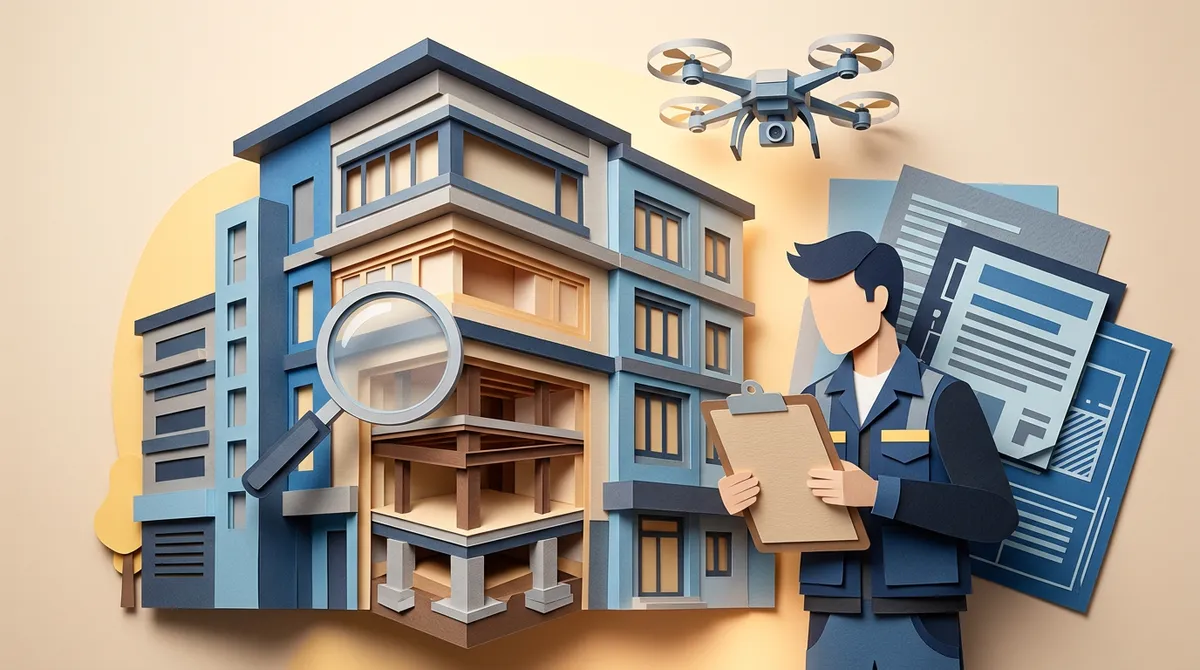
Modern inspection firms use drones, 3D laser scanning, and infrared thermography to evaluate hard-to-reach areas like roofs and facades, improving accuracy and producing detailed visual documentation that satisfies county requirements.
-
Beyond basic inspections, look for firms offering Structural Integrity Reserve Studies (required under Florida law), Property Condition Assessments, and Phase I Environmental Site Assessments to address multiple compliance needs with a single vendor.
If your building is approaching its recertification deadline, you already know the stakes are high. Structural failures don’t give warnings, and county notices don’t wait. Choosing the right licensed building inspectors for your recertification inspection is one of the most important decisions a property owner or board member can make. The wrong choice can mean missed deadlines, failed inspections, costly re-inspections, or worse — a lapse in occupancy permits.
This guide is designed to walk you through the entire process simply and clearly. Whether you manage a condo association in Miami Beach, own a commercial building in Fort Lauderdale, or oversee a multi-family residential complex, you’ll learn exactly what to look for in a licensed professional, what the process involves, and how to avoid common pitfalls. Let’s get started.
Why Licensed Building Inspectors Matter for Recertification
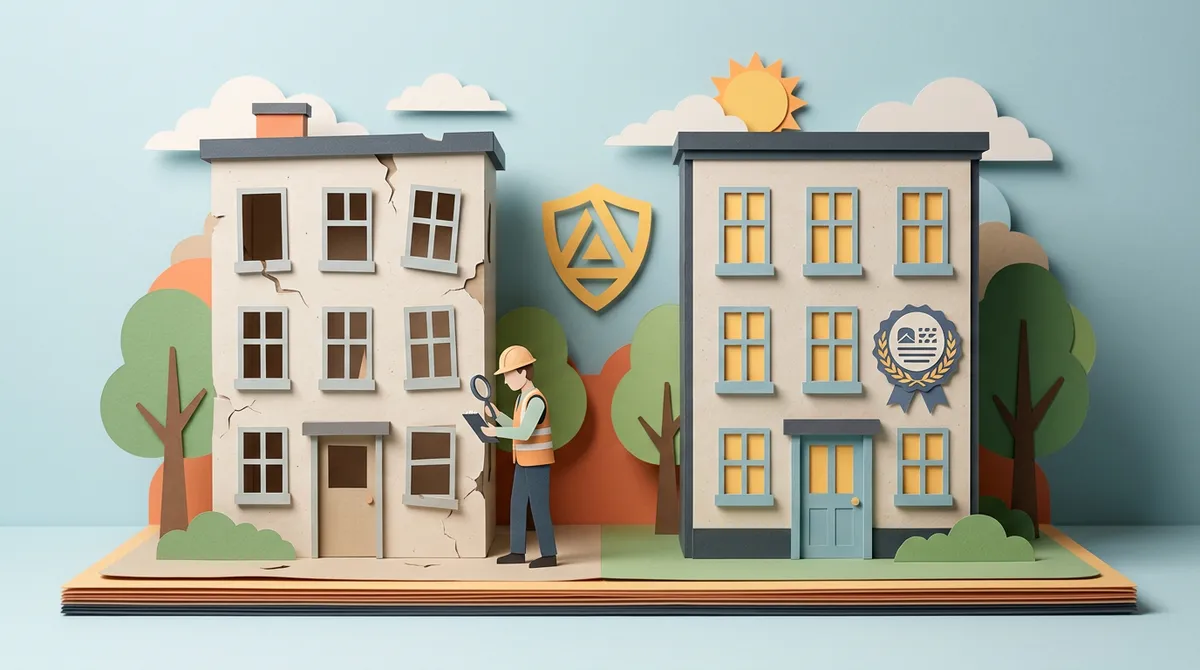
Building recertification isn’t just a formality. It’s a legally required safety evaluation that determines whether your building is safe for occupancy. In South Florida, this is especially critical given the region’s exposure to hurricanes, saltwater corrosion, and aging infrastructure. The Champlain Towers South collapse in 2021 was a tragic reminder of what happens when structural issues go unaddressed.
Licensed building inspectors who specialize in recertification bring more than just a checklist. They bring engineering knowledge, legal accountability, and the ability to produce official reports that satisfy county requirements. Without proper licensure, your inspection report won’t be accepted — and your building could be flagged for non-compliance. You can learn more about what’s at stake by reading about the importance of 40-year building recertification for property longevity.
Understanding Florida’s Recertification Requirements
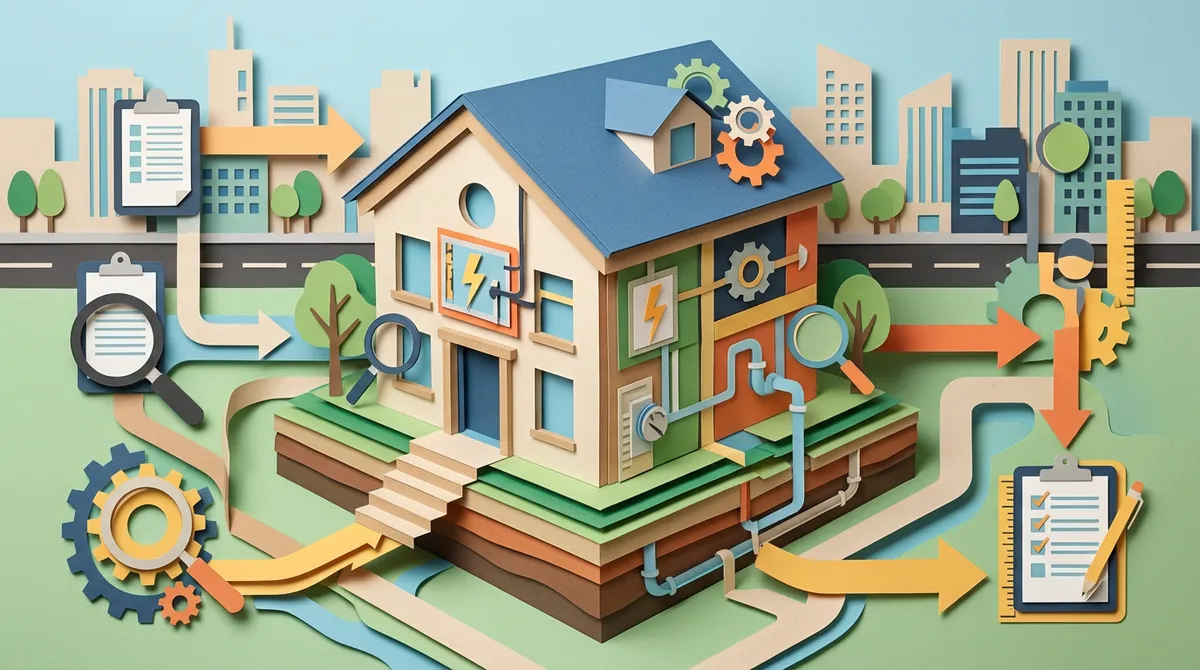
Florida’s recertification rules vary by county. Knowing which rules apply to your building helps you hire the right inspector from the start. Here’s a quick breakdown of South Florida’s key requirements:
| County | First Recertification | Subsequent Intervals | Special Notes |
|---|---|---|---|
| Miami-Dade | 30 years (25 years within 3 miles of coast) | Every 10 years | Condos and co-ops included |
| Broward | 25 years for qualifying condos and threshold buildings | Every 10 years | Replaced former 40-year program |
For Miami-Dade buildings specifically, you can check your building’s recertification status directly through the Miami-Dade Building Recertification Case Search. Official guidelines are also available on the Miami-Dade County Recertification page.
If your building falls under the 40-year recertification program, your inspector must specifically evaluate structural integrity and electrical systems in detail. Understanding these timelines helps you plan ahead and avoid rushed, last-minute inspections.

Who Is Qualified to Perform Recertification Inspections in Florida?
Not every building inspector qualifies to sign off on a recertification report. Florida law is specific about who can perform these assessments. Here’s what you need to know:
- Threshold buildings (3+ stories or over 50 feet tall) must be inspected by a Florida-licensed Professional Engineer, Architect, or Structural Engineer.
- Electrical systems exceeding 400 amps require a Level II Certified Infrared Thermographer to perform thermal imaging assessments.
- Report submissions must be signed and sealed by the licensed professional of record.
- General contractors alone are not authorized to certify structural or electrical compliance for recertification purposes.
- Out-of-state licenses do not satisfy Florida’s requirements — always verify local licensure.
This is why working with a firm like O’Reilly Consultants makes such a difference. Their team includes a qualifying architect, a civil engineer with 27 years of experience, and a project engineer with over 16 years in environmental due diligence — all serving Broward and Miami-Dade Counties.
Step-by-Step: How to Choose the Right Licensed Building Inspector
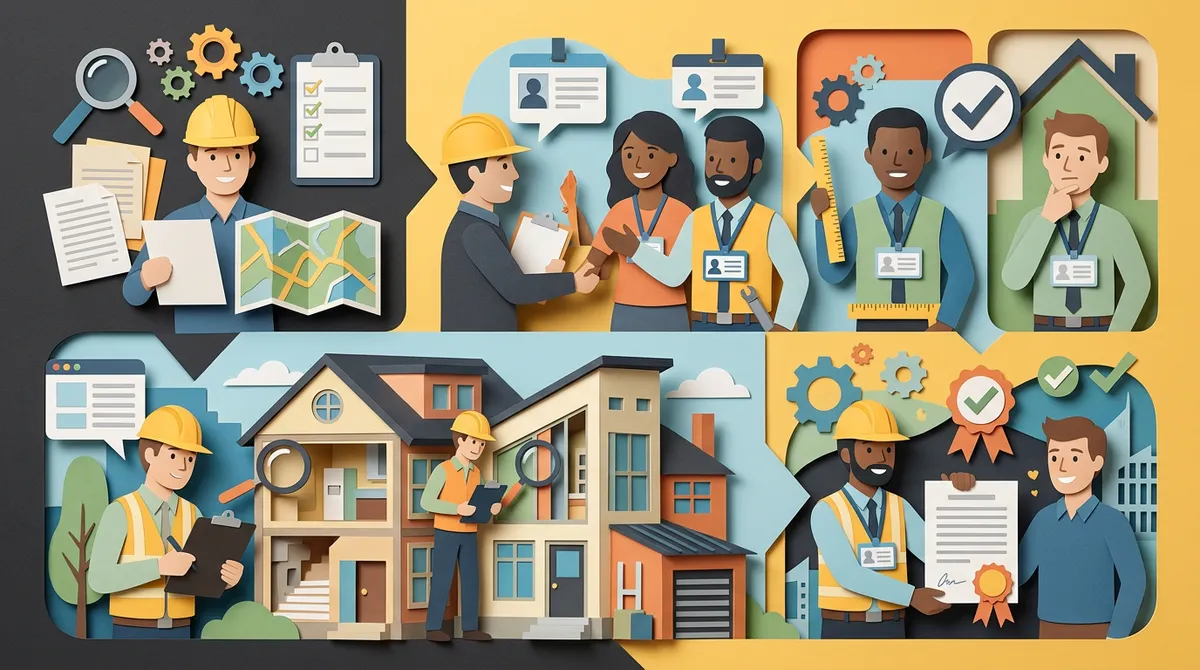
Finding the right inspector takes a bit of homework, but it’s absolutely worth it. Follow these steps to make a confident, informed decision:
- Verify their Florida license. Use the Florida Department of Business and Professional Regulation (DBPR) license lookup tool to confirm that the engineer or architect holds a valid, active license in Florida.
- Confirm specialization in recertification. General home inspectors are different from recertification inspectors. Ask specifically about their experience with 25-year, 30-year, and 40-year building recertification inspections.
- Ask about their team’s credentials. Larger buildings often require multiple specialists — structural engineers, electrical engineers, and thermographers. Confirm the firm can handle all components in-house or through verified subcontractors.
- Request sample reports. A good inspector will provide sample documentation so you can see the level of detail they deliver. Look for clear findings, photos, and actionable repair recommendations.
- Inquire about technology. Modern inspections use drones and 3D laser scanning for hard-to-reach areas like roofs, facades, and elevated structures. These tools improve accuracy and reduce inspection time.
- Check their county experience. Miami-Dade and Broward each have slightly different submission requirements. Your inspector should know both counties’ processes by heart.
- Review their turnaround time. Recertification notices come with deadlines. Ask upfront how long it takes to receive a complete, county-ready report.
What to Expect During the Inspection Process
Once you’ve hired your licensed inspector, the process typically follows a clear sequence. Here’s what to expect from start to finish:
- Initial consultation and document review. The inspector reviews your building’s original construction documents, previous inspection reports, and any known deficiencies or repairs.
- On-site structural assessment. The inspector evaluates load-bearing elements, foundations, columns, beams, slabs, and exterior facades. If your building has foundation concerns, it’s helpful to understand foundation cracks and hairline cracks in commercial buildings before the visit.
- Electrical system evaluation. This includes panel inspections, wiring conditions, grounding systems, and thermal imaging for high-amperage services.
- Drone and 3D imaging (when applicable). Advanced tools capture roof conditions, facade deterioration, and areas inaccessible by foot — delivering detailed visual documentation.
- Report preparation. The inspector prepares a signed and sealed report summarizing findings, noting deficiencies, and recommending corrective actions per county guidelines.
- County submission. The completed report is submitted to the appropriate county building department for review and final compliance determination.
Red Flags to Watch Out For
Not every firm offering building inspection services has the right credentials for recertification work. Here are warning signs to watch for when evaluating potential inspectors:
- They can’t provide proof of a valid Florida engineering or architecture license.
- They offer unusually low prices with very fast turnaround times — this often means a shallow inspection.
- They don’t have experience with your specific building type (high-rise condo vs. commercial office, for example).
- They are unfamiliar with your county’s specific recertification submission format.
- They don’t carry professional liability (errors and omissions) insurance.
- They cannot provide references from recent recertification projects in South Florida.
If you notice any of these warning signs, trust your instincts and keep looking. The right firm will be transparent, credentialed, and happy to answer all your questions.
Services to Look for Beyond the Basic Inspection
A qualified recertification firm can offer much more than a single inspection report. When evaluating firms, look for these additional services that add long-term value:
- Structural Integrity Reserve Studies (SIRS) — required for Florida condos and HOAs under SB 4-D legislation.
- Property Condition Assessments (PCA) — ASTM E2018-compliant evaluations for real estate transactions and due diligence.
- HOA Reserve Studies — financial planning tools that help associations budget for future repairs and capital improvements.
- Electrical and illumination safety inspections — standalone assessments for parking garages, lobbies, and common areas.
- Phase I Environmental Site Assessments — especially useful for investment acquisitions and commercial property transactions.
Working with a full-service firm means you won’t need to juggle multiple vendors. That saves time, reduces coordination headaches, and gives you a single point of accountability for all your compliance needs. For healthcare facilities navigating property compliance, InCare is another trusted resource worth exploring for specialized compliance support.
How Recertification Protects Your Investment
Recertification isn’t just about checking a legal box. It actively protects your building’s value and your residents’ safety. Here’s what proactive recertification delivers:
- Prevents costly emergency repairs by catching issues early.
- Maintains or improves your building’s insurance rating and coverage eligibility.
- Supports property valuation for sales, refinancing, and investment decisions.
- Demonstrates due diligence to HOA members, tenants, and regulators.
- Extends the overall lifespan of the building’s structural and mechanical systems.
For real estate investment firms especially, having a clean recertification report on file can be the difference between a smooth closing and a deal falling apart at the last minute. It’s one of the most valuable documents you can have in your property portfolio.
The O’Reilly Consultants Difference
When you work with O’Reilly Consultants, you’re not just hiring a single inspector — you’re getting a specialized team with deep roots in South Florida’s building recertification landscape. Owner and qualifying architect Sherard O’Reilly brings hands-on expertise in ASTM E2018 property condition assessments, while Construction Manager and Engineer Catalina Torres contributes 27 years of civil engineering experience. Add to that Rafael Ojeda’s 16+ years in environmental due diligence and over 1,000 Phase I ESAs completed across South Florida, and you have a truly formidable team on your side.
They use drones, 3D laser scanning, and infrared thermography to conduct thorough evaluations — delivering detailed, county-ready reports with clear, actionable recommendations. You can visit O’Reilly Consultants on Google to read reviews from real clients across Broward and Miami-Dade Counties.
Getting Started with Your Recertification
The best time to start your recertification process is before you receive the county’s notice — not after. Proactive scheduling gives you more time to address any deficiencies, gather contractor bids, and complete required repairs without the pressure of an approaching deadline.
Here’s a simple checklist to get the process started on the right foot:
- Identify your building’s recertification year based on its age and location.
- Gather existing structural and electrical documentation from the original build or last inspection.
- Request proposals from at least two or three licensed recertification firms.
- Verify credentials, county experience, and technology capabilities.
- Schedule your inspection with enough runway to complete any required repairs before the submission deadline.
Don’t wait until the county sends a notice with a 90-day countdown clock. That kind of time pressure leads to rushed decisions and costly mistakes. Getting ahead of the deadline is the smartest move you can make for your building and your residents.
Conclusion
Choosing the right licensed building inspectors for your recertification inspection is a decision that affects your building’s safety, your legal compliance, and your long-term property value. By understanding Florida’s recertification requirements, knowing what credentials to look for, and following a clear evaluation process, you can make a confident choice without second-guessing yourself.
If you’re ready to get your recertification done right — with a team that knows South Florida’s rules inside and out — we’d love to help. Request a free recertification consultation today and take the first step toward full compliance and total peace of mind.
FAQs
Q: What qualifications must a licensed building inspector have for recertification in Florida?
A: In Florida, recertification inspections for threshold buildings (three or more stories) must be performed by a Florida-licensed Professional Engineer, Architect, or Structural Engineer. For electrical systems over 400 amps, a Level II Certified Infrared Thermographer is also required. Always verify active licensure through Florida’s DBPR before hiring.
Q: How often does my building need recertification in Miami-Dade or Broward County?
A: In Miami-Dade, most buildings require their first recertification at 30 years (or 25 years if within 3 miles of the coast), then every 10 years after that. Broward County now requires first recertification at 25 years for qualifying condos and threshold buildings, with 10-year intervals. Knowing your county’s specific timeline helps you plan well ahead of your deadline.
Q: What happens if deficiencies are found during a building recertification inspection?
A: If the inspector finds structural or electrical deficiencies, the building owner is required to make repairs within a county-mandated timeframe. The licensed inspector documents the findings in a sealed report, and once repairs are completed, a follow-up assessment confirms compliance. Catching deficiencies early through proactive scheduling is far less stressful than dealing with emergency repair timelines.
Q: Can a general contractor perform a building recertification inspection in Florida?
A: No — a general contractor alone is not authorized to certify structural or electrical compliance for recertification purposes in Florida. The inspection and signed report must come from a licensed Professional Engineer, Architect, or Structural Engineer. Hiring the wrong professional can result in a rejected report and a missed deadline.
Q: What advanced tools do licensed inspectors use for building recertification?
A: Many specialized firms now use drones, 3D laser scanning, and infrared thermography to evaluate hard-to-reach areas like roofs, building facades, and elevated structural elements. These tools improve inspection accuracy, reduce access risks, and produce detailed visual documentation that supports county-ready reports. If a firm you’re evaluating doesn’t use any advanced technology, it may be worth asking why.