
Key Takeaways
-
Buildings 40+ years old in Miami-Dade and Broward Counties must undergo mandatory recertification inspections every 10 years; missing deadlines triggers fines, eviction notices, or building closures.
-
Professional building inspections use advanced technology like drone surveys, 3D laser scanning, and infrared thermography to accurately assess structural and electrical safety with minimal tenant disruption.
-
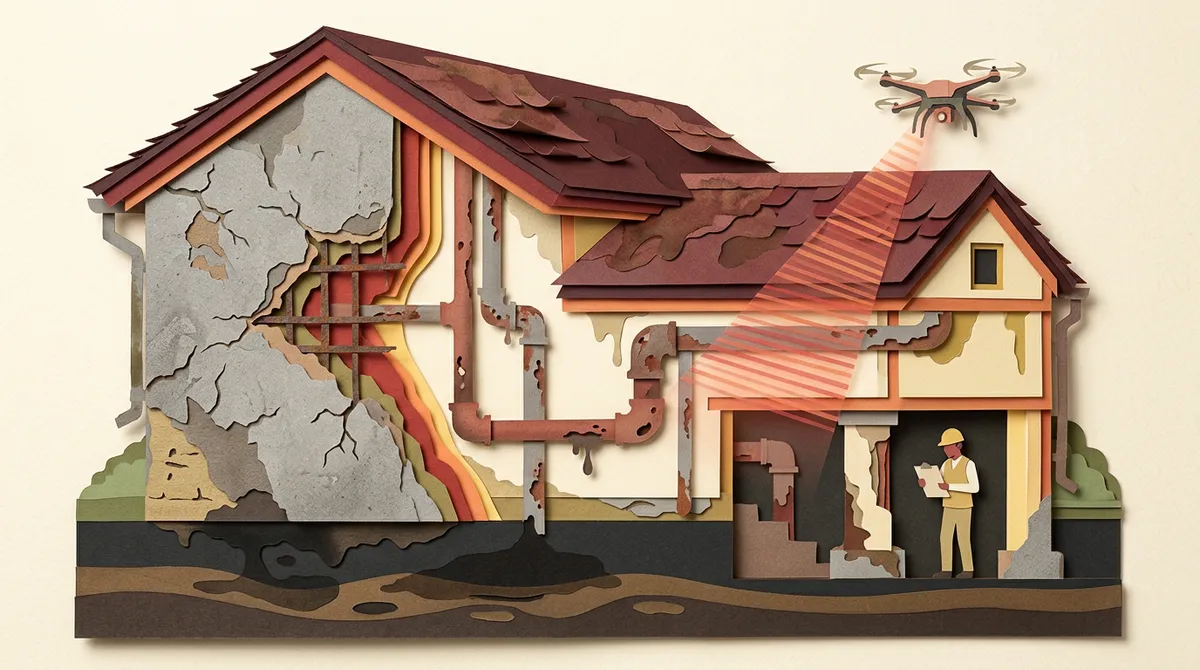
Common repairs flagged in 40-year inspections include concrete spalling, rebar corrosion, roof failures, outdated electrical systems, foundation cracks, and water intrusion—early detection prevents costly emergency repairs.
-
The recertification process involves a Phase One visual assessment of structural elements and electrical systems, followed by Phase Two in-depth evaluation if needed, resulting in an engineering report submitted to local authorities.
-
Condo boards, commercial property owners, and apartment managers must proactively schedule inspections before the 90-day deadline notice arrives to avoid legal liability, insurance complications, and property transfer delays.
-
Preparation steps including gathering permits, documenting existing damage, ensuring facility access, and notifying tenants streamline the inspection process and help meet county compliance requirements efficiently.
If you own or manage a building in South Florida, there’s a good chance you’ve already received a notice in the mail — or you know one is coming. Building recertification deadlines are real, and missing them can lead to fines, penalties, or worse. That’s where professional building inspection services come in. These are the structured, licensed assessments that keep your property safe, compliant, and out of trouble with local authorities.
Whether you manage a condo association, own an apartment complex, or oversee a commercial tower in Broward or Miami-Dade County, understanding how building inspection services work in the context of recertification is essential. This guide walks you through everything — from when inspections are required to what happens during the process and how to prepare.

What Are Building Inspection Services in Recertification?
In the building recertification world, inspection services are formal evaluations performed by licensed engineers or architects. Their job is to confirm that an aging building is still structurally sound and electrically safe. This is not a general home inspection. It’s a code-driven, government-required process with real consequences if skipped.
For properties in Miami-Dade and Broward Counties, buildings must be inspected at specific age milestones. You can learn more about how this works directly on the Miami-Dade County Recertification page. These inspections are not optional — they are mandated by law.

When Is a Building Inspection Required?
Not all buildings have the same inspection timeline. It depends on the building’s age, type, and location. Here’s a quick overview:
| Building Type | First Inspection Age | Subsequent Inspections |
|---|---|---|
| Residential (Miami-Dade & Broward) | 40 years | Every 10 years |
| Commercial High-Rise | 40 years | Every 5–10 years |
| Some Jurisdictions | 25 or 30 years | Every 10 years |
| HOA-Managed Properties | Varies by county | Per HOA & county mandate |
Buildings 40 years or older in Miami-Dade and Broward Counties must complete mandatory recertification inspections. Missing these deadlines can trigger fines, eviction notices, or building closures. If you’re unsure of your building’s status, you can search Miami-Dade building recertification cases to check your records.
What Happens During a Building Inspection?
The recertification inspection process typically moves through clear stages. Here’s how it works from start to finish:
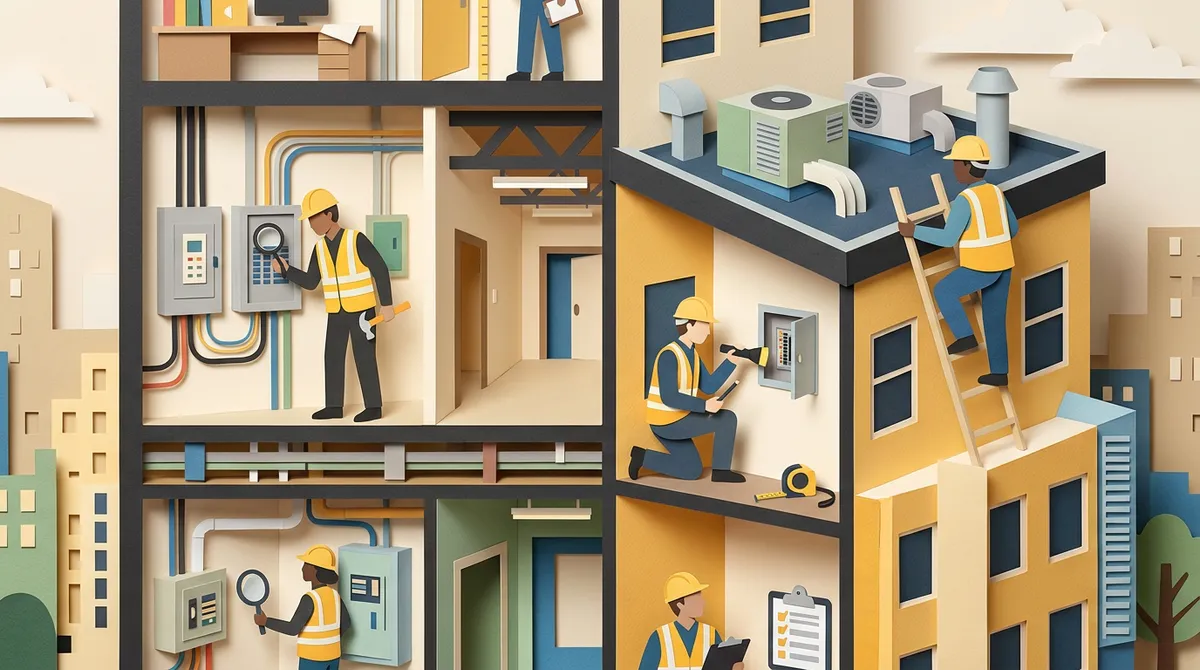
- Phase One – Visual Assessment: A licensed engineer performs a thorough visual review of all structural elements. This includes foundations, walls, columns, beams, balconies, and roofs. They look for cracks, corrosion, and signs of deterioration.
- Electrical Systems Review: Wiring, panels, outlets, and electrical infrastructure are checked for safety and code compliance. This step is critical for reducing fire hazards in older buildings.
- Phase Two – In-Depth Evaluation (if needed): If the Phase One inspection reveals concerns, a more invasive investigation begins. This may include material testing, core samples, or detailed structural probing.
- Engineering Report Preparation: The licensed engineer compiles all findings into a detailed report. This document is then submitted to the local building authority.
- Repair and Compliance Timeline: If repairs are required, the owner is given a timeline to complete them. Once done, a follow-up inspection confirms compliance.
The goal of this process is not to bring the building up to today’s newest codes. Instead, it confirms the structure performs safely as originally designed. That’s an important distinction — and one that makes the process more manageable for most property owners.
What Structural Elements Are Inspected?
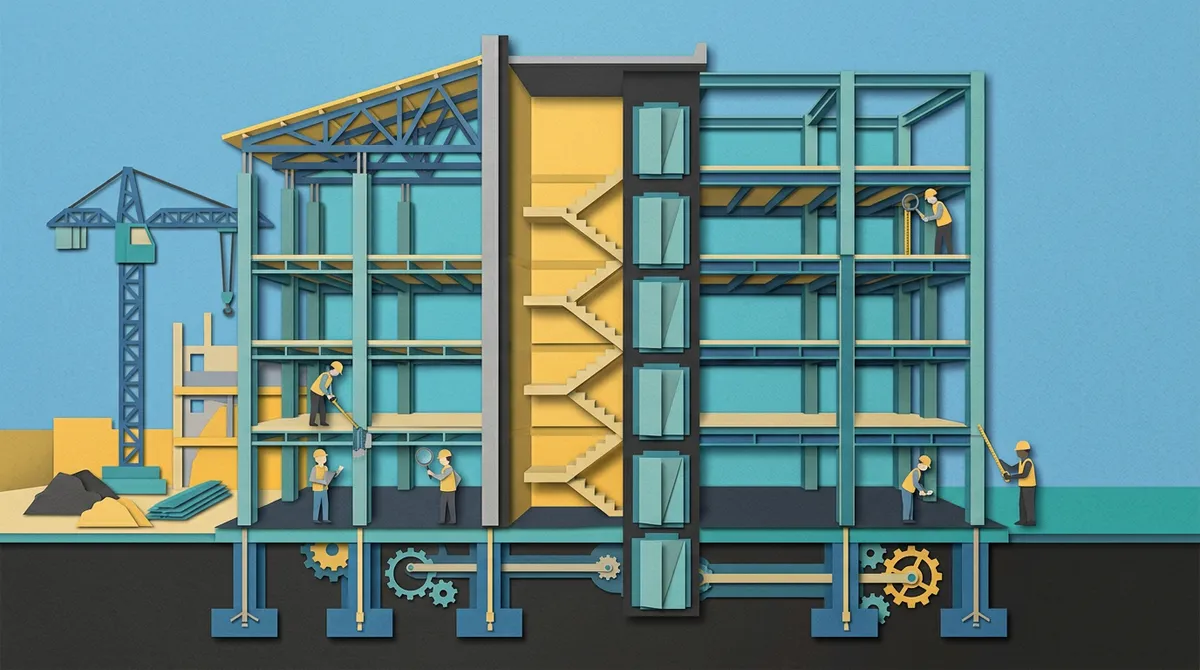
Licensed engineers pay close attention to specific parts of the building during recertification. Here’s what typically gets reviewed:
- Foundations and footings for signs of settlement or cracking
- Load-bearing walls, columns, and beams for stress or deterioration
- Balconies, canopies, and overhangs for structural soundness
- Roof systems and drainage for water intrusion risks
- Exterior facades and cladding for delamination or spalling
- Windows, sealants, and curtain walls for moisture barriers
If you’re curious about what foundation issues look like and why they matter, check out this helpful resource on understanding foundation cracks and hairline cracks in commercial buildings. Catching these issues early is far less costly than waiting until a structure shows serious failure.
Common Repairs Found After a 40-Year Inspection
After decades of use and exposure to South Florida’s harsh climate — salt air, hurricanes, and intense humidity — most buildings show some wear. Here are the repairs most commonly flagged during building inspection services:
- Concrete spalling and rebar corrosion on balconies and columns
- Roof membrane failures or drainage blockages
- Outdated or hazardous electrical wiring and panels
- Foundation cracks or uneven settling
- Water intrusion from failed window or door seals
- Deteriorated stairwells, handrails, or walkways
Identifying these issues early gives property owners time to plan repairs strategically. For condo boards and HOA managers, this is also valuable for budget planning and reserve studies. Learn more about the importance of 40-year building recertification for property longevity and how it protects your investment long term.
Who Should Use Professional Building Inspection Services?
The short answer? Anyone responsible for a building that’s approaching a milestone age. Here’s a closer look at who benefits most:
- Condo Association Boards: Boards in Miami-Dade and Broward face strict 90-day deadlines once a recertification notice is issued. Getting ahead of the inspection calendar protects residents and avoids emergency scrambles.
- Commercial Property Owners: Office towers, shopping plazas, and hotels all need structural and electrical assessments. These inspections also help maintain insurance coverage and property value.
- Apartment Building Owners: Multi-family residential buildings carry significant liability. A thorough inspection keeps residents safe and owners protected from legal exposure.
- HOA Property Managers: Managers overseeing residential complexes need reliable partners who can handle advanced inspection technology to meet county requirements efficiently.
- Real Estate Investment Firms: Firms managing aging portfolios need current recertification reports to facilitate sales, refinancing, or new insurance policies without delays.
Advanced Technology Makes Inspections More Accurate
Modern building inspection services go far beyond a clipboard and a flashlight. Today’s licensed engineers use tools that deliver faster, more accurate results with less disruption to your tenants and operations.
- Drone inspections provide aerial views of rooftops, facades, and hard-to-reach areas without scaffolding
- 3D laser scanning captures precise measurements and structural geometry for detailed documentation
- Infrared thermography reveals hidden moisture, insulation gaps, and electrical hot spots
- Digital report platforms allow faster submission of findings to local building authorities
These tools are especially helpful for large commercial buildings or high-rise condos where traditional hands-on access would be slow and expensive. They also produce cleaner documentation, which local authorities appreciate and often require.
Why O’Reilly Consultants Is the Right Partner
When it comes to building inspection services in South Florida, you want a team that knows the local codes, meets every deadline, and goes beyond the bare minimum. O’Reilly Consultants is a specialized engineering firm serving Broward and Miami-Dade Counties with deep expertise in building recertification inspections.
The team is led by qualifying architect Sherard O’Reilly, who specializes in ASTM E2018 property condition assessments. Construction Manager and Engineer Catalina Torres brings 27 years of civil engineering experience to every project. Project Engineer Rafael Ojeda adds 16+ years in environmental due diligence with over 1,000 Phase I Environmental Site Assessments completed across South Florida. This is a team that knows what they’re doing — and they’re focused entirely on getting your building certified right the first time.
Their services cover the full scope of recertification needs, including structural, electrical, and illumination inspections, property condition assessments, SIRS reports, and HOA reserve studies. They use drones and 3D scanning for precision, and they guide you through every step — from the county notice to final documentation submission. You can explore their 40-year recertification services to see exactly what’s included.
Consequences of Skipping Your Building Inspection
Some property owners put off recertification, hoping to buy more time. That’s a risky move. Here’s what can happen if you miss the deadline:
- Monetary fines from the county that grow the longer you wait
- Eviction or closure notices issued to building occupants
- Increased liability exposure if a structural issue injures someone
- Loss of insurance coverage or higher premium rates
- Complications with property sales, refinancing, or transfers
The cost of a professional inspection is small compared to these risks. And when you work with an experienced team, the process is smoother and faster than most owners expect.
How to Prepare for Your Building Inspection
Being organized before the inspection arrives saves time and reduces stress. Follow these steps to get ready:
- Gather all original building permits, architectural drawings, and previous inspection reports.
- Note any visible cracks, water stains, or areas of concern so the engineer can review them specifically.
- Ensure full access to all mechanical rooms, rooftops, electrical panels, and basement or crawl spaces.
- Notify tenants in advance if drone flights or equipment will be used near occupied areas.
- Review your building’s recertification history by checking Miami-Dade building recertification records to confirm your current status.
Ready to Schedule Your Building Inspection?
Staying ahead of your recertification deadline is one of the smartest things you can do as a property owner or manager. With the right team and the right tools, the entire process can be smooth, fast, and stress-free. We’d love to help you get there.
You can visit O’Reilly Consultants on Google to read reviews from property owners and managers just like you. When you’re ready to move forward, request a free quote from our team and we’ll walk you through your options. You can also reach us directly by calling (512) 567-1191 — we’re always happy to answer your questions and help you find the right path forward.
FAQs
Q: What is building recertification and who needs it?
A: Building recertification is a mandatory inspection process that confirms an aging structure is still safe and compliant with code. In Florida, it’s required for buildings in Miami-Dade and Broward Counties that have reached 40 years of age, and then every 10 years after that. If you own or manage an older commercial or residential building, this likely applies to you!
Q: How long does the building recertification inspection process take?
A: The timeline varies depending on the building’s size, condition, and whether any repairs are needed. A Phase One visual inspection can often be completed within a few days, while a full report and any follow-up Phase Two evaluations may take a few weeks. Working with an experienced team helps keep everything on schedule and within your 90-day deadline.
Q: What happens if my building fails its recertification inspection?
A: Don’t panic — a failed inspection doesn’t mean your building is condemned. It means repairs are required before the building can be certified. You’ll receive a report with clear recommendations, and you’ll have a set timeline to complete the work. Once repairs are done, a follow-up inspection confirms everything is in order.
Q: How much does a building recertification inspection cost?
A: Costs depend on the building’s size, type, location, and the scope of work needed. Smaller residential buildings will generally cost less than large commercial towers. The best way to get an accurate number is to request a free quote from a licensed engineer — it’s a quick conversation that saves a lot of guesswork!
Q: Who is qualified to perform building inspection services for recertification?
A: Only licensed engineers or architects are authorized to conduct official recertification inspections. In South Florida, it’s important to work with professionals who have specific experience in Miami-Dade and Broward County requirements. Firms like O’Reilly Consultants specialize exclusively in this type of work, which means you’re in very capable hands.