Key Takeaways
-
Buildings in Lauderhill must undergo electrical safety inspections when they reach 25 years old, with recertification required every 10 years thereafter, and sealed reports must be submitted within 90 days of the county notice.
-
Missing inspection deadlines can result in fines, property liens, or building evacuation orders, making compliance with the 180-day repair completion window critical for property owners.
-
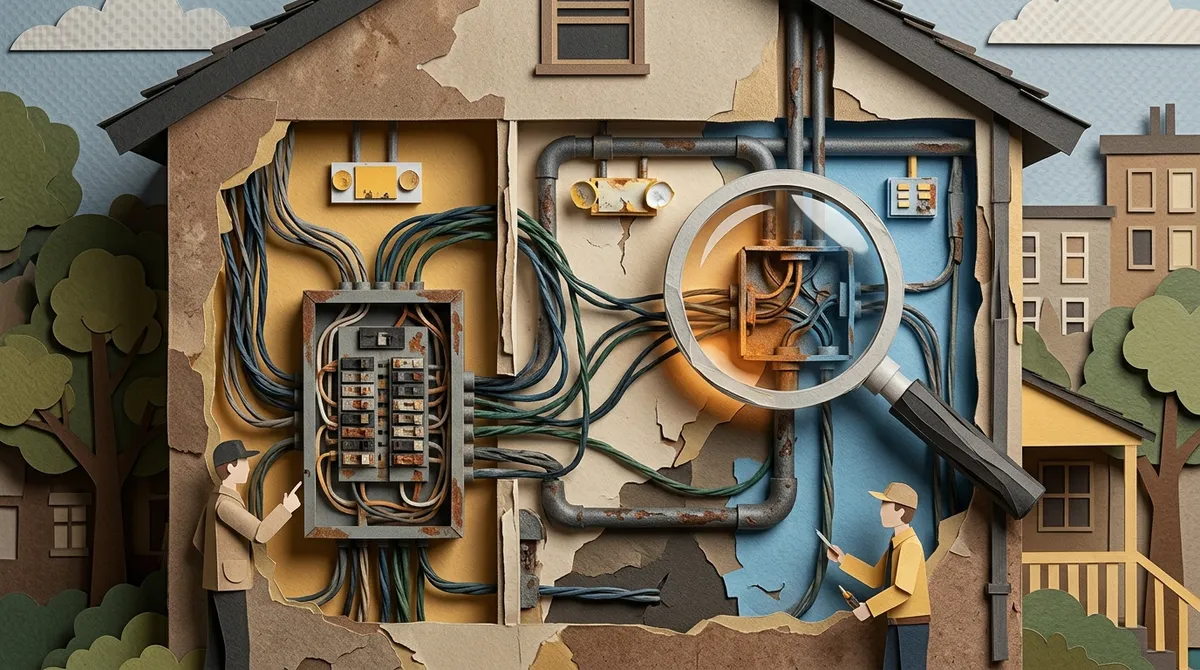
Common electrical deficiencies found include outdated wiring, overloaded circuits, faulty panels, corroded conduits, improper emergency lighting, and inadequate grounding systems that pose fire and electrocution hazards.
-
Only Florida-licensed electrical contractors can perform these mandatory inspections and provide sealed reports; hiring experienced professionals familiar with Broward County’s specific submission process ensures smoother compliance.
-
Condominiums, co-ops, commercial buildings, apartment complexes, and structures over 25 years old must comply, while single-family and two-family homes are generally exempt from the Building Safety Inspection Program.
-
Proactive planning before reaching the 25-year mark, gathering building records, and budgeting for potential repairs helps property owners avoid financial surprises and streamlines the recertification process.
If you own or manage a building in Lauderhill, Florida, electrical safety inspections are something you simply cannot ignore. Whether you’re on a condo board, managing an apartment complex, or overseeing a commercial property, Broward County’s Building Safety Inspection Program (BSIP) requires you to take action — and the clock is ticking. Electrical systems in aging buildings carry real risks, from fire hazards to electrocution dangers, and the county wants those risks identified and fixed. The good news? Once you understand what Lauderhill electrical safety inspections involve, the process becomes much less intimidating. This guide breaks it all down in plain, friendly language so you know exactly what to expect, when to act, and how to stay compliant without the stress.
What Are Lauderhill Electrical Safety Inspections?
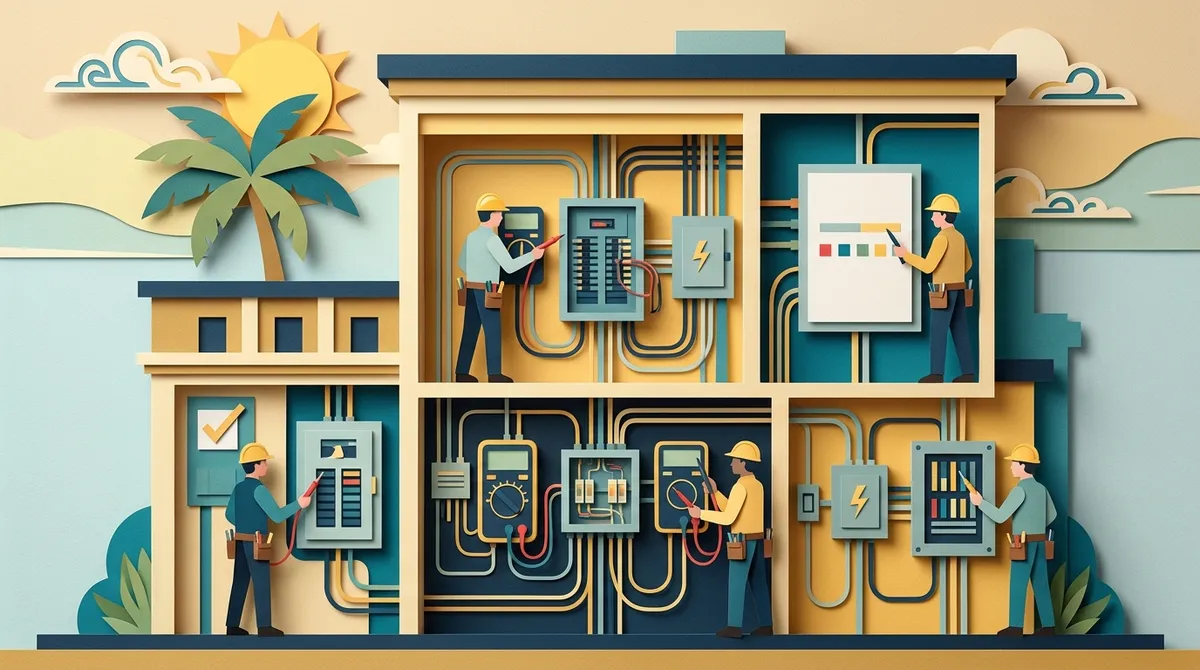
Lauderhill electrical safety inspections are formal evaluations of a building’s electrical systems, conducted as part of Broward County’s mandatory building recertification process. These inspections look at everything from wiring and circuit panels to conduits and emergency lighting. The goal is simple: confirm that the electrical systems in your building are safe, functional, and up to current code standards.
This process became even more critical after the 2021 Surfside condominium collapse, which prompted Florida to significantly strengthen its building safety laws. Today, electrical evaluations are treated with the same urgency as structural assessments. Buildings that were once inspected at the 30- or 40-year mark are now required to be recertified much sooner.

Who Needs a Lauderhill Electrical Safety Inspection?
Not every property in Lauderhill is subject to this requirement. Here’s a quick breakdown of who is — and who isn’t — required to comply:
- Condominiums and co-ops: Required to comply with Broward County’s BSIP once the building reaches 25 years of age
- Commercial buildings: Office towers, shopping plazas, hotels, and other commercial structures are included
- Apartment buildings: Multi-family residential buildings fall under the program
- Threshold buildings: Structures over three stories, 50 feet tall, or with assembly spaces exceeding 5,000 sq ft or 500 occupants
- Single-family and two-family homes: Generally exempt from the recertification requirement
If your building is 25 years or older and falls into one of the eligible categories above, you are required to participate. After the initial inspection, recertification is required every 10 years. For a deeper understanding of 40-year recertification requirements in South Florida, it’s worth reviewing the full timeline and what each cycle involves.
Broward County BSIP Timeline at a Glance
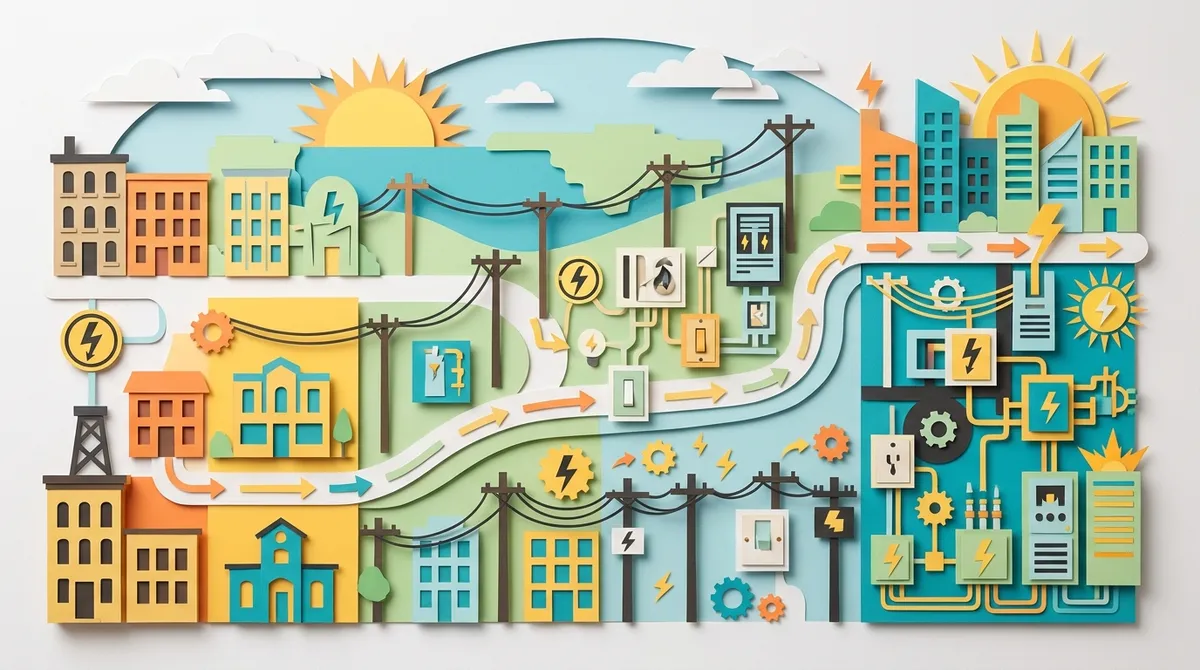
Understanding the key deadlines makes compliance much easier to manage. Here’s a summary of the most important timelines under Broward County’s Building Safety Inspection Program:
| Milestone | Requirement | Deadline |
|---|---|---|
| First Recertification | Building reaches 25 years of age | Upon county notice |
| Subsequent Recertifications | Every 10 years after initial inspection | Upon county notice |
| Report Submission | Submit sealed inspection report to building department | Within 90 days of notice |
| Deficiency Repairs | Permits pulled and repairs completed | Within 180 days of notice |
These timelines are firm. Missing them can result in fines, liens on your property, or even orders to vacate the building. Staying on top of your inspection schedule is not just a legal obligation — it’s a smart investment in your building’s future. You can also check your property’s status through the Miami-Dade Building Recertification Case Search tool for reference on how neighboring counties manage similar records.
Common Electrical Issues Found During Recertification
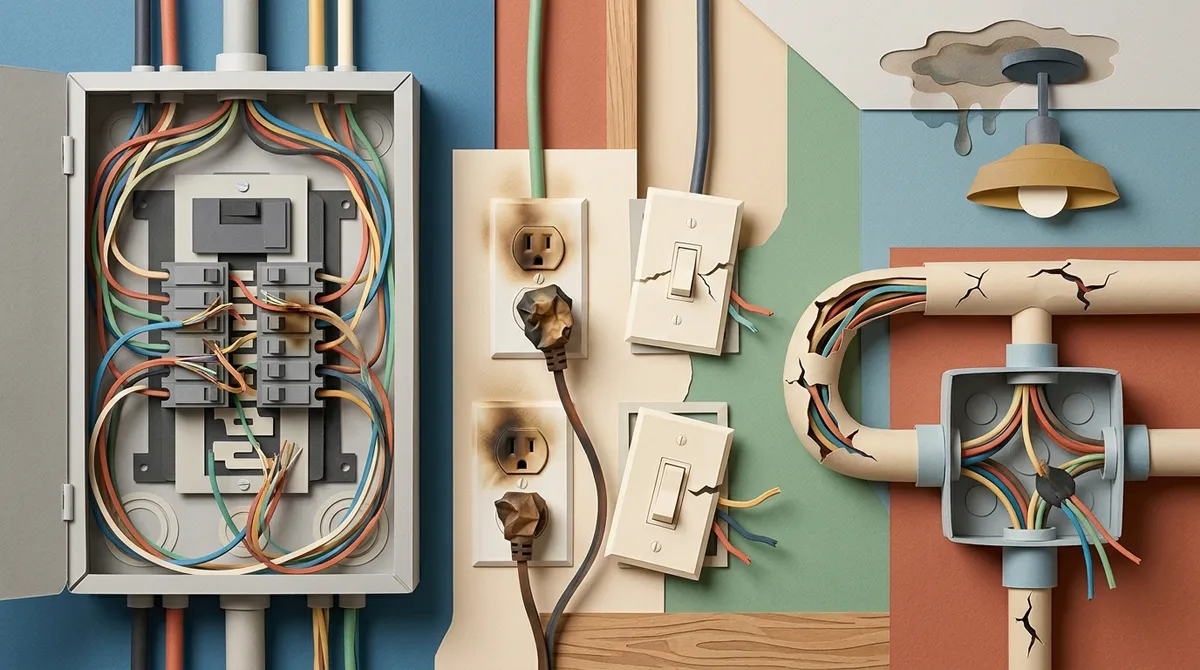
When inspectors evaluate a building’s electrical systems, they’re looking for specific problems that pose safety risks. Here are the most common deficiencies uncovered during Lauderhill electrical safety inspections:
- Outdated wiring: Older buildings often have aluminum or knob-and-tube wiring that no longer meets current safety standards
- Overloaded circuits: Electrical panels that are drawing more power than they were designed to handle
- Faulty or outdated panels: Circuit breaker panels that are past their service life or improperly installed
- Corroded conduits: Metal conduit that has deteriorated due to moisture exposure, especially common in South Florida’s humid climate
- Improper emergency lighting: Exit and emergency lighting systems that don’t function correctly or fail to meet code
- Missing or inadequate grounding: Systems that lack proper grounding, creating shock and fire hazards
Identifying these issues early is far less expensive than dealing with the consequences — fires, injuries, or catastrophic system failures. Learn more about the importance of building recertification for long-term property health and how proactive evaluations protect your investment.
How the Lauderhill Inspection Process Works
The inspection process in Lauderhill follows a clear, step-by-step path. Here’s what to expect from start to finish:
- Receive your county notice: Broward County will send an official notice when your building is due for recertification. This starts your 90-day clock.
- Hire a licensed professional: You must engage a Florida-licensed electrical contractor to perform the electrical safety inspection. They will evaluate all relevant systems and provide a sealed report.
- Complete the structural assessment too: Electrical inspections are typically conducted alongside structural evaluations. Both must be submitted together for full recertification.
- Submit your report: The sealed inspection report goes to the Lauderhill Building Department, located at City Hall, 5581 W Oakland Park Blvd. Some submissions require in-person applications along with contractor registration and proof of insurance.
- Address any deficiencies: If problems are found, you have up to 180 days to pull permits and complete repairs.
- Final sign-off: Once repairs are complete and verified, your building receives its recertification, giving you peace of mind for the next 10 years.
What Inspectors Actually Evaluate
It helps to know exactly what a licensed electrical contractor looks at during a recertification inspection. The evaluation is thorough and covers multiple systems throughout the building. Here’s what’s typically included:
- Main electrical service and panels: Inspectors check the age, condition, and capacity of the main electrical service entry and distribution panels.
- Branch circuit wiring: All wiring throughout the building is assessed for age, insulation condition, and code compliance.
- Emergency and exit lighting: Life safety lighting systems are tested to ensure they activate properly during power outages.
- Grounding and bonding systems: These systems are verified to confirm they protect occupants from electrical faults.
- Common area electrical systems: Hallways, parking garages, lobbies, and mechanical rooms all receive individual attention.
Why Working with an Experienced Team Matters
Not all building recertification firms are the same. The complexity of these inspections — especially in older South Florida buildings — demands a team with real experience and the right tools. O’Reilly Consultants is a specialized engineering firm serving Broward and Miami-Dade Counties, led by qualifying architect Sherard O’Reilly, whose expertise covers everything from ASTM E2018 property condition assessments to detailed building documentation.
The team also includes Construction Manager and Engineer Catalina Torres, with 27 years of civil engineering experience, and Project Engineer Rafael Ojeda, who has completed over 1,000 Phase I Environmental Site Assessments across South Florida. This depth of experience means your inspection isn’t just a checkbox — it’s a comprehensive evaluation that protects your property and your people.
O’Reilly Consultants also uses advanced technology like drones and 3D laser scanning, which allows for more accurate and efficient evaluations of hard-to-reach areas. Whether you manage a high-rise condo, a commercial office tower, or a large apartment complex, having this kind of expert support makes the entire process smoother and less stressful. You can even visit O’Reilly Consultants on Google to read reviews and see what other property owners and managers have experienced firsthand.
Permits and Repairs: What Happens If Issues Are Found
Finding deficiencies during a Lauderhill electrical safety inspection isn’t the end of the world — it’s actually the whole point of the program. When problems are identified, here’s what happens next:
- Your licensed contractor documents all deficiencies in the sealed report
- You apply for the required electrical permits through Lauderhill’s Building Department
- A qualified contractor performs the necessary repairs or upgrades
- City inspectors verify that the work meets current code requirements
- The completed work is documented and your recertification file is updated
The 180-day window for completing repairs might sound tight, but with a well-organized team supporting you, it’s very manageable. The important thing is not to delay once you receive your county notice. Procrastination is the biggest reason property owners end up facing fines or emergency orders.
For buildings with structural concerns alongside electrical issues, understanding foundation cracks and structural deficiencies in commercial buildings can help you plan repairs more effectively and prioritize your budget.
Recertification for Different Property Types
The recertification process applies across a wide range of property types in Lauderhill and throughout Broward County. Here’s a quick look at how it applies to different ownership situations:
| Property Type | Who’s Responsible | Key Consideration |
|---|---|---|
| Condominium Buildings | Condo Association Board | Board must coordinate with licensed professionals and communicate with unit owners |
| Commercial Buildings | Property Owner or Management Company | May involve complex multi-tenant electrical systems |
| Apartment Complexes | Apartment Building Owner | Systems serving individual units must also be evaluated |
| HOA-Managed Properties | HOA Property Manager | Must meet both county and HOA requirements simultaneously |
| Investment Properties | Real Estate Investment Firm | Recertification status affects property value, insurance, and financing |
If you own or manage properties in Miami-Dade County as well, you can review the official Miami-Dade County Recertification Program for guidance on how neighboring county requirements compare to Broward’s BSIP.
Tips for a Smooth Recertification Experience
A little preparation goes a long way when it comes to Lauderhill electrical safety inspections. Here are some practical tips to keep the process running smoothly:
- Don’t wait for the notice: If your building is approaching 25 years old, start planning now. Being proactive saves time and money.
- Gather your building records: Electrical as-built drawings, past inspection reports, and maintenance logs will all help your inspector work more efficiently.
- Budget for potential repairs: Older buildings almost always have some deficiencies. Setting aside funds in advance avoids financial surprises.
- Communicate with residents or tenants: If the inspection requires access to units or common areas, give people adequate notice. This reduces delays.
- Choose a team that handles both electrical and structural: Having one experienced firm manage both aspects of recertification simplifies coordination and ensures nothing falls through the cracks.
Take the Next Step Toward Compliance
Lauderhill electrical safety inspections don’t have to be overwhelming. With the right team by your side and a clear understanding of what’s required, you can meet every deadline, resolve every deficiency, and keep your building — and the people inside it — safe for years to come. Whether you’re a condo board member scrambling to meet a 90-day deadline or a real estate investment firm looking to protect your assets, expert guidance makes all the difference.
Ready to get started? Request a free consultation with O’Reilly Consultants today and let a seasoned team of building recertification experts walk you through every step of the process — from that first county notice all the way to your final sign-off.
FAQs
Q: When does a building in Lauderhill need its first electrical safety inspection for recertification?
A: Great question! Under Broward County’s Building Safety Inspection Program, your building’s first electrical safety inspection is required when the structure reaches 25 years of age. After that initial recertification, inspections are required every 10 years. So if your building is approaching that 25-year mark, now is the perfect time to start planning!
Q: Who is qualified to perform Lauderhill electrical safety inspections for building recertification?
A: Only Florida-licensed electrical contractors are authorized to perform these inspections and provide the sealed reports required for recertification. It’s important to work with a professional who understands both the technical requirements and Broward County’s specific submission process — that combination makes everything go so much more smoothly!
Q: What happens if my building fails its electrical safety inspection in Lauderhill?
A: No need to panic! If deficiencies are found, you’ll have up to 180 days from the county’s notice to pull the necessary permits and complete the required repairs. The inspection is designed to identify problems early, not to penalize you — think of it as a helpful heads-up that keeps your building and its occupants safe.
Q: Are single-family homes in Lauderhill required to undergo electrical safety inspections for recertification?
A: Single-family and two-family dwellings are generally exempt from Broward County’s Building Safety Inspection Program. The requirement typically applies to condominiums, co-ops, commercial buildings, apartment complexes, and threshold structures. If you’re unsure whether your property qualifies, a quick chat with a licensed recertification specialist can clear things up fast!
Q: How long does a Lauderhill electrical safety inspection take to complete?
A: The timeline varies depending on the size and complexity of your building, but most inspections can be completed within a few days. Larger or more complex buildings — like high-rises or commercial towers — may take a bit longer. Once the inspection is done, your contractor will prepare and seal the official report, which you’ll then submit to the Lauderhill Building Department within your 90-day window.