
Key Takeaways
-
Electrical safety inspections are mandatory for building recertification in Pembroke Park and missing them results in fines, failed recertifications, and compliance penalties.
-
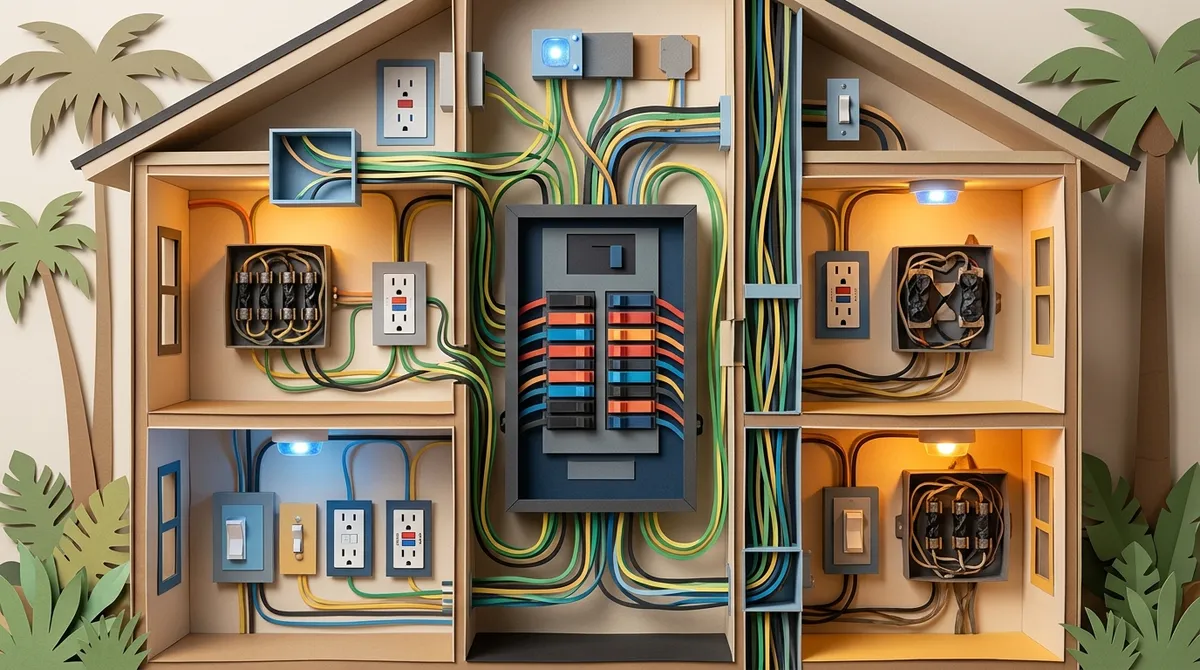
Inspections evaluate electrical panels, wiring systems, outlets, safety devices (GFCI/AFCI), and emergency lighting against current NEC and Florida Building Code standards, not original construction codes.
-
Buildings approaching 30-, 40-, or 50-year recertification milestones commonly have outdated wiring, undersized panels, missing GFCI protection, and lack of AFCI breakers that must be corrected.
-
All electrical repairs identified during inspection require permits from Pembroke Park’s Building Department, and contractors must be registered with the town before work begins.
-
Gathering historical permit records dating back to 1988, reviewing previous inspection reports, and ensuring inspector access to electrical areas streamlines the inspection process significantly.
-
Working with a specialized recertification team familiar with Florida Building Code and Broward County requirements accelerates report completion and prevents costly delays in obtaining your Certificate of Use.
If you own or manage a building in Pembroke Park, FL, you already know that keeping up with local requirements is no small task. One area that often catches property owners off guard is electrical safety inspections as part of the building recertification process. These aren’t just routine checkups — they’re a mandatory part of proving your building is safe, code-compliant, and fit for occupancy. And missing them? That can mean fines, failed recertifications, and some very unhappy tenants or board members.
Whether you manage a condo association, own a commercial property, or oversee a multi-family apartment complex, Pembroke Park electrical safety inspections are a key piece of the recertification puzzle. This guide breaks down exactly what they involve, why they matter, and how to navigate the process with confidence.
What Are Pembroke Park Electrical Safety Inspections?
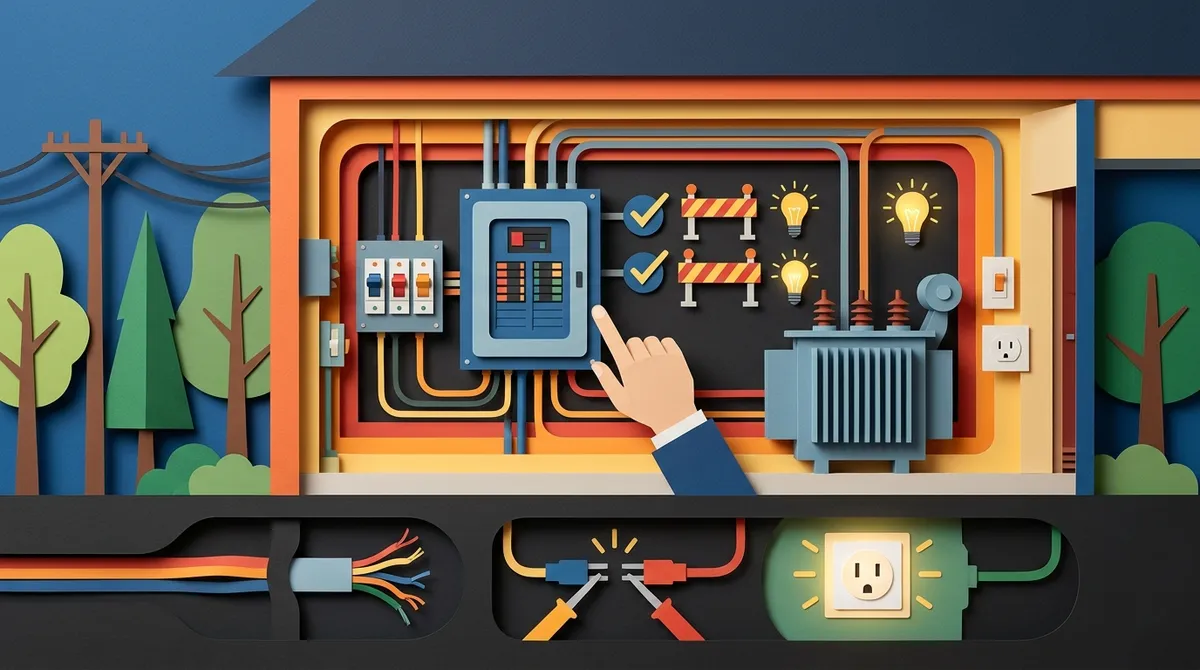
In the context of building recertification, electrical safety inspections go well beyond flipping a few switches. These are formal assessments conducted as part of Pembroke Park’s Building Department requirements under the Florida Building Code. They verify that a building’s electrical systems meet current National Electrical Code (NEC) standards and are safe for continued use.
Pembroke Park’s Building Department is responsible for processing permit applications, reviewing plans, issuing permits, and performing inspections across all construction and recertification phases. Electrical work that changes a building’s occupancy or involves significant alterations requires permits — and those permits come with required inspections.
For older buildings especially, these inspections are a critical moment of truth. A system that worked fine 30 years ago may no longer meet today’s safety standards. That’s why 40-year recertification milestones often surface electrical issues that need immediate attention.
What Do Electrical Inspections Cover?
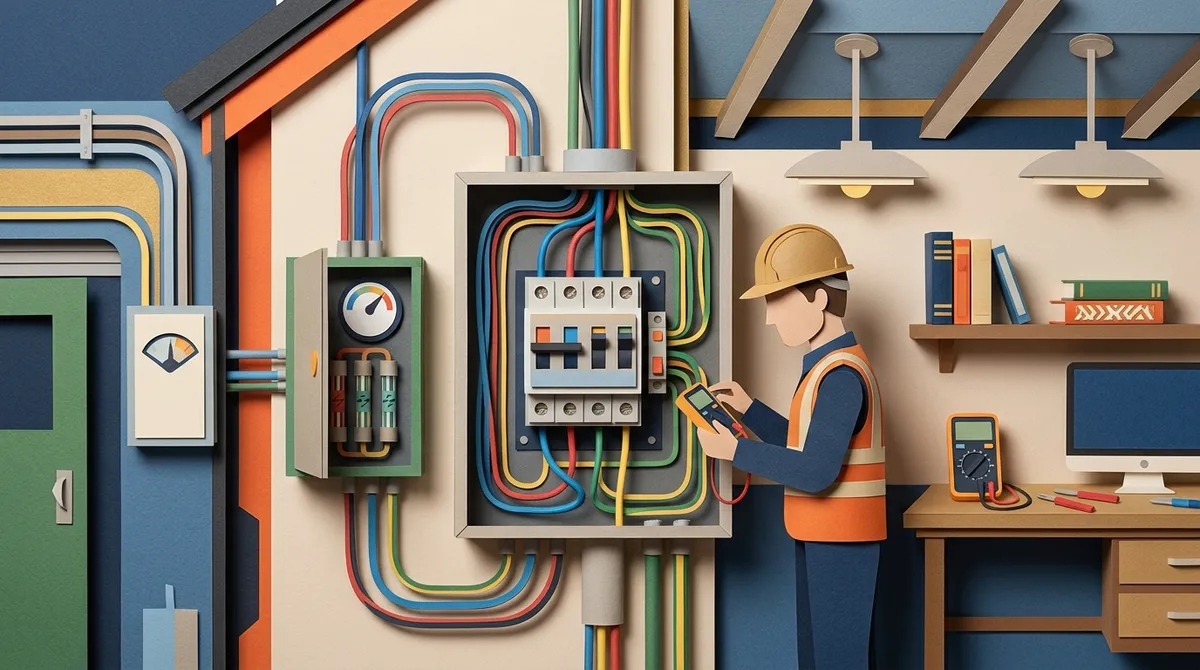
During a Pembroke Park electrical safety inspection for recertification, a licensed professional will assess several components of your building’s electrical system. Here’s a breakdown of what typically gets evaluated:
- Electrical panels and breaker boxes — checking for capacity, condition, and code compliance
- Wiring systems — looking for outdated, damaged, or improperly installed wiring
- Outlets and receptacles — verifying grounding, GFCI protection in wet areas, and proper installation
- Safety devices — smoke detectors, arc fault circuit interrupters (AFCIs), and surge protection
- Illumination systems — common area and emergency lighting compliance
- Installation quality — confirming all work meets NEC and Florida Building Code standards
This level of detail matters because electrical failures are among the leading causes of building fires. A thorough inspection isn’t just a box to check — it’s genuine protection for everyone inside your building.

How Does This Fit Into Building Recertification?
Building recertification in Broward County is a structured process with specific timelines and documentation requirements. Electrical safety inspections are one of the required components, alongside structural assessments. The goal is to confirm that buildings — especially older ones — remain safe and suitable for occupancy.
Here’s how electrical inspections typically fit into the broader recertification workflow:
- Receive the county’s inspection notice — Broward County will notify building owners when recertification is due.
- Hire a licensed professional — You’ll need a qualified engineer or inspector to conduct the electrical and structural evaluations.
- Complete the electrical safety inspection — The inspector assesses all relevant systems against NEC and Florida Building Code standards.
- Document findings — A formal report is prepared outlining any deficiencies and required repairs.
- Complete repairs within the mandated timeline — Any issues identified must be corrected and re-inspected.
- Submit documentation to the county — Final reports and permit records are submitted to complete the recertification process.
Missing any step in this sequence can delay your Certificate of Use or trigger penalties. That’s why working with an experienced team from the start saves time, money, and stress. You can learn more about the importance of 40-year building recertification for property longevity to understand the full picture.

Florida Building Code and NEC Standards Explained
Pembroke Park falls under Broward County jurisdiction, which enforces the Florida Building Code. This code incorporates NEC standards as the baseline for all electrical work. The NEC is updated every three years, meaning older buildings may be operating under outdated rules that no longer meet current safety benchmarks.
For property owners, this is important for two reasons. First, recertification inspections will measure your building against current code. Second, any repairs or upgrades required must also comply with the current code — not the code that was in place when the building was originally constructed.
The Miami-Dade County Recertification program provides a useful reference for understanding regional recertification requirements, many of which mirror Broward County standards. Staying informed about both county frameworks is smart planning, especially for property owners with buildings in multiple locations.
Key Permit Requirements for Electrical Work in Pembroke Park
If your electrical inspection reveals issues that need fixing, you’ll almost certainly need permits before the work begins. Here’s what Pembroke Park’s Building Department requires:
- Contractors must be registered with the Town of Pembroke Park
- All qualifications and licensing documentation must be provided upfront
- Permit cards must be visible and accessible during all inspection phases
- Permits are required for constructing, enlarging, altering, repairing, or changing the occupancy of structures
- Past permits issued from 1988 onward can be reviewed online through the town’s permitting software — helpful for recertification compliance checks
Having a solid paper trail of your building’s permit history is genuinely useful during recertification. It helps inspectors understand what work has been done, when it was done, and whether it was done correctly.
Common Electrical Issues Found in Older Pembroke Park Buildings
Buildings in Pembroke Park that are approaching their 30-, 40-, or even 50-year mark often share similar electrical challenges. Knowing what to expect helps you plan ahead.
| Common Issue | Potential Risk | Typical Action Required |
|---|---|---|
| Outdated wiring (aluminum or knob-and-tube) | Fire hazard, insurance issues | Full or partial rewiring |
| Undersized electrical panels | Circuit overloads, tripped breakers | Panel upgrade or replacement |
| Missing GFCI protection | Electrocution risk in wet areas | Install GFCI outlets and breakers |
| Lack of AFCI breakers | Arc faults leading to fires | Install AFCI breakers per NEC |
| Damaged or exposed wiring | Short circuits, fire risk | Repair and re-inspect |
| Non-compliant emergency lighting | Safety risk during power outages | Upgrade to code-compliant fixtures |
Spotting these problems early — before they become emergency repairs — is one of the biggest advantages of proactive recertification inspections. And if structural concerns come up during this process too, it’s worth reading about understanding foundation cracks and hairline cracks in commercial buildings, since structural and electrical issues often go hand in hand in aging properties.
Why Work With a Specialized Recertification Team?
Not all building inspectors are created equal. For Pembroke Park electrical safety inspections tied to recertification, you want a team with deep expertise in both the technical and regulatory sides of the process. That means professionals who know the Florida Building Code inside and out, understand Broward County’s specific recertification requirements, and have the tools to do the job right.
O’Reilly Consultants brings exactly that kind of specialized experience to every project. Led by qualifying architect Sherard O’Reilly, with support from Civil Engineer Catalina Torres (27 years of experience) and Project Engineer Rafael Ojeda (16+ years in environmental due diligence with over 1,000 Phase I ESAs completed), the team is built for the complexity of South Florida building recertification.
They use advanced tools like drones and 3D laser scanning to conduct thorough evaluations quickly and accurately. This means faster reports, clearer findings, and less disruption for your tenants or residents. You can even visit their Google Business Profile to see what other property owners and managers have to say about working with their team.
Who Needs These Inspections Most?
Pembroke Park electrical safety inspections for building recertification are relevant to a wide range of property owners. Here are the groups who should be paying close attention:
- Condo association boards — managing buildings that hit their 30- or 40-year recertification milestone
- Commercial property owners — including office buildings, retail plazas, and hotels over three stories or 50 feet tall
- HOA property managers — facing 90-day inspection deadlines with complex documentation requirements
- Apartment building owners — especially multi-family properties where electrical system failures affect many residents at once
- Real estate investment firms — needing clean recertification reports to maintain property value, secure insurance, and support financing
If your building falls into any of these categories and is approaching a recertification deadline, acting early gives you the most time to address any issues without penalties. You can also search Miami-Dade Building Recertification Cases to check the status of specific properties and stay informed about your compliance standing.
How to Prepare for Your Electrical Safety Inspection
A little preparation goes a long way. Here are some practical steps to take before your inspection:
- Gather your permit history — Pull records going back as far as possible, especially any electrical permits issued since 1988.
- Review previous inspection reports — Any flagged issues from past inspections should be addressed before the current assessment.
- Ensure access to all electrical areas — Inspectors need clear access to panels, junction boxes, utility rooms, and common areas.
- Verify contractor registrations — Any recent electrical work should have been done by a registered contractor with valid permits.
- Schedule a pre-inspection walkthrough — A quick review with your recertification team can surface obvious issues before the formal report.
Being organized and proactive makes the whole process smoother — for you, your tenants, and the inspection team. It also signals to the county that your property is well-managed and maintained, which never hurts.
Getting Your Certificate of Use After Recertification
The end goal of the entire recertification process is your Certificate of Use — the official document confirming your building is safe, compliant, and legally permitted for occupancy. For electrical systems, this means the inspection found no unresolved issues, all required repairs were completed, and final documentation was submitted correctly.
Working with a knowledgeable recertification team means you’re guided through every step — from the initial county notice to final submission. That guidance is especially valuable if your inspection reveals significant electrical upgrades are needed, since managing contractors, permits, and re-inspections simultaneously can get complicated fast.
If you’re ready to get started or just want to understand your options, reach out to O’Reilly Consultants for a free consultation — the sooner you start, the more smoothly the process goes.
Final Thoughts on Electrical Safety and Building Recertification
Pembroke Park electrical safety inspections are not something to put off or rush through. They’re a foundational part of keeping your building safe, your tenants protected, and your property compliant with Florida law. Whether you’re facing your first recertification or your fifth, understanding what the electrical inspection involves — and working with the right team — makes all the difference.
The good news? You don’t have to figure it all out alone. With the right partners and a clear process, recertification can be a smooth, manageable experience rather than a stressful scramble. Your building has stood for decades — a thorough electrical inspection helps make sure it stands safely for decades more.
Don’t wait for a county notice to catch you off guard. Request your free recertification quote today and take the first step toward full compliance and peace of mind.
FAQs
Q: What does a Pembroke Park electrical safety inspection include for building recertification?
A: Great question! A Pembroke Park electrical safety inspection for recertification covers your building’s electrical panels, wiring systems, outlets, safety devices like GFCI and AFCI breakers, and emergency lighting. Everything is evaluated against National Electrical Code (NEC) standards and the Florida Building Code to confirm your building is safe and compliant.
Q: How do I know if my building in Pembroke Park needs an electrical safety inspection?
A: If your building is approaching its 30-, 40-, or 50-year recertification milestone, or if Broward County has sent you an inspection notice, it’s time to schedule an electrical safety inspection. It’s always a good idea to get ahead of the deadline — early action gives you plenty of time to address any issues without stress or penalties.
Q: Do I need a permit for electrical repairs found during a Pembroke Park recertification inspection?
A: Yes, most electrical repairs identified during a recertification inspection will require permits from Pembroke Park’s Building Department. Contractors must be registered with the town, and all work must comply with the Florida Building Code. The good news is that a knowledgeable recertification team can help guide you through the permitting process smoothly.
Q: How long does it take to complete the electrical recertification process in Pembroke Park?
A: The timeline depends on the condition of your building’s electrical systems and how quickly any required repairs can be completed. Typically, the inspection itself is done in one visit, but if repairs are needed, you’ll want to budget time for permitting, contractor work, and re-inspection. Starting early — ideally before your county notice deadline — is always the best approach.
Q: Can I use the same team for both structural and electrical recertification inspections in Pembroke Park?
A: Absolutely, and it’s actually the most efficient approach! Working with a full-service recertification team like O’Reilly Consultants means your structural and electrical assessments are coordinated, your reports are consistent, and you have one trusted point of contact throughout the entire process. It saves time and reduces the chance of anything falling through the cracks.