

Key Takeaways
-
Buildings in Parkland must undergo mandatory electrical safety inspections at 25 years of age, then every 10 years thereafter; missing deadlines results in fines, legal complications, and potential building closure.
-
You have only 90 days from receiving the county inspection notice to submit your sealed electrical recertification report, with 180 days total to complete any life-safety repairs found.
-
Only licensed electrical contractors can perform and seal electrical recertification reports in Florida; verify your contractor is registered in Parkland’s MGO electronic permitting portal before hiring.
-
Common electrical deficiencies in older Parkland buildings include outdated aluminum wiring, overloaded circuits, corroded components, inadequate grounding, and faulty breaker panels that must be fixed within 180 days.
-
Ignoring electrical deficiencies can result in fines, Notice of Unsafe Structure designation, building closure, insurance denial, property sale complications, and increased liability for electrical fires or injuries.
-
Advanced inspection technology like drone imaging and 3D laser scanning provides faster, more accurate electrical assessments with fewer blind spots compared to traditional manual inspection methods.
If you own or manage a building in Parkland, FL, you’ve probably heard about the Broward County Building Safety Inspection Program (BSIP). Keeping up with Parkland electrical safety inspections is not just a legal requirement — it’s one of the smartest things you can do to protect your property, your residents, and your investment. Whether you manage a condo community, an apartment complex, or a commercial building, understanding these inspections can save you from costly surprises down the road.
This guide breaks down everything you need to know in plain, simple language. From timelines and costs to what inspectors actually look for, we’ve got you covered. Let’s dive in!

1. Parkland Follows Broward County’s Building Safety Inspection Program
Parkland’s Building Department operates under Broward County’s Building Safety Inspection Program (BSIP). This program applies to residential and commercial threshold buildings across the county. It ensures that aging structures remain safe and code-compliant for all occupants.
The program includes both structural and electrical safety evaluations. Buildings must be inspected at specific intervals throughout their lifespan. Miami-Dade County Recertification follows a similar framework, so owners with properties in both counties will find the processes familiar.

2. Your Building’s First Inspection Happens at Year 25
In Broward County, the clock starts ticking when your building turns 25 years old. At that point, your first mandatory safety inspection is required. After that initial inspection, recertifications happen every 10 years.
Here’s a quick timeline to keep in mind:
- Year 25: First mandatory structural and electrical safety inspection
- Year 35: Second recertification inspection required
- Year 45: Third recertification inspection required
- Year 55 and beyond: Continued every 10 years thereafter
Missing these deadlines can result in penalties, fines, and serious legal complications. Staying ahead of the schedule is always the right move. If you’re unsure when your building was first permitted, Parkland’s Building Department can help you confirm that date.
3. Electrical Inspections Cover These Critical Systems
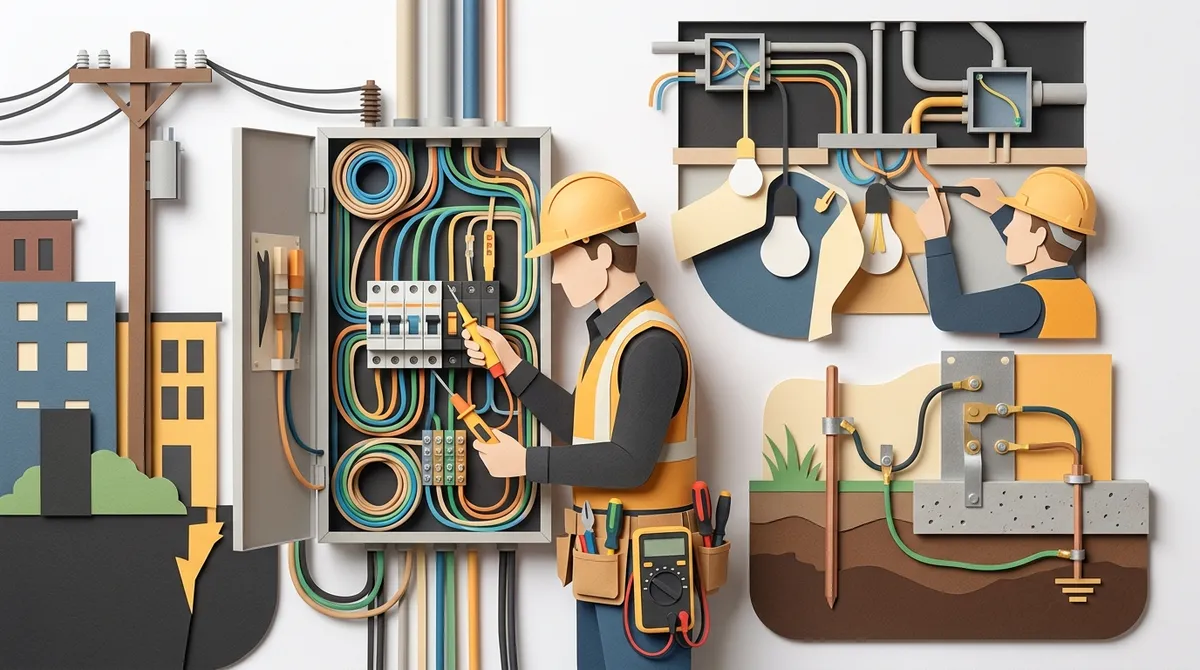
So what exactly do inspectors check during Parkland electrical safety inspections? The answer is: quite a lot! Electrical assessments during building recertification are thorough and detailed. They go well beyond a simple visual check.
Here are the key systems and components reviewed:
- Wiring condition and age (especially aluminum wiring in older buildings)
- Circuit breakers and electrical panels
- Surge protection systems
- Grounding and bonding connections
- Emergency lighting and exit sign functionality
- Electrical load distribution across circuits
- Compliance with the National Electrical Code (NEC)
- Compliance with the Florida Building Code
Each of these areas directly impacts the safety of everyone inside your building. Inspectors are trained to spot issues that might not be visible to the untrained eye. This is why hiring experienced professionals for your Parkland electrical safety inspections is so important.
4. Only Licensed Electrical Contractors Can Perform These Inspections
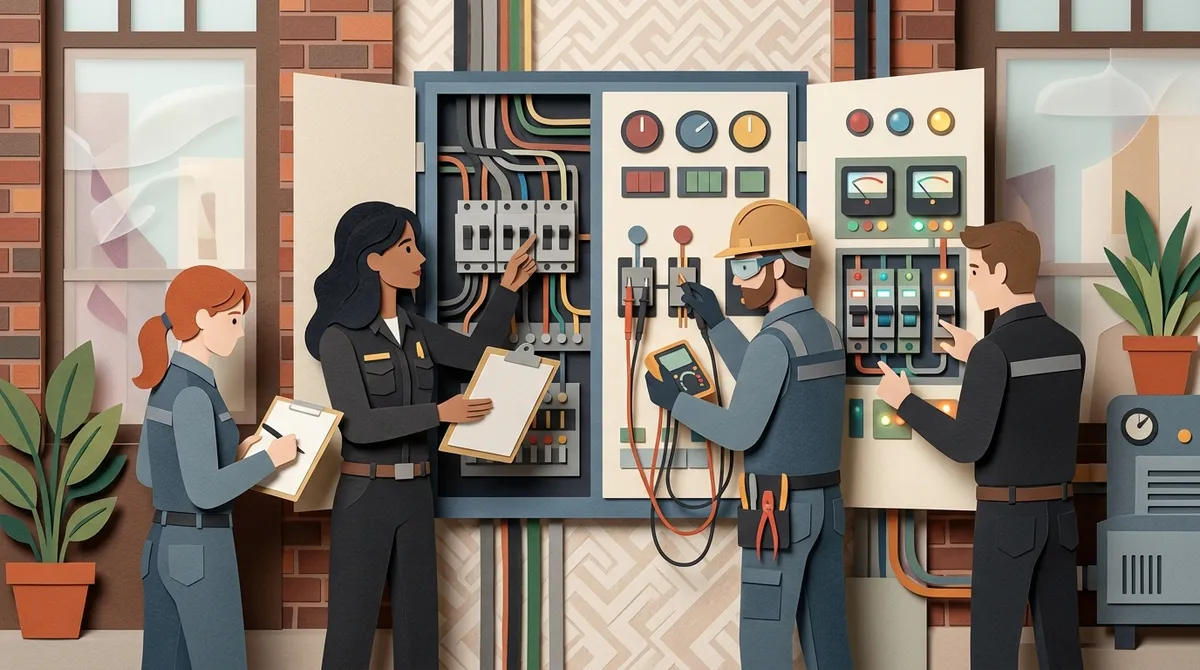
Here’s something many building owners don’t realize right away. Not just anyone can sign off on an electrical recertification report in Florida. The inspection must be performed by a licensed electrical contractor. The final report must also be sealed and submitted officially.
Working with the right team from the start prevents costly re-submissions and delays. O’Reilly Consultants works with licensed professionals to coordinate comprehensive recertification inspections, ensuring every report meets Broward County’s requirements the first time.
5. You Have 90 Days to Submit Your Report
Once you receive your inspection notice from the county, the clock starts ticking. You have 90 days to submit your completed recertification report. This includes both the structural and electrical safety components.
If deficiencies are found during the inspection, here’s how the repair timeline works:
- Day 1: You receive your official inspection notice from the county
- Day 90: Deadline to submit your sealed recertification report
- Day 180: Deadline to complete all repairs for life-safety deficiencies
The 90-day window sounds generous, but scheduling licensed professionals, completing the inspection, and preparing a sealed report can take time. Starting early is always the best strategy. Don’t wait for the notice to land before you start researching your options.
6. Common Electrical Deficiencies Found in Parkland Buildings
Years of use, weather exposure, and evolving code standards mean that electrical deficiencies are common in older Broward County buildings. Knowing what to expect can help you prepare mentally and financially.
The most frequently found electrical issues include:
- Outdated wiring: Older aluminum or knob-and-tube wiring that no longer meets current safety codes
- Overloaded circuits: Electrical systems not designed to handle modern power demands
- Faulty or outdated panels: Breaker panels that trip frequently or lack proper safety ratings
- Corroded components: South Florida’s humidity accelerates corrosion in electrical connections
- Inadequate grounding: Missing or improper grounding that poses shock and fire risks
- Malfunctioning emergency lighting: Exit signs and backup lighting that fail during power outages
Finding these issues during a scheduled inspection is actually a good thing. It gives you the time and opportunity to make repairs before something more serious happens. Think of it as a heads-up, not a punishment!
7. Parkland Uses the MGO Electronic Permitting Portal
Scheduling inspections and managing permits in Parkland, FL is handled through the MGO electronic permitting system. Contractors must be registered in the system to schedule electrical inspections on your behalf. It’s worth confirming that your inspection team is already set up in MGO before you hire them.
It’s also worth noting that Parkland updated its permit fee schedule effective October 1, 2025, per Resolution No. 2025-054. If you’re budgeting for your recertification process in 2026, make sure you’re working with the updated fee structure. Your inspection team should be familiar with these changes.
You can also check the status of any building recertification case through the Search Miami-Dade Building Recertification Cases portal for reference if your building straddles county lines or if you manage properties in both counties.
8. Ignoring Electrical Deficiencies Has Real Consequences
Some building owners hope that electrical issues discovered during recertification will just disappear if they wait long enough. Spoiler alert: they don’t. And the consequences of ignoring deficiencies can be severe.
Here’s what can happen if you don’t address electrical deficiencies within the mandated timeframe:
- Financial fines and penalties from Broward County
- A Notice of Unsafe Structure on your property
- Potential forced closure or evacuation of the building
- Difficulty obtaining or renewing property insurance
- Complications with property sales, refinancing, or investor interest
- Increased liability in the event of an electrical fire or injury
For condo boards, HOA managers, and commercial property owners, these outcomes can be devastating. The good news is that all of them are entirely preventable with timely action. Understanding the importance of building recertification for property longevity helps put these stakes in proper perspective.
9. Advanced Technology Makes Inspections Faster and More Accurate
One of the most exciting developments in building recertification today is the use of advanced inspection technology. Gone are the days when inspectors had to rely entirely on manual checks and educated guesses. Modern tools are changing the game.
Here’s a comparison of traditional vs. advanced inspection methods:
| Inspection Method | Traditional Approach | Advanced Technology |
|---|---|---|
| Exterior Assessment | Visual check from ground level | Drone imaging for full coverage |
| Structural Mapping | Manual measurements and sketches | 3D laser scanning for precision |
| Report Accuracy | Subject to human error | Data-driven, highly accurate reports |
| Turnaround Time | Slower due to manual processes | Faster assessments and documentation |
| Hard-to-Reach Areas | Limited access, potential blind spots | Full access via drones and imaging |
O’Reilly Consultants uses drones and 3D laser scanning as part of their building recertification process. This means you get more accurate reports, fewer surprises, and faster turnaround — all within your 90-day window. Their team includes owner and qualifying architect Sherard O’Reilly, civil engineer Catalina Torres with 27 years of experience, and project engineer Rafael Ojeda with over 1,000 Phase I Environmental Site Assessments under his belt.
For more details about how the 40-year recertification process works, their website has a great breakdown of what’s involved at each stage.
What Building Types Need Electrical Safety Inspections in Parkland?
You might be wondering whether your specific property type falls under the BSIP requirements. The program applies broadly across both residential and commercial categories. Here’s a quick breakdown of who needs to pay attention:
- Condominium buildings: Condo association boards must coordinate inspections and submit reports on time
- Apartment complexes: Multi-family residential buildings 25 years or older trigger mandatory recertification
- Office buildings: Commercial properties that meet threshold size requirements
- Retail and shopping plazas: Multi-tenant commercial properties qualify based on age and size
- Hotels and hospitality buildings: Subject to recertification requirements like other commercial threshold buildings
- HOA-managed communities: Residential complexes with shared structural systems need coordinated inspections
If you’re not sure whether your property qualifies, reaching out to a licensed inspection team is a smart first step. You can also request a free consultation to get clarity on your specific building’s requirements without any obligation.
How to Prepare for Your Parkland Electrical Safety Inspection
A little preparation goes a long way when it comes to building recertification. The smoother your inspection process, the faster you’ll get your report submitted and your building cleared. Here’s a simple preparation checklist:
- Gather your building documents: Original construction permits, past inspection reports, and any previous electrical upgrades
- Note any known issues: Make a list of electrical problems you’ve noticed so the inspector can give them special attention
- Confirm contractor registration: Verify your inspection team is registered in Parkland’s MGO permitting portal
- Clear access points: Ensure electrical panels, utility rooms, and mechanical spaces are accessible on inspection day
- Budget for repairs: Set aside funds in case deficiencies are found and repairs are needed within the 180-day window
Being proactive puts you firmly in the driver’s seat. You can also learn more about related issues like understanding foundation cracks and structural issues in commercial buildings that often come up alongside electrical concerns during recertification.
Ready to Schedule Your Parkland Electrical Safety Inspection?
Staying compliant with Parkland electrical safety inspections doesn’t have to be stressful. With the right team by your side, the entire process — from receiving your county notice to submitting your sealed report — can be smooth, efficient, and well within your deadlines.
O’Reilly Consultants is a trusted name in building recertification across Broward and Miami-Dade Counties. Their highly specialized engineering team uses advanced drone technology and 3D imaging to deliver detailed, accurate reports that exceed county requirements. You can visit O’Reilly Consultants on Google to read reviews and learn more about their reputation in the South Florida market.
Don’t wait until your 90-day deadline is staring you down. Request a free quote today and take the first step toward a stress-free, fully compliant building recertification in Parkland, FL.
FAQs
Q: When does a building in Parkland, FL need its first electrical safety inspection?
A: Great question! In Broward County, your building’s first mandatory electrical and structural safety inspection is required when the building reaches 25 years of age. After that initial inspection, recertifications are required every 10 years, so staying on top of those milestone dates is really important for avoiding penalties.
Q: Who is qualified to perform electrical safety inspections for building recertification in Parkland?
A: Only licensed electrical contractors can legally perform and seal electrical recertification reports in Florida. It’s important to confirm that your inspection team holds the proper licensing and is registered in Parkland’s MGO electronic permitting portal so they can schedule inspections on your behalf without any hiccups.
Q: What happens if electrical deficiencies are found during a Parkland building recertification inspection?
A: Don’t panic — finding deficiencies is actually the system working as intended! Once deficiencies are identified in your report, you have up to 180 days to complete all required repairs for life-safety issues. Your inspection team will outline exactly what needs to be fixed, and a qualified contractor can help you prioritize and address those repairs within the mandated timeline.
Q: How long do I have to submit my electrical recertification report in Broward County?
A: After you receive your official inspection notice from the county, you have 90 days to submit your completed and sealed recertification report — covering both structural and electrical components. We always recommend starting the process as soon as possible, because scheduling licensed professionals and preparing a proper report takes time, especially in a busy market like South Florida.
Q: Does the Broward County Building Safety Inspection Program apply to both residential and commercial buildings in Parkland?
A: Yes, it absolutely does! The BSIP covers both residential threshold buildings (like condos and apartments) and commercial properties that meet size and age requirements. Whether you’re a condo board member, an HOA property manager, or a commercial building owner, it’s worth checking your building’s age and permit date to confirm when your next recertification milestone falls.