Key Takeaways
-
Electrical safety inspections are mandatory for Pembroke Pines buildings during 30- or 40-year recertification, insurance renewal, or county compliance notices, with 90-day deadlines that move quickly.
-
Watch for red flags like frequent circuit breaker trips, flickering lights, warm outlets, burning smells, or visible sparks—addressing these before your official inspection puts you in a stronger position and avoids costly delays.
-
Hire a licensed engineering firm familiar with Broward County codes and conduct a pre-inspection walkthrough to identify visible issues like exposed wiring, outdated panels, or non-functional GFCI outlets before the official assessment.
-
Inspectors evaluate electrical panels, wiring systems, outlets, surge protection, lighting, and underground utilities against National Electrical Code (NEC) standards, with common failures including outdated panels, aluminum wiring, and missing GFCI protection.
-
All outlets within six feet of water sources must be GFCI-protected, electrical panels must be properly labeled and accessible, and wiring must be insulated and protected—these NEC requirements are non-negotiable for passing recertification.
-
Gather previous inspection reports, electrical upgrade permits, and maintenance records early; incomplete documentation can stall your county report submission and delay the entire recertification process.
If you own or manage a building in Pembroke Pines, electrical safety inspections are something you simply cannot afford to ignore. Whether you’re facing a 40-year recertification deadline, an insurance renewal, or a county compliance notice, your building’s electrical system is under the microscope. The good news? With the right preparation and the right team, passing your inspection doesn’t have to be stressful.
Pembroke Pines electrical safety inspections are a core part of the building recertification process in Broward County. They check that your wiring, panels, outlets, and electrical fixtures meet current safety codes — protecting your residents, tenants, and property from serious hazards like electrical fires. Nationally, electrical fires claim around 280 lives and injure over 1,000 people every year, making these inspections far more than just paperwork.
In this guide, we’ll walk you through exactly what to expect, how to prepare, and how to make the process as smooth as possible. Let’s get started!
What Are Pembroke Pines Electrical Safety Inspections?
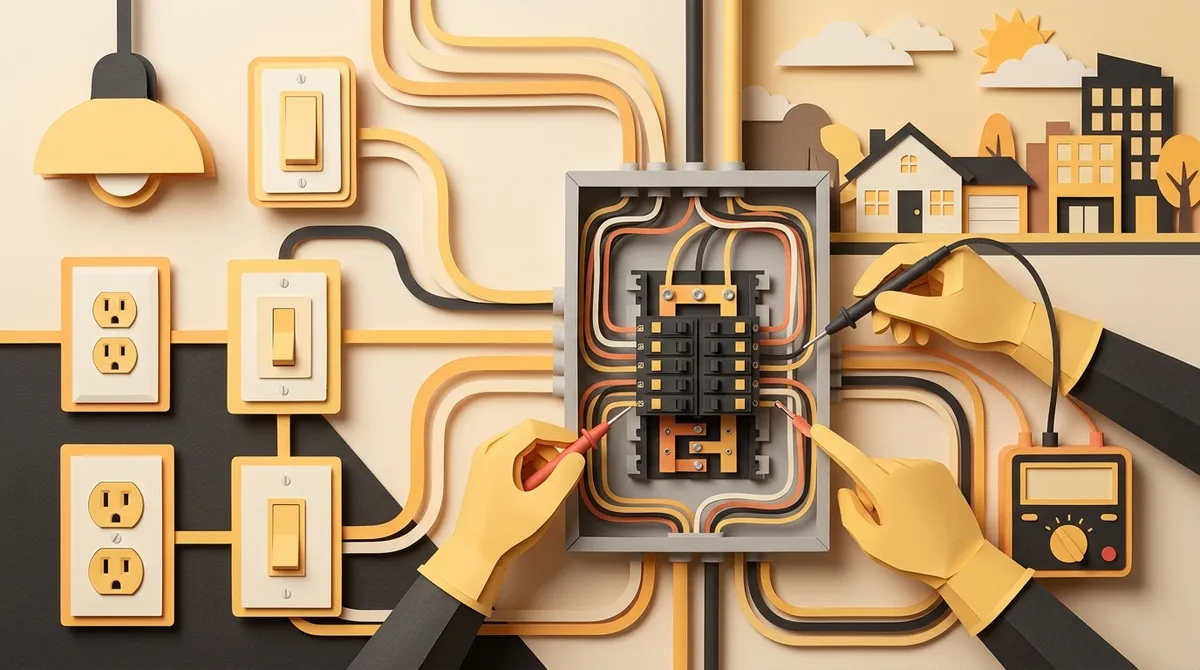
Electrical safety inspections in Pembroke Pines are formal evaluations of a building’s entire electrical system. A licensed professional checks that every component meets the National Electrical Code (NEC), published by the National Fire Protection Association (NFPA). These standards exist to prevent fires, electrocution, and other hazards that old or faulty wiring can cause.
In the context of building recertification, electrical inspections don’t stand alone. They’re typically one part of a broader 4-point inspection that also covers your HVAC system, plumbing, and roof. This bundled assessment is commonly required for older buildings seeking insurance renewal or fulfilling county-mandated recertification timelines. You can learn more about 40-year recertification requirements to understand how these inspections fit into the bigger picture.

Who Needs an Electrical Safety Inspection in Pembroke Pines?
You might be wondering whether your property actually needs one of these inspections. The short answer is: if your building is aging, changing hands, or approaching a recertification milestone, you almost certainly do. Here are the most common scenarios:
- Condo associations facing 30- or 40-year recertification mandates from Broward County
- Apartment building owners who need to verify electrical system compliance for multi-family units
- Commercial property owners of office towers, shopping plazas, or hotels over three stories
- HOA property managers working under 90-day inspection deadlines
- Real estate investment firms acquiring or refinancing aging South Florida properties
- Any property owner renewing an insurance policy on a building 25 years or older
If your building falls into any of these categories, you’re in the right place. The Miami-Dade County Recertification program outlines specific requirements you may need to meet, and similar mandates apply in Broward County as well.
Warning Signs Your Building Needs an Electrical Inspection Now
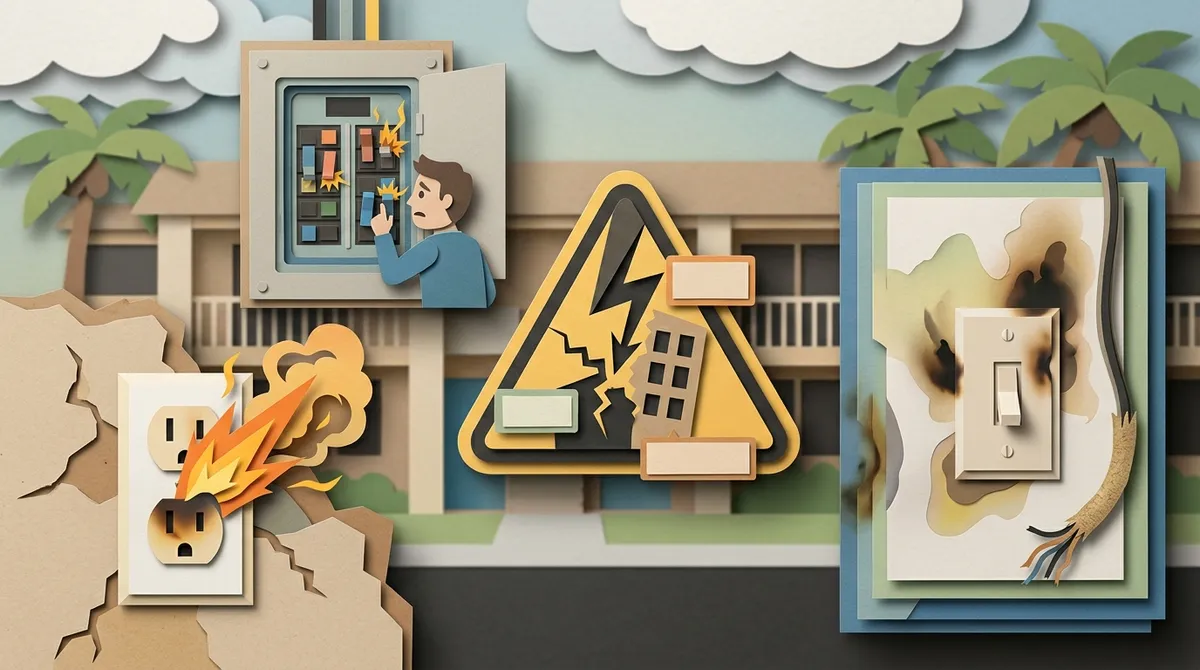
Sometimes your building tells you it needs attention before the county does. Watch for these red flags — they often signal that your electrical system has issues that could derail your recertification:
- Circuit breakers tripping frequently or repeatedly
- Flickering or dimming lights throughout the building
- Outlets or switch plates that feel warm to the touch
- A burning smell near electrical panels or outlets
- Visible sparks when plugging in appliances
- Outdated fuse boxes that haven’t been upgraded in decades
These warning signs don’t just mean inconvenience — they mean risk. Addressing them before your official inspection date puts you in a much stronger position and helps you avoid costly delays.

Step-by-Step: How to Prepare for Your Electrical Safety Inspection
Preparation is everything when it comes to Pembroke Pines electrical safety inspections. Here’s a simple process to follow before your inspection date arrives:
- Review your county notice. When Broward County sends a recertification notice, read it carefully. Note the deadline and the specific systems being evaluated. Electrical inspections are almost always included.
- Hire a licensed inspection firm. Work with a qualified engineering team that understands local Broward County codes and the importance of 40-year building recertification for property longevity. Don’t leave this to chance.
- Conduct a pre-inspection walkthrough. Before the official inspection, walk your building with your engineering team. Identify visible issues like exposed wiring, outdated panels, or non-functional GFI outlets.
- Gather your documentation. Pull together previous inspection reports, permits for any electrical upgrades, and maintenance records. Inspectors love organized documentation.
- Address known issues proactively. If you already know about electrical problems, fix them before the inspection. This demonstrates good faith and saves you from failing the assessment.
- Schedule the official inspection. Once your building is ready, coordinate with your inspection provider to set the date. Make sure all areas of the building are accessible.
- Submit required documentation to the county. After the inspection, your engineering team will prepare and submit the formal report to the appropriate county division within the mandated timeline.
What Inspectors Actually Check During Electrical Assessments
Understanding what inspectors look for helps you prepare more effectively. Here’s a breakdown of the key electrical components typically evaluated during a Pembroke Pines building recertification inspection:
| Inspection Area | What’s Checked | Common Issues Found |
|---|---|---|
| Electrical Panels | Breaker condition, capacity, labeling | Outdated panels, double-tapped breakers |
| Wiring Systems | Insulation condition, grounding, routing | Aluminum wiring, frayed insulation |
| Outlets and Switches | GFCI protection, proper grounding | Ungrounded outlets, missing GFCI near water |
| Surge Protection | Whole-building surge devices | No surge protection on critical systems |
| Lighting Systems | Fixture condition, illumination levels | Non-compliant emergency lighting |
| Underground Utilities | Conduit and power line connections | Aging infrastructure, improper burial depth |
Knowing these categories ahead of time gives you and your team a clear checklist to work through before the inspection date.
How Advanced Technology Makes Inspections More Accurate
Modern building recertification has moved well beyond clipboards and visual checks. Today’s most thorough inspections use advanced tools to catch problems that the naked eye can miss entirely.
At O’Reilly Consultants, we use cutting-edge technology including drones and 3D laser scanning to evaluate hard-to-reach areas and document structural and electrical conditions with pinpoint accuracy. This means faster turnaround times, more detailed reports, and actionable recommendations your team can actually use. For properties with complex electrical infrastructure — like multi-story apartment complexes or large commercial buildings — this level of detail makes a meaningful difference.
These tools also help us produce thorough documentation for submission to Broward County and HOA boards, giving you confidence that every requirement is met correctly the first time.
NEC Standards and How They Apply to Your Pembroke Pines Property
The National Electrical Code (NEC) is the foundation for all electrical inspections in Florida, including Pembroke Pines. Published by the NFPA, it sets minimum safety standards for electrical design, installation, and inspection.
Here are a few key NEC requirements commonly evaluated during recertification inspections:
- All outlets within six feet of a water source must be GFCI-protected
- Electrical panels must be properly labeled and accessible
- Wiring must be properly insulated and protected from physical damage
- Arc-fault circuit interrupters (AFCIs) are required in certain areas of residential buildings
- Surge protection devices are recommended for sensitive electrical systems
Even newer buildings can fall short of current NEC standards if upgrades haven’t kept pace with code changes. That’s why routine electrical assessments — not just recertification inspections — are a smart investment for any Pembroke Pines property owner. You can also search Miami-Dade Building Recertification Cases to better understand how compliance is tracked regionally.
Avoiding Common Mistakes That Delay Recertification
We’ve seen plenty of buildings hit unnecessary delays during the recertification process — almost always because of avoidable mistakes. Here’s what to watch out for:
- Waiting too long to start. Ninety-day deadlines go fast. Don’t wait until the final weeks to schedule your electrical inspection.
- Skipping the pre-inspection review. Going into an official inspection without a pre-check is like taking a test without studying. Take the time to identify and fix issues first.
- Incomplete documentation. Missing permits or maintenance records can stall your report submission. Organize your paperwork early.
- Underestimating repair timelines. Electrical repairs — especially panel upgrades or rewiring — take time. Build a buffer into your schedule.
Understanding how structural issues intersect with overall building compliance can also help you see the full picture of what your property may need before recertification is complete.
Costs Associated with Electrical Safety Inspections
Cost is always a consideration for property managers and building owners. Here’s a general breakdown of what you might expect:
- Basic electrical inspection (4-point): Typically bundled into recertification packages
- Standalone electrical assessment: Varies based on building size and complexity
- Panel upgrade or rewiring: Additional cost if repairs are needed post-inspection
- Report preparation and county submission: Usually included with your engineering firm’s fee
The true cost of skipping or delaying an electrical inspection — fines, insurance gaps, failed recertification — far outweighs the upfront investment. Think of it as protecting your asset, not just checking a box.
Why O’Reilly Consultants Is the Right Partner for Your Recertification
Choosing the right engineering team for your Pembroke Pines electrical safety inspection matters enormously. O’Reilly Consultants is led by owner and qualifying architect Sherard O’Reilly, alongside Construction Manager and Engineer Catalina Torres, who brings 27 years of civil engineering experience, and Project Engineer Rafael Ojeda, who has completed over 1,000 Phase I Environmental Site Assessments across South Florida.
Together, this team delivers electrical and illumination safety inspections, structural recertification reports, property condition assessments, SIRS studies, and HOA reserve studies — everything you need in one place. We serve condo boards, apartment owners, commercial property managers, and real estate investment firms across Broward and Miami-Dade Counties. Visit us on Google to read reviews from property owners and managers who have trusted us with their recertification needs.
Conclusion: Take the Next Step Toward Compliance
Pembroke Pines electrical safety inspections are not just a regulatory hurdle — they’re a genuine opportunity to protect your building, your residents, and your investment. With the right preparation, the right team, and the right tools, you can navigate the process with confidence and clarity.
Whether you’re managing a condo association, a commercial property, or a multi-family apartment complex, O’Reilly Consultants is here to guide you every step of the way. From your first county notice to your final submitted report, we make recertification straightforward and stress-free.
Ready to get started? Request your free recertification quote today and let’s make sure your Pembroke Pines property is safe, compliant, and ready for the future.
FAQs
Q: What is included in a 4-point inspection for building recertification in Pembroke Pines?
A: A 4-point inspection covers four major systems: electrical, HVAC, plumbing, and roofing. During the electrical portion, inspectors assess your panels, wiring, outlets, GFCI devices, and surge protection to ensure everything meets current NEC standards. It’s a bundled, efficient way to satisfy recertification and insurance requirements at once!
Q: How often are electrical safety inspections required for older buildings in Pembroke Pines?
A: In Broward County, buildings typically face recertification milestones at 30 and 40 years, with electrical inspections required as part of those assessments. After initial recertification, inspections may be required every 10 years. If you’ve received a county notice, check your deadline carefully — the 90-day window moves quickly!
Q: Who performs official electrical inspections for building recertification in Pembroke Pines?
A: Official electrical inspections must be performed by licensed engineers or qualified inspectors approved to work within Broward County’s recertification framework. Teams like O’Reilly Consultants specialize in exactly this — providing thorough, code-compliant assessments and handling all the required county documentation for you.
Q: What are the signs that my Pembroke Pines property needs an electrical inspection?
A: Watch for frequent circuit breaker trips, flickering lights, warm outlets, burning smells near panels, or visible sparks when plugging in devices. These are red flags that your electrical system may have issues that could affect your building recertification. Getting ahead of these problems early makes the whole process much smoother!
Q: Why are electrical inspections part of insurance requirements for Pembroke Pines buildings?
A: Insurance providers require electrical inspections on older buildings because faulty wiring and outdated panels are leading causes of structural fires. By verifying that your system meets NEC standards, insurers can assess risk accurately and continue coverage. Without a passing inspection report, renewing or maintaining property insurance can become very difficult.