Key Takeaways
-
Schedule electrical safety inspections immediately upon receiving a recertification notice from the county, as licensed inspectors have full calendars and waiting too long risks missing deadlines and incurring fines.
-
Hire only Florida-licensed professionals with specific recertification experience who understand Broward County requirements, as unqualified inspectors’ reports may be rejected entirely by the county.
-
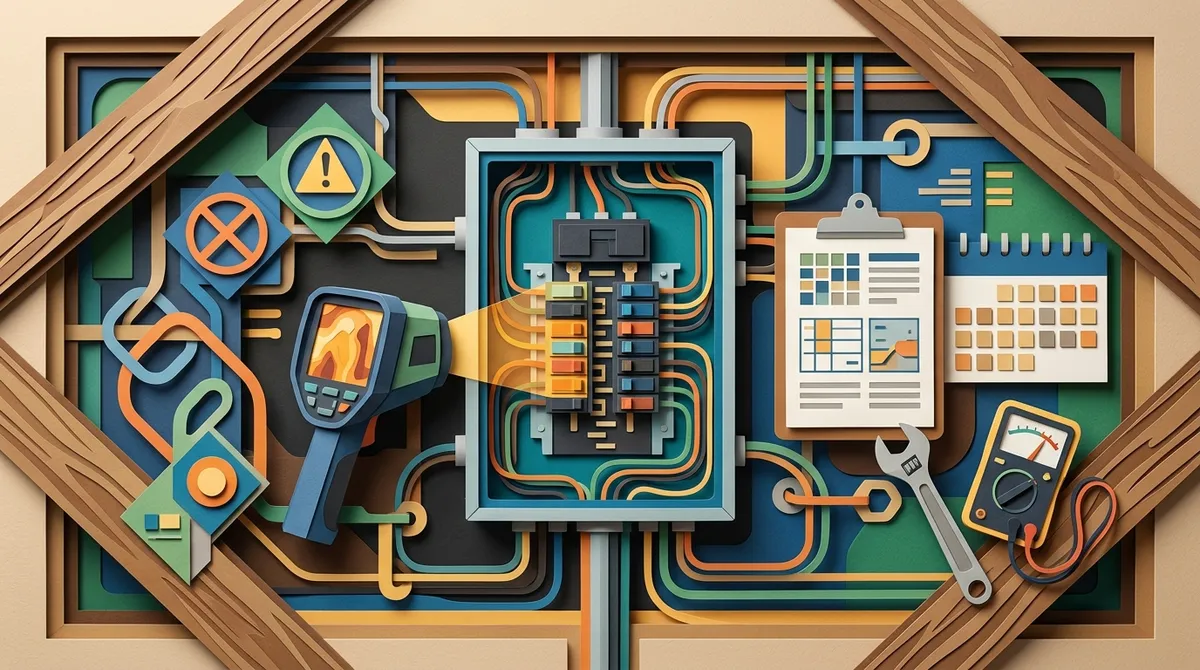
Include infrared thermal scanning in your inspection to detect hidden electrical hazards like overheating connections and overloaded circuits that visual inspections cannot catch, preventing costly fires.
-
Plan repairs proactively within the 180-day mandated timeline by reviewing findings, obtaining contractor quotes within 30 days, and scheduling work in phases to ensure compliance submission before deadlines.
-
Coordinate electrical and structural inspections together as interconnected systems rather than separate events, as water intrusion and structural issues directly damage electrical systems and cause documentation gaps.
-
Verify whether your Plantation building qualifies for recertification if it’s 25+ years old, over 3 stories, or a multi-family residential building, as early awareness prevents surprise violations.
If you own or manage a building in Plantation, Florida, electrical safety inspections are not something you can afford to get wrong. As buildings across Broward County reach the 25, 40, and 50-year marks, the pressure to comply with recertification mandates is real. Miss a step, and you could face fines, repair orders, or even loss of occupancy rights. That’s a stressful situation nobody wants to be in.
The good news? Most of these problems are completely avoidable. Whether you’re on a condo association board, managing an HOA, or own a commercial property, knowing the common mistakes ahead of time puts you in a great position. This article walks you through the seven biggest pitfalls we see during Plantation electrical safety inspections — and how to steer clear of every single one.
Why Electrical Safety Inspections Matter in Plantation
Plantation has seen massive growth since the 1970s and 1980s. Many buildings constructed during that era are now hitting the 40 to 50-year recertification window. Under Broward County’s Building Safety Inspection Program (BSIP), inspections can begin as early as 25 years, with recertifications required every 10 years after that. For the traditional 40-year recertification track, buildings have 180 days to complete repairs after inspection.
Electrical systems in older buildings face unique challenges. Wiring degrades. Panels become outdated. Modern electrical demands — think high-load HVAC systems and EV charging stations — can overwhelm systems that were never designed for them. That’s why Plantation electrical safety inspections look at so much more than just whether the lights turn on. You can learn more about what’s at stake by reading about the importance of 40-year building recertification for property longevity.

Mistake 1: Waiting Until the Last Minute to Schedule
This is the most common mistake we see. Building owners receive a recertification notice from the county and then sit on it. Weeks pass. Suddenly, the deadline is around the corner, and finding a licensed inspector becomes a scramble.
Licensed structural and electrical professionals have full calendars, especially during busy recertification cycles in Broward County. Waiting too long can mean:
- Longer wait times for qualified inspectors
- Rushed assessments that miss important issues
- Less time to complete repairs within the mandated window
- Risk of fines for missing the submission deadline
The fix is simple: the moment you receive a recertification notice, start the scheduling process. Early action gives you breathing room and better options.
Mistake 2: Hiring an Unqualified Inspector
Not just anyone can perform electrical inspections for building recertification in Plantation. Florida law requires that these inspections be conducted by licensed professionals — typically licensed engineers or licensed electrical contractors with specific qualifications.
Hiring someone without the right credentials creates serious problems. The county may reject the inspection report entirely, forcing you to start over. Worse, an underqualified inspector may miss hazards that put your occupants at risk.
Always verify:
- The inspector holds a valid Florida license
- They have experience with recertification inspections specifically
- They understand Broward County’s specific reporting requirements
- They can provide a formal, county-accepted inspection report
Mistake 3: Ignoring What Inspectors Actually Check
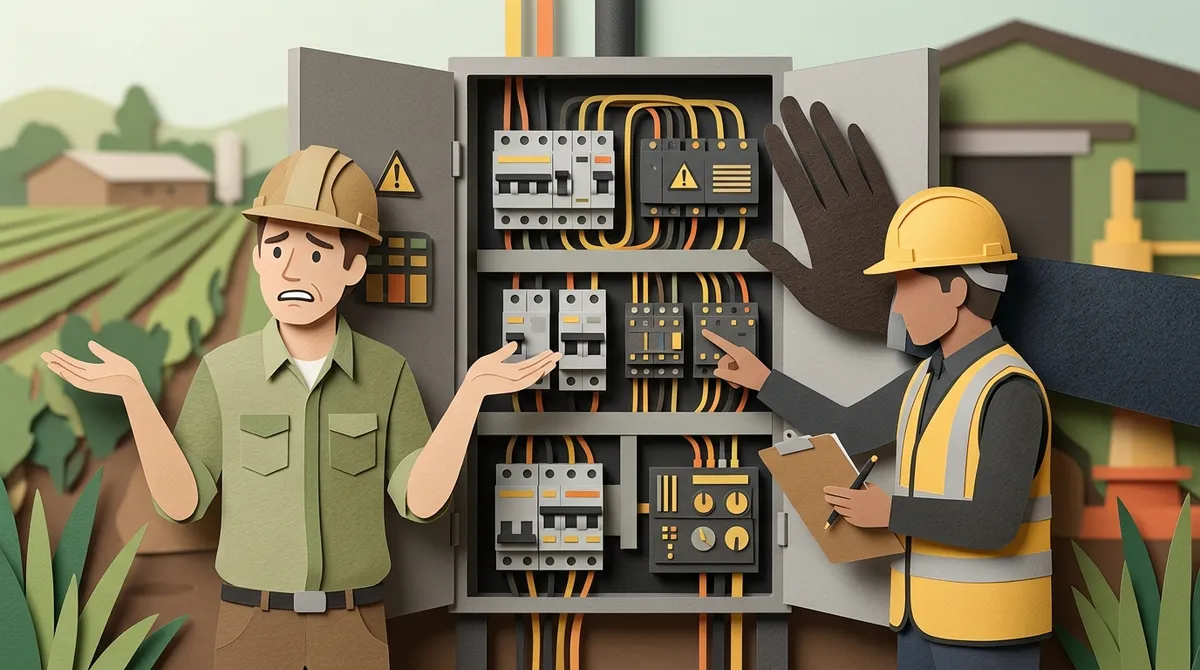
Many building owners assume electrical inspections are a simple walk-through. They’re not. A thorough Plantation electrical safety inspection covers a wide range of systems and components. Going in without knowing what’s being evaluated can leave you unprepared for the findings.
Here’s what licensed inspectors typically assess during recertification:
| Inspection Area | What’s Evaluated | Common Issues Found |
|---|---|---|
| Main Service Equipment | Condition, capacity, code compliance | Outdated panels, corrosion, overloading |
| Breaker Panels | Functionality, labeling, safety clearances | Double-tapped breakers, missing knockouts |
| Feeders and Raceways | Insulation integrity, routing compliance | Exposed wiring, degraded insulation |
| Outdoor Components | Weather protection, grounding systems | Rust, water intrusion, loose connections |
| Emergency Lighting | Functionality, placement, battery backup | Non-functioning units, code non-compliance |
| Infrared Thermal Scanning | Hotspots, overheating signs | Overloaded circuits, failing connections |
Understanding this list helps you prepare your building — and your expectations — before the inspection day arrives.
Mistake 4: Skipping Infrared Thermal Scanning
Some building owners try to cut costs by skipping infrared thermal scanning. This is a big mistake. Thermal imaging reveals hidden electrical hazards that a visual inspection simply cannot catch.
Overheating connections, failing breakers, and overloaded circuits can smolder behind walls or inside panels for months before a fire breaks out. Infrared scanning catches these issues early, when they’re still inexpensive to fix. For aging Plantation buildings, this technology is not a luxury — it’s a smart investment in safety and compliance.
A team like O’Reilly Consultants uses advanced technology, including drones and 3D laser scanning, to conduct thorough evaluations that go well beyond what a standard visual check provides. This level of detail helps ensure nothing is missed during your recertification process.
Mistake 5: Treating Electrical and Structural Inspections as Separate Events
Building recertification covers both structural and electrical systems. Some property managers try to manage these as two completely separate processes with different timelines and different teams. This often creates confusion, missed connections, and documentation gaps.
The smarter approach is to coordinate both inspections together. Here’s why that matters:
- Structural issues like water intrusion can directly damage electrical systems
- A single coordinated report is easier for the county to process
- Scheduling both at once saves time and often reduces overall cost
- One qualified team can spot cross-system issues that separate teams might miss
If you want to understand how structural concerns affect your overall recertification, take a look at this resource on understanding foundation cracks and hairline cracks in commercial buildings. It’s a great reminder that buildings are interconnected systems.
Mistake 6: Failing to Plan for Repairs Within the Mandated Timeline
The inspection itself is only the first step. If issues are found — and in older buildings, they almost always are — you have a set window to complete repairs and resubmit documentation. For 40-year recertification in Broward County, that window is 180 days.
Many building owners don’t plan for this phase. They assume the inspection is the hard part. But finding qualified electrical contractors, getting permits, completing work, and submitting final reports all take time. Delays at any stage can push you past the deadline.
Here’s a simple repair planning checklist to keep you on track:
- Review the inspection report carefully and prioritize findings by severity
- Get multiple contractor quotes within the first 30 days
- Pull all required permits before work begins
- Schedule work in phases to minimize disruption to occupants
- Document all completed repairs with photos and contractor sign-offs
- Submit your compliance report to the county well before the deadline
You can verify the status of your building’s recertification case directly through Miami-Dade Building Recertification case search, and for county-specific guidance, the Miami-Dade County Recertification portal is a trusted resource. For Broward County buildings in Plantation, your county building department is the go-to authority.
Mistake 7: Not Knowing Which Buildings Require Recertification
Some property owners don’t realize their building falls under recertification requirements until they receive a county notice — or worse, a violation. Knowing the thresholds ahead of time helps you stay proactive.
In Broward County, recertification requirements generally apply to:
- Buildings that are 25 years old under the BSIP program (as of August 2024)
- Buildings that are 40 years old under the standard 40-year recertification track
- Threshold buildings over 3 stories or 50 feet tall
- Commercial assembly spaces exceeding 2,000 square feet
- Multi-family residential buildings with multiple units
If you’re unsure whether your Plantation property qualifies, it’s always better to ask early. You can explore more about the 40-year recertification process to get a clearer picture of what’s involved and when it applies to your building.
A Quick Comparison: Proactive vs. Reactive Approach
| Approach | Scheduling | Repair Timeline | Compliance Risk | Overall Cost |
|---|---|---|---|---|
| Proactive | Early, planned | Manageable, phased | Low | Lower (less rush fees) |
| Reactive | Last-minute, rushed | Compressed, stressful | High | Higher (rush, fines) |
The numbers speak for themselves. A proactive approach to Plantation electrical safety inspections saves you money, stress, and risk every time.
How O’Reilly Consultants Can Help
Navigating building recertification in Plantation doesn’t have to be overwhelming. O’Reilly Consultants is a specialized engineering team serving Broward and Miami-Dade Counties. Led by qualifying architect Sherard O’Reilly and supported by engineer Catalina Torres — who brings 27 years of civil engineering experience — and project engineer Rafael Ojeda with 16+ years in environmental due diligence, this is a team that truly knows South Florida buildings inside and out.
They handle everything from the moment you receive your county inspection notice, through licensed inspections and documentation, all the way to final report submission. Services include structural and electrical safety inspections, illumination assessments, SIRS, property condition assessments, and HOA reserve studies. You can visit O’Reilly Consultants on Google to see what other property owners and managers have to say about working with this team.
Don’t Let These Mistakes Derail Your Recertification
Plantation electrical safety inspections are a critical part of keeping your building safe, compliant, and valuable. The seven mistakes covered in this article — from waiting too long to schedule, to skipping thermal scanning, to not planning repairs properly — are all avoidable with a little preparation and the right team by your side.
You don’t have to figure this out alone. Whether you’re a condo board member, an apartment building owner, or a commercial property manager, getting expert guidance early makes the whole process smoother. Request a free quote from O’Reilly Consultants today and get your recertification moving in the right direction — on time, on budget, and stress-free.
FAQs
Q: What is required in a 40-year building recertification for electrical systems in Plantation, FL?
A: Great question! During a 40-year recertification in Plantation, your electrical inspection must cover main service equipment, breaker panels, feeders, raceways, outdoor components, and emergency lighting. Infrared thermal scanning is also strongly recommended to catch hidden hazards like overheating connections. Once any issues are identified, you have 180 days to complete repairs and submit your compliance report to Broward County.
Q: How often are Plantation electrical safety inspections needed for building recertification?
A: Under Broward County’s Building Safety Inspection Program (BSIP), electrical inspections can begin as early as 25 years after a building’s construction, with recertifications required every 10 years after that. For the standard 40-year recertification track, inspections are required at the 40-year mark and every 10 years thereafter. Staying on schedule helps you avoid violations and keeps your building safe for everyone inside.
Q: Who can perform electrical inspections for building recertification in Plantation?
A: Florida requires that electrical inspections for recertification be performed by licensed professionals — typically licensed engineers or licensed electrical contractors with specific qualifications. It’s really important to verify credentials before hiring, because an unqualified inspector’s report may be rejected by the county. Working with a specialized recertification team like O’Reilly Consultants ensures your inspection meets all Broward County requirements.
Q: What happens if a building fails its electrical recertification inspection in Plantation?
A: Don’t panic — failing the initial inspection doesn’t mean you’re in immediate trouble, but it does require fast action! You’ll receive a list of findings that must be corrected within the mandated repair window (180 days for 40-year recertification). If repairs are not completed and documented on time, the county can issue fines, code violations, repair orders, and in serious cases, restrict occupancy rights.
Q: Are infrared thermal inspections part of Plantation building recertification electrical assessments?
A: Infrared thermal scanning is a highly recommended component of electrical safety inspections during building recertification, as it uncovers hidden hotspots, overloaded circuits, and failing connections that aren’t visible to the naked eye. While not always legally mandated as a separate step, it’s a smart move for any aging building in Plantation — especially those built in the 1970s or 1980s. Many qualified recertification teams, including O’Reilly Consultants, include this technology as part of a thorough inspection.