
Key Takeaways
-
Confirm your building's certificate-of-occupancy date with the City of Pembroke Pines immediately, as coastal proximity may trigger a 25-year deadline instead of the standard 30-year rule, costing associations thousands if miscalculated.
-
Hire a licensed architect or engineer at least 6-12 months before your deadline to secure availability, as licensed professionals get booked solid across South Florida during peak compliance periods.
-
Coordinate your milestone inspection with your Structural Integrity Reserve Study (SIRS) if both are due by December 31, 2026, to avoid scheduling two separate expensive studies and save significant time and money.
-
Distinguish between state milestone inspections and county recertification programs—they serve different purposes and your building may require both, so confirm with local officials whether one report satisfies all requirements.
-
Communicate inspection costs and potential special assessments to unit owners early and transparently, as boards that address finances upfront face far less owner resistance and build trust through the process.
-
Create a separate tracking system for post-inspection follow-ups including repair deadlines, permits, and contractor work to prevent missed compliance deadlines and maintain organization for future recertification cycles.
If you sit on a condo board in Pembroke Pines, you’ve probably heard the words “milestone inspection” more times this year than you’d like. And honestly, that’s a good thing. These inspections keep buildings safe and keep families protected. But here’s the catch: small mistakes during this process can cost your association time, money, and a whole lot of stress.
At O’Reilly Consultants, we’ve walked alongside many boards, property managers, and building owners through this exact journey. We know the paperwork feels overwhelming. We know deadlines sneak up fast. So let’s slow down together and walk through the ten most common mistakes we see, and how you can sidestep every single one of them.
What Is a Pembroke Pines Milestone Inspection, Really?
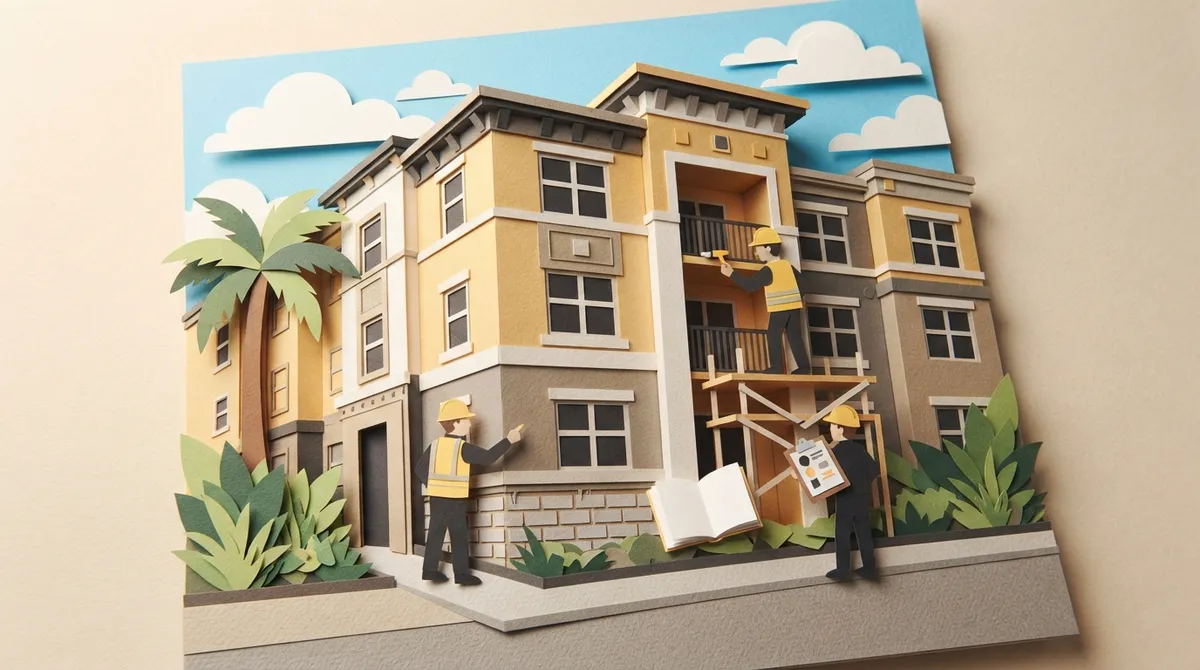
A milestone inspection is a state-required structural check-up for qualifying condo and co-op buildings that are three or more habitable stories tall. It’s not just paperwork. It’s a real, hands-on look at your building’s load-bearing walls, beams, columns, and other structural systems. A licensed Florida architect or engineer has to perform it, following rules laid out in Florida Statutes §553.899.
This law came from Senate Bill 4-D, passed in 2022 after the tragic Surfside collapse. Lawmakers wanted a clear, statewide system so buildings don’t quietly age past their safety limits. For Pembroke Pines associations, that means staying on top of deadlines is no longer optional. It’s the law.
Mistake 1: Assuming the 30-Year Rule Always Applies
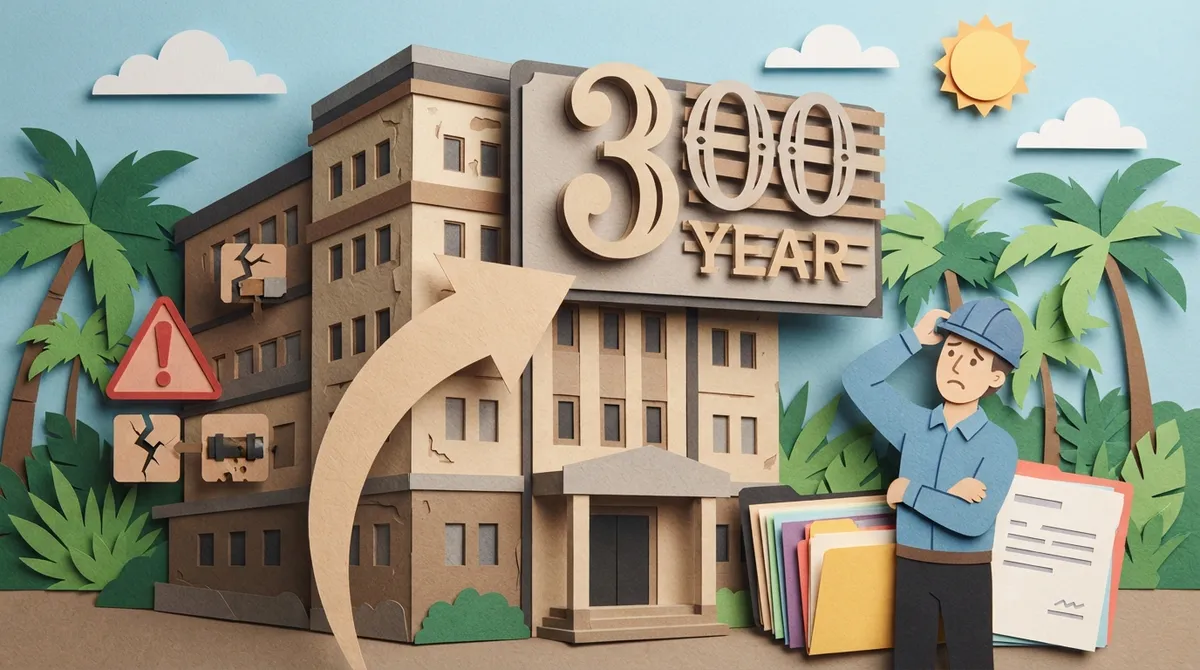
Most buildings follow the standard 30-year trigger, counted from the date the certificate of occupancy was issued. But local building officials can require an earlier 25-year inspection if conditions call for it, like being close to salt water. Pembroke Pines sits near canals and coastal influence, so don’t assume your building automatically gets the full 30 years.
Always confirm your building’s specific deadline directly with the City of Pembroke Pines building department. Guessing here is one of the costliest mistakes a board can make.
Mistake 2: Confusing State Milestone Inspections With County Recertification
Here’s something that trips up a lot of boards: a milestone inspection is not the same thing as Broward County building recertification. They sound similar, but they serve different purposes.
- Milestone inspections focus mainly on structural safety and life-safety concerns under state law.
- County or municipal recertification programs may require broader reviews, including electrical systems.
- Some buildings may need both, depending on age and location.
Ask your licensed inspector and your local building official whether one inspection can satisfy both requirements. This single question can save your association thousands of dollars in duplicate work. Learn more about how Pembroke Pines building recertification actually works before you assume your milestone inspection covers everything.
Mistake 3: Waiting Until the Deadline Year to Start Planning
Florida’s transition rules created some tight windows. Buildings that hit 30 years before July 1, 2022, had to complete their first inspection by December 31, 2024. Buildings reaching 30 years between July 1, 2022, and December 31, 2024, generally had until December 31, 2025.
If your building’s deadline is coming up, waiting until the final months is risky. Licensed engineers get booked solid, especially across Broward and Miami-Dade Counties. Starting early gives you breathing room for scheduling, budgeting, and any surprise repairs.
A Simple Timeline to Follow
- Confirm your building’s certificate-of-occupancy date and deadline with the city.
- Hire a licensed architect or engineer at least six to twelve months ahead.
- Complete the Phase One visual inspection.
- Address any Phase Two findings promptly if needed.
- Submit your final report to the local building official.
- Share the report with unit owners as required by law.
Mistake 4: Not Understanding Phase One vs. Phase Two
Phase One is a visual examination of the building’s structural components. Think of it like a doctor checking your vital signs before ordering more tests. If the inspector spots substantial structural deterioration, Phase Two kicks in.
Phase Two is more detailed. It might involve destructive or nondestructive testing to figure out exactly what’s happening beneath the surface. Boards sometimes panic when Phase Two gets triggered, but it’s simply the process working as designed. It catches problems early, before they turn into emergencies.
Mistake 5: Hiring an Unqualified or Unlicensed Inspector
This one seems obvious, but it happens more often than you’d think. Florida law requires the milestone inspection to be performed by a professional licensed under Chapters 481 or 471, Florida Statutes. That means a licensed architect or engineer, not a general contractor or handyman, no matter how experienced they seem.
Choosing the wrong professional can invalidate your report and force you to start over, wasting time and money. Our team at O’Reilly Consultants is led by qualifying architect Sherard O’Reilly, alongside civil engineering expert Catalina Torres and environmental specialist Rafael Ojeda. Together, they bring decades of hands-on South Florida experience to every inspection. If you want to understand how to vet the right professional, check out our guide on how to choose licensed building inspectors for recertification.
Mistake 6: Forgetting About the Structural Integrity Reserve Study (SIRS)
A milestone inspection is not the same as a Structural Integrity Reserve Study, though the two can sometimes be coordinated. Florida law requires SIRS to be completed at least every ten years for qualifying condo and co-op buildings.
If your milestone inspection is due on or before December 31, 2026, you’re allowed to coordinate the SIRS with it, but you cannot push the study past that date. Boards that overlook this often end up scrambling to schedule two separate studies instead of saving time and money by combining them. Our article on SIRS mistakes Pembroke Pines condo boards must avoid covers this in more detail.
Mistake 7: Not Preparing Documents Before the Engineer Arrives
A little prep work goes a long way. Before your inspection day, gather these items:
- The original certificate of occupancy or official occupancy records
- Past inspection or recertification reports, if any exist
- Building blueprints or as-built drawings
- Records of previous repairs or renovations
- Association bylaws related to building maintenance
Having these ready speeds up the process and helps the inspector give you a more accurate, useful report. It also shows the local building official that your association takes compliance seriously.
Mistake 8: Ignoring the Cost Conversation With Owners
Milestone inspections and any follow-up repairs are the association’s financial responsibility, which usually means costs get passed to unit owners through fees or special assessments. Skipping honest, early conversations about cost often leads to frustration and pushback later.
| Inspection Stage | What It Involves | Who Usually Pays |
|---|---|---|
| Phase One | Visual structural inspection | Association (shared among owners) |
| Phase Two | Detailed testing if deterioration found | Association, often via special assessment |
| Repairs | Fixing identified structural issues | Association reserves or owner assessments |
| SIRS | Long-term reserve funding study | Association budget |
Being upfront with owners early builds trust and avoids surprises down the road. Boards that communicate clearly tend to face far less resistance when assessments are needed.
Why Early Budgeting Matters
Reserve planning tied to your Structural Integrity Reserve Study helps associations avoid sudden, painful special assessments. Instead, costs get spread out and planned for years in advance, which is much easier on everyone’s wallet.
Mistake 9: Skipping Advanced Inspection Technology
Traditional inspections rely heavily on visual checks and manual measurements. But modern tools like drones and 3D laser scanning can capture details that are hard to see from the ground, especially on tall buildings or hard-to-reach facades.
These tools also speed up the inspection process without sacrificing accuracy. Associations that use technology-driven assessments often get clearer, more detailed reports, which makes it easier to plan repairs and budgets. If your building hasn’t explored these options yet, it’s worth asking your inspection team about it.
Mistake 10: Not Tracking Follow-Up Requirements Separately
Once the milestone inspection report is submitted, the work isn’t necessarily done. Any recommended repairs, permits, or follow-up inspections need to be tracked on their own timeline. Mixing this up with your original inspection paperwork creates confusion and missed deadlines.
Keep a simple, dedicated file or spreadsheet for:
- Repair recommendations and deadlines
- Permit applications and approvals
- Contractor bids and completed work
- Follow-up inspection dates
This small habit keeps your board organized and ready for future recertification cycles, including your building’s next required review under 40-year recertification guidelines.
Why Working With Experienced Professionals Matters
Every one of these mistakes is avoidable with the right team by your side. O’Reilly Consultants specializes in building recertification across Broward and Miami-Dade Counties, helping condo boards, HOA managers, commercial property owners, and real estate investment firms stay compliant without the headaches.
We use drones and 3D laser scanning to deliver accurate, detailed assessments quickly. We also guide associations through the entire journey, from the county’s initial notice all the way through final documentation submission. Whether you need a milestone inspection, a Structural Integrity Reserve Study, or a full property condition assessment, our team brings the experience to get it right the first time.
Curious what other Pembroke Pines property owners and boards have said about working with us? You can visit us on Google to read O’Reilly Consultants reviews and see real feedback from our community.
Helpful Resources for Florida Compliance
For official guidance, Miami-Dade County offers detailed information on Miami-Dade County recertification requirements, and you can also search Miami-Dade building recertification cases to see how the process plays out in real filings. These resources pair well with Florida’s official statute language, which lays out the full legal framework for milestone inspections statewide.
If your building is also facing electrical safety review requirements, our guide on how to pass electrical safety inspections in Pembroke Pines is a great next read.
Ready to Get Your Milestone Inspection Done Right?
You don’t have to navigate this alone. Our friendly, experienced team is ready to walk you through every step, from confirming your deadline to submitting your final report. Request a free quote today and let’s make sure your Pembroke Pines building stays safe, compliant, and stress-free. You can also call us at (512) 567-1191 to speak with our team directly. We’re here, and we’re genuinely happy to help.
FAQs
Q: Does every condominium in Pembroke Pines need a milestone inspection?
A: Not every building, but most condo and co-op buildings that are three or more habitable stories tall will need one. If your building fits that description, it’s worth checking with the City of Pembroke Pines to confirm your exact requirement and deadline.
Q: Is the Pembroke Pines milestone inspection deadline based on the certificate of occupancy or the building permit date?
A: It’s based on the certificate of occupancy date, or the official occupancy date on record if the certificate isn’t available. This date is what starts the clock on your 30-year (or possibly 25-year) countdown.
Q: Can a Broward County building recertification satisfy Florida’s milestone inspection requirement?
A: Sometimes, but not automatically. It really depends on your building’s specific situation, so it’s best to ask your licensed inspector and local building official whether one report can cover both requirements.
Q: What happens if substantial structural deterioration is found during the inspection?
A: The inspection moves into Phase Two, which involves more detailed testing to understand the issue fully. Don’t worry, this simply means the system is catching problems early so they can be addressed before they become bigger concerns.
Q: How much does a Pembroke Pines milestone inspection cost, and who pays for it?
A: Costs vary based on building size and complexity, and the association typically covers the expense, often through owner fees or special assessments. Planning early and budgeting through your reserve study can make this much easier on everyone.