Key Takeaways
-
SIRS is legally mandatory for Pembroke Pines condos with 3+ stories and cannot be waived; associations that existed before July 1, 2022 had a December 31, 2024 deadline for initial compliance with mandatory 10-year recertification.
-
Reserve funding for SIRS-identified structural components is fully mandatory and cannot be voted away by boards; failing to budget according to the 30-year funding schedule creates significant legal liability and compliance risk.
-
Your SIRS provider must be a licensed engineer or architect with specific reserve specialist credentials; hiring unqualified providers results in rejected studies and costly delays.
-
SIRS compliance directly impacts insurance coverage and premiums; buildings demonstrating completed, properly funded studies secure better insurance rates and renewal terms, while non-compliant buildings face higher premiums or coverage limitations.
-
A SIRS is fundamentally different from a standard property assessment or traditional reserve study; standard assessments don’t meet Florida Statute 718.112(2)(g) requirements and don’t check the SIRS compliance box.
-
Proactive early scheduling of SIRS inspections provides more time to evaluate qualified providers, review findings, and plan financially, while reactive approaches triggered by notices result in higher costs and limited options.
If you serve on a condo board in Pembroke Pines, you already know that staying compliant with Florida’s building laws is no small task. Since the tragic Champlain Towers South collapse in Surfside back in 2021, the state has overhauled its safety requirements — and Pembroke Pines Structural Integrity Reserve Studies (SIRS) are now front and center. These studies aren’t just paperwork. They’re a legally required financial and structural roadmap that protects your residents, your board, and your building’s future. The good news? Getting your SIRS right doesn’t have to be overwhelming. The bad news? There are some very common mistakes that boards make — mistakes that can lead to fines, insurance headaches, and serious legal exposure. Let’s walk through the six biggest ones so you can steer clear of them with confidence.
What Is a Structural Integrity Reserve Study in Pembroke Pines?
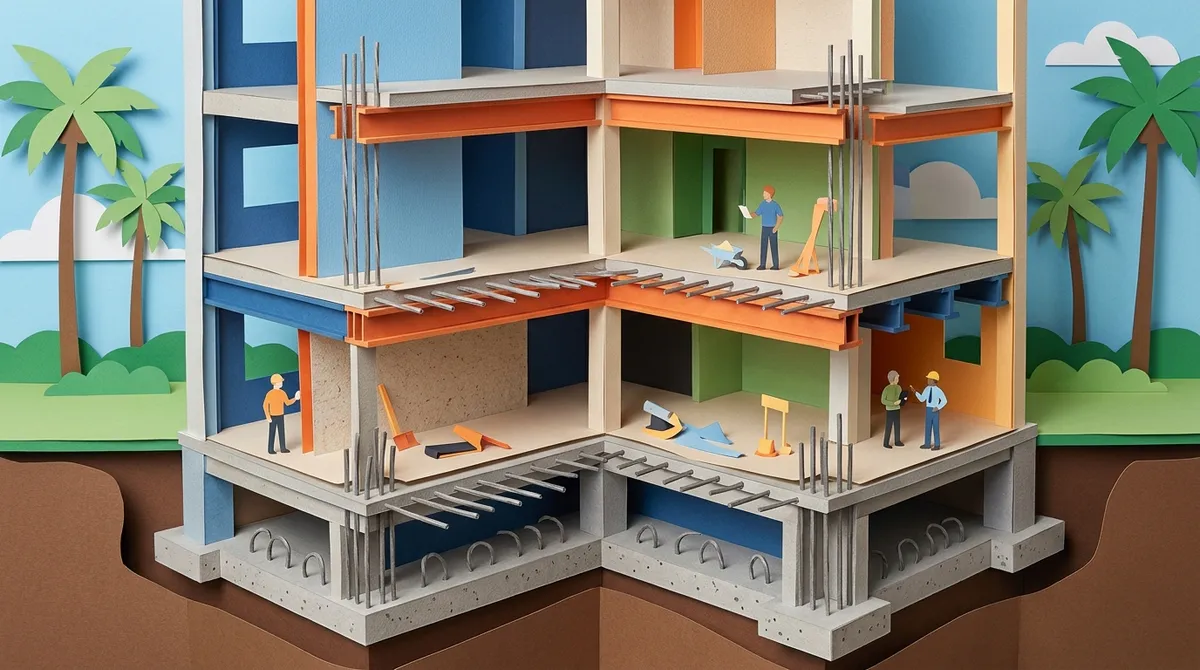
A Structural Integrity Reserve Study (SIRS) is a detailed engineering assessment required under Florida Statute 718.112(2)(g). It was established through Senate Bill 4-D in 2022, refined by SB 154 in 2023, and further clarified by HB 913 in 2024. Every condominium and cooperative building in Pembroke Pines that is three stories or taller must complete one.
The study does two important things. First, it evaluates the physical condition of your building’s major structural components. Second, it creates a 30-year reserve funding schedule to make sure your association has the money needed for major repairs and replacements. Think of it as a financial health check combined with a structural snapshot of your building.
For a deeper look at how these requirements fit into the broader recertification landscape, check out this helpful guide on what building recertification is and why it matters.

Who Needs a SIRS in Pembroke Pines?
Not every building in Pembroke Pines is subject to SIRS — but a lot of them are. Here’s a quick breakdown of eligibility:
- Condominium buildings with 3 or more stories
- Cooperative buildings with 3 or more stories
- Associations that existed on or before July 1, 2022 were required to complete their initial SIRS by December 31, 2024
- SIRS must be recertified every 10 years for ongoing compliance
- The study must be performed by a licensed engineer or architect with reserve specialist credentials
If your association is newer, your timeline may differ slightly — but the requirement still applies. You can also search Miami-Dade Building Recertification Cases for reference on how neighboring counties track these compliance requirements.

What Does a SIRS Actually Cover?
A proper Pembroke Pines Structural Integrity Reserve Study must assess all major structural and safety components of your building. Here’s what the inspection covers:
- Roofs and roof systems
- Load-bearing walls and primary structural members
- Foundations and slabs
- Electrical systems
- Plumbing systems
- Fireproofing and fire protection systems
- Windows, exterior doors, and balconies
- Any item with deferred maintenance costs exceeding $10,000
The study then assigns remaining useful life estimates to each component and builds a 30-year reserve funding schedule. This is very different from a standard reserve study — because under SIRS, your board cannot waive or reduce reserve funding for the identified structural components. That’s a major shift from the old rules, and one that many boards are still catching up to.
| Feature | Traditional Reserve Study | SIRS (Structural Integrity Reserve Study) |
|---|---|---|
| Focus | General financial planning | Structural components + financial planning |
| Reserve Waivers | Allowed by member vote | Not permitted |
| Required By | HOA governing documents | Florida Statute 718.112(2)(g) |
| Performed By | Reserve specialist | Licensed engineer or architect with reserve credentials |
| Funding Timeline | Varies | 30-year schedule required |
| Recertification | Often optional | Every 10 years (mandatory) |

SIRS vs. Milestone Inspections: What’s the Difference?
One of the most common points of confusion for Pembroke Pines condo boards is understanding how a SIRS relates to a Milestone Inspection. They’re both required under Florida law, but they serve different purposes.
A Milestone Inspection is a structural safety assessment that looks at your building’s current condition. It answers the question: “Is this building safe to occupy right now?” A SIRS, on the other hand, is forward-looking. It answers: “Do we have enough money set aside to maintain and repair this building over the next 30 years?”
Both are essential for full compliance. Neither one replaces the other. For more clarity on how inspections work in the broader recertification context, this overview of what a commercial building inspection really covers is worth a read.
6 SIRS Mistakes Pembroke Pines Condo Boards Must Avoid
Now let’s get into the heart of it. These are the six most common mistakes boards make — and how to avoid each one.
Mistake 1: Hiring an Unqualified Provider
Florida law is very specific here. Your SIRS must be performed by a licensed engineer or architect who also holds reserve specialist credentials. Hiring someone who only has one of those qualifications won’t cut it. An unqualified study could be rejected, leaving your board scrambling to redo the work on a tight deadline.
Always verify credentials before you sign a contract. If you’re not sure how to evaluate providers, this guide on how to choose licensed building inspectors for recertification is a great starting point. You can also compare options using this resource on certified vs. general inspectors for building recertification.
Mistake 2: Missing the Deadline
Associations that existed before July 1, 2022, had an initial SIRS deadline of December 31, 2024. If your board missed that deadline, you’re already operating out of compliance. Even if you completed your initial study, remember that recertification is required every 10 years — and that clock is already ticking.
Mark your calendar. Set reminders. Assign a board member to track compliance dates. The penalties for non-compliance can be significant, and they’re simply not worth the risk when a little planning goes a long way.
Mistake 3: Thinking Reserve Waivers Are Still an Option
Under the old Florida condo rules, associations could vote to waive or reduce reserve funding. That option is gone for SIRS-identified components. Full funding is now mandatory, and boards that pass budgets that don’t reflect the SIRS reserve schedule are putting themselves and their members at legal risk.
This is often a hard conversation to have at a board meeting — especially when it means increasing monthly fees. But it’s a conversation that has to happen. Underfunded reserves are exactly what allowed decades of deferred maintenance to contribute to tragedies like Surfside.
Mistake 4: Confusing SIRS With a Standard Property Assessment
Some boards assume their existing property condition assessment or standard reserve study covers their SIRS obligation. It doesn’t. A standard assessment doesn’t meet the legal requirements of Florida Statute 718.112(2)(g). The SIRS has specific components that must be evaluated, specific credentials required of the provider, and a specific 30-year funding output.
If you’ve had a general property assessment done recently, that’s great — but it doesn’t check the SIRS box. Make sure your board understands the distinction clearly.
Mistake 5: Ignoring How SIRS Affects Insurance
Insurance carriers are paying close attention to SIRS compliance in Florida. Buildings that can demonstrate a completed, properly funded SIRS are in a much stronger position when it comes to securing or renewing coverage. Buildings that can’t show compliance may face higher premiums — or in some cases, coverage limitations.
The Miami-Dade County building recertification framework offers helpful context on how compliance requirements connect to broader property safety standards in South Florida. Your SIRS isn’t just a legal checkbox — it’s a valuable document that demonstrates your building’s commitment to safety and financial responsibility.
Mistake 6: Waiting Until There’s a Problem to Act
Perhaps the most dangerous mistake of all is taking a reactive approach. Some boards wait until they receive a notice, a complaint, or a failed inspection before scheduling their SIRS. By then, options are limited, costs are higher, and the pressure is intense.
Proactive boards that schedule their SIRS early have more time to shop for qualified providers, review findings carefully, and plan financially for recommended reserves. It’s always easier — and cheaper — to plan ahead. If your building is also approaching a 40-year recertification milestone, this resource on 40-year building recertification in Florida can help you coordinate both processes efficiently.
How O’Reilly Consultants Can Help With Your SIRS
O’Reilly Consultants is a specialized engineering firm serving Broward and Miami-Dade Counties — including Pembroke Pines — with a strong focus on building recertification and structural safety inspections. Led by qualifying architect Sherard O’Reilly and supported by engineer Catalina Torres (27 years of civil engineering experience) and Project Engineer Rafael Ojeda (16+ years of environmental due diligence), the team brings serious credentials to every SIRS engagement.
They use advanced tools like drones and 3D laser scanning to conduct thorough inspections — and they guide boards through the entire process, from the first notice to final documentation. For Pembroke Pines condo boards navigating both SIRS requirements and broader recertification mandates, this level of expertise makes a real difference. You can visit O’Reilly Consultants on Google to read reviews from clients in the area and see what working with their team is really like.
Their services extend well beyond SIRS alone. You can also access electrical safety inspections in Pembroke Pines, property condition assessments, HOA reserve studies, and full recertification support — all under one roof. That kind of coordination is a big advantage when multiple compliance deadlines are converging at once.
Key SIRS Compliance Steps for Pembroke Pines Boards
If you’re ready to get your SIRS on track, here’s a straightforward action plan to follow:
- Confirm your building qualifies — Three or more stories and a condominium or cooperative structure means SIRS applies to you.
- Verify your deadline — Associations predating July 1, 2022 had until December 31, 2024 for initial compliance. Check where your association stands.
- Hire a qualified provider — Look for a licensed engineer or architect with reserve specialist credentials. Don’t cut corners here.
- Schedule the inspection — Give yourself enough lead time. Don’t wait for a county notice to arrive before you act.
- Review the 30-year funding schedule — Once your SIRS is complete, integrate the reserve funding requirements into your budget immediately.
- Plan for recertification — Your next SIRS is due 10 years from completion. Calendar it now.
For additional guidance on navigating the full recertification process, this step-by-step breakdown of the building recertification process in 2026 is an excellent companion resource.
The Bigger Picture: Why SIRS Matters for Pembroke Pines
Pembroke Pines is home to a large and growing number of condominium communities. Many of these buildings are aging, and some carry deferred maintenance that has been ignored for years. SIRS was created precisely to change that pattern — to make sure associations have a clear-eyed view of their structural health and a realistic plan to fund necessary work.
For board members, SIRS compliance also means personal legal protection. Board members who knowingly ignore or underfund SIRS requirements can face liability exposure. Completing your study isn’t just about protecting the building — it’s about protecting yourself.
For property values, SIRS compliance signals to buyers, lenders, and insurers that your building is well-managed and financially sound. In a competitive South Florida market, that matters more than ever. You can also explore how Miramar condos approach SIRS and what Coral Springs condo boards are doing to avoid SIRS mistakes as helpful comparisons for nearby communities.
Conclusion: Don’t Let SIRS Mistakes Cost You
Pembroke Pines Structural Integrity Reserve Studies (SIRS) are one of the most important compliance steps your condo board will take. The stakes are real — for your residents’ safety, your board’s legal standing, your building’s insurance, and your community’s long-term financial health. The six mistakes outlined here are all avoidable with the right preparation and the right professional partner by your side.
Don’t wait until you’re facing a deadline or a county notice to get moving. The earlier you act, the smoother the process will be — and the better positioned your community will be for the years ahead. Ready to get started? Request a free SIRS consultation with O’Reilly Consultants today and take the first step toward full compliance with confidence.
FAQs
Q: What is the difference between a SIRS and a Milestone Inspection in Pembroke Pines?
A: Great question — and one we hear a lot! A Milestone Inspection checks whether your building is structurally safe to occupy right now, while a SIRS focuses on forward-looking financial planning, making sure your association has enough reserves to fund major repairs over the next 30 years. Both are required under Florida law, and neither one replaces the other.
Q: Can a Pembroke Pines condo board vote to waive reserve funding required by a SIRS?
A: Unfortunately, no — and this is a big change from the old rules. Under Florida Statute 718.112(2)(g), reserve funding for SIRS-identified structural components is fully mandatory. Boards can no longer vote to waive or reduce these reserves, so it’s important to budget accordingly from the start.
Q: What are the penalties for not completing a SIRS in Pembroke Pines?
A: Non-compliance can lead to fines, legal exposure for board members, and complications with insurance coverage and renewals. Beyond the financial penalties, operating a building out of compliance puts your residents at risk and can significantly affect your property’s market value and lender eligibility.
Q: How often does a Pembroke Pines building need to renew its SIRS?
A: Your SIRS must be recertified every 10 years under Florida law. So once your initial study is complete, that 10-year clock starts ticking right away. We always recommend calendaring your next recertification date immediately so it doesn’t sneak up on you!
Q: What structural components must be included in a Pembroke Pines SIRS?
A: A compliant SIRS must cover roofs, load-bearing walls, foundations, electrical systems, plumbing, fireproofing and fire protection systems, windows, exterior doors, balconies, and any items with deferred maintenance costs exceeding $10,000. The study must also produce remaining useful life estimates and a 30-year reserve funding schedule for all covered components.