If you serve on a condo board in Lauderhill, you have probably heard the letters S-I-R-S tossed around at every meeting lately. Maybe your neighbors are confused. Maybe your property manager is stressed. And maybe you are quietly wondering where to even begin. Take a breath. You are in good company, and this is very doable.
A Lauderhill structural integrity reserve study, or SIRS, is a reserve-planning report required under Florida condominium law. It looks at the key parts of your building and maps out how to pay for future repairs. It is not the same thing as a building recertification or milestone inspection, though the three often work together.
In this friendly guide, we will walk through what a SIRS is, who needs one, what it covers, and the exact steps to get it done. We will also show how it fits with recertification so your board can plan with confidence in 2026 and beyond.
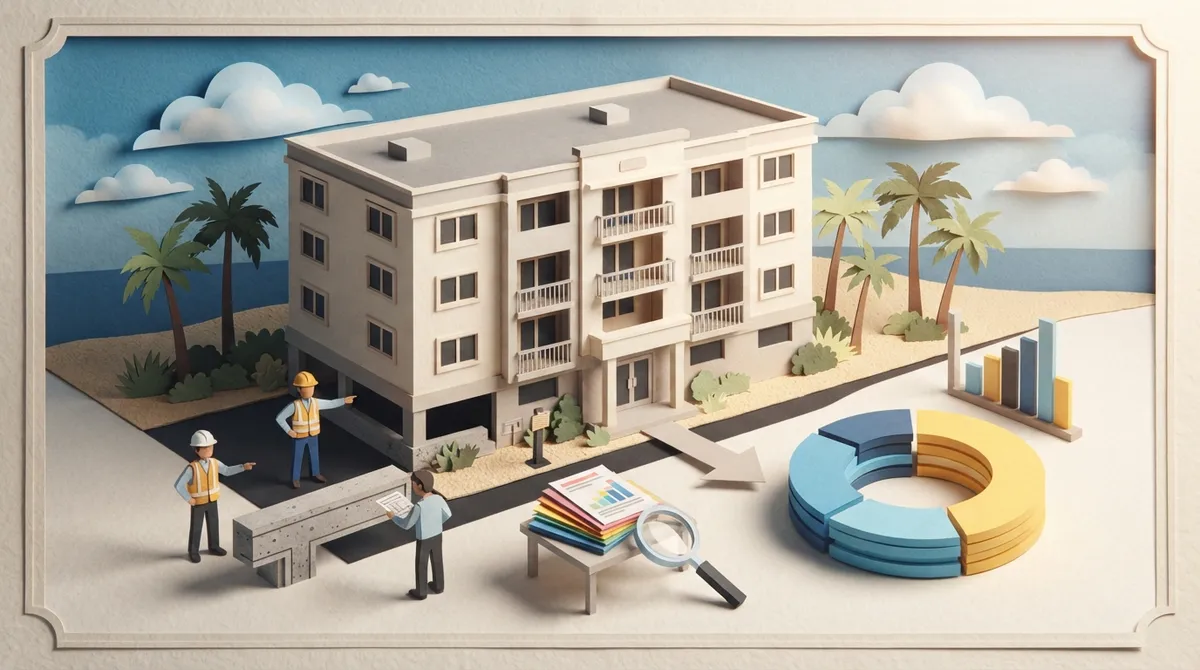
What Is a Structural Integrity Reserve Study?
Think of a SIRS as a financial and physical checkup for your building. A qualified professional visually inspects key components, estimates how long each one will last, and predicts what repairs or replacements will cost. Then the report recommends how much money your association should set aside each year.
It is rooted in Florida Statute §718.112, which sets the rules for condominium reserve studies. In plain terms, the law wants associations to save for big structural needs before they turn into emergencies.
SIRS vs. Building Recertification
This is where many Lauderhill boards get tangled up. A SIRS and a recertification are different jobs with different goals. Here is a quick side-by-side look.
| Feature | SIRS | Building Recertification / Milestone Inspection |
|---|---|---|
| Main goal | Plan and fund future repairs | Evaluate safety and code-related conditions |
| Focus | Remaining useful life and replacement cost | Structural and electrical condition today |
| Who requires it | Florida condominium law | Local authority and state milestone rules |
| Key output | Reserve funding plan | Inspection report and repair recommendations |
One does not replace the other. If you want a deeper look at recertification itself, check out our guide on what building recertification is and why it matters.
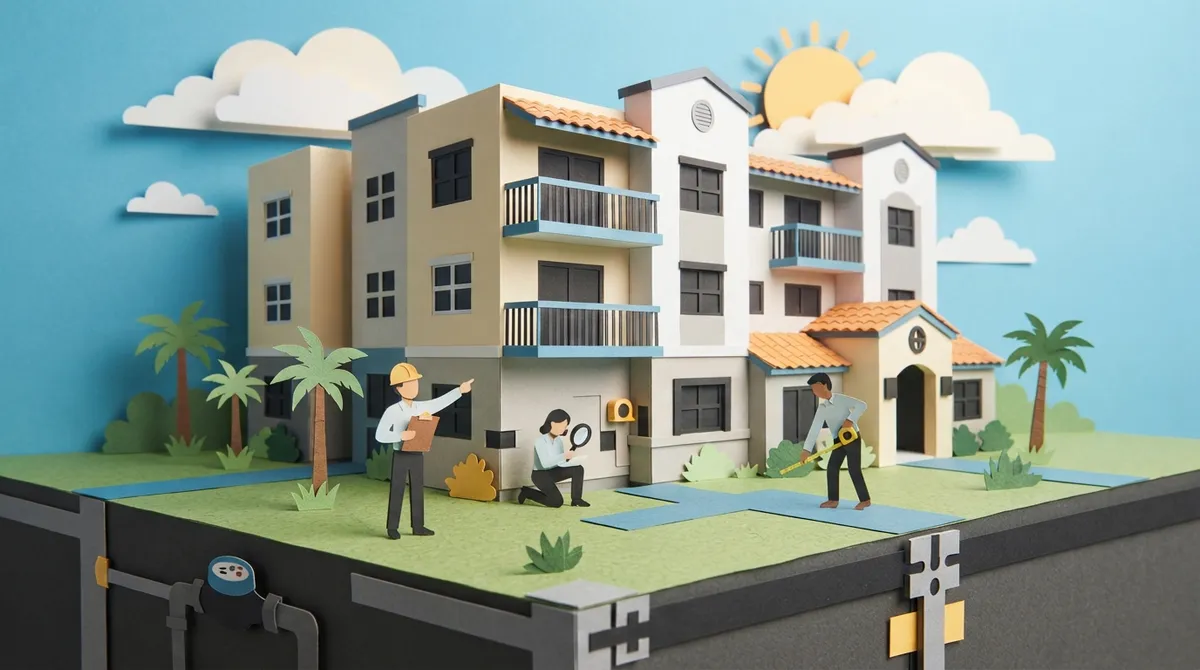
Does Your Lauderhill Building Need a SIRS?
Not every property in Lauderhill needs one. The requirement depends on your building and your association, not just your address. Here are the basics most boards should check.
- The building is part of a residential condominium association.
- The building is three or more habitable stories tall, as determined under the Florida Building Code.
- The association is generally required to complete a new SIRS at least once every 10 years for each qualifying building.
If your building is shorter than three habitable stories, the SIRS rule may not apply to it. Rental apartment buildings and many HOA communities follow different rules, so it helps to confirm your status with Florida counsel or the state Division of Condominiums.
What a Lauderhill SIRS Must Cover
Florida law lists the minimum components a SIRS has to review. Your report should look at each one and tell you how long it should last and what it may cost to fix or replace.
The Required Components
- Roof
- Load-bearing walls and primary structural members
- Fireproofing and fire protection systems
- Plumbing
- Electrical systems
- Waterproofing and exterior painting
- Windows and exterior doors
- Other qualifying items whose failure could affect the components above
The report is built on a visual inspection. It must list each item inspected, its estimated remaining useful life, its estimated replacement cost or deferred-maintenance expense, and a funding plan or schedule.
Who Is Allowed to Do the Inspection?
This part matters, so choose carefully. The visual inspection must be performed or verified by one of these qualified professionals:
- A Florida-licensed engineer
- A Florida-licensed architect
- A CAI Reserve Specialist
- An APRA Professional Reserve Analyst
Picking the right professional saves time and headaches. Our article on how to choose licensed building inspectors shares simple tips you can use right away.
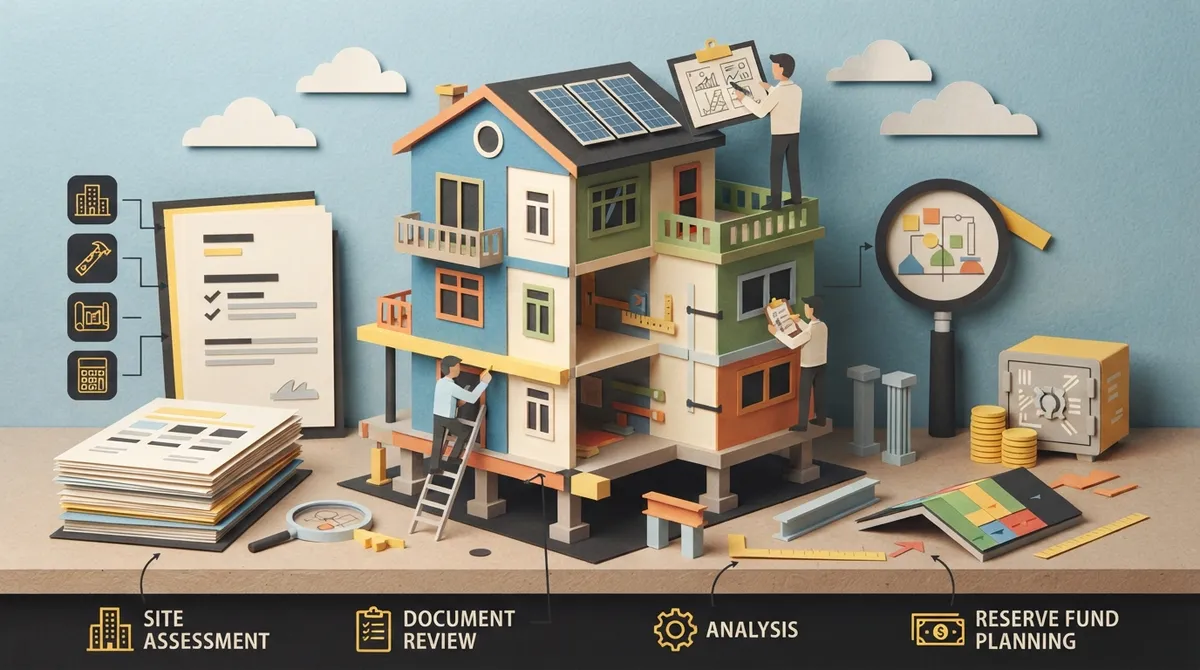
How to Complete Your Lauderhill SIRS: 7 Simple Steps
Ready to roll up your sleeves? Here is a clear path from start to finish. Follow these steps in order and your board will stay organized and on schedule.
- Confirm that your building qualifies. Check the height, the association type, and any past reserve studies. Ask your attorney or property manager to verify the current statute.
- Check your deadlines. For owner-controlled associations that existed on or before July 1, 2022, the original deadline was December 31, 2025. A limited provision lets some associations with a milestone inspection due by December 31, 2026 complete the study alongside that inspection. Always confirm the latest rules, since laws can change.
- Gather your documents. Collect past reserve studies, building plans, repair records, roof and window permits, and insurance papers. The more history the inspector sees, the better the report.
- Hire a qualified professional. Choose a licensed engineer, architect, or credentialed reserve analyst with South Florida experience.
- Schedule the visual inspection. Give the inspector access to roofs, electrical rooms, garages, and exterior walls. Let residents know ahead of time so nobody is surprised.
- Review the draft report with your board. Ask questions. Make sure each required component is included with a useful life estimate, cost estimate, and funding plan.
- Adopt the funding plan and share the report. Make the completed study available to owners and follow the current statutory reporting and recordkeeping rules. Associations managing 25 or more units should double-check website-posting requirements.
How a SIRS Works With Recertification and Milestone Inspections
Here is the good news. Your SIRS and your inspections can team up to make life easier. Engineering findings from a milestone or recertification inspection can point out repair needs. Those findings can then feed into your reserve plan, so eligible costs and timing are built into your budget.
Florida milestone inspections generally begin when a building reaches 30 years of age, or 25 years for buildings within three miles of the coast, and repeat every 10 years. Local rules can differ, so confirm the exact schedule for your Lauderhill property with the City of Lauderhill Building Division or Development Services. Also confirm whether Broward County or another authority has jurisdiction for your specific building.
For helpful background, read our overview of SIRS vs. milestone inspection and our guide to meeting your Lauderhill milestone inspection deadline.
Why Coordinating Saves You Money
- One site visit schedule can reduce disruption for residents.
- Shared building data means fewer repeated questions.
- Repair findings can be reflected in your reserve numbers right away.
- Your board gets a single, consistent story about building health.
Common Mistakes Lauderhill Boards Should Avoid
Even smart, well-meaning boards trip up sometimes. Here are the pitfalls we see most often, so you can steer clear of them.
- Waiting too long. Qualified professionals get busy as deadlines approach. Start early.
- Mixing up the reports. A SIRS is not a repair plan, a permit, or a certificate that your building is safe.
- Skipping documents. Missing records slow the process and can weaken the report.
- Ignoring funding. A great report means little if the recommended reserves never get funded.
- Forgetting owner access. The completed study must be made available to unit owners.
If you want more ideas on what can go wrong, our post on common SIRS mistakes condo boards must avoid is a quick, useful read.
What Happens If You Skip the SIRS?
Skipping a required SIRS or failing to fund the recommended reserves can create real trouble. Boards may face legal exposure, owner complaints, and difficulty with insurance or lending. Buyers and lenders increasingly ask for current reserve and inspection documents, so a missing SIRS can slow down sales and refinancing.
The good news is that a completed, well-organized report can actually strengthen your position. It shows owners, insurers, and lenders that your board is on top of things. For a detailed look at related local requirements, see our guide on completing Lauderhill structural integrity reserve studies.
Why Technology Makes the Process Smoother
Modern tools can make inspections faster, safer, and more thorough. Drones can capture roofs and tall facades without scaffolding. 3D laser scanning can document conditions with detail that is hard to get by eye alone. These tools help professionals build accurate, easy-to-read reports that boards can trust.
Why Boards Choose O’Reilly Consultants
At O’Reilly Consultants, we are a small, specialized engineering team focused on Broward and Miami-Dade Counties. We handle 10-, 25-, and 40-year recertification inspections, along with electrical and illumination safety inspections, SIRS, property condition assessments, and HOA reserve studies. Led by qualifying architect Sherard O’Reilly, our team brings decades of combined engineering and construction experience to every project.
We guide you from the first county notice through hiring, inspection, reporting, and repairs, using drones and 3D imaging to keep things fast and accurate. Want to know who is behind the work? Learn more about O’Reilly Consultants, or see what neighbors say when you visit our O’Reilly Consultants location on Google.
For comparison and context, Miami-Dade County explains its own process on the Miami-Dade County recertification page, and you can look up cases through the Miami-Dade building recertification case search. Lauderhill sits in Broward County, so always confirm your own local requirements as well. You can also read the statute directly through the Florida Legislature’s Statute 718.112 page.
Your Next Step Toward a Stress-Free SIRS
A Lauderhill structural integrity reserve study does not have to feel overwhelming. Confirm your building qualifies, check your deadlines, gather your records, hire a qualified professional, and fund the plan. Take it one step at a time and your board will be in great shape.
Ready for a partner who knows South Florida buildings inside and out? Request a free quote today, or call us at (512) 567-1191. We would love to help your community stay safe, compliant, and ready for the future.
FAQs
Q: What is a structural integrity reserve study, and how is it different from building recertification in Lauderhill?
A: A SIRS is a reserve-planning report that estimates future repair costs and recommends how to fund them. Building recertification, on the other hand, checks the safety and code-related condition of your building today. They work best as a team, but one does not replace the other.
Q: Does my Lauderhill condo need a SIRS if it is under three stories?
A: Generally, the SIRS requirement applies to condominium buildings that are three or more habitable stories tall. If your building is shorter, it may not be covered, but it is smart to confirm with Florida counsel or the state Division of Condominiums.
Q: Who can perform the visual inspection for a SIRS?
A: The visual inspection must be performed or verified by a Florida-licensed engineer or architect, or a qualifying CAI Reserve Specialist or APRA Professional Reserve Analyst. Choosing an experienced local professional makes the whole process smoother.
Q: Can a SIRS be done at the same time as a milestone inspection?
A: In some cases, yes. The statute includes a limited coordination provision for associations with a milestone inspection due by December 31, 2026, though the outside date for the study is December 31, 2026. Always verify current rules, since laws can change.
Q: What happens if my association does not complete a required SIRS?
A: Skipping a required SIRS or failing to fund recommended reserves can lead to legal exposure, owner disputes, and trouble with insurance or lending. Starting early and working with a qualified team helps your board stay protected and on schedule.