

Key Takeaways
-
Coral Springs SIRS is mandatory for 3+ story buildings and must be completed by December 31, 2024 (for pre-July 2022 associations), with initial DBPR submission required within 45 days and full reserve funding mandated starting January 1, 2025.
-
SIRS must be conducted by a licensed engineer, architect, or certified reserve specialist with zero financial interest in recommended repairs; hiring unqualified professionals or those offering repair services is a major compliance violation.
-
SIRS evaluates eight critical structural components (roof, load-bearing walls, floors, foundation, plumbing, electrical, waterproofing, fireproofing) and cannot be replaced by traditional reserve studies, which cover different scope and allow waivers.
-
Reserve funding for SIRS components is non-waivable and mandatory; associations cannot defer it through owner votes and must incorporate full funding into budgets, with consideration for loans to spread costs if needed.
-
Industry experts recommend updating SIRS every 1-3 years despite the 10-year legal requirement, as South Florida's coastal environment accelerates deterioration and inflation significantly impacts replacement cost estimates.
-
Early scheduling is critical because licensed professionals book up quickly, rushing assessments leads to incomplete evaluations, and delays trigger board liability and fines; missing the deadline exposes associations to insurance and financing difficulties.
If you manage or own a condominium building in Coral Springs, you’ve likely heard the term Coral Springs Structural Integrity Reserve Studies (SIRS) floating around a lot lately. And for good reason — getting this right is not just a legal obligation, it’s a matter of safety and financial protection for every resident in your building. The post-Surfside era in Florida has changed everything about how we approach building safety, and SIRS is now front and center of that conversation.
The good news? With the right guidance, navigating SIRS doesn’t have to feel overwhelming. The not-so-good news? There are some very common mistakes that condo boards and property managers make that can lead to penalties, financial surprises, and serious compliance headaches. Let’s walk through the five biggest mistakes — and how to avoid every single one of them.
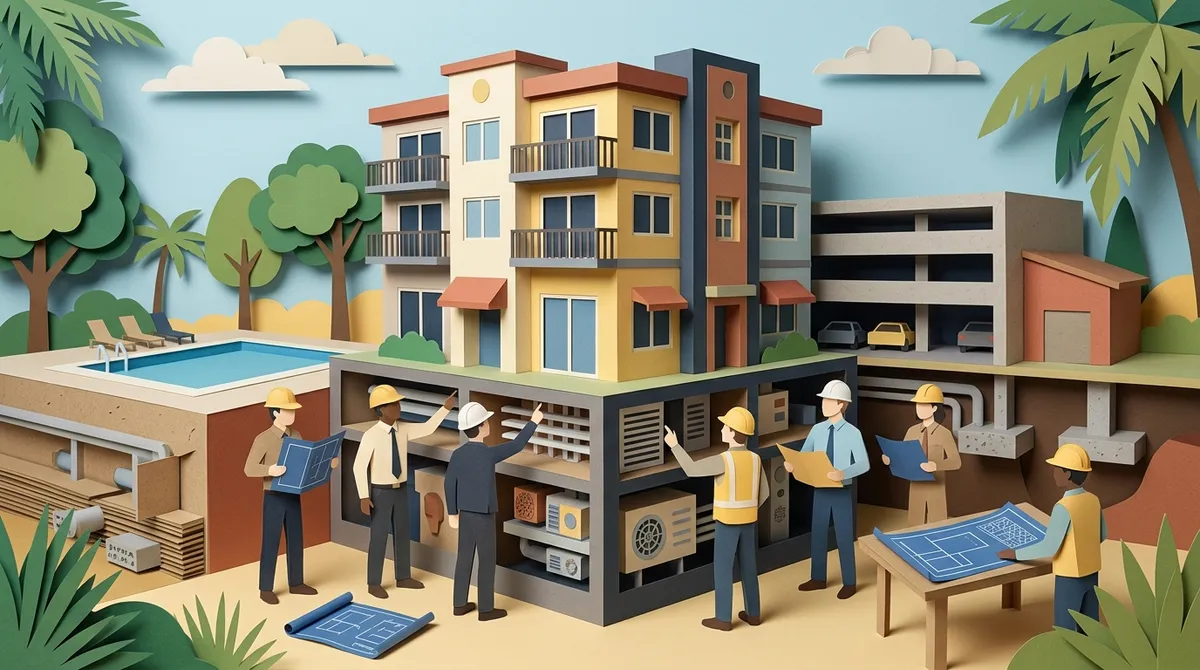
What Is a Structural Integrity Reserve Study (SIRS)?
Before we dive into the mistakes, let’s make sure we’re all on the same page. A Structural Integrity Reserve Study is a mandatory assessment required by Florida law for condominium and cooperative buildings that are three stories or higher. It was enacted through Senate Bill 4D following the tragic 2021 Surfside collapse, and it’s codified under Florida Statutes 718.112(2)(g).
A SIRS evaluates eight specific structural components of your building. These include the roof, load-bearing walls, floors, foundation, plumbing, electrical systems, waterproofing, and fireproofing. The study determines each component’s current condition, its remaining useful life (RUL), and what it will cost to repair or replace it. This creates a clear funding roadmap so your association is never caught off guard by a massive repair bill.
Unlike a traditional reserve study, a SIRS must be conducted by a licensed engineer or architect — and that professional cannot have any financial interest in the repairs. This prevents conflicts of interest and ensures you’re getting an honest, unbiased report. For a deeper look at long-term building compliance, check out the importance of 40-year building recertification for property longevity.

SIRS Deadlines and Legal Requirements at a Glance
Understanding the timeline is critical. Here’s a quick overview of the key legal requirements for Florida condo associations:
| Requirement | Detail |
|---|---|
| Who must comply | Condo/co-op associations with buildings 3+ stories |
| Initial SIRS deadline | December 31, 2024 (for associations existing before July 1, 2022) |
| Renewal frequency | Every 10 years (updates recommended every 1–3 years) |
| Reserve funding begins | Budgets passed on or after January 1, 2025 |
| DBPR submission | Within 45 days of completion |
| Conducted by | Licensed engineer, architect, or certified reserve specialist |
Now that you have the legal framework in mind, let’s get into the five mistakes you absolutely must avoid.

Mistake 1: Waiting Too Long to Schedule Your SIRS
This is the most common and most costly mistake. Many condo boards assumed they had plenty of time and kept pushing the SIRS scheduling to next month, next quarter, and then suddenly the deadline was breathing down their necks. The initial deadline for associations existing before July 1, 2022, was December 31, 2024 — and missing it has real consequences.
Here’s why early scheduling matters:
- Licensed engineers and architects book up fast, especially across Broward County
- Rushing a SIRS can lead to incomplete assessments
- You need time to review the report and submit it to DBPR within 45 days
- Reserve funding planning takes time to implement in your annual budget
- Delays can trigger fines and legal exposure for board members
If you’re in Coral Springs and your building hasn’t yet completed its initial SIRS, or you’re approaching the 10-year renewal, act now. Reach out to schedule your assessment before the calendar works against you.

Mistake 2: Hiring the Wrong Professional
Not just anyone can conduct a Coral Springs Structural Integrity Reserve Study. Florida law is very specific: the study must be performed by a licensed engineer, a licensed architect, or a certified reserve specialist. And critically, that professional cannot have a financial interest in any of the repairs recommended.
Watch out for these red flags when hiring:
- The provider is not a licensed Florida engineer or architect
- They also offer to sell you the repairs they recommend
- They have no experience with condominium structural assessments
- They don’t use modern inspection tools like drones or 3D laser scanning
- They can’t provide documentation of past SIRS projects in South Florida
Advanced inspection technology matters here. A team that uses drones and 3D imaging can access hard-to-reach areas of your building — roof edges, façades, elevated structural elements — without scaffolding delays. This means faster, more accurate results and a more thorough report for your association.
At O’Reilly Consultants, the team is led by qualifying architect Sherard O’Reilly and supported by Construction Manager and Engineer Catalina Torres, who brings 27 years of civil engineering experience. This kind of expertise is exactly what your SIRS demands.
Mistake 3: Confusing SIRS with a Traditional Reserve Study
This mix-up trips up a lot of boards. A traditional reserve study looks at general maintenance items — things like pool equipment, landscaping, and common area furniture. A SIRS is a very different animal.
Here’s how they differ:
| Feature | Traditional Reserve Study | SIRS |
|---|---|---|
| Scope | General common elements | 8 specific structural components only |
| Who conducts it | Reserve analyst or property manager | Licensed engineer or architect only |
| Reserve waivers allowed | Yes, by owner vote | No — waivers are prohibited |
| Physical inspection required | Sometimes optional | Always required |
| Florida law mandate | Not always required | Mandatory for 3+ story buildings |
One of the biggest pitfalls is assuming your existing reserve study satisfies the SIRS requirement. It almost certainly does not. You need a separate, compliant SIRS report conducted by a qualified professional who performs a hands-on physical inspection of your building’s structural elements. Learn more about how structural assessments tie into overall 40-year recertification requirements in South Florida.
Mistake 4: Ignoring the Reserve Funding Requirement
Completing the SIRS report is only half the job. The other half — and the part many boards overlook — is the funding requirement. Starting with budgets passed on or after January 1, 2025, Florida law requires that reserves for SIRS components be fully funded. You cannot waive this. You cannot defer it by a vote of the owners.
Here’s what proper reserve funding planning should include:
- Review the SIRS report thoroughly — Understand the remaining useful life and replacement costs for each of the eight structural components.
- Calculate annual contributions — Work with your financial advisor or management company to determine how much needs to be set aside each year.
- Update your budget before the fiscal year begins — Don’t wait until mid-year to make adjustments.
- Communicate clearly with unit owners — Transparency builds trust and reduces resistance to assessment increases.
- Consider loans if needed — Florida law allows associations to borrow to fund reserves, which can help spread costs over time.
Failing to fund reserves properly doesn’t just create financial risk — it can also make your building harder to insure and harder to sell units in. Buyers and lenders are paying close attention to reserve funding levels in 2026. For reference on structural issues that underfunded reserves often lead to, see this resource on understanding foundation cracks and structural risks in commercial buildings.
Mistake 5: Thinking the 10-Year Renewal Is Far Away
Even if your association completed its initial SIRS on time, a surprisingly common mistake is treating the 10-year renewal as a distant concern. It’s not. Here’s why you should start thinking about updates well before that deadline:
- Inflation and material costs can dramatically change replacement cost estimates within just a few years
- South Florida’s coastal environment accelerates wear on roofing, waterproofing, and electrical systems
- A building’s condition can change faster than expected, especially after severe weather events
- Lenders and insurers may request updated studies before the legal deadline
Industry experts recommend revisiting your SIRS every one to three years, even though Florida law only mandates it every 10 years. Think of it like a health checkup — waiting a decade between visits is the legal minimum, not the smart minimum. Proactive updates help you catch problems early, adjust reserve contributions, and avoid surprise special assessments that blindside unit owners.
You can also check Miami-Dade County’s official recertification requirements to stay current on all applicable mandates in the South Florida region. And if you want to verify the status of a specific building’s recertification, you can search Miami-Dade Building Recertification Cases directly through the county’s online portal.
Why Choosing the Right SIRS Partner Matters
Your SIRS provider is not just a vendor — they’re a compliance partner. The right team walks you through the entire process, from receiving your county inspection notice to submitting your completed documentation on time. They use the right tools, bring the right credentials, and give you clear, actionable recommendations instead of confusing technical jargon.
O’Reilly Consultants specializes in exactly this kind of work across Broward and Miami-Dade Counties. With advanced drone technology and 3D laser scanning, the team delivers thorough, accurate assessments for multi-family buildings, condominiums, commercial towers, and more. Their reports exceed county requirements and give your board the clarity needed to make smart, confident decisions. You can visit O’Reilly Consultants on Google to read reviews and learn more about what clients say about their experience.
A Quick SIRS Compliance Checklist for Coral Springs Boards
Use this checklist to make sure you’re on the right track:
- Confirm your building is three stories or higher and subject to SIRS requirements
- Verify your initial SIRS was completed by December 31, 2024
- Ensure your SIRS was conducted by a licensed engineer or architect with no conflict of interest
- Submit your completed SIRS to DBPR within 45 days
- Share the report with all unit owners as required
- Incorporate SIRS reserve funding into your current budget
- Schedule your next SIRS update before the 10-year deadline
Also consider pairing your SIRS with a comprehensive 40-year building recertification inspection to address all structural, electrical, and safety compliance needs in one coordinated effort. This approach saves time, reduces disruption for residents, and gives your board a complete picture of your building’s health. For additional guidance on Florida’s building inspection requirements, the Florida Senate’s official statutes provide the full legal text on condominium association requirements.
Conclusion: Don’t Let These Mistakes Cost Your Community
Coral Springs Structural Integrity Reserve Studies are not just a legal checkbox — they’re a genuine investment in the safety and financial well-being of everyone who calls your building home. Avoiding these five common mistakes puts your association in a strong, compliant position and helps you build trust with residents, lenders, and insurers alike.
Whether you’re just getting started with your initial SIRS or planning your next update, working with a knowledgeable, experienced team makes all the difference. Don’t navigate this process alone — the stakes are too high and the regulations too specific. Request a free consultation with O’Reilly Consultants today and take the first step toward a fully compliant, well-protected building.
FAQs
Q: What exactly is a Structural Integrity Reserve Study (SIRS) and do I need one in Coral Springs?
A: A SIRS is a mandatory assessment for Florida condominium and cooperative buildings that are three stories or higher. It evaluates eight specific structural components — including the roof, foundation, electrical systems, and waterproofing — to determine their condition and forecast future repair costs. If your Coral Springs building meets that height threshold and your association existed before July 1, 2022, you were required to complete your initial SIRS by December 31, 2024.
Q: How is a SIRS different from the traditional reserve study our association already has?
A: Great question — and this is one of the most common points of confusion! A traditional reserve study covers general common elements like landscaping, pool equipment, and lobby furnishings, and it can be waived by a vote of owners. A SIRS is legally different: it focuses only on eight critical structural components, must be conducted by a licensed engineer or architect, and reserve funding for SIRS components cannot be waived under any circumstances.
Q: What happens if our condo association missed the SIRS deadline?
A: Missing the initial SIRS deadline can expose your association to fines, legal liability, and difficulty securing insurance or financing for the building. It also puts board members in a tough spot legally. The best move right now is to schedule your SIRS as soon as possible — acting quickly shows good faith and gets your association back on track toward full compliance.
Q: Can we waive reserve funding for SIRS components if owners vote to do so?
A: No — and this is a really important distinction! Unlike traditional reserve studies, Florida law explicitly prohibits associations from waiving reserve funding for SIRS structural components. Starting with budgets passed on or after January 1, 2025, full funding for these eight components is legally required. If your current budget doesn’t reflect this, it’s time to update it right away.
Q: How often does our Coral Springs building need to renew its SIRS?
A: Florida law requires a SIRS update every 10 years for buildings three stories or higher. However, industry experts — and we wholeheartedly agree — recommend reviewing and updating your study every one to three years. South Florida’s coastal climate accelerates wear on structural systems, and inflation can significantly change cost estimates. Staying proactive means fewer surprises and a healthier reserve fund for your community.