Key Takeaways
-
Electrical inspections for recertification are separate from the state milestone inspection, which is mainly structural, so confirm with your local building department whether you need both.
-
Requirements vary by city and county; Miami-Dade, Broward cities, and Miami Beach each have their own forms, deadlines, and scope, so verify before hiring anyone.
-
Infrared thermography may be required for service systems with aggregate service-entrance conductors rated at 400 amperes or greater, performed by a Level-II-or-higher certified thermographer.
-
An inspection report documents conditions and recommends repairs but does not authorize work; permit-required fixes must be corrected, permitted, and passed on final inspection.
If your building is facing recertification, the words “electrical inspection” can make your stomach drop a little. Don’t worry. You are not alone, and it is much more manageable than it sounds. Think of it as a health checkup for your building’s wiring, panels, and safety lights.
In South Florida, boards, managers, and owners juggle deadlines, county notices, and tight budgets. Electrical inspections for building recertification are one of the pieces that trip people up most, mostly because the rules change by city and county. The good news? Once you know what to expect, the process gets a lot less scary.
In this friendly guide, we walk through 14 things every owner should know in 2026. You will learn what inspectors check, who can do the work, what happens if something fails, and how to prepare. Let’s dig in together.

1. Electrical Inspections Are Not the Same as a Milestone Inspection
This is the most common mix-up. Florida’s milestone inspection law (Florida Statutes 553.899) is mainly a structural inspection done by a licensed architect or engineer. It is not a full electrical certification on its own.
Many local recertification programs, however, require a separate electrical review. So your building may need both. Always confirm the exact program with your local building department. For a deeper look at the structural side, see what building recertification is and why it matters.
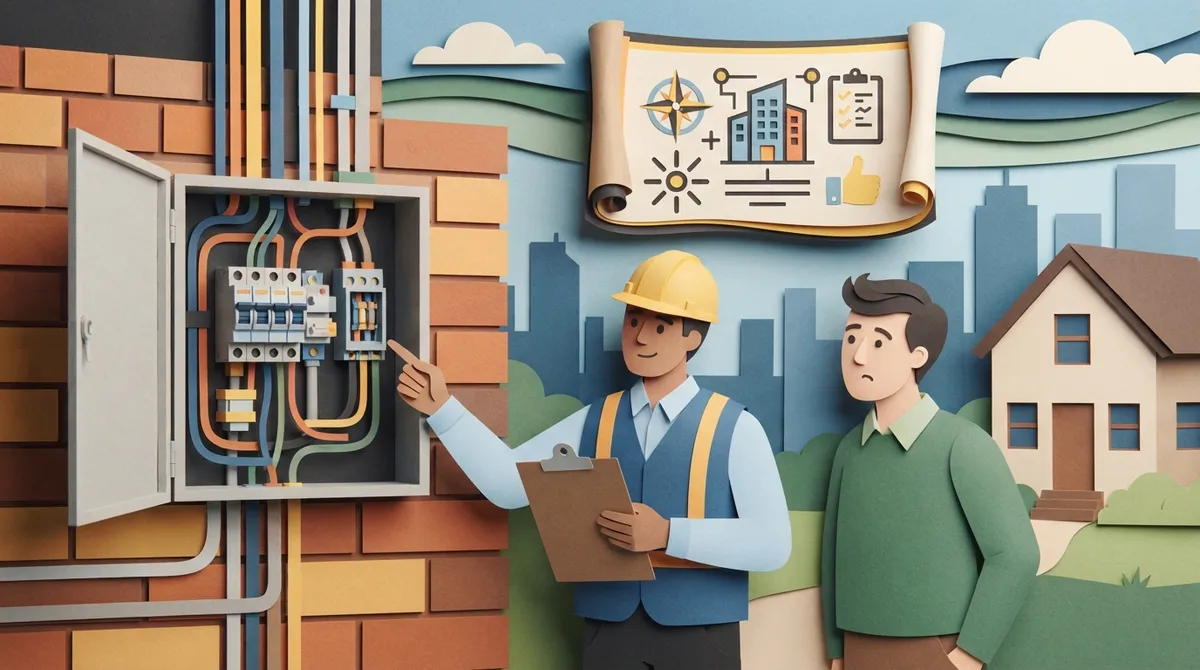
2. Your Local Rules Decide What You Need
Florida is not one-size-fits-all. Miami-Dade County, Broward cities, and Miami Beach each have their own forms, deadlines, and scope. What works in one city may not satisfy another.
Before you hire anyone, check with the authority having jurisdiction. You can start with the Miami-Dade County recertification page for current guidance and forms.
3. The State Milestone Timeline Is Separate
Under the 2025 statute, covered condominium and cooperative buildings that are at least three habitable stories tall need a milestone inspection by December 31 of the year they turn 30 years old. That clock starts at the certificate of occupancy. After that, inspections repeat every 10 years.
Local conditions can push the first inspection earlier. That is why it pays to check your building’s exact dates early rather than waiting for a notice.
4. What Inspectors Actually Look At
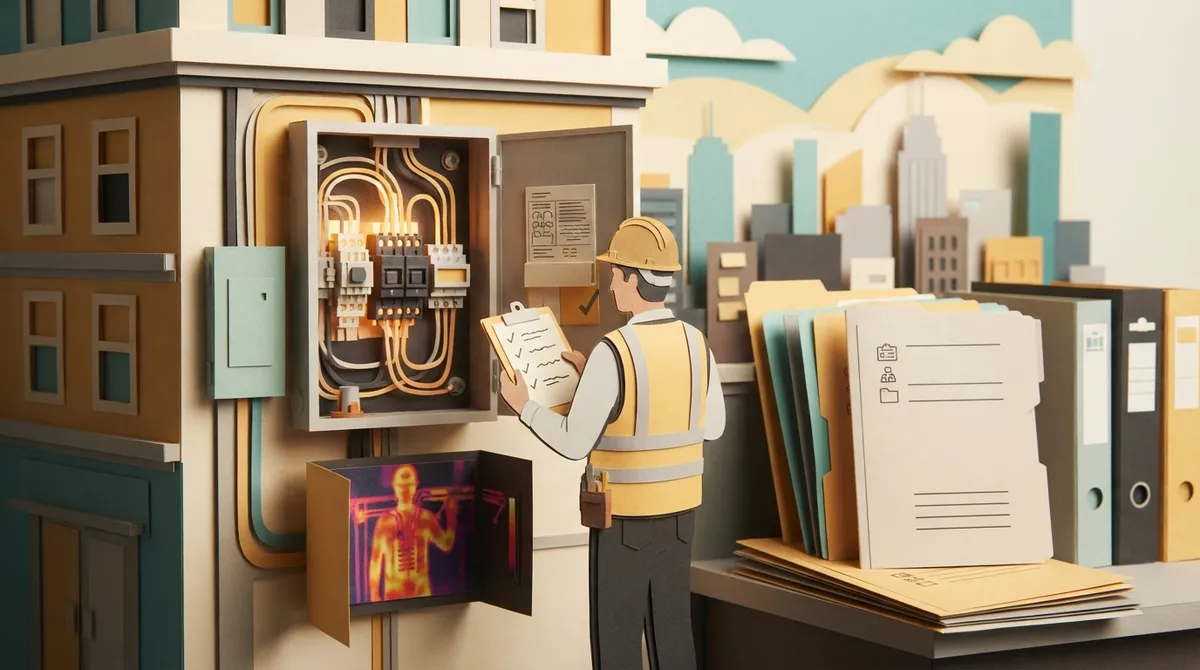
An electrical inspection for recertification is a visual and functional review of your building’s electrical backbone. In Miami-Dade, the guidance describes a review that can cover:
- Service equipment and its ratings
- Grounding and bonding
- Meter rooms and electrical rooms
- Panels and branch circuits
- Wiring methods, raceways, and conductors
- Emergency lighting and exit signs
- Fire-alarm systems, where present
The goal is simple: confirm the systems look safe and serviceable.
5. Meter and Electrical Rooms Get Close Attention
These rooms are the heart of your electrical system. Inspectors check for blocked access, missing labels, poor ventilation, water intrusion, and damaged equipment.
A messy storage closet that happens to hold a panel is a classic problem. Clear the space, and you remove one easy reason for a deficiency.
6. Infrared Thermography May Be Required
Infrared scanning finds hot spots in electrical equipment that the eye cannot see. It can catch loose connections and overloaded components before they cause a failure.
Miami-Dade guidance calls for infrared thermography on applicable service systems with aggregate service-entrance conductors rated at 400 amperes or greater. It also calls for a Level-II-or-higher certified thermographer with relevant commercial-building experience. Rules and exceptions can change, so confirm the current local form before relying on that threshold.
7. Emergency Lighting and Exit Signs Matter More Than You Think
Dead batteries, burned-out bulbs, and dim exit signs are some of the most common findings. They are also some of the easiest to fix ahead of time.
Walk your stairwells and corridors before the inspector does. Press the test buttons. A quick check now can save you a failed report later.
8. Quick Comparison: Structural vs. Electrical Recertification Scope
Here is a simple side-by-side so you can see how the two reviews differ.
| Item | Structural Review | Electrical Review |
|---|---|---|
| Main focus | Foundations, walls, roofs, balconies | Service, panels, wiring, lighting |
| Typical professional | Licensed architect or engineer | Licensed Florida professional per local rules |
| Special testing | Material or load checks if needed | Infrared thermography where applicable |
| Report result | Conditions and repair recommendations | Conditions and repair recommendations |
Both reports often go together in one submission, which is why coordinating them saves time.
9. Who Is Qualified to Perform the Inspection?
In many local programs, the electrical certification must be done by an appropriately licensed Florida professional. Miami Beach, for example, says threshold buildings need structural and electrical certifications from licensed Florida professionals.
Choosing the right inspector matters. Our guide on how to choose licensed building inspectors for recertification breaks down what to look for.
10. Threshold Buildings Have Extra Requirements
Miami Beach describes threshold buildings as those over three stories or 50 feet, plus certain large assembly occupancies. These are often the office towers, hotels, and big condos that owners of commercial properties manage.
If your property fits that description, expect both structural and electrical certifications as part of your submission.
11. Common Deficiencies That Cause Trouble
Most failures are not dramatic. They are small things that pile up over time. Watch for these:
- Corroded or damaged panels and enclosures
- Missing breaker labels or covers
- Improper grounding or bonding
- Overheated connections found during thermal scans
- Failed emergency lights or exit signs
- Exposed or damaged wiring
Catching these early keeps your timeline and your budget calm.
12. A Report Does Not Authorize Repairs
Here is something many owners do not realize. An inspection report documents conditions and gives recommendations. It does not give you permission to start electrical work.
Deficiencies that need permits generally have to be corrected, permitted, and finally inspected. After that, the local authority may require updated certification or documentation. Ask your inspector to clearly separate urgent safety items from routine maintenance so you can plan well.
13. How to Get Ready: A Simple Prep Checklist
A little prep goes a long way. Here is an easy order of steps to follow:
- Confirm your program, deadline, and forms with the local building department.
- Gather past electrical reports, permits, and single-line diagrams if you have them.
- Make sure inspectors can reach every panel, meter, and electrical room.
- Test emergency lights, exit signs, and fire-alarm components.
- Fix obvious issues like missing labels and cover plates.
- Schedule your inspection early, ideally well before the deadline.
Boards and HOA managers who follow these steps usually feel much more in control. If you want to see the full path, read about the key steps in the building recertification process.
14. Working With a Local Expert Makes It Easier
Electrical inspections are only one part of the picture. A team that understands structural, electrical, and safety requirements together can keep everything on schedule.
O’Reilly Consultants is a small, focused engineering team serving Broward and Miami-Dade Counties. They handle 10-, 25-, and 40-year recertification inspections and use drones and 3D laser scanning to deliver thorough, accurate reports. Led by qualifying architect Sherard O’Reilly, the team guides you from the county notice to the final submission, so you are never guessing about the next step.
Curious how others feel about working with them? You can visit O’Reilly Consultants on Google to see their reviews. For city-specific help, check out their guide on how to navigate electrical inspections for building recertification, or browse their 40-year recertification overview.
Who Benefits Most From Planning Ahead?
Different owners feel the pressure in different ways. Here is how it often plays out:
- Condo boards: You need to protect residents and avoid fines while managing member expectations.
- Commercial owners: Threshold buildings need both structural and electrical certifications.
- HOA managers: Tight deadlines call for efficient, well-documented inspections.
- Apartment owners: Safety, insurance, and tenant trust all depend on sound electrical systems.
- Investment firms: Clean reports help with sales, refinancing, and insurance.
No matter which group you are in, early planning is the secret ingredient. You can also track local filings using the Miami-Dade building recertification case search.
Final Thoughts: You Have Got This
Electrical inspections for building recertification do not have to be stressful. Know your local rules, prep your spaces, fix the small stuff early, and work with a licensed team that knows South Florida. That combination turns a scary deadline into a smooth checklist.
Ready to get started? Request a free quote from O’Reilly Consultants today, or call us at (512) 567-1191 to talk through your timeline. We would love to help you reach recertification with confidence.
FAQs
Q: What does an electrical inspection include in building recertification?
A: It is a review of your building’s electrical backbone. Inspectors typically look at service equipment, grounding, meter and electrical rooms, panels, wiring, emergency lighting, exit signs, and fire-alarm systems where present. The exact scope depends on your local program.
Q: Is an electrical inspection required for Florida milestone inspections?
A: Not by the state milestone law itself, which is mainly structural. But many local recertification programs, like those in Miami-Dade and Miami Beach, require a separate electrical review. Always confirm with your local building department.
Q: When is infrared thermography required?
A: Miami-Dade guidance specifies infrared thermography for applicable systems with aggregate service-entrance conductors rated at 400 amperes or greater. A Level-II-or-higher certified thermographer is called for. Rules can change, so verify the current local form.
Q: What happens after an electrical deficiency is found?
A: The report lists the issue and recommends a fix. Repairs that need permits must be corrected, permitted, and passed on final inspection. Then you submit any updated documentation your local authority requires.