Key Takeaways
-
A SIRS is a financial planning tool distinct from building recertification—it estimates repair costs and reserve funding needs for major systems, while recertification is a safety inspection filed with the City; boards must plan for both simultaneously.
-
Condo and co-op associations must confirm which requirements apply (SIRS, milestone inspection, BSIP) by checking building age, height, and ownership type with the City, as rules vary and waiting for notices costs time when qualified professionals are booked.
-
Complete a SIRS in seven steps: confirm requirements, gather documents, hire qualified professionals, schedule site visits, review draft findings, build a funding plan, and file results—starting early prevents rushed timelines and stress.
-
If a structural inspection finds imminent failure or life-safety threats, repairs must be permitted and completed within 180 days; ignoring small problems like hairline cracks allows them to grow into expensive structural failures.
-
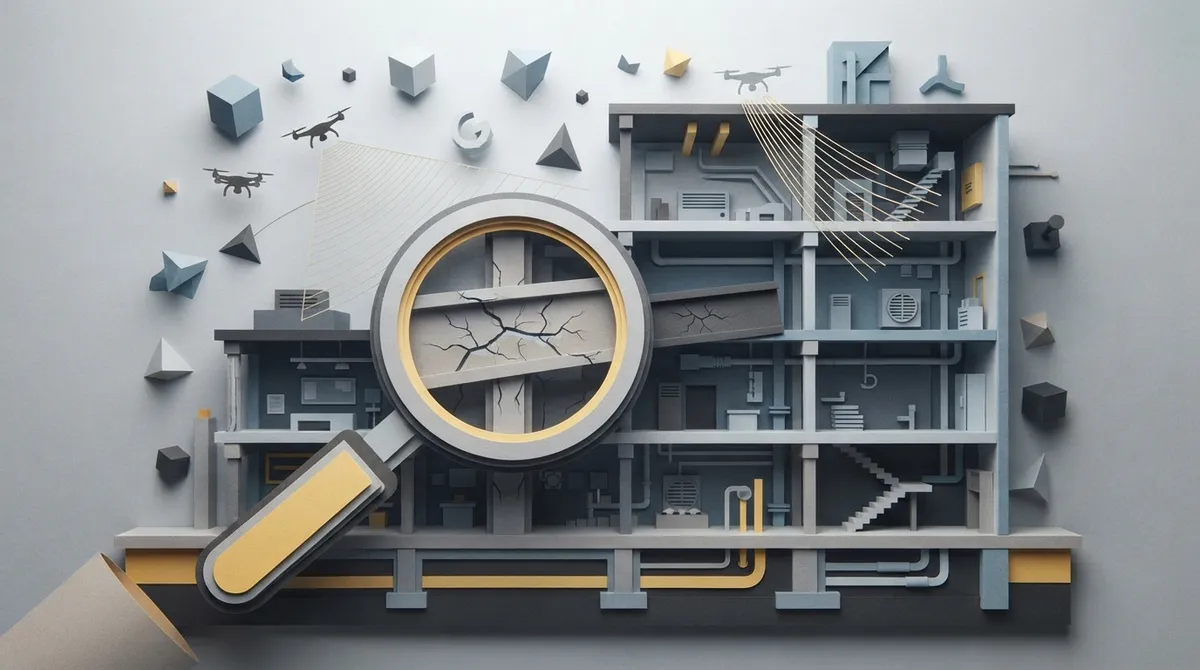
Modern inspection technology like drones and 3D laser scanning reduces fieldwork time, eliminates blind spots, and produces clearer reports that help boards make decisions confidently and communicate problems to owners more effectively.
-
Common costly mistakes include mixing up SIRS and recertification, waiting too long to hire professionals, skipping document preparation, and underfunding reserves even after identifying repair needs—avoiding these ensures smoother compliance.
If you manage or serve on the board of a condo building in Hollywood, Florida, you have probably heard three terms tossed around at meetings: SIRS, milestone inspection, and building recertification. It is easy to mix them up. Here is the good news. Once you see how they fit together, the whole process feels a lot less scary.
A Hollywood structural integrity reserve study (SIRS) is a long-term planning tool. It tells your association what major building parts will need repair or replacement, when that will happen, and how much money you should set aside. It is not the same as the City’s inspection program. But the two often overlap, and smart boards plan for both at once.
In this friendly guide, we will walk you through what a SIRS is, how it differs from recertification, and the steps to get yours done right in 2026. Grab a coffee. We will keep it simple.
What Is a Structural Integrity Reserve Study in Hollywood, Florida?
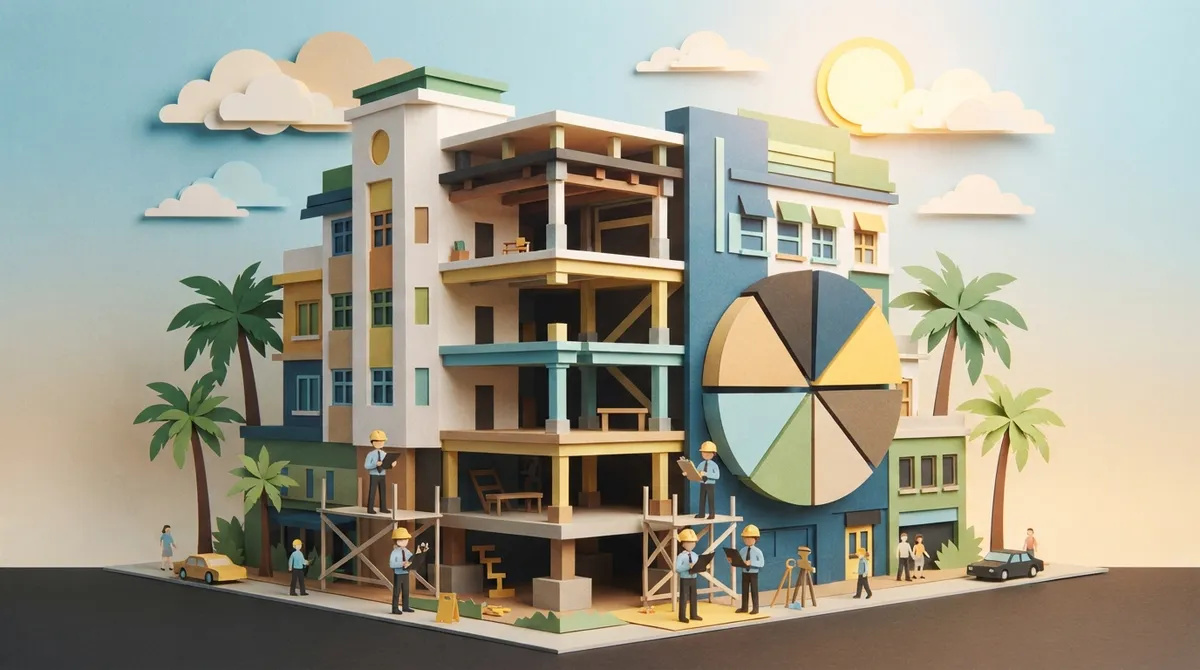
A SIRS is a study of your building’s major systems. It looks at their condition, how long they should last, what it costs to replace them, and how much your reserve fund needs. It applies to qualifying condominium and cooperative associations. It does not apply to every building that faces municipal recertification.
Florida law points to specific building parts that a SIRS must review. Think of them as the “bones and organs” of your property:
- Roof
- Structure, including load-bearing walls and primary structural members
- Fire-protection systems
- Plumbing
- Electrical systems
- Waterproofing and exterior painting
- Windows and exterior doors
For each item, the study checks its condition, its remaining useful life, its replacement cost, and what your reserve funding should look like. In short, it answers one big question: “Can we afford to fix what is coming?”
If you want a deeper local overview, our team put together 12 things to know about Hollywood SIRS in 2026.

SIRS vs. Hollywood Building Recertification: What Is the Difference?
This is the number one point of confusion we hear. A SIRS and a recertification are related, but they are not the same thing. One is a financial and planning study. The other is a safety inspection with a report to the City.
| Feature | SIRS | Hollywood Building Safety Inspection Program (BSIP) |
|---|---|---|
| Main purpose | Plan and fund major repairs | Confirm structural and electrical safety |
| Who it applies to | Qualifying condo and co-op associations | Buildings that reach the local age trigger |
| Age trigger | Based on state law for qualifying buildings | 25 years locally, then every 10 years |
| Who performs it | Qualified professionals under Florida law | Florida-registered architect or engineer (structural); licensed electrical contractor (electrical) |
| Key output | Reserve funding plan and component schedule | Inspection report filed with the City |
A third piece is the Florida milestone inspection. Under state law, covered condo and co-op buildings at least three habitable stories high generally need an inspection by the year they reach 30 years, and every 10 years after that. Local officials can set a 25-year trigger in some cases. So your building might face a SIRS, a milestone inspection, and local BSIP duties. Always check which ones apply to you.
For more background, read what building recertification is and why it matters.
Who Needs a Hollywood Structural Integrity Reserve Study?
Not every building needs one. Here is a quick way to think about who is on the hook:
- Condo associations and co-op boards: Qualifying associations need a SIRS to plan major repairs and reserves.
- Property managers: You often coordinate the paperwork, vendors, and deadlines for the board.
- Apartment owners and commercial owners: You may not need a SIRS, but you likely face BSIP or recertification rules based on age, height, and use.
- Investment firms with aging assets: You may want similar data for insurance, refinancing, or a sale, even when a SIRS is not required.
Because rules depend on ownership type, height, age, and location, the safest move is to confirm with the City and a qualified professional. Do not guess. A quick check now can save you a lot of stress later.
How to Complete a Hollywood SIRS: Step by Step
Ready to get moving? Here is a simple path from start to finish.
- Confirm what applies to your building. Check your ownership type, number of stories, and age. Ask whether you face a SIRS, a milestone inspection, BSIP, or a mix.
- Gather your documents. Pull together plans, past inspection reports, repair records, permits, insurance papers, and your current reserve schedule.
- Hire a qualified professional. Pick a team with real South Florida experience. Our guide on how to choose licensed building inspectors for recertification can help.
- Schedule the site visit. The team walks the property and looks at each required component. Give them access to roofs, electrical rooms, and mechanical areas.
- Review the draft findings. Look at the condition ratings, the remaining life estimates, and the cost numbers. Ask questions. This is your chance to understand the story behind the data.
- Build your funding plan. Compare the study to your current reserves. Decide how you will close any gap through budgeting, assessments, or other tools your association allows.
- Share and file the results. Give owners the information they need, and keep records for future audits, lenders, and insurers.
Many boards ask us how long this takes. It depends on building size and how fast documents arrive. Start early, and you will feel calm instead of rushed.
How a SIRS Connects to Hollywood’s Building Safety Inspection Program
Hollywood runs its own Building Safety Inspection Program. According to the City’s published information, buildings may enter the local program at 25 years of age, with repeat inspections every 10 years. A third-party Florida-registered architect or engineer handles the structural inspection. A licensed electrical contractor handles the electrical inspection.
Here are the key dates and numbers owners should know:
- 90 days: Owners generally have 90 days after receiving the City’s notice to finish the inspection and submit the report.
- 180 days: If a report finds an immediate life-safety threat or imminent failure of a critical component, repairs must be permitted and completed within 180 days of the report date.
- $300: The City lists a $300 administrative fee for new 25-year-or-older BSIP report submissions.
- Accela portal: The City directs submissions through its Accela Citizen Access system.
Why does this matter for your SIRS? Inspection findings feed straight into your reserve planning. If an engineer flags a failing balcony or aging electrical gear, that repair needs a spot in your funding plan. The two efforts work best as a team. For a closer look at electrical needs, see why Hollywood electrical safety inspections are required.
Key Deadlines to Watch in 2026
Dates matter a great deal here. Florida’s milestone law included transition deadlines of December 31, 2024, for certain older buildings and December 31, 2025, for others. Industry reporting also points to a looming double deadline at the end of 2026 for milestone and SIRS work, so many associations are racing to line up professionals now.
Phase one of a Florida milestone inspection must be done within 180 days after the owner gets the local agency’s written notice. It is a visual review of habitable and nonhabitable areas and major structural parts. If it finds substantial structural deterioration, phase two follows, and that can include destructive or nondestructive testing.
Here is a friendly tip: do not wait for a notice to arrive. Good boards plan ahead. Local notices and statutory rules can differ by building, so confirm your exact deadlines with the City before you lock in a schedule.
Common Mistakes That Slow Down a SIRS
We have seen boards trip over the same few hurdles. Avoid these, and your project goes much smoother:
- Mixing up SIRS and recertification. They are different jobs with different outputs.
- Waiting too long. Qualified professionals are busy, and deadlines are tight.
- Skipping documents. Missing plans and old reports slow everything down.
- Ignoring small repairs. Little problems like hairline cracks can grow. Learn more in our post on foundation cracks and hairline cracks in commercial buildings.
- Underfunding reserves. A study that finds a gap is only helpful if you act on it.
Why Technology Makes the Study Better
Modern tools change the game. Drones can safely scan roofs, facades, and tall exteriors without scaffolding. 3D laser scanning captures exact measurements and builds a digital record of your property. The result is faster fieldwork, fewer blind spots, and clearer pictures for your report.
That means more accurate component data and better cost estimates. It also means your board and owners can actually see the problem areas, which makes decisions easier and conversations calmer.
Why Boards Trust O’Reilly Consultants
O’Reilly Consultants is a small, highly specialized engineering team that serves Broward and Miami-Dade Counties with a strong focus on building recertification and safety-focused inspections. The team is led by owner and qualifying architect Sherard O’Reilly, with Construction Manager and Engineer Catalina Torres bringing 27 years of civil engineering and construction management experience, and Project Engineer Rafael Ojeda adding 16+ years in environmental due diligence.
You get a guided experience from start to finish: help understanding the notice, licensed professionals, clear reports with practical recommendations, and support meeting mandated timelines. The team also offers electrical and illumination safety inspections, property condition assessments, and HOA reserve studies, so your whole compliance picture stays in one place. Learn more about O’Reilly Consultants and see what neighbors say when you visit our O’Reilly Consultants Google profile.
Want to see how other Broward cities handle this? Check out our guide to 11 facts about Hollywood building recertification, or compare with the process in Miami-Dade. Neighboring counties publish their own details too, such as the Miami-Dade County recertification page and the Miami-Dade building recertification case search.
Your Next Step
A Hollywood structural integrity reserve study does not have to be a headache. Know which rules apply, line up a qualified team early, gather your documents, and use the results to build a funding plan you can trust. Do that, and you protect your residents, your property value, and your peace of mind.
Ready to get started? Request a free quote from O’Reilly Consultants today, or call us at (512) 567-1191 to talk through your building’s needs. We would love to help you check this off your list.
FAQs
Q: What is a structural integrity reserve study (SIRS) in Florida?
A: A SIRS is a long-term planning study for qualifying condo and co-op associations. It reviews major building parts like the roof, structure, plumbing, and electrical systems. Then it estimates their condition, remaining life, replacement cost, and how much your reserves should hold.
Q: Is a SIRS the same as Hollywood building recertification?
A: Nope, they are two different things. A SIRS helps you plan and fund big repairs, while Hollywood’s Building Safety Inspection Program is a safety inspection and reporting process. Many buildings face both, so it helps to plan them together.
Q: What does Hollywood’s Building Safety Inspection Program require?
A: Buildings may enter the local program at 25 years, with repeat inspections every 10 years. A Florida-registered architect or engineer does the structural review, and a licensed electrical contractor does the electrical review. Owners generally have 90 days after the City’s notice to submit the report.
Q: What happens if an inspection finds serious structural problems?
A: If a report finds an immediate threat to life, health, or safety, or imminent failure of a critical component, repairs must be permitted and completed within 180 days of the report date. Acting quickly keeps your residents safe and your building in good standing.
Q: How much does Hollywood charge to submit a building safety inspection report?
A: The City lists a $300 administrative fee for new 25-year-or-older BSIP report submissions. Fees and forms can change, so double-check the current details with the City before you file.