

Key Takeaways
-
Florida law requires condo buildings in Wilton Manors that are 3+ stories to undergo milestone inspections at 25-30 years old, then every 10 years after, following Florida Statute §553.899 enacted after the 2021 Champlain Towers collapse.
-
Wilton Manors buildings may need to comply with both Florida’s state milestone inspection program AND Broward County’s separate 40-year recertification program—confirm your building’s exact requirements with the City of Wilton Manors Community Development Services to avoid missing deadlines.
-
Hire a licensed Florida architect or engineer early (don’t wait until the deadline year) with proven experience in milestone inspections and condo associations to avoid scrambling and ensure thorough structural assessment using advanced technology like drones and 3D laser scanning.
-
A failed milestone inspection means documented structural deficiencies requiring repair—the process involves a detailed report, contractor repairs, and a follow-up inspection to confirm compliance, so budget for potential repair costs in your reserve planning.
-
Milestone inspections typically occur in two phases: phase one is a visual walkthrough of structural components (sufficient for most buildings), and phase two involves invasive testing if deterioration is found.
-
Avoid common mistakes like assuming buildings under three stories are automatically exempt, forgetting to communicate access restrictions to residents, or failing to confirm whether county 40-year recertification also applies to your property.
If you own or manage a condo building in Wilton Manors, you’ve probably heard the term “milestone inspection” tossed around at board meetings. Maybe it filled you with a little dread. That’s completely normal! Florida’s inspection rules changed a lot after 2021, and keeping up with all the new deadlines can feel like a full-time job. The good news? Once you understand how the Wilton Manors milestone inspection process actually works, it becomes a lot less scary and a lot more manageable.
This guide walks you through everything you need to know, from who needs an inspection to what happens if problems turn up. We’ll also clear up the confusion between Florida’s statewide milestone inspection program and Broward County’s separate 40-year recertification rules, since these two often get mixed up. By the end, you’ll feel confident about your next steps, whether you’re a board member, property manager, or building owner.
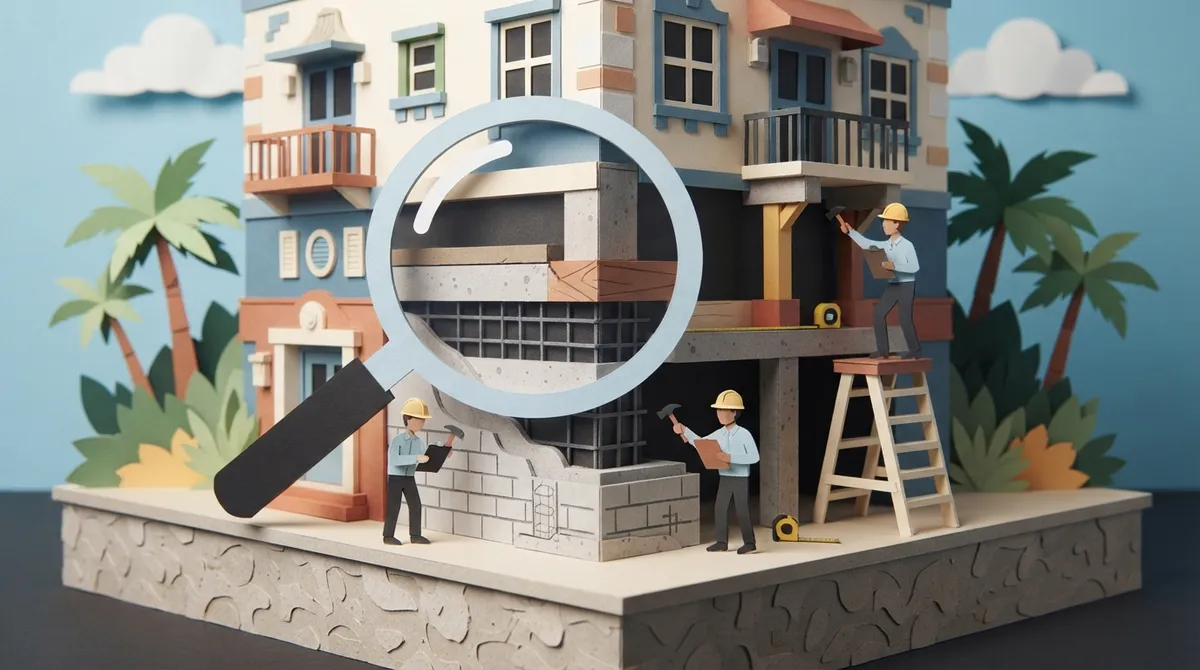
What Is a Wilton Manors Milestone Inspection, Really?
A milestone inspection is a structural safety check required by Florida law for certain condo and co-op buildings. It’s not just paperwork. It’s a real, hands-on evaluation performed by a licensed architect or engineer who looks for signs of structural trouble before they become dangerous.
This requirement came from Florida Statute §553.899, passed after the tragic Champlain Towers South collapse in 2021. Lawmakers wanted a clear, consistent way to catch structural problems early, and the milestone inspection program was born. It applies specifically to buildings that are:
- At least three habitable stories tall
- Owned and managed by a condo or cooperative association under Florida Chapters 718 or 719
- Located anywhere in Florida, including right here in Wilton Manors
If your building doesn’t fit these criteria, you may not need a state milestone inspection. But don’t relax just yet. Broward County has its own separate 40-year building recertification program, and your property might still need to comply with that. We’ll break down the difference in a moment.

When Is Your Wilton Manors Building’s Inspection Due?
Timing is everything here. Miss a deadline, and your association could face fines or even legal headaches. Here’s how the schedule generally works.
- The first milestone inspection is typically due by December 31 of the year your building turns 30 years old. That age is measured from your building’s certificate-of-occupancy date.
- In some cases, local building officials can require an earlier inspection at 25 years. This usually happens when a building sits close to the coast or faces harsher environmental conditions, like salt air exposure.
- After the first inspection, buildings need a follow-up milestone inspection every 10 years.
Because Wilton Manors sits in Broward County, near the coast, many buildings here may fall into that 25-year category. It’s worth checking with the City of Wilton Manors Community Development Services Department directly to confirm your building’s exact deadline. Don’t guess on this one.
Milestone Inspection vs. Broward County 40-Year Recertification
Here’s where things get a little tricky, and where a lot of condo boards get confused. Florida’s milestone inspection program and Broward County’s 40-year recertification program are two separate things. Your building might need one, the other, or sometimes both.
| Feature | Florida Milestone Inspection | Broward County 40-Year Recertification |
|---|---|---|
| Legal Basis | Florida Statute §553.899 | Broward County local ordinance |
| First Inspection Age | 25 or 30 years | Generally 40 years |
| Repeat Frequency | Every 10 years | Every 10 years |
| Applies To | Condo/co-op buildings, 3+ stories | Varies by building type and local rules |
| Who Enforces It | State law, local building official | Broward County or local municipality |
Because these programs overlap in some ways but differ in others, it’s smart to have a professional review your building’s specific situation. Our team at O’Reilly Consultants helps clients sort out exactly which inspections apply, so nothing slips through the cracks. You can learn more about how these rules apply broadly by checking out our guide on 40-year recertification requirements across South Florida.
What Happens During a Milestone Inspection?
Milestone inspections usually happen in two phases. Understanding each phase helps you know what to expect and how to prepare.
Phase One: The Visual Inspection
A licensed architect or engineer walks through your building, checking both habitable and non-habitable areas. They’re looking at structural components like walls, columns, beams, and the foundation. Think of it like a very thorough health checkup for your building’s bones.
Most buildings that don’t show signs of trouble will only need this phase. The inspector documents everything and prepares a written report explaining their findings.
Phase Two: The Deep Dive
If the inspector spots signs of substantial structural deterioration, phase two kicks in. This might involve more invasive testing, like drilling into concrete or removing sections of material to check what’s happening underneath the surface.
This is where advanced tools really shine. At O’Reilly Consultants, we use drones and 3D laser scanning technology to get incredibly detailed views of hard-to-reach areas without unnecessary demolition. This means faster results and often less disruption for residents. Curious about what a full commercial building inspection covers? Check out our detailed breakdown.
Who Can Perform Your Milestone Inspection?
Not just anyone can sign off on this report. Florida law requires a licensed architect or engineer with the proper qualifications to conduct milestone inspections. This isn’t the place to cut corners or hire the cheapest option without checking credentials.
When choosing a professional, look for:
- Active Florida licensure as an architect or engineer
- Experience specifically with milestone inspections and structural assessments
- A track record of working with condo associations in Broward and Miami-Dade Counties
- Clear communication and detailed, easy-to-understand reports
Want more tips on vetting the right professional? Our article on choosing licensed building inspectors for recertification walks through exactly what questions to ask.
Steps to Prepare Your Association for a Smooth Inspection
A little preparation goes a long way toward keeping this process stress-free. Here’s a simple roadmap boards and property managers can follow.
- Gather your building’s certificate of occupancy and any past inspection or repair records.
- Confirm your building’s exact age and applicable deadline with local officials.
- Hire a licensed, experienced inspection professional early, before deadlines sneak up on you.
- Provide full access to all areas of the building, including mechanical rooms and rooftops.
- Communicate openly with residents about the process and any temporary access restrictions.
- Review the final report carefully and start planning for any needed repairs right away.
- Submit all required documentation to the local building department on time.
Boards that stay organized tend to move through this process much faster than those scrambling at the last minute. If your board manages multiple properties or complex reserve requirements, our guide on Wilton Manors HOA reserve studies can help you plan ahead financially too.
What If Your Building Fails Its Milestone Inspection?
First, take a deep breath. A “failed” inspection doesn’t mean disaster. It simply means the inspector found deficiencies that need to be addressed. Here’s what typically happens next.
The engineer or architect will document every issue in writing, explaining what needs repair and how urgent each item is. Your association then works with contractors to design and permit the necessary fixes. Depending on severity, some repairs might need to happen quickly, while others can be scheduled over a longer timeline.
Once repairs are complete, a follow-up inspection confirms everything meets code. This gets filed with the local building department, closing out the process. It might feel like a lot of steps, but having an experienced team guide you through it makes all the difference. If you’re dealing with concerning findings like foundation issues, our resource on understanding foundation cracks in commercial buildings offers helpful context.
How Much Does a Milestone Inspection Cost?
Costs vary quite a bit depending on your building’s size, age, and complexity. A straightforward phase one inspection on a smaller building will cost less than a large, aging high-rise needing extensive phase two testing.
Rather than guessing, the smartest move is requesting a personalized quote based on your building’s specific details. Many associations budget for this well in advance as part of their overall reserve planning, which is another reason SIRS and reserve studies matter so much for long-term financial health.
Why Work With a Specialized Recertification Team
Building recertification isn’t a side project for us. It’s our entire focus. Sherard O’Reilly, our owner and qualifying architect, brings deep experience in property condition assessments and detailed building documentation. Our team also includes Catalina Torres, who brings 27 years of civil engineering and construction management experience, and Rafael Ojeda, who has completed over 1,000 environmental site assessments across South Florida.
This kind of specialized knowledge matters when your building’s safety and your association’s compliance are on the line. We combine drone technology and 3D laser scanning with old-fashioned thoroughness to give you fast, accurate results you can trust. Want to see what other property owners in the area have experienced working with us? Feel free to visit us on Google — O’Reilly Consultants and read through real reviews.
We also serve clients dealing with related requirements across Miami-Dade County. If your portfolio extends there, our overview of Miami-Dade County Recertification requirements is a helpful starting point, and you can even search Miami-Dade building recertification cases to see status updates on specific properties.
Common Mistakes to Avoid
We’ve seen a few recurring mistakes trip up condo boards and property owners over the years. Here’s what to watch for.
- Waiting until the deadline year to start looking for an inspector
- Assuming a building under three stories is automatically exempt from all local requirements
- Forgetting to confirm whether county-level 40-year recertification also applies
- Not budgeting for potential repair costs in advance
- Failing to communicate clearly with residents about access needs and timelines
Avoiding these pitfalls early saves associations time, money, and a whole lot of stress. If your board wants a deeper dive into avoiding costly errors, our article on SIRS mistakes Wilton Manors condo boards must avoid covers related financial planning missteps too.
Ready to Take the Next Step?
Navigating the Wilton Manors milestone inspection process doesn’t have to feel overwhelming. With the right team by your side, you can move through every phase confidently, knowing your building meets both state and county requirements. Our specialized engineering team understands the unique challenges facing Broward County properties, and we’re genuinely here to help make this process as smooth as possible for you.
Whether you’re just starting to research your building’s inspection timeline or you’re ready to schedule an assessment, we’d love to talk. Request a free quote today, or if you’d rather chat directly, call us at (512) 567-1191. Your building’s safety, and your peace of mind, are worth it.
FAQs
Q: What is a milestone inspection in Wilton Manors, Florida?
A: It’s a state-required structural safety check for qualifying condo and co-op buildings that are at least three stories tall. A licensed architect or engineer inspects the building to catch any structural deterioration before it becomes a bigger problem. Think of it as a proactive checkup that keeps everyone safe and your association compliant.
Q: Does my Wilton Manors condominium need a 25-year or 30-year inspection?
A: It depends on your building’s location and environmental exposure. Coastal buildings or those facing salt air conditions may be required to complete their first inspection at 25 years instead of 30. Your best bet is confirming this directly with local building officials, since they make the final call based on your specific property.
Q: What’s the difference between a milestone inspection and Broward County’s 40-year recertification?
A: Great question, and one that trips up a lot of condo boards! Milestone inspections come from Florida state law and focus on condo and co-op buildings starting at 25 or 30 years old. Broward County’s 40-year recertification is a separate local program, so your building might need one, the other, or sometimes both.
Q: What happens if my building fails its milestone inspection?
A: Don’t panic, this is more common than you’d think! It just means the inspector found issues that need repair. Your association will receive a detailed report, work with contractors to fix the problems, and then schedule a follow-up inspection to confirm everything’s up to code.
Q: How much does a milestone inspection cost in Wilton Manors?
A: Costs vary based on your building’s size, age, and how much testing is needed. A simple phase one inspection costs less than a larger building requiring invasive phase two testing. The best way to get an accurate number is requesting a personalized quote based on your building’s details.