
Key Takeaways
-
A SIRS is a Florida reserve-planning requirement for condo and co-op buildings three or more habitable stories tall, and it must be updated at least every 10 years.
-
A SIRS and building recertification are different: a SIRS plans and funds future repairs, while recertification verifies current structural and electrical safety, so finishing one does not satisfy the other.
-
Pembroke Pines covered buildings now have an initial recertification inspection at 25 years instead of 40, per the city's Building Department.
-
Confirm your association's SIRS deadline and extension eligibility with your attorney and a qualified professional early, since waiting increases costs and limits inspector availability.
If you serve on a condo board in Pembroke Pines, you have probably heard the letters SIRS tossed around at more than one meeting. Maybe you have also heard about building recertification and wondered if they are the same thing. Good news: you are not alone, and this is easier to sort out than it sounds.
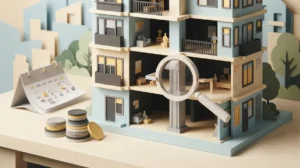
A Pembroke Pines structural integrity reserve study is a Florida requirement that helps condo and co-op associations plan and fund major repairs. It is not the same as the city’s building safety inspection. Think of one as your long-term savings plan and the other as your safety checkup. You need to understand both.
In this guide, we will walk through what a SIRS covers, how it differs from recertification, and how to avoid costly surprises in 2026. We will keep it simple and friendly, because you already have enough on your plate.
What Is a Structural Integrity Reserve Study?
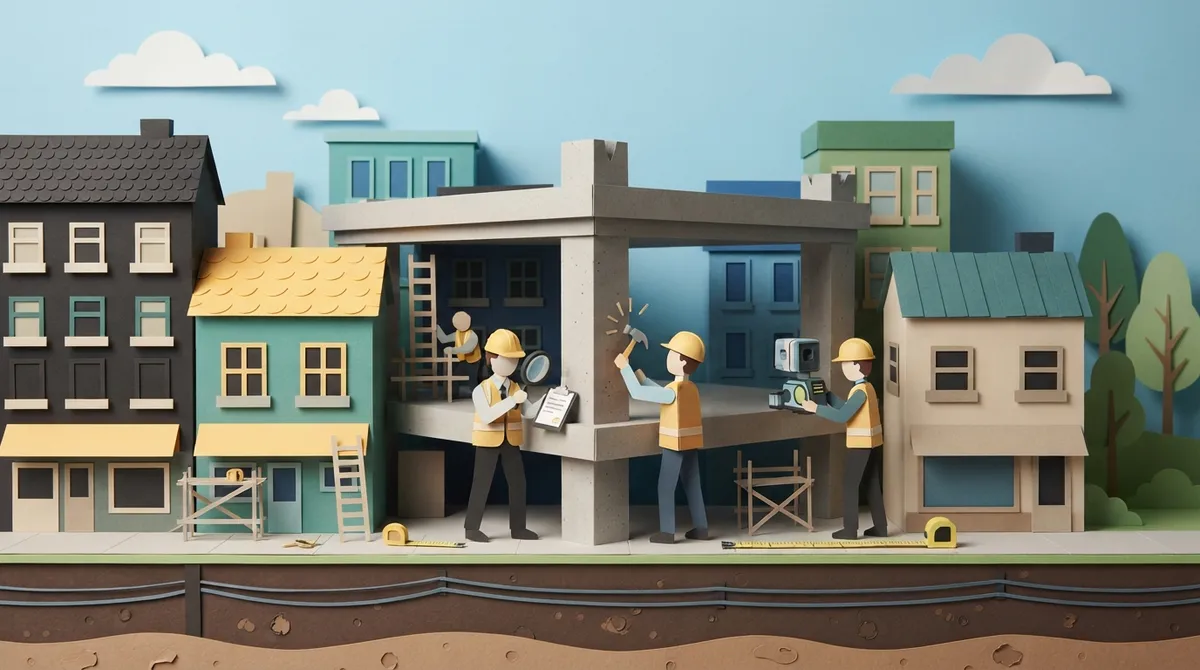
A structural integrity reserve study, or SIRS, is a Florida reserve-planning requirement for condominium and cooperative associations. It looks at key parts of your building. Then it estimates how long each part should last and how much money you should set aside to repair or replace it.
A SIRS applies generally to condo and co-op buildings that are three or more habitable stories tall. Florida law requires the study at least every 10 years. Your association should confirm current rules and transition deadlines with its attorney and qualified professional, since the law has changed in recent years.
What a SIRS Must Evaluate
Florida law lists specific building components that a SIRS must cover. These include:
- Roof
- Structure, including load-bearing walls and primary structural members
- Fireproofing and fire-protection systems
- Plumbing
- Electrical systems
- Waterproofing and exterior painting
- Windows and exterior doors
- Other qualifying items that meet the statutory cost threshold
For each component, the report notes its condition, estimated remaining useful life, replacement cost, and recommended reserve funding. That last part matters most to your budget.

SIRS vs. Building Recertification in Pembroke Pines
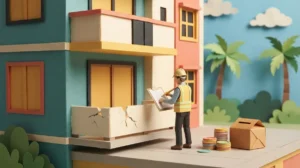
Here is where many boards get tangled up. A SIRS and a building recertification are two different things. Finishing one does not automatically satisfy the other.
Pembroke Pines applies Broward County’s Building Safety Inspection Program. According to the city’s Building Department, the program was revised to align with Florida Statute 553.899. The initial inspection for covered buildings now happens at 25 years instead of 40. For a deeper look at how this works locally, read how Pembroke Pines building recertification works.
| Feature | SIRS | Building Recertification |
|---|---|---|
| Main purpose | Plan and fund future repairs | Verify structural and electrical safety |
| Who it applies to | Condo and co-op buildings, 3+ habitable stories | Covered buildings under the local program |
| Focus | Component life and reserve funding | Current safety condition |
| Frequency | At least every 10 years | Initial inspection at 25 years for covered buildings, per the city |
| Who signs off | Qualified professional under the statute | Florida-registered engineer or architect |
A single professional can often coordinate site work for both. Still, your association should confirm that each report meets its own requirements on its own. If you want the bigger picture, our guide on what building recertification is and why it matters is a helpful starting point.
Do You Need Both?
Many Pembroke Pines condo buildings do. If your building is three or more habitable stories, a SIRS likely applies. If your building also falls under the local inspection program, you will need to follow the notice and submission instructions from the city’s building official.
Single-family HOAs may not fall under SIRS rules, but they often still benefit from a standard reserve study. If that sounds like your community, see these Pembroke Pines HOA reserve study facts.
Why Deadlines Matter in 2026
Florida’s SIRS deadlines have shifted through new legislation. Reports point to a general December 31, 2025 deadline for associations that existed by July 1, 2022. There is also a limited provision that lets some associations with a milestone inspection due by December 31, 2026 complete the SIRS alongside it, but no later than that date.
That extension is not automatic. Your association must be eligible. Please verify the current statute and your own situation before you count on extra time. Our post on SIRS vs. milestone inspection explains how these two requirements relate.
Why Waiting Costs More
When boards delay, a few things tend to happen:
- Inspector calendars fill up fast as deadlines get closer.
- Unfunded repairs get bigger and more expensive.
- Owners face larger special assessments with less notice.
- Lenders and insurers ask for documents the board cannot yet provide.
Starting early gives you time to plan, vote, and phase in reserve increases. It also protects your board from legal headaches.
How the Process Usually Works
Every building is different, but a smooth SIRS often follows these steps:
- Confirm your requirements. Check the statute, your building height, and your deadline with your attorney.
- Gather your records. Pull plans, past repair invoices, warranties, and prior reports.
- Hire a qualified professional. The study must be done by someone qualified under Florida law.
- Schedule the site visit. The team inspects each required component.
- Review the draft report. Ask questions about useful life and cost estimates.
- Adopt the funding plan. Your board uses the results to set reserve contributions.
- Share and file as required. Make sure the report is delivered and posted as the statute directs.
Choosing the right professional is a big part of this. This guide on how to choose licensed building inspectors offers useful tips.
Common SIRS Mistakes Pembroke Pines Boards Make
The good news is that most mistakes are easy to avoid once you know about them. Watch out for these:
- Treating a SIRS like a basic reserve study. A generic reserve study may not cover the required components or meet the statute.
- Assuming one report covers everything. A SIRS does not replace recertification, and recertification does not replace a SIRS.
- Relying on an extension without checking eligibility. Deadlines are tricky. Verify before you wait.
- Hiring an unqualified provider. The study must come from a professional qualified under the applicable statute.
- Ignoring the funding recommendations. A study that sits on a shelf will not protect your building.
For a closer look, check out these SIRS mistakes Pembroke Pines condo boards must avoid.
Who Benefits From Getting This Right?
A well-done SIRS helps more people than just the board. Here is who gains the most:
- Condo association boards: You get a clear roadmap and legal protection.
- Apartment and commercial owners: You can plan capital spending and avoid emergencies.
- HOA property managers: You can keep deadlines organized across multiple communities.
- Real estate investment firms: You protect property value and keep sales and refinancing on track.
Owners and buyers also feel more confident when a building has a solid funding plan.
How O’Reilly Consultants Can Help
Juggling a SIRS, a recertification, and county notices can feel like spinning plates. That is where O’Reilly Consultants comes in. We are a small, specialized engineering team serving Broward and Miami-Dade Counties, and we focus on building recertification and safety-driven inspections.
Our team is led by owner and qualifying architect Sherard O’Reilly. Construction Manager and Engineer Catalina Torres brings 27 years of civil engineering and construction management experience. Project Engineer Rafael Ojeda adds 16+ years in environmental due diligence. Together, we give you detailed assessments that meet and exceed county requirements.
We use drones and 3D laser scanning to inspect hard-to-reach areas safely and capture accurate data. You get clear, actionable reports and fast estimates. We also guide you through each step, from the county notice to hiring a licensed professional to submitting your documents. Plus, we offer related services such as electrical safety inspections, property condition assessments, and HOA reserve studies. Want to hear from others? See what neighbors say when you visit O’Reilly Consultants on Google.
If electrical compliance is also on your list, here is a handy guide on how to pass electrical safety inspections in Pembroke Pines.
Helpful Official Resources
It never hurts to check the rules at the source. Although Pembroke Pines is in Broward County, nearby Miami-Dade offers a useful example of how a neighboring county explains its own program. You can review the Miami-Dade County recertification page or search Miami-Dade building recertification cases to see how those records are handled. For Pembroke Pines, always rely on your local building official’s notice and the City’s Building Department.
Remember that Broward program materials describe a 90-day window to submit inspection certification after notice and a 180-day window for specified repairs. Details can vary, so confirm the deadlines in your actual notice.
Final Thoughts
A Pembroke Pines structural integrity reserve study does not have to be stressful. It is a smart planning tool that protects your building, your budget, and your neighbors. Pair it with the right recertification inspection, and you will be well ahead of the curve in 2026.
Ready to take the next step? Request a free quote today, or call us at (512) 567-1191. Our team at O’Reilly Consultants will help you stay compliant, on time, and stress-free.
FAQs
Q: What is a structural integrity reserve study (SIRS) in Florida?
A: A SIRS is a reserve-planning study required for many Florida condo and co-op buildings that are three or more habitable stories tall. It checks key components like the roof, structure, and plumbing, then estimates their remaining life and the reserves needed to fix or replace them. It is a smart way to plan ahead, so repairs do not catch your owners off guard.
Q: Does a Pembroke Pines condo need both a SIRS and building recertification?
A: Often, yes. They serve different purposes, so one does not replace the other. A SIRS supports long-term reserve planning, while recertification checks building safety under the local program. Check with your attorney and the city’s Building Department to see exactly what applies to your building.
Q: How often must a SIRS be updated in Florida?
A: Florida law requires a SIRS at least every 10 years. Your association should confirm current statutory requirements and any transition deadlines with its attorney or qualified professional, since the rules have changed in recent years. Staying ahead of your schedule keeps your board on solid ground.
Q: What components does a Florida SIRS have to evaluate?
A: The statutory list includes the roof, structural systems, fireproofing and fire protection, plumbing, electrical systems, waterproofing and exterior painting, and windows and exterior doors. Qualifying additional components may also be included. The report should show each item’s condition, remaining useful life, replacement cost, and funding needs.
Q: At what age do Pembroke Pines buildings need their first safety inspection?
A: According to the City of Pembroke Pines Building Department, covered buildings now have an initial inspection at 25 years, rather than the former 40 years. Always follow the notice and submission steps from the local building official, since details can vary by building.