

Key Takeaways
-
Cooper City condo buildings with 3+ stories must undergo their first milestone inspection by age 30 (from certificate of occupancy), then every 10 years after; some buildings may face an earlier 25-year deadline based on local environmental conditions.
-
Milestone inspections focus exclusively on structural life safety through visual examination and document review (Phase One), with more detailed testing (Phase Two) only required if deterioration is found; most well-maintained buildings never reach Phase Two.
-
Phase One must be completed within 180 days of receiving the inspection requirement notice, and Phase Two within 180 days after Phase One concludes; missing these deadlines can result in fines, permit delays, and complications with property sales.
-
Florida’s milestone inspection law (statewide) and Broward County’s 40-year recertification program are separate requirements that may both apply to your property; verify which applies by confirming your building’s certificate-of-occupancy date and contacting local authorities.
-
After inspection completion, associations must distribute the inspector’s summary report to unit owners within 45 days and post it at the property and online if applicable; a ‘failed’ inspection typically means repairs are needed, which is common in older South Florida buildings.
-
Hire only a Florida-licensed architect or engineer with specific milestone inspection experience in Broward County; verify their credentials, ask about Phase One versus Phase Two differences, and confirm they use modern tools like drones or 3D scanning for accuracy.
If you own a condo unit or sit on a board in Cooper City, you’ve probably heard the term “milestone inspection” tossed around at meetings. Maybe it made you a little nervous. That’s okay! We’re here to make this whole topic feel a lot less scary and a lot more manageable. Think of us as your friendly neighbor who happens to know a ton about buildings.
Florida’s milestone inspection law can feel confusing, especially since it overlaps with Broward County’s building recertification rules. Which one applies to your building? When is your deadline? Who do you even call? We’re going to walk through all of it together, one friendly fact at a time.
By the end of this article, you’ll know exactly what a Cooper City milestone inspection involves, how it differs from traditional 40-year recertification, and what steps to take next. Grab a coffee, and let’s dig in.
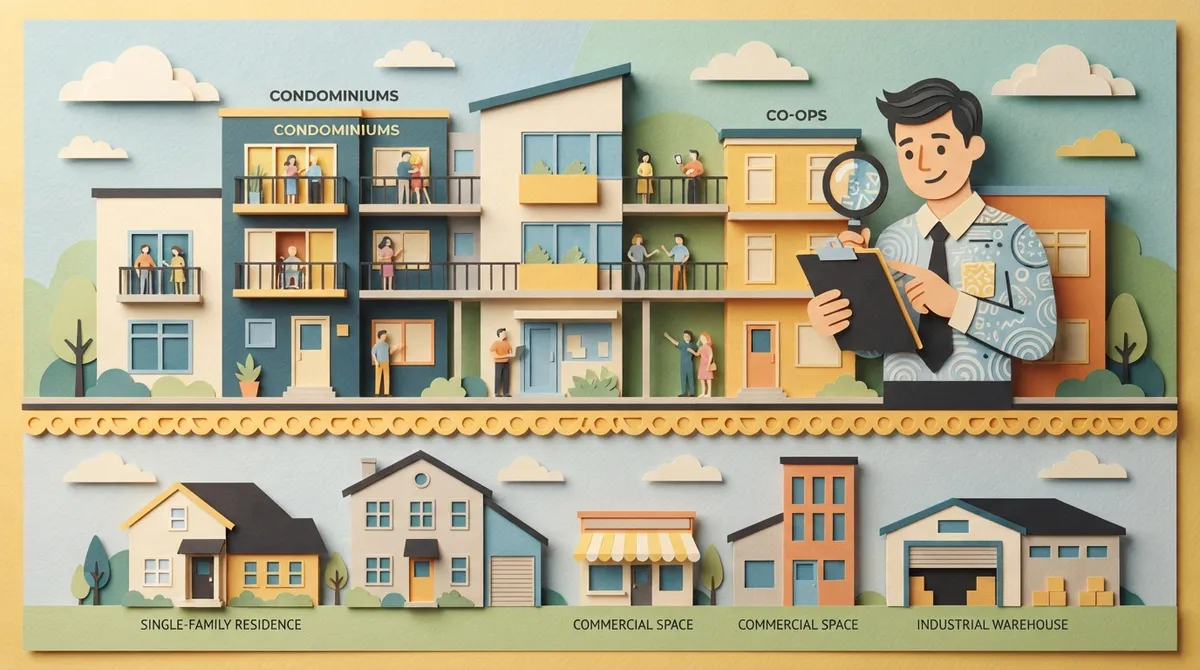
1. Milestone Inspections Apply to Condos and Co-ops, Not Every Building
Here’s the first big fact to understand. Florida’s milestone inspection law, found in Florida Statutes §553.899, mainly targets residential condominiums and cooperative buildings. Your building needs to be three or more habitable stories tall to qualify.
Single-family homes, duplexes, and even three-family homes with three or fewer stories are exempt. So if you own a small townhome community, this specific law probably doesn’t apply to you. But don’t relax just yet, because Broward County’s separate recertification program might still apply, and that’s a topic our team at O’Reilly Consultants covers in detail in our guide on Cooper City building recertification.
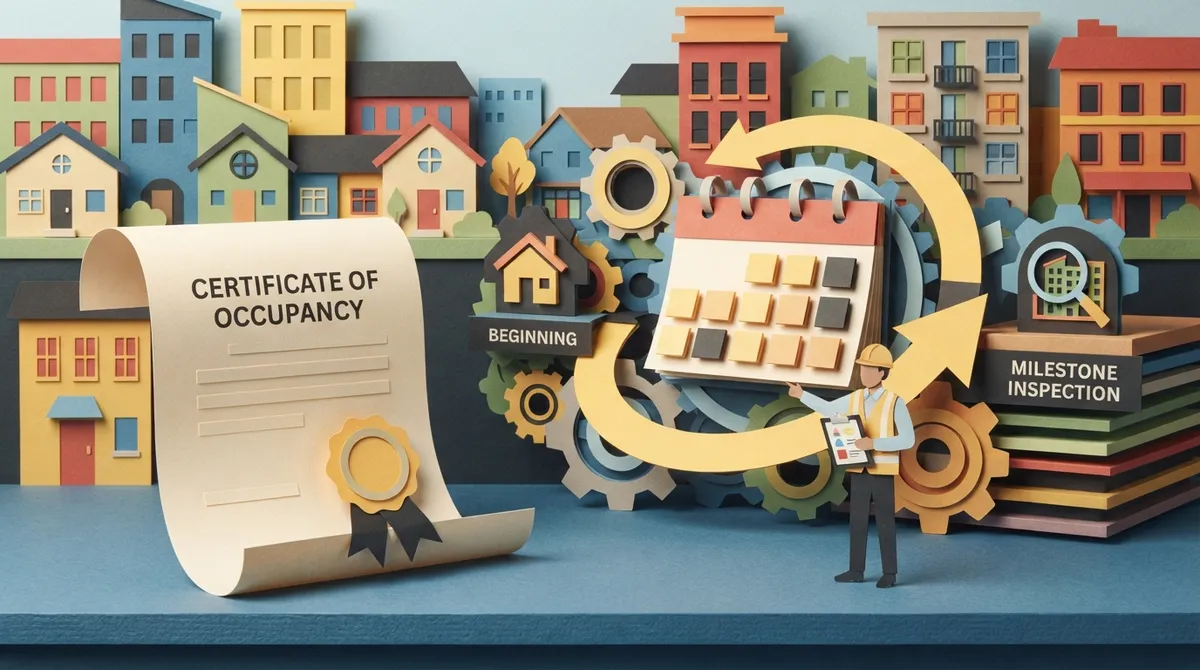
2. The Standard Deadline Is 30 Years From the Certificate of Occupancy
Most Cooper City condo buildings need their first milestone inspection by December 31 of the year they turn 30 years old. This age is calculated using the certificate-of-occupancy date, not the date construction started.
After that first inspection, the building needs another one every 10 years. It’s a repeating cycle, so once you complete one, you’re not done forever. Mark your calendar, because this timeline sneaks up fast.
3. Some Buildings May Face an Earlier 25-Year Deadline
This is where things get a little tricky, and it’s a fact many owners miss. Local enforcement agencies can require an earlier milestone inspection at 25 years if local conditions justify it.
Things like environmental conditions or proximity to salt water can trigger this earlier timeline. Since Cooper City sits inland from the coast, your building may or may not fall under this earlier rule. That’s why it’s smart to confirm directly with the city or Broward County building authority rather than guessing.
4. Milestone Inspections Focus on Structural Life Safety
A milestone inspection isn’t a general home inspection. It’s a focused structural evaluation performed by a Florida-licensed architect or engineer.
The inspector looks closely at these key areas:
- Load-bearing walls and columns
- Primary structural members like beams and slabs
- Primary structural systems that hold the building together
- Signs of deterioration, cracking, or corrosion
- Areas needing maintenance, repair, or replacement
If you’ve noticed odd cracks around your building, our article on foundation cracks and hairline cracks in commercial buildings explains what those signs might mean.
5. There Are Two Phases, and Not Every Building Needs Both
Milestone inspections happen in phases, and understanding this can ease a lot of worry. Here’s how the process typically works:
- Phase One involves a visual examination of the building and a review of required documents.
- If the inspector finds substantial structural deterioration, Phase Two begins.
- Phase Two includes more detailed testing, which may involve destructive or non-destructive investigation methods.
- The inspector then provides repair recommendations based on findings.
- The association submits the final report to the enforcing jurisdiction.
Good news: most buildings that are well maintained never need Phase Two. It only kicks in when something concerning shows up during the initial visual review.
6. Timing Matters More Than You Think
According to Florida Building Code guidance, Phase One should wrap up within 180 days after the association gets notice of the inspection requirement. If Phase Two becomes necessary, that phase should also finish within roughly 180 days after the Phase One report.
Missing these windows can create headaches with permits, fines, and delayed sales. This is one reason so many boards prefer to request a free quote early, rather than scrambling once the clock starts ticking.
7. Milestone Inspections and Broward Recertification Are Not the Same Thing
This mix-up trips up a lot of owners, so let’s clear it up right now. Florida’s milestone inspection law is a statewide rule focused on structural safety for qualifying condos and co-ops.
Broward County’s building recertification program has traditionally covered both structural and electrical evaluations for older buildings, often tied to a 40-year threshold. These programs can overlap, but they aren’t identical twins. Our team breaks this down further in our piece on 40-year recertification requirements across the region.
| Feature | Florida Milestone Inspection | Broward Building Recertification |
|---|---|---|
| Legal Basis | Florida Statutes §553.899 | County-level recertification program |
| Building Type | Condos and co-ops, 3+ stories | Broader range of building types |
| Standard Trigger Age | 30 years (possibly 25 years locally) | Traditionally 40 years |
| Focus Area | Structural life safety | Structural and electrical systems |
| Repeat Cycle | Every 10 years | Varies by jurisdiction |
8. After the Report, Owners Have the Right to See It
Once the milestone inspection wraps up, the association generally must distribute the inspector’s summary report to unit owners within 45 days. The report also needs to be posted at the property.
If your association is required to maintain a website, the report and summary should be posted online too. Transparency matters here, and owners deserve to know what’s happening with their building’s structural health.
9. Failing an Inspection Doesn’t Mean Panic, It Means Planning
Hearing that your building “failed” its milestone inspection sounds scary, but it usually just means repairs are needed before the certification can be finalized. This is incredibly common in older South Florida buildings.
Here’s what typically happens next:
- The engineer documents specific repair recommendations
- The association gathers bids from contractors
- Necessary permits get pulled for repair work
- Repairs get completed within required timelines
- A follow-up inspection may confirm the fixes
Waiting too long to address findings can lead to fines or even more costly damage down the road. Buildings dealing with aging systems might also want to review our resource on what a commercial building inspection really covers.
10. Choosing the Right Inspector Makes All the Difference
Not every engineer or architect has deep experience with milestone inspections and the specific documentation Broward and Miami-Dade jurisdictions expect. This is where working with a specialized team really pays off.
At O’Reilly Consultants, we’re led by owner and qualifying architect Sherard O’Reilly, who brings serious expertise in property condition assessments and detailed building documentation. Our Construction Manager and Engineer, Catalina Torres, brings 27 years of civil engineering experience to every project. And our Project Engineer, Rafael Ojeda, has completed over 1,000 environmental site assessments across South Florida.
We use drones and 3D laser scanning to get a thorough, accurate picture of your building’s condition without unnecessary delays. If you want to see how past clients feel about working with us, feel free to visit us on Google — O’Reilly Consultants and read their reviews.
Questions to Ask Before Hiring an Inspector
Before signing a contract, it helps to ask a few simple questions. Our article on how to choose licensed building inspectors for recertification walks through this in more detail, but here are quick things to check:
- Is the inspector a licensed Florida architect or engineer?
- Do they have experience specifically with milestone inspections in Broward County?
- Can they explain the difference between Phase One and Phase Two clearly?
- Do they offer modern tools like drones or 3D scanning for accuracy?
- Will they help you understand Miami-Dade requirements too, if applicable, referencing resources like Miami-Dade County Recertification guidance?
What Cooper City Owners Should Do Right Now
If you’re managing a condo association or you own a building that might qualify, don’t wait until a deadline notice shows up in the mail. Start by verifying your certificate-of-occupancy date and confirming your building’s story count and ownership type.
From there, reach out to Cooper City or Broward County building officials to confirm your specific inspection age threshold. You can also check ongoing cases through the Miami-Dade Building Recertification case search if your portfolio includes properties in that county too.
Whether you’re managing a single condo tower or a whole portfolio of aging apartment buildings, our team understands the pressure you’re under. We’ve helped HOA managers, commercial property owners, and real estate investment firms across Broward and Miami-Dade navigate these exact deadlines with confidence.
Why Local Expertise Matters So Much
Cooper City has its own permitting quirks and local notice requirements, separate from neighboring cities. What works in Fort Lauderdale or Hollywood might not apply the same way here.
That’s why working with a team that understands the specific South Florida landscape matters so much. We know the local officials, the common sticking points, and the fastest paths to compliance.
Wrapping Up Your Milestone Inspection Journey
We know building compliance topics can feel overwhelming, especially with two different programs potentially applying to your property. But here’s the good news: you don’t have to figure this out alone.
Whether you need clarity on your Cooper City milestone inspection deadline, help with Phase One documentation, or a full recertification plan, our team at O’Reilly Consultants is ready to help. We bring decades of combined experience, cutting-edge inspection technology, and a genuine commitment to making this process feel simple rather than stressful.
Ready to get started? Request a free quote today, or if you’d rather talk it through first, call us at (512) 567-1191. We’re genuinely happy to answer your questions, no pressure at all.
FAQs
Q: Does Cooper City require a milestone inspection or a 40-year building recertification?
A: It honestly depends on your building! Qualifying condos and co-ops three stories or taller generally need Florida’s milestone inspection, while Broward’s traditional recertification program may apply separately based on your building’s age and type. We’re happy to help you figure out exactly which one fits your property.
Q: Which Cooper City buildings are required to complete a Florida milestone inspection?
A: Generally, it’s residential condominium and cooperative buildings with three or more habitable stories. Smaller single-family or duplex properties with fewer stories are typically exempt from this specific state law, though other requirements might still apply.
Q: Is the Cooper City milestone inspection deadline 25 years, 30 years, or 40 years?
A: The standard statewide deadline is 30 years from the certificate-of-occupancy date, but local authorities can require an earlier 25-year inspection depending on local conditions. It’s always best to confirm your exact deadline with the city or county building department directly.
Q: What happens if a Cooper City building fails its milestone inspection or recertification?
A: Don’t worry, this is more common than you’d think! It usually just means the engineer identified repairs that need to happen before final certification. We’ll walk you through the recommendations and help you plan the repair timeline so nothing feels overwhelming.
Q: Who is qualified to perform a milestone inspection in Cooper City?
A: Only a Florida-licensed architect or engineer can legally perform this type of inspection. Our team, led by qualifying architect Sherard O’Reilly, has deep experience handling these exact evaluations throughout Broward and Miami-Dade Counties.