
Key Takeaways
-
Cooper City condos three stories or taller must complete a SIRS by December 31, 2025, with mandatory full funding of identified structural reserves—no waivers allowed under Florida law.
-
SIRS is fundamentally different from traditional reserve studies: it focuses solely on structural safety components and requires licensed engineer/architect inspection, not just reserve specialist analysis.
-
Key structural components inspected include roofing, load-bearing walls, foundations, fireproofing, plumbing, electrical systems, and waterproofing—with 10-15 year funding schedules provided for each.
-
SIRS inspections complement Broward County building recertification requirements, allowing associations to coordinate both assessments to save time, reduce costs, and gain comprehensive building health visibility.
-
Associations historically underfunding reserves may face significant catch-up costs, but the 10-15 year funding schedule spreads expenses over time and protects unit owners from sudden special assessments.
-
Only Florida-licensed engineers or architects can legally perform SIRS inspections; hiring unqualified inspectors and confusing SIRS with traditional reserve studies are common compliance mistakes associations make.
If you own or manage a condominium in Cooper City, Florida, you have probably heard the term Structural Integrity Reserve Study (SIRS) come up more and more lately. And for good reason! Since Florida passed major legislation in 2022, SIRS has become one of the most important compliance requirements for condo and co-op buildings three stories or taller. Understanding what it means, what it involves, and why it matters can save your association from costly surprises down the road.
Think of a SIRS as your building’s financial and structural health checkup. It tells you what your building is made of, how long its key components are expected to last, and how much money your association needs to set aside to keep everything safe. For Cooper City condo boards, HOA managers, and property owners, this is not just a checkbox — it is a roadmap to long-term safety and financial stability. Let’s walk through everything you need to know.
What Is a Structural Integrity Reserve Study?
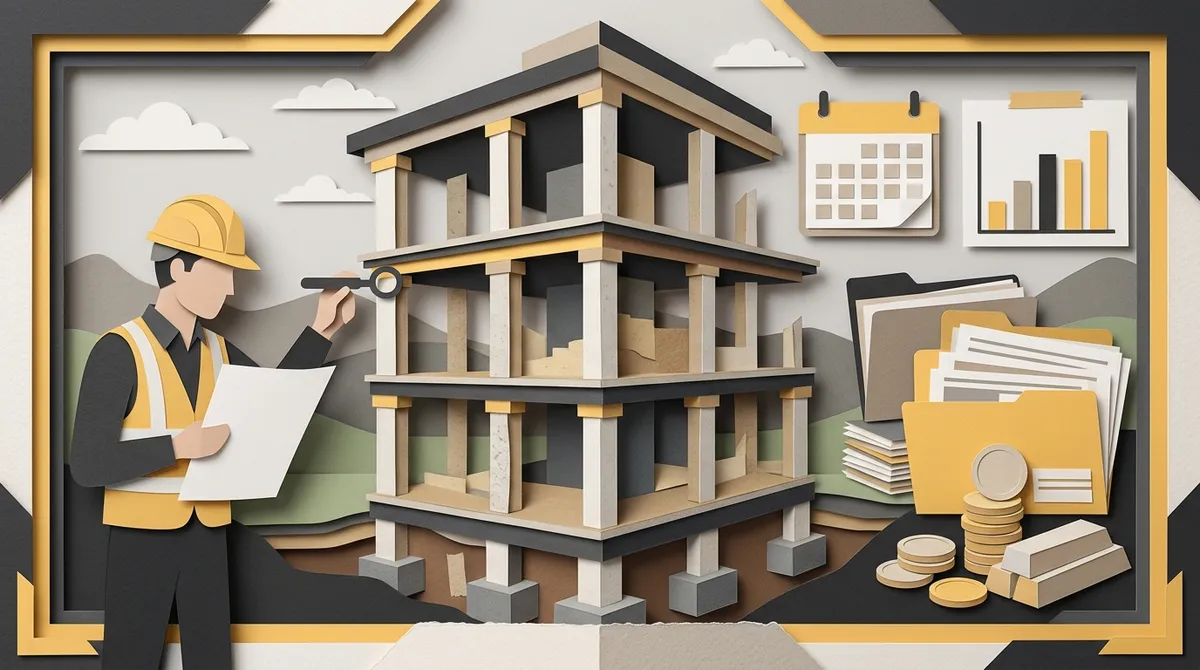
A Cooper City Structural Integrity Reserve Study (SIRS) is a two-part assessment: a physical inspection and a financial analysis. A licensed engineer or architect inspects the key structural components of your building. Then, based on that inspection, they calculate how much money your association needs to reserve each year to fund future repairs or replacements.
Florida law now requires this study for condominium and cooperative buildings that are three stories or taller. It was enacted through Senate Bill 4-D in 2022, following the tragic Surfside condominium collapse. The law is codified in Florida Statutes 718.112 (for condos) and 719.106 (for co-ops). The goal is simple: make sure buildings are safe and that associations have the funds to keep them that way.
Why SIRS Is Different From a Traditional Reserve Study
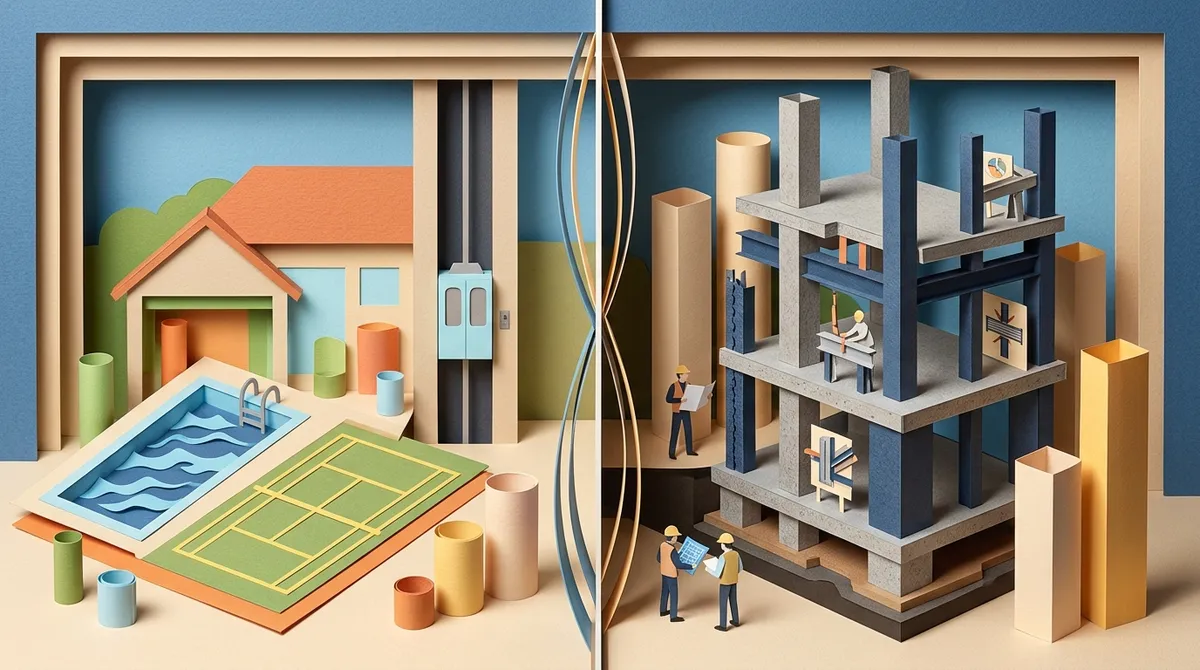
You might already be familiar with traditional reserve studies. These are financial planning tools that help associations budget for routine maintenance and replacements like roofs, pools, and parking lots. A SIRS is not the same thing, and the differences are significant.
Here is a quick comparison to help you see the distinctions clearly:
| Feature | Traditional Reserve Study | Structural Integrity Reserve Study (SIRS) |
|---|---|---|
| Focus | General common area maintenance | Structural safety components only |
| Can it be waived? | Yes, by vote of members | No — waiver is strictly prohibited |
| Funding requirement | Flexible funding levels | Full funding of identified reserves required |
| Who performs it? | Reserve specialists or engineers | Licensed engineer or architect only |
| Update frequency | Varies | Every 10 years |
| Legal requirement | Varies by state/association | Mandatory for FL condos/co-ops 3+ stories |
One of the biggest things to understand is that SIRS reserves cannot be waived. In the past, Florida condo boards could vote to waive or reduce reserve contributions. That option no longer exists for the structural components covered by SIRS. Full funding is required by law.

What Structural Components Does SIRS Cover?
The physical inspection portion of a SIRS focuses on the building elements most critical to structural safety. These are the components where failure could lead to serious harm. The inspection is visual and performed by a qualified professional.
Key components included in a SIRS inspection:
- Roofing systems and coverings
- Load-bearing walls and primary structural members
- Floor and ceiling assemblies
- Foundation systems
- Fireproofing and fire protection systems
- Plumbing systems (shared/common areas)
- Electrical systems
- Waterproofing and exterior painting
- Windows and exterior doors (in some cases)
- Any component with deferred maintenance or replacement cost exceeding $10,000
After the inspection, the study provides remaining useful life estimates, projected replacement costs, and a 10-to-15-year funding schedule. This gives condo boards clear, actionable data to build their annual budgets around. You can also learn more about how structural issues are identified by reading about understanding foundation cracks and hairline cracks in commercial buildings.

SIRS Deadlines and Timeline: What Cooper City Associations Must Know
Timing is everything with SIRS compliance. Here is a simple, numbered breakdown of the key deadlines and milestones:
- December 31, 2025: Deadline for the first SIRS for associations that existed before July 1, 2022, and are under unit owner control. This deadline was extended from 2024 through HB 913.
- Every 10 years: SIRS must be updated after the initial study is complete.
- Before turnover: Developers of new buildings three stories or taller must complete a SIRS before transferring control to unit owners.
- Annual budgeting: Each year, the association must fund reserves based on the SIRS findings — no exceptions.
- HB 913 updates: Recent legislation provides some flexibility in how SIRS requirements are implemented, so staying informed about the latest rules is important.
If your Cooper City condominium association has not yet completed its first SIRS, now is the time to act. Missing the deadline can expose your board to legal liability and put residents at risk.
How SIRS Connects to Building Recertification in Broward County
Here is something that many condo boards do not realize: SIRS and building recertification are closely connected. In Broward County, buildings must undergo recertification inspections at certain milestones — typically at 30 years and every 10 years after that. These recertification inspections assess structural and electrical systems to confirm ongoing safety and compliance.
A SIRS naturally complements this process. The data gathered during a SIRS inspection — condition assessments, remaining useful life estimates, structural concerns — directly informs your milestone inspection process. Completing both in a coordinated way saves time, reduces costs, and gives you a fuller picture of your building’s health. You can explore more about the importance of 40-year building recertification for property longevity to understand how these programs work together.
The Miami-Dade County Recertification program outlines how structural and electrical inspections work in the region, and Broward County follows similar standards. You can also search Miami-Dade Building Recertification Cases to get a sense of how recertification is tracked and managed across South Florida.
The Financial Impact of SIRS on Condo Associations
Let’s be honest — one of the biggest concerns associations have is cost. SIRS requirements mean that many buildings will need to significantly increase their reserve contributions. For some associations, this could lead to higher monthly fees or special assessments if reserves have been underfunded in the past.
Here is how SIRS affects your association’s finances:
- Reserves must be fully funded based on the SIRS findings — partial funding is not allowed for covered components
- Associations that have historically waived reserves may face a significant funding catch-up
- The 10-to-15-year funding schedule helps spread costs out over time, reducing the shock of large single expenses
- Proper reserve funding protects individual unit owners from sudden large special assessments
- Well-funded reserves can also improve your building’s insurability and resale value
While the upfront adjustment may feel steep, think of it this way: a well-funded reserve is far less painful than an emergency repair or, worse, a building evacuation. SIRS gives your association the roadmap to stay ahead of problems rather than scrambling to address them after the fact.
Who Can Perform a SIRS in Cooper City?
Not just anyone can complete a Structural Integrity Reserve Study. Florida law is specific about who qualifies to perform this work. Here are the requirements:
- The visual inspection portion must be performed by a licensed engineer or architect registered in Florida.
- The inspector must have experience with building systems and structural assessments.
- The financial analysis portion may be completed by the engineer/architect or a qualified reserve specialist working in conjunction with them.
- The final report must meet the specific requirements outlined in Florida Statutes 718.112 and 719.106.
This is why choosing the right firm matters so much. You want a team that deeply understands both the engineering side and the regulatory requirements specific to Broward County.
How O’Reilly Consultants Can Help With Your SIRS
O’Reilly Consultants is a specialized engineering and inspection firm serving Broward and Miami-Dade Counties. Led by qualifying architect Sherard O’Reilly, the team brings deep expertise in ASTM E2018 property condition assessments and comprehensive building documentation. The team also includes Construction Manager and Engineer Catalina Torres, who has 27 years of civil engineering experience, and Project Engineer Rafael Ojeda, with over 16 years in environmental due diligence and more than 1,000 Phase I Environmental Site Assessments completed across South Florida.
What sets O’Reilly Consultants apart is their use of advanced tools like drones and 3D laser scanning to conduct thorough evaluations — even on hard-to-reach areas like rooftops and facades. They provide fast, accurate estimates and detailed reports with clear, actionable recommendations. Whether you need a Cooper City Structural Integrity Reserve Study, a 40-year recertification inspection, or a full property condition assessment, they guide you through every step of the process — from receiving your county notice to submitting the final documentation.
You can visit O’Reilly Consultants on Google to check out their reviews and learn more about their work in the South Florida community.
Steps to Get Your SIRS Done Right
Ready to get started? Here is a simple, step-by-step process for Cooper City condo associations:
- Confirm eligibility: Verify that your building is three stories or taller and falls under the Florida SIRS mandate.
- Hire a licensed professional: Engage a Florida-licensed engineer or architect with experience in structural assessments and reserve studies.
- Schedule the inspection: Coordinate access to all common areas, structural elements, and mechanical systems for the visual inspection.
- Review the report: Once the study is complete, carefully review the findings, useful life estimates, and recommended funding schedule.
- Update your budget: Adjust your annual reserve contributions to meet SIRS-mandated funding levels.
- Communicate with residents: Share the findings with unit owners and explain any changes to fees or assessments.
- Mark your 10-year update date: Set a reminder to complete your next SIRS update within the required timeframe.
Common Mistakes Cooper City Associations Should Avoid
Even well-meaning boards can stumble when navigating SIRS for the first time. Here are some pitfalls to watch out for:
- Waiting too long: The deadline is firm. Starting late leaves little room for corrections or follow-up inspections.
- Hiring unqualified inspectors: Only a Florida-licensed engineer or architect can legally perform the inspection portion of a SIRS.
- Confusing SIRS with a traditional reserve study: They are different documents with different legal requirements — do not mix them up.
- Ignoring reserve funding requirements: Failing to fully fund the reserves identified in your SIRS puts the board at legal risk.
- Not communicating with residents: Surprise fee increases create conflict. Transparent communication keeps everyone on the same page.
Conclusion: Take Action Before the Deadline
A Cooper City Structural Integrity Reserve Study is not just a legal requirement — it is one of the smartest investments your association can make in the long-term safety and stability of your building. By understanding what is required, who qualifies to perform the work, and how the findings connect to your budgeting and recertification obligations, your board can navigate this process with confidence and clarity.
The deadline is real, and the consequences of non-compliance are serious. But the good news is that you do not have to figure this out alone. The right engineering partner can make the entire process smooth, efficient, and low-stress. If you are ready to get started or have questions about your building’s specific requirements, reach out to O’Reilly Consultants for a free consultation and take the first step toward full compliance and lasting peace of mind.
FAQs
Q: What is a Structural Integrity Reserve Study (SIRS) in Florida?
A: A SIRS is a two-part assessment — a physical inspection and a financial analysis — required by Florida law for condo and co-op buildings three stories or taller. It evaluates key structural components and determines how much money your association needs to set aside each year to fund future repairs. Think of it as your building’s long-term safety and savings plan!
Q: Who needs a SIRS for their Cooper City condominium?
A: Any condominium or cooperative association in Cooper City with a building that is three stories or taller is required to complete a SIRS under Florida law. This applies to associations that were established on or before July 1, 2022, and are under unit owner control. If you are not sure whether your building qualifies, a licensed engineer or architect can help you determine your requirements.
Q: What is the deadline for completing the first SIRS in Florida?
A: The first SIRS must be completed by December 31, 2025, for qualifying associations. This deadline was extended from the original 2024 date through HB 913. After the initial study, SIRS updates are required every 10 years — so it is a good idea to track your update schedule from the start!
Q: Can a Florida condo board waive SIRS reserve funding?
A: No — and this is one of the biggest changes from previous Florida law. Unlike traditional reserve studies, the reserve funding identified in a SIRS cannot be waived or reduced by a vote of the members. Full funding of all SIRS-identified structural reserves is legally required. This ensures that buildings have the money needed to stay safe for everyone who lives there.
Q: How does a SIRS connect to building recertification in Broward County?
A: Great question! A SIRS and building recertification work hand in hand. The structural data gathered during a SIRS — condition assessments, useful life estimates, and identified concerns — directly supports your milestone recertification inspection. Completing both together can save time and money while giving your association a comprehensive picture of your building’s overall health and compliance status.