
Key Takeaways
-
Oakland Park requires all buildings to undergo electrical safety inspections at 40 and 50 years old as part of mandatory recertification; failing to comply risks fines, insurance denial, and potential building closure orders.
-
Inspections comprehensively evaluate electrical panels, wiring systems, grounding, GFCI outlets, and code compliance against NEC and NFPA 70E standards; early detection of issues significantly reduces repair costs.
-
Common deficiencies in 40+ year old buildings include aluminum wiring, outdated panels, missing GFCI protection, overloaded circuits, and deteriorated insulation—property managers should budget for these known problem areas.
-
Your electrical safety inspection report can satisfy insurance company 4-point inspection requirements simultaneously; coordinate with your insurer early to confirm documentation needs and avoid duplicate assessments.
-
Preparation is critical: hire a licensed inspector, conduct pre-inspection walkthroughs, gather building records, fix known issues beforehand, and ensure all electrical areas are accessible to prevent delays.
-
If your building fails inspection, you receive a detailed deficiency report, hire a licensed electrician for repairs, request re-inspection, and submit updated documentation within Broward County’s 90-day timeline.
If your Oakland Park building is approaching the 40 or 50-year mark, there’s one thing you absolutely cannot overlook: the electrical safety inspection. It’s a required part of the city’s building recertification process, and it’s there for a very good reason. Aging electrical systems can be serious hazards — think overloaded panels, deteriorating wiring, and shock risks that hide behind walls. The good news? With the right preparation and the right team, you can get through this process smoothly and with confidence. Whether you manage a condo building, a commercial property, or a multi-family apartment complex, this guide walks you through everything you need to know about Oakland Park electrical safety inspections — and how to make sure your building comes out on top.
What Are Oakland Park Electrical Safety Inspections?
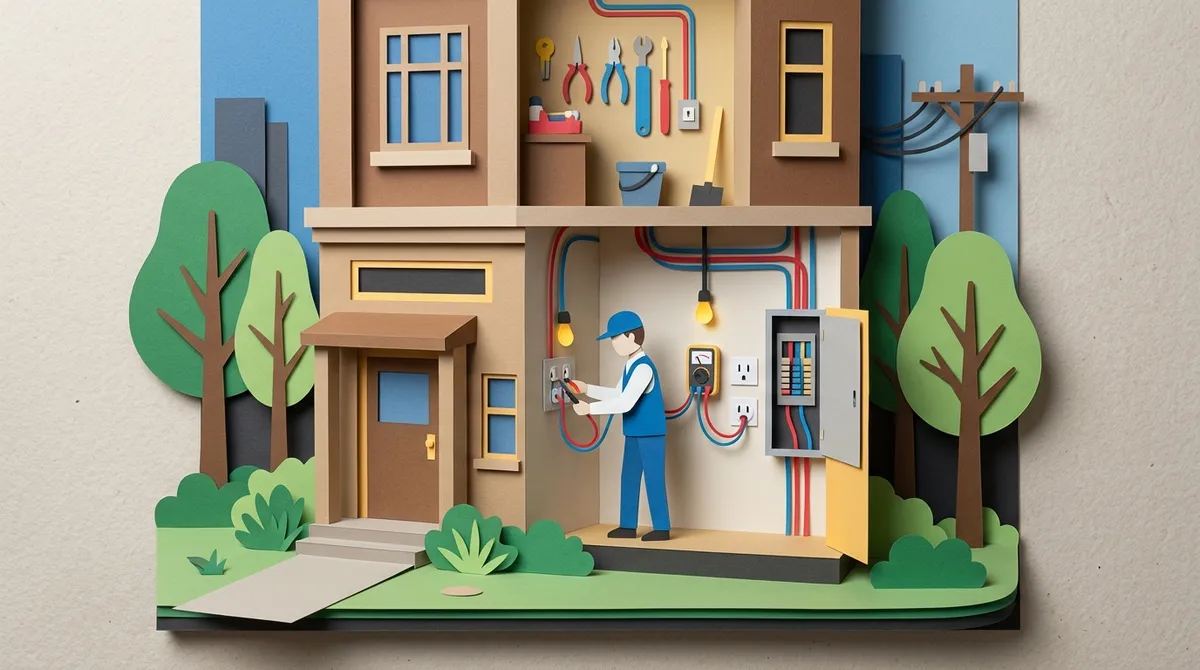
Oakland Park requires all buildings to undergo a 40/50 Year Building Safety Inspection once they reach 40 years old, and then again at 50 years. This is part of a broader recertification mandate that applies across Broward County. The goal is straightforward: make sure older buildings are still safe for the people inside them.
The electrical safety inspection is one of the two main components of this process — the other being the structural inspection. During the electrical portion, a licensed inspector evaluates your building’s entire electrical system to confirm it meets current safety codes. This includes everything from the main panel to the outlets on the wall. You can learn more about how this fits into the bigger picture by visiting 40 Year Recertification resources from O’Reilly Consultants.
What Does the Electrical Inspection Actually Cover?
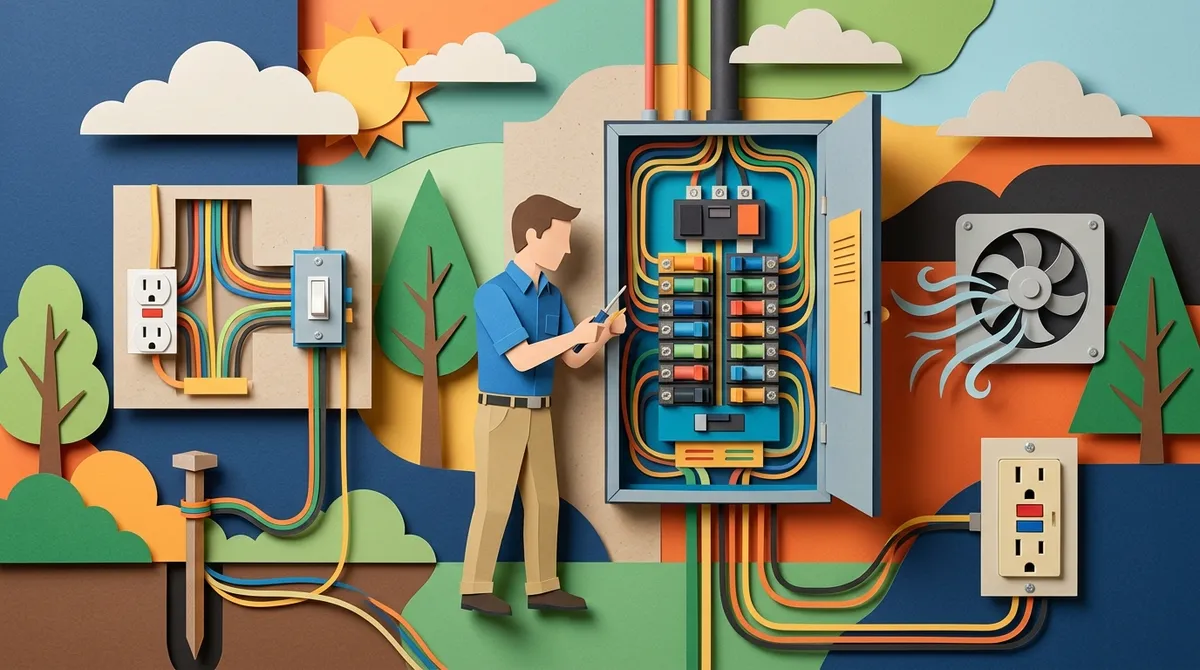
A lot of property owners are surprised by how thorough these inspections are. This isn’t just a quick glance at your breaker box. Oakland Park electrical safety inspections are detailed assessments that check every major component of your building’s electrical infrastructure.
Here’s what inspectors typically evaluate:
- Electrical panels and breakers — Are they properly rated? Any signs of overheating or tripping issues?
- Wiring systems — Is the wiring up to current code? Outdated aluminum wiring or knob-and-tube systems raise red flags.
- Grounding systems — Proper grounding protects people and equipment from electrical faults.
- Outlets and switches — Are GFCI outlets installed in required areas like kitchens and bathrooms?
- Surge protection — Is there adequate protection against power surges?
- Lighting systems — Illumination safety is often included, especially in commercial settings.
- Code compliance — Systems must align with the National Electrical Code (NEC) and NFPA 70E standards.
Inspectors are looking for anything that could create a shock risk, fire hazard, or system failure. The earlier these issues are caught, the better — and the less expensive they are to fix.
Why This Inspection Matters More Than You Think
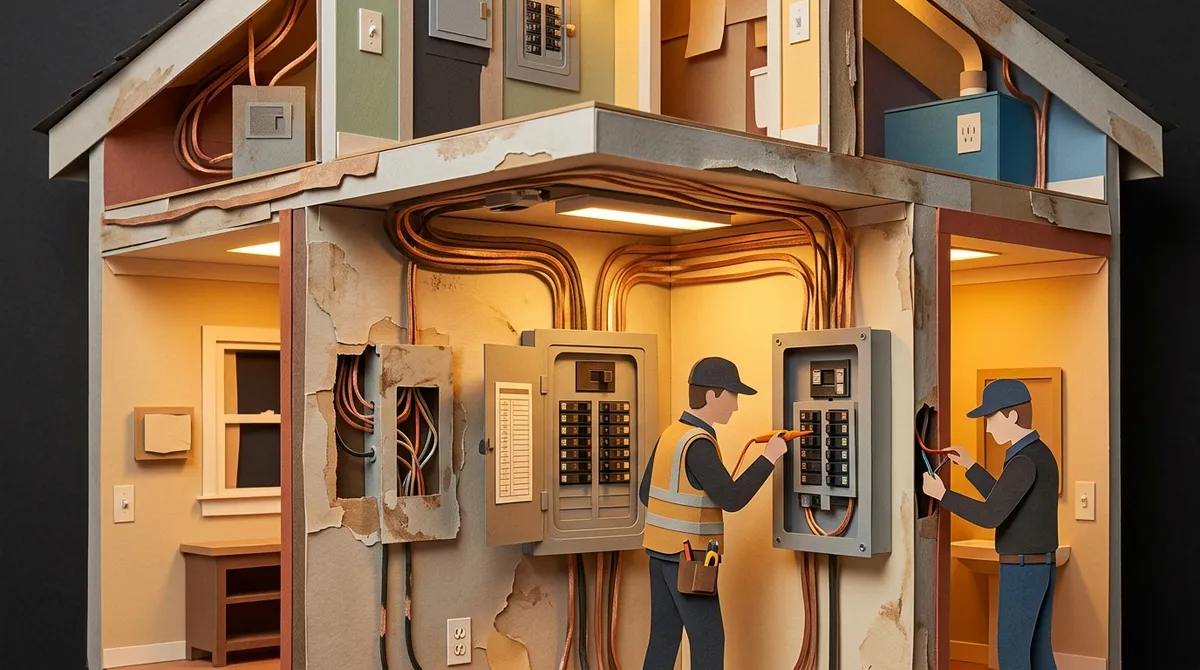
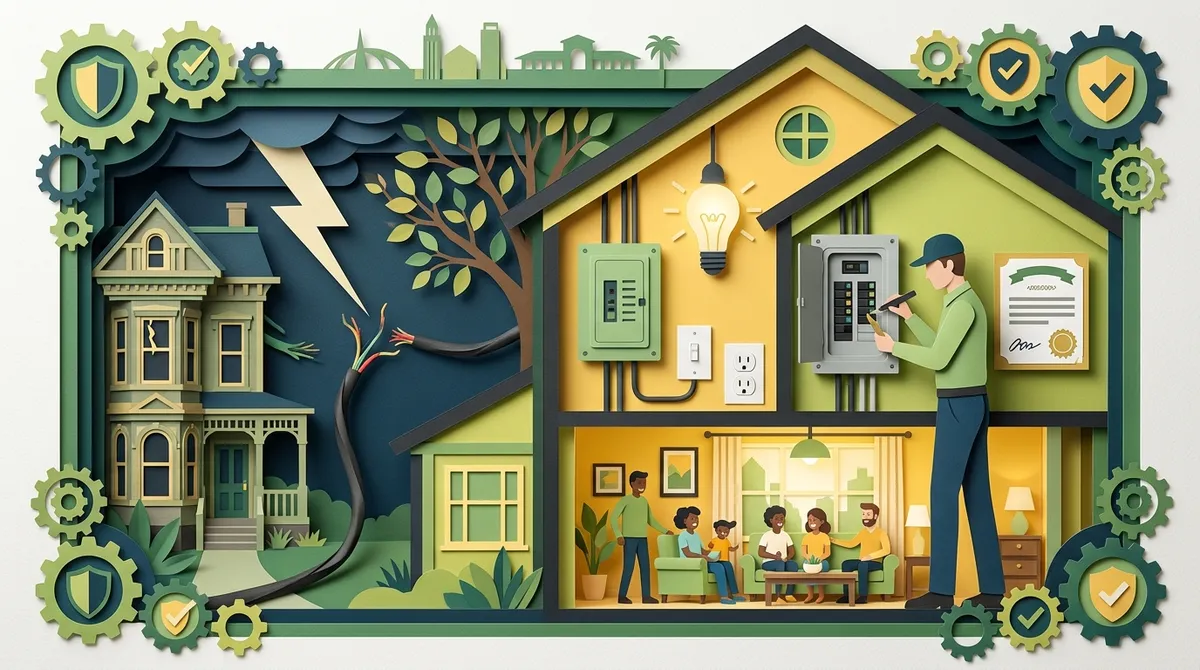
Let’s be honest — no property owner loves the idea of a mandatory inspection. But Oakland Park electrical safety inspections exist because electrical failures are one of the leading causes of building fires and injuries in older structures. After 40 years, systems that were once state-of-the-art can become outdated and dangerous.
Beyond safety, there are very real financial consequences if you skip or fail this inspection:
- Fines and penalties from Broward County Building Services
- Difficulty renewing your property insurance
- Potential liability if an electrical incident occurs
- Complications when selling or refinancing the property
- Possible building closure orders in severe cases
If you want to understand the full scope of what’s at stake, check out this article on The Importance of 40 Year Building Recertification for Property Longevity. It puts the whole picture together really clearly.
Step-by-Step: How to Prepare for Your Oakland Park Electrical Inspection
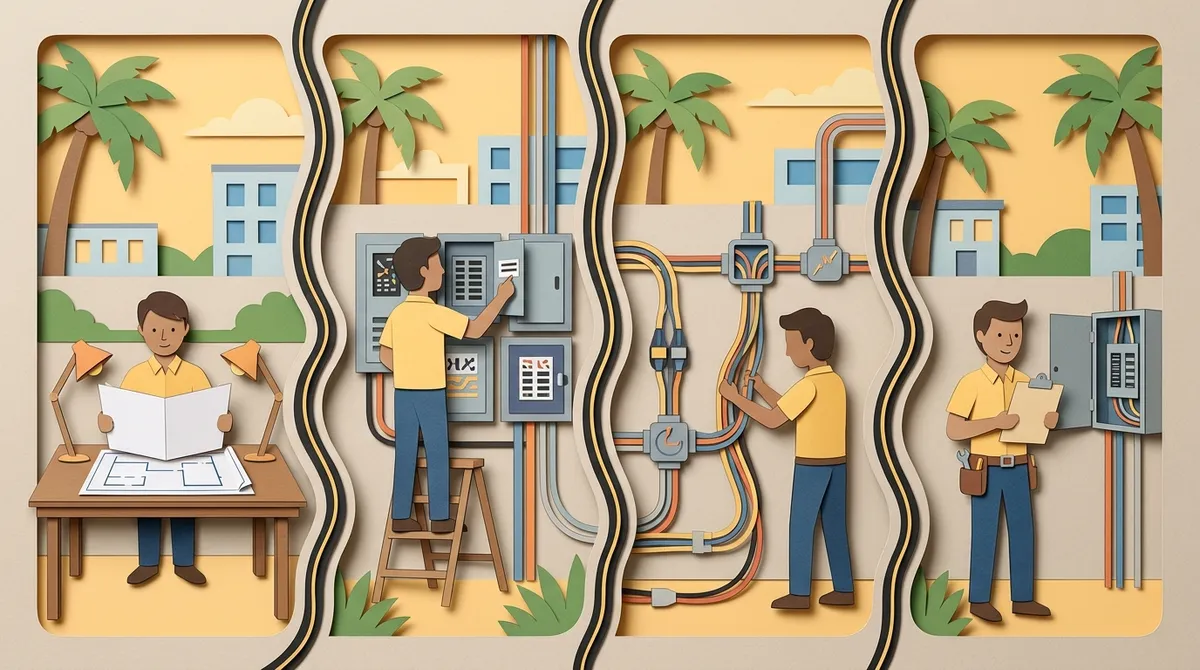
Preparation is everything. The more organized you are ahead of time, the smoother this process will go. Here’s a simple step-by-step approach to help you get ready:
- Confirm your inspection timeline. Check when your building’s 40 or 50-year milestone falls. Oakland Park’s Building & Permitting Services requires submissions online, so register early and know your deadline.
- Hire a licensed inspection team. You’ll need a licensed engineer or qualified inspector who can assess electrical systems and submit official findings. This is not a DIY situation — professional credentials are required.
- Conduct a pre-inspection walkthrough. Before the official inspection, walk through your building with your maintenance team. Identify any visible issues: exposed wiring, tripping breakers, flickering lights, or outdated panels.
- Gather your building’s electrical records. Pull together any previous inspection reports, permit records, and maintenance logs. Inspectors appreciate a well-documented building history.
- Address known issues before the inspection. If you already know there are electrical problems, fix them first. This reduces the chance of a failed inspection and speeds up the recertification timeline.
- Schedule the official inspection. Work with your licensed inspector to schedule the assessment. Make sure all areas of the building are accessible — locked electrical rooms cause delays.
- Submit your results online. Oakland Park requires online submission of building safety inspection reports through the city’s Building & Permitting Services portal.
The Connection Between Electrical Inspections and Insurance
If your building is older, your insurance company may already be asking questions about its electrical system. Many insurers require a 4-point inspection before they’ll issue or renew a policy on an aging structure. This type of inspection covers four systems: electrical, roofing, plumbing, and HVAC.
The great news is that your 40/50 Year Building Safety Inspection electrical report can often satisfy this insurance requirement at the same time. Two birds, one stone. It’s worth coordinating with your insurance provider early in the process to confirm what documentation they need.
What Codes Must Your Electrical System Meet?
Oakland Park electrical safety inspections require compliance with several key standards. Knowing these ahead of time helps you understand what inspectors are looking for:
| Standard | What It Covers | Why It Matters |
|---|---|---|
| National Electrical Code (NEC) | Wiring, panels, outlets, grounding | Sets the baseline for safe electrical installations |
| NFPA 70E | Electrical safety in the workplace | Protects workers and occupants from arc flash and shock hazards |
| Florida Building Code (FBC) | State-specific amendments to NEC | Ensures compliance with Florida’s local requirements |
| OSHA Standards | Workplace electrical safety | Especially relevant for commercial and industrial buildings |
Not sure if your building meets these standards? A pre-inspection assessment by a qualified team can give you a clear picture before the official review. For broader context on regional recertification requirements, Miami-Dade County Recertification offers helpful information on how similar programs work across South Florida.
What Happens If Your Building Fails the Electrical Inspection?
First, don’t panic. A failed electrical inspection is not the end of the world — it’s actually a signal that the system worked. It identified a problem before something worse happened. Here’s what typically occurs after a failed inspection:
- You receive a detailed report. The inspector outlines every deficiency found. This becomes your repair roadmap.
- You hire a licensed electrician to make repairs. All corrections must be made by a licensed professional. The work may also require building permits.
- You request a re-inspection. Once repairs are complete, the inspector returns to verify that everything has been corrected.
- You submit updated documentation. The corrected report is submitted to Oakland Park’s Building & Permitting Services to close out the recertification process.
The timeline matters here. Broward County’s 90-day inspection mandates mean you don’t have unlimited time to get repairs done. Working with an experienced recertification team from the start keeps you on schedule and avoids costly delays. You can Search Miami-Dade Building Recertification Cases to understand how the broader recertification landscape looks across the region.
Common Electrical Issues Found in Older Oakland Park Buildings
If your building was constructed 40 or more years ago, there are a few issues that come up repeatedly during electrical inspections. Being aware of them gives you a head start:
- Aluminum wiring — Common in buildings built in the 1960s and 70s. It expands and contracts more than copper, increasing fire risk at connection points.
- Outdated electrical panels — Some older panels were recalled or are simply no longer code-compliant. Inspectors will flag these immediately.
- Lack of GFCI protection — Modern codes require ground fault circuit interrupter outlets in wet areas. Older buildings often lack them.
- Overloaded circuits — As buildings add more equipment over the decades, circuits can become dangerously overloaded.
- Deteriorated wiring insulation — Insulation breaks down over time, especially in Florida’s heat and humidity.
- Missing surge protection — Older buildings weren’t designed with today’s sensitive electronics in mind.
Understanding these common problem areas helps property managers and condo boards budget appropriately for any pre-inspection repairs. It also highlights why building system deterioration is something that should be monitored consistently — not just at recertification time.
Choosing the Right Team for Your Oakland Park Electrical Safety Inspection
Not all inspection teams are created equal. For building recertification specifically, you want a team that understands the full scope of the process — not just the electrical component, but how it connects to structural assessments, documentation requirements, and county submission processes.
O’Reilly Consultants is a great example of a specialized team built for exactly this kind of work. Led by owner and qualifying architect Sherard O’Reilly, with Construction Manager & Engineer Catalina Torres’s 27 years of experience and Project Engineer Rafael Ojeda’s 16+ years in South Florida environmental and building assessments, the team brings deep local expertise to every inspection. They use advanced tools like drones and 3D laser scanning to leave nothing to chance.
To learn more about the team and their approach, visit the About O’Reilly Consultants page. You can also visit their Google Business Profile to see what property owners across Broward and Miami-Dade Counties have to say about working with them.
A Quick Checklist Before Your Inspection Day
Use this checklist to make sure you’re fully prepared when inspection day arrives:
- ✅ Hired a licensed, qualified inspector with recertification experience
- ✅ Pulled together all previous electrical permits and maintenance records
- ✅ Completed a pre-inspection walkthrough with your maintenance team
- ✅ Repaired any known electrical issues in advance
- ✅ Ensured all electrical rooms, panels, and access points are unlocked and accessible
- ✅ Confirmed submission requirements with Oakland Park Building & Permitting Services
- ✅ Coordinated with your insurance provider about 4-point inspection requirements
Conclusion
Oakland Park electrical safety inspections are a non-negotiable part of keeping your building safe, compliant, and insurable. The process doesn’t have to be stressful, though. With early preparation, a trusted inspection team, and a clear understanding of what’s involved, you can approach your 40/50 Year Building Safety Inspection with total confidence.
Whether you manage a condo association, own a commercial property, or oversee a multi-family apartment complex, now is the time to get ahead of the process. Don’t wait for a deadline to sneak up on you. Reach out to a qualified team today and take the first step toward a smooth, successful recertification. Request a free building recertification consultation and let O’Reilly Consultants guide you through every step of the process.
FAQs
Q: What triggers the electrical safety inspection requirement in Oakland Park?
A: Great question! In Oakland Park, the 40/50 Year Building Safety Inspection is triggered when your building reaches 40 years old, and again at the 50-year mark. The electrical safety inspection is a required component of this recertification process, and it must be submitted online through the city’s Building & Permitting Services portal.
Q: How long does an Oakland Park electrical safety inspection take?
A: The duration really depends on the size and complexity of your building. For a smaller multi-family property, the inspection might take a few hours. For a large commercial building or high-rise, it could take most of a day. Having all your records organized and all areas accessible will help keep things moving efficiently!
Q: Can the electrical safety inspection satisfy my insurance company’s 4-point inspection requirement?
A: In many cases, yes! The electrical portion of your 40/50 Year Building Safety Inspection can overlap with what insurance companies need for a 4-point inspection. That said, it’s always a good idea to check with your specific insurer ahead of time to confirm what documentation they require so you don’t have to repeat any steps.
Q: What codes must my building’s electrical system meet for Oakland Park recertification?
A: Your building’s electrical system needs to comply with the National Electrical Code (NEC), NFPA 70E, Florida Building Code electrical amendments, and relevant OSHA standards. Don’t worry — a qualified inspector will walk you through any gaps between your current systems and these requirements and help you understand your next steps.
Q: What happens if my building fails the Oakland Park electrical safety inspection?
A: Failing the inspection isn’t the end of the world — think of it as catching a problem before it becomes a bigger one! You’ll receive a detailed report outlining all deficiencies. You then hire a licensed electrician to make the necessary repairs, request a re-inspection, and submit your updated report to Oakland Park’s Building & Permitting Services to complete your recertification.