
Key Takeaways
-
In Miami-Dade and Broward Counties, buildings must undergo legally required structural and electrical inspections at 40 years old (or 30 years in some municipalities), then every 10 years after—missing deadlines results in fines and violations.
-
You have only 90 days from receiving a county notice to hire a licensed engineer, complete the inspection, and submit documentation to the county, making early action critical to avoid delays.
-
Recertification inspections must be conducted by Florida-licensed structural engineers or architects and include structural assessment, electrical systems review, facade examination, and use of advanced technology like drones and 3D laser scanning.
-
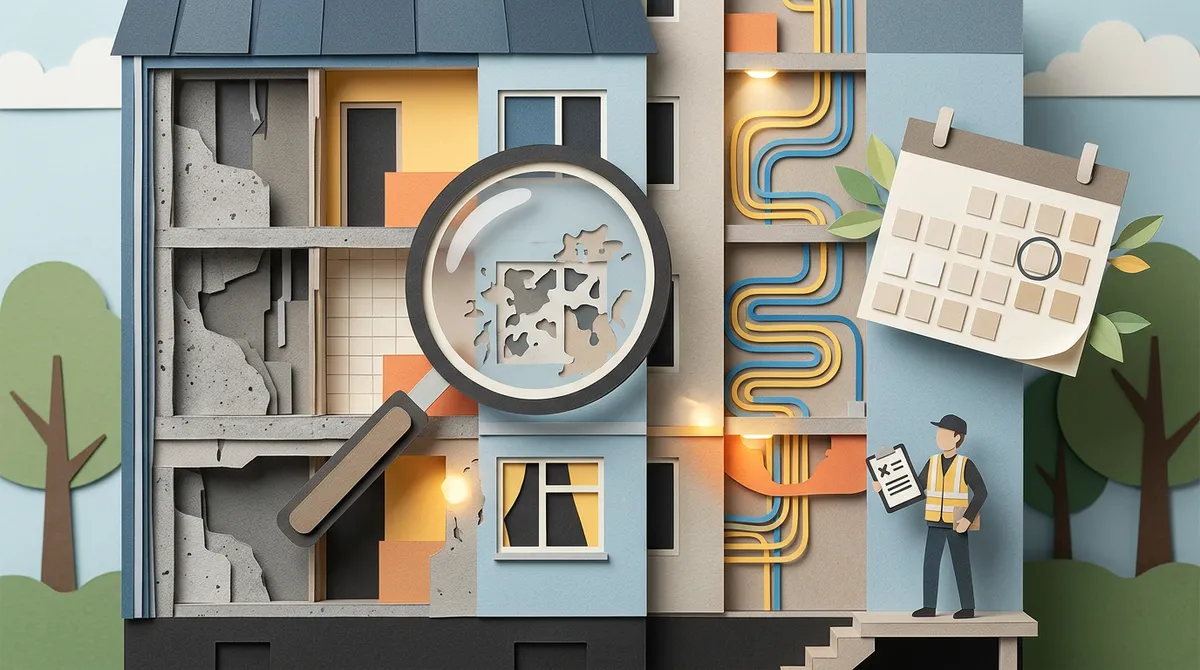
Common deficiencies found during inspections include concrete deterioration, structural steel corrosion, aging electrical panels, and waterproofing failures—catching these early through proactive inspections is significantly more cost-effective than addressing failures later.
-
Missing recertification deadlines can expose property owners and HOA boards to serious liability, impact insurance coverage and financing, and potentially result in buildings being flagged as unsafe for occupancy.
-
Hiring an experienced recertification firm with deep knowledge of local county requirements, transparent communication, and county-compliant documentation expertise is essential to avoid costly errors and ensure smooth approval.
If you own or manage a residential building in South Florida, you’ve probably heard about inspection deadlines and recertification requirements. Maybe you received a notice from the county. Maybe your HOA board is asking questions. Either way, you’re in the right place. Residential building inspections are a big deal — and understanding them can save you from serious headaches down the road.
In Broward and Miami-Dade Counties, buildings must undergo periodic structural and electrical inspections to meet local mandates. These aren’t optional checkups. They’re legally required assessments designed to keep residents safe and properties compliant. Miss a deadline, and you’re looking at fines, violations, and potential liability. Get ahead of it, and you protect your investment, your residents, and your peace of mind.
Let’s walk through everything you need to know about residential building inspections in the context of building recertification — from what they involve, to when they’re due, to how to make the process as smooth as possible.

What Are Residential Building Inspections for Recertification?
Residential building inspections for recertification purposes are formal, documented assessments of a building’s structural and electrical systems. They’re conducted by licensed engineers or architects and submitted to the county to confirm that the building remains safe for occupancy. These are not the same as a buyer’s home inspection or a general property walkthrough.
In Miami-Dade and Broward Counties, the Miami-Dade County Recertification program requires buildings to be recertified at specific milestones — typically at 40 years and then every 10 years after that. Some municipalities have adopted 30-year thresholds as well. The goal is simple: make sure aging buildings are structurally sound and electrically safe.
For condo association boards, HOA property managers, and apartment building owners, these inspections are a routine part of responsible property management. For those new to the process, they can feel overwhelming. But with the right team guiding you, it’s very manageable.

Who Needs a Residential Building Inspection?
Not every property triggers the same requirements. Here’s a general breakdown of who typically needs recertification-related residential building inspections in South Florida:
- Multi-family apartment buildings that meet age and size thresholds under county law
- Condominium buildings managed by HOA or condo association boards
- High-rise residential towers in Miami-Dade and Broward Counties
- Mixed-use buildings with residential units above a commercial threshold
- Aging properties approaching the 30-, 40-, or 50-year mark
If you’re unsure whether your building qualifies, you can search Miami-Dade Building Recertification Cases to find out if your property has an open recertification case or pending deadline.
The Key Components of a Recertification Inspection
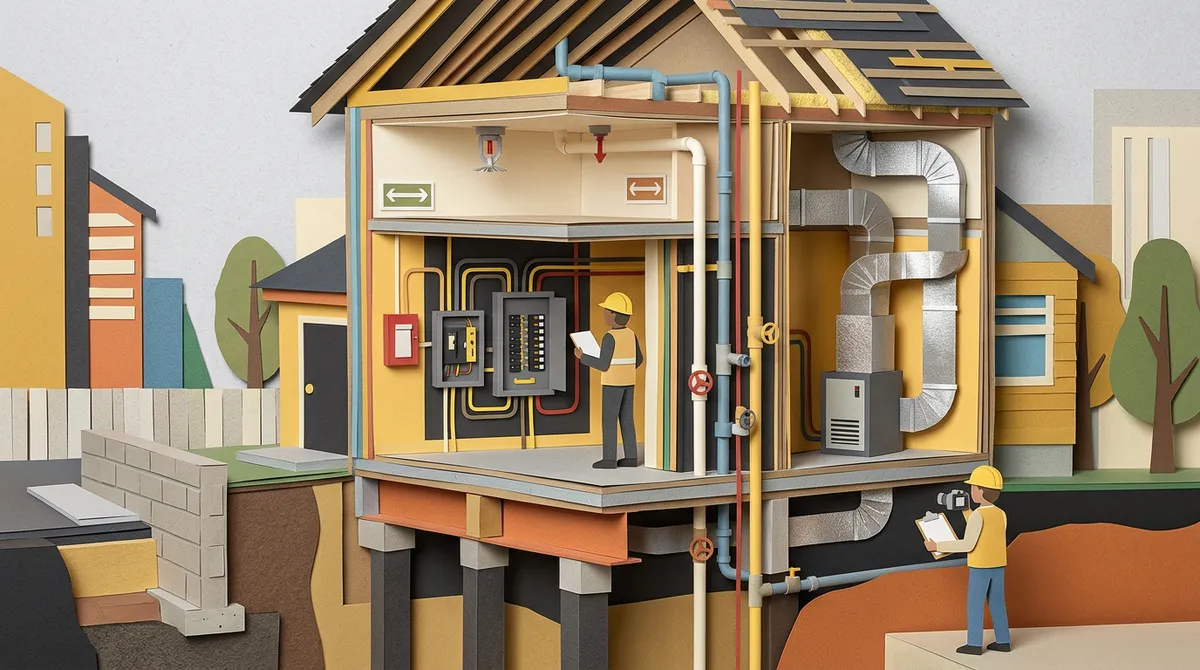
A comprehensive residential building inspection for recertification covers more than just a visual walkthrough. Here’s what a thorough assessment typically includes:
Structural Inspection
This is the cornerstone of any recertification report. Engineers examine the building’s foundation, columns, beams, slabs, and load-bearing walls. They look for signs of deterioration, cracking, corrosion, or settlement. Understanding issues like foundation cracks and hairline cracks in buildings is critical to assessing long-term structural integrity.
Electrical Inspection
Inspectors assess the building’s electrical systems, including panels, wiring, grounding, and illumination. Outdated or deteriorating electrical systems are a major fire hazard, and counties require confirmation that these systems meet current safety standards.
Facade and Exterior Review
The building envelope — walls, balconies, parapets, and waterproofing — is carefully examined for signs of deterioration or failure. In coastal South Florida, saltwater exposure accelerates wear significantly.
Advanced Technology Assessments
Modern recertification firms use tools like drones and 3D laser scanning to access hard-to-reach areas and produce more accurate documentation. This technology speeds up the process and reduces disruption to residents.

Important Recertification Timelines and Deadlines
Timing matters enormously with residential building inspections. Missing a deadline can result in county-issued violations and mounting daily fines. Here’s a summary of key recertification milestones to keep in mind:
| Recertification Milestone | Typical Timeline | Who It Applies To |
|---|---|---|
| 30-Year Recertification | Building turns 30 years old | Select municipalities in Broward County |
| 40-Year Recertification | Building turns 40 years old | Miami-Dade and Broward County buildings meeting size thresholds |
| 10-Year Renewals | Every 10 years after initial recertification | All previously recertified buildings |
| 90-Day Inspection Window | After county notice is received | All buildings with open recertification cases |
Once a county notice arrives, the clock starts ticking. Most jurisdictions give property owners a 90-day window to hire a licensed professional, complete the inspection, and submit documentation. That’s not much time if you’re starting from scratch.
Why Residential Building Inspections Matter So Much
The tragic 2021 Surfside collapse changed everything for building safety in Florida. Since then, lawmakers and county officials have significantly tightened enforcement of residential building inspections and recertification requirements. The importance of 40-year building recertification for property longevity cannot be overstated — both for safety and for protecting property values.
Here’s why staying on top of inspections matters for every stakeholder:
- Resident safety: Structural failures are preventable when problems are caught early.
- Legal protection: Non-compliance can expose owners and boards to serious liability.
- Property value: A clean recertification report supports insurance coverage and financing.
- HOA and condo board obligations: Boards have a fiduciary duty to maintain safe buildings.
- Avoiding fines: Counties can issue daily violations for missed deadlines.
The Recertification Inspection Process: Step by Step
If you’ve never been through a recertification inspection before, here’s a straightforward look at how the process typically works:
- Receive the county notice: Miami-Dade or Broward County sends a formal notice that your building is due for recertification.
- Hire a licensed professional: You must engage a Florida-licensed structural engineer or architect to perform the inspection.
- Schedule the inspection: The engineer visits the property to assess structural and electrical systems, often using drones and 3D scanning for thoroughness.
- Receive the inspection report: A detailed report is prepared documenting findings, deficiencies, and recommended repairs.
- Complete required repairs: If deficiencies are found, repairs must be completed by a licensed contractor within the mandated timeframe.
- Submit documentation to the county: The engineer files the completed report and required affidavits with the county building department.
- Receive recertification approval: Once the county reviews and accepts the submission, your building is officially recertified.
Having an experienced team by your side throughout each step makes a significant difference. It reduces delays, prevents costly errors in documentation, and keeps your project moving forward efficiently.
What to Look for in a Recertification Inspection Team
Not all inspection teams are equal. When choosing a firm to handle your residential building inspections for recertification, look for these qualities:
- Licensed structural engineers and architects in Florida
- Deep experience with Miami-Dade and Broward County requirements specifically
- Use of advanced technology like drones and 3D laser scanning
- Clear, county-compliant reporting and documentation
- Transparent timelines and communication throughout the process
- Familiarity with SIRS (Structural Integrity Reserve Study) requirements
O’Reilly Consultants checks every one of those boxes. Led by qualifying architect Sherard O’Reilly and supported by civil engineer Catalina Torres (27 years of experience) and environmental engineer Rafael Ojeda (16+ years and over 1,000 Phase I Environmental Site Assessments completed), their team brings deep, specialized expertise to every recertification project across South Florida. You can also visit O’Reilly Consultants on Google to see what property owners and managers are saying about their experience.
Related Services That Support Recertification
Residential building inspections for recertification don’t happen in isolation. Many properties need additional assessments as part of a comprehensive compliance strategy. Here are related services that often go hand-in-hand with recertification:
- Structural Integrity Reserve Study (SIRS): Required for condo associations under Florida’s new legislation, helping boards plan for long-term repairs and capital reserves.
- Property Condition Assessment (PCA): A full ASTM E2018-compliant evaluation of a property’s condition, often required for financing or acquisition.
- HOA Reserve Study: Helps HOA boards understand funding needs for future repairs and maintenance.
- Electrical and Illumination Safety Inspections: Standalone assessments of a building’s electrical infrastructure to confirm code compliance.
- Phase I Environmental Site Assessment: Evaluates environmental risk factors, often needed for real estate transactions or re-financing.
When post-inspection repairs involve interior carpentry or finishing work, coordinating with trusted trades is essential. Firms like Bucheli Trim provide quality finish carpentry services that can complement restoration efforts following recertification findings.
For a complete picture of what the 40-year recertification process involves, it’s worth reviewing the full scope of services available to South Florida property owners.
Common Mistakes to Avoid During the Inspection Process
Even well-intentioned property owners and managers can run into problems during recertification. Here are the most common pitfalls to avoid:
- Waiting too long after receiving a county notice: The 90-day window goes fast, especially if repairs are needed.
- Hiring an unqualified inspector: Only licensed Florida engineers or architects can sign off on recertification reports.
- Skipping repairs and hoping the county won’t notice: Inspectors are required to document deficiencies, and the county reviews submissions closely.
- Incomplete documentation: Missing affidavits, permits, or engineer certifications will delay approval and may result in violations.
- Ignoring minor issues: Small cracks, moisture intrusion, or aging electrical panels can become major (and expensive) problems if left unaddressed.
Getting Started with Your Residential Building Inspection
The best time to start thinking about your building’s recertification inspection is before the county sends you a notice. Proactive property owners avoid the stress of tight deadlines and rushed repairs. Regular assessments also help you budget accurately for maintenance and capital improvements over time.
Whether you manage a mid-rise condo in Miami, an apartment complex in Fort Lauderdale, or a mixed-use building anywhere in Broward or Miami-Dade County, staying ahead of your recertification schedule is one of the smartest things you can do for your property.
If you’re ready to get started or just want to understand your options, request a free consultation with O’Reilly Consultants today. Their team will walk you through every step of the process — from your first question to your final county approval — so you can move forward with confidence and clarity.
FAQs
Q: How do I know if my residential building needs a recertification inspection?
A: Great question! In Miami-Dade and Broward Counties, most residential buildings that are 40 years old (or 30 years in some municipalities) and meet certain size thresholds are required to undergo recertification. The county will typically send you a formal notice, but it’s always a good idea to get ahead of it. If you’re unsure, you can search your property on the Miami-Dade County recertification portal or reach out to a licensed professional for guidance.
Q: What happens if I miss the deadline for a residential building inspection?
A: Missing a recertification deadline can lead to county-issued violations and daily fines — and nobody wants that! In Miami-Dade and Broward Counties, non-compliance can also put your building at risk of being flagged as unsafe for occupancy. The good news is that acting quickly once you realize a deadline is approaching can help minimize penalties and get your building back on track.
Q: Who is qualified to perform a residential building inspection for recertification?
A: Only Florida-licensed structural engineers or architects are authorized to conduct and certify recertification inspections. It’s important to hire someone who has specific experience with Miami-Dade or Broward County requirements, since the documentation and filing process has its own nuances. Working with a specialized recertification firm makes the whole process smoother and less stressful.
Q: How long does the residential building inspection and recertification process take?
A: The timeline varies depending on the size of the building, the extent of any deficiencies found, and how quickly repairs are completed. In general, the inspection itself may take one to a few days, but the full process — including repairs and county submission — can take several weeks to a few months. Starting early and working with an experienced team helps keep things on schedule.
Q: What types of issues are commonly found during residential building recertification inspections?
A: Some of the most common findings include concrete deterioration, corrosion of structural steel, aging electrical panels, facade cracks, and waterproofing failures. In South Florida’s coastal climate, saltwater exposure accelerates wear significantly. The good news is that when these issues are caught early through regular inspections, they’re usually much more affordable to address than if they’re left untreated.