

Key Takeaways
-
Buildings in Miramar must undergo mandatory electrical safety inspections at 40 years old, then every 10 years thereafter; failure to comply results in fines, stop-work orders, or loss of occupancy.
-
Hire a licensed electrical contractor within 30 days of receiving the inspection notice and complete the inspection before the 60-day mark to allow time for repairs and permit processing.
-
Any electrical deficiencies discovered require an MEP permit from the City of Miramar Building Division before repairs begin; skipping this step invalidates recertification and creates liability exposure.
-
Coordinate structural and electrical inspections together using advanced technology like drones and 3D laser scanning to reduce costs, eliminate scheduling conflicts, and catch interdependent issues.
-
Set calendar reminders at the 9-year mark after each recertification to avoid missing the next 10-year inspection cycle, which continues indefinitely after the initial 40-year inspection.
-
Work with a specialized firm experienced in Broward County requirements rather than navigating permits, scheduling, and certificate submissions alone to prevent costly delays and compliance errors.
If your building in Miramar is approaching its 40th birthday, congratulations are in order — but so is some important homework. Broward County’s Building Safety Inspection Program requires that older structures undergo mandatory Miramar electrical safety inspections as part of their recertification process. And while the rules may seem straightforward, many property owners, condo boards, and HOA managers make avoidable mistakes that lead to costly delays, failed inspections, and even legal headaches.
The good news? Every single one of these pitfalls is preventable with the right knowledge and a trusted inspection partner by your side. Whether you manage a multi-family apartment complex, a commercial office building, or a condominium association, this guide walks you through the seven most common mistakes — and exactly how to sidestep them.
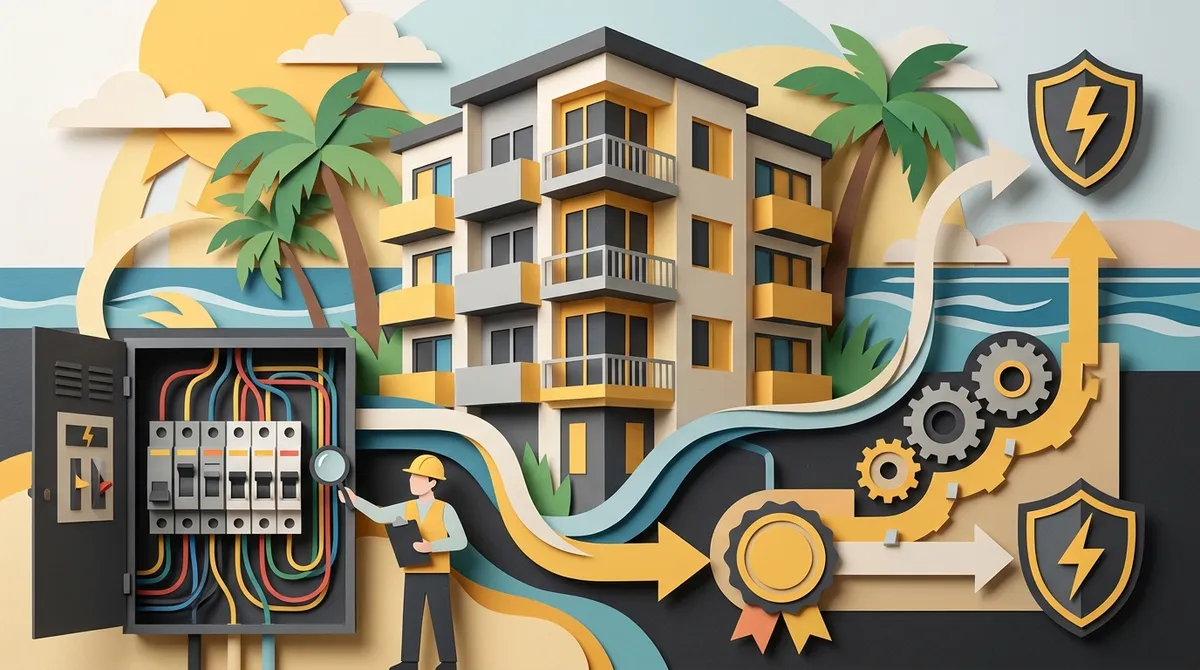
Understanding Miramar Electrical Safety Inspections in the Building Recertification Context
Before diving into the mistakes, let’s get clear on what we’re talking about. Under Broward County’s 40-year building recertification program, any structure that is 40 years old or older must complete a comprehensive safety inspection — including electrical systems. After that initial milestone, recertification happens every 10 years. These are not optional. Failing to comply can result in fines, stop-work orders, or loss of occupancy.
The City of Miramar Building Division oversees permitting and inspection scheduling. You can reach them at 954-602-3200 or use their online portal. Inspections submitted before 3 p.m. are typically scheduled for the next business day. Understanding this framework is your first step toward a smooth experience. For a broader overview of why this matters, check out the importance of 40-year building recertification for property longevity.
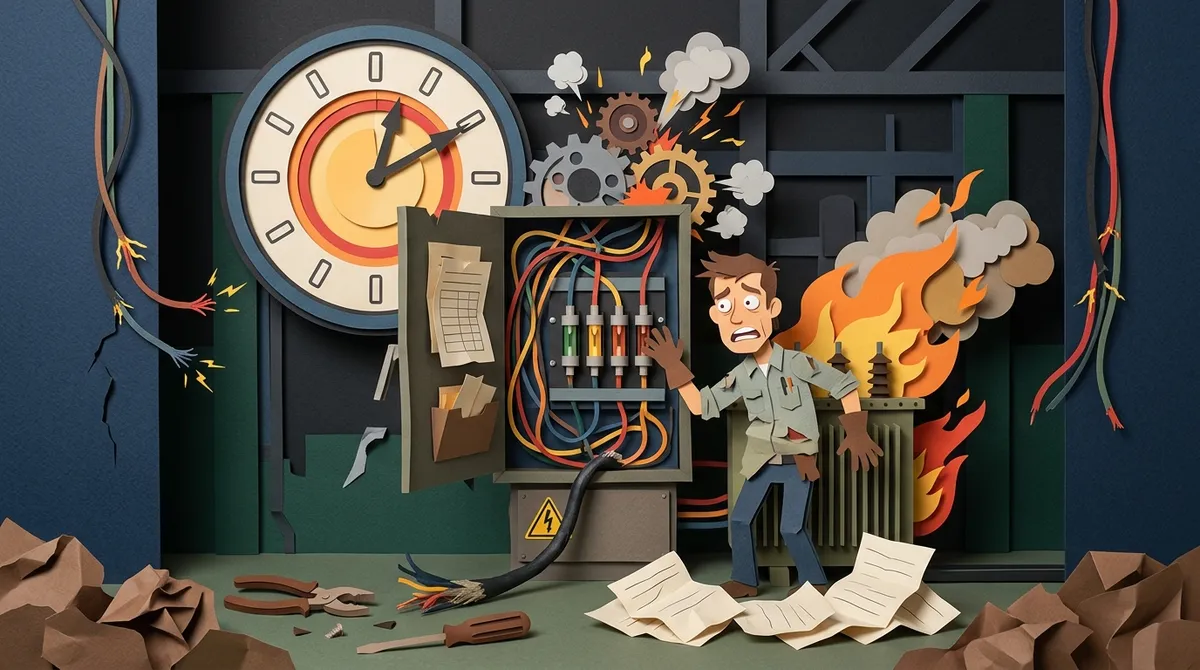
Mistake #1: Waiting Until the Last Minute
This is the number one mistake we see — and it’s completely understandable. Life is busy, and a compliance deadline can sneak up fast. But waiting until the county sends a final notice puts you in a reactive position. Electrical deficiencies often require repairs, permits, and follow-up inspections before a certificate can be issued.
Here’s a simple timeline to keep you on track:
- Receive the county’s inspection notice — this is your official starting gun.
- Hire a licensed professional within the first 30 days of receiving the notice.
- Complete the inspection and identify deficiencies before the 60-day mark.
- Apply for MEP permits and complete repairs well before the final deadline.
- Submit your electrical engineer’s certificate to Broward County for final compliance.
Starting early gives you breathing room for unexpected repairs and permit processing times.
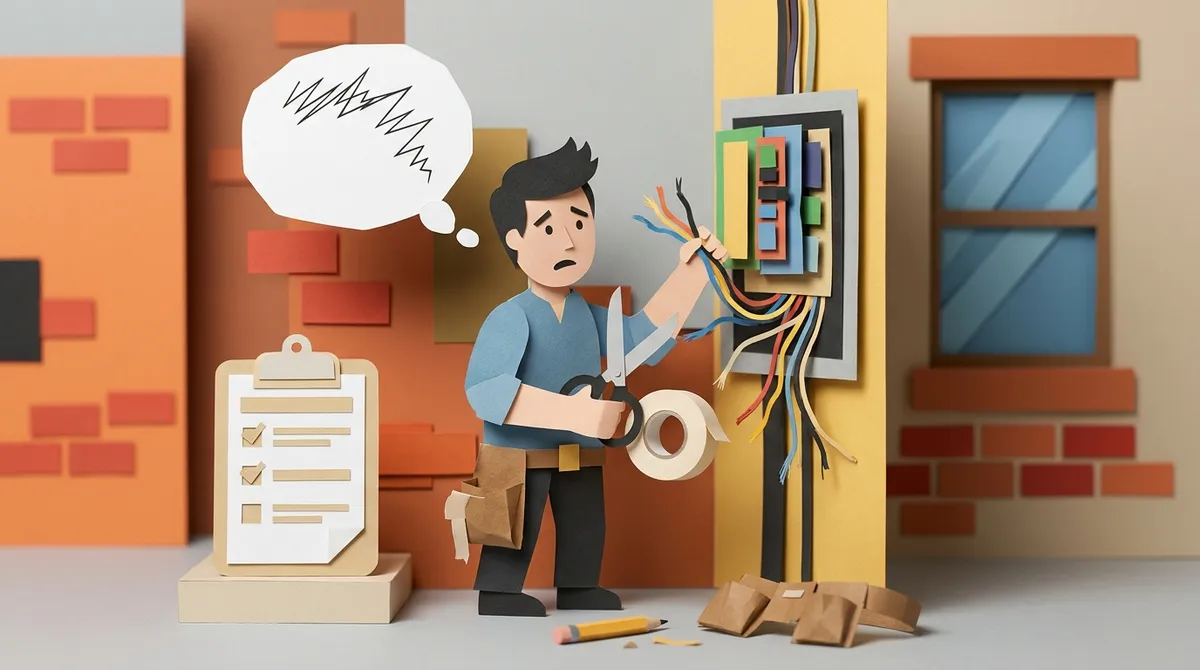
Mistake #2: Hiring an Unqualified Inspector
Not just anyone can perform a building recertification electrical inspection. Broward County requires that inspections be conducted by third-party licensed electrical contractors. After any deficiencies are repaired, a licensed electrical engineer must issue a certificate confirming safety — and that certificate is valid for 10 years once submitted to Broward County.
When vetting your inspection team, look for these qualifications:
- Licensed electrical contractor with Broward County experience
- Affiliated licensed electrical engineer for certificate issuance
- Familiarity with the City of Miramar Building Division’s requirements
- Experience with multi-family, commercial, or mixed-use properties
- Clear documentation and reporting processes
Teams like those at O’Reilly Consultants bring a highly specialized engineering background — including 27+ years of civil engineering experience — to ensure your electrical inspection is thorough, compliant, and well-documented from day one.
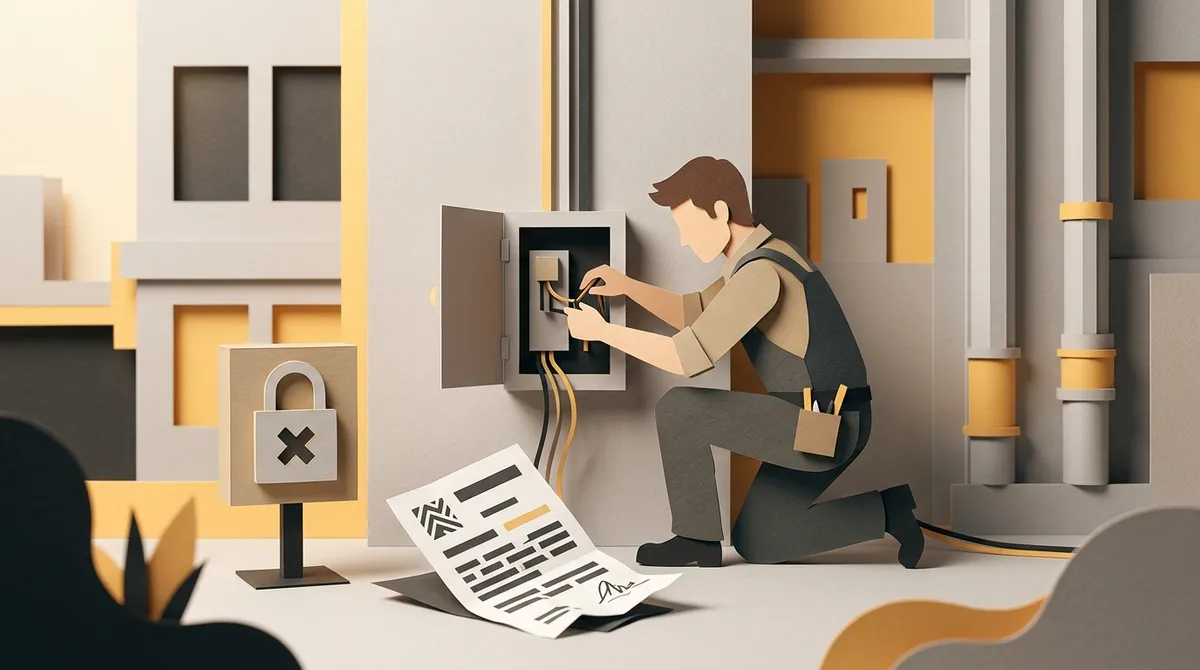
Mistake #3: Ignoring the Permit Requirement for Repairs
Here’s a mistake that catches many property owners off guard. If your electrical inspection reveals deficiencies — and in older buildings, it often does — those repairs cannot simply be made quietly. An MEP (Mechanical, Electrical, Plumbing) permit must be applied for through the City of Miramar Building Division before any corrective work begins.
Skipping this step can invalidate your entire recertification process. Worse, it can expose you to liability if an electrical issue causes harm down the line. Always pull the proper permits — it protects you, your residents, and your investment.
Mistake #4: Treating Structural and Electrical Inspections as Separate Events
Building recertification is a whole-building process. Many property owners make the mistake of scheduling their structural and electrical inspections separately, which leads to scheduling conflicts, duplicated site visits, and higher overall costs.
A smarter approach is to work with a firm that handles comprehensive assessments in one coordinated effort. Here’s a comparison of the two approaches:
| Approach | Time Required | Cost Efficiency | Risk of Missing Deadlines |
|---|---|---|---|
| Separate inspections (structural + electrical) | Longer, multiple visits | Lower — duplicate site costs | Higher |
| Coordinated full assessment | Faster, single mobilization | Higher — streamlined process | Lower |
| Advanced technology (drones + 3D scanning) | Fastest, highly accurate | Highest — fewer return visits | Lowest |
Using advanced tools like drones and 3D laser scanning, a qualified team can assess hard-to-reach areas of your building — including rooftops, facades, and electrical entry points — without scaffolding or lengthy delays. This approach is not just efficient; it’s the gold standard for modern building recertification.
Mistake #5: Overlooking the 10-Year Recertification Cycle
Passing your 40-year inspection is a big win — but it’s not a “set it and forget it” situation. Miramar electrical safety inspections are required every 10 years after the initial recertification. Many property owners celebrate completing their first recertification and then completely lose track of the next cycle, only to be caught off guard a decade later.
Here’s a quick reference for the recertification cycle:
- Year 40: First mandatory electrical safety inspection and recertification
- Year 50: 10-year recertification due
- Year 60: Second 10-year recertification due
- Every 10 years thereafter: Repeat cycle continues
Mark these dates in your property management calendar now. Setting a reminder at the 9-year mark gives you a full year to plan. You can also search Miami-Dade Building Recertification Cases to understand how neighboring county processes work — which can be helpful for firms managing properties across both counties.
Mistake #6: Not Addressing Foundation and Structural Red Flags Found During Electrical Inspections
Sometimes, an electrical inspection reveals more than just wiring issues. Inspectors may notice signs of water intrusion near electrical panels, cracks near conduit runs, or other structural warning signs. Ignoring these findings — even if they’re technically “outside the scope” of the electrical portion — is a costly mistake.
Structural issues can compromise electrical systems and vice versa. For example, foundation movement can stress electrical conduits, leading to failures down the line. If your inspector flags any structural concerns, take them seriously. You can learn more about understanding foundation cracks and hairline cracks in commercial buildings and why addressing them early saves money and stress later.
Here are the most common structural red flags to watch for during any recertification inspection:
- Cracks near electrical conduit entry points or panel locations
- Water staining or moisture damage around electrical rooms
- Uneven floors that suggest foundation settlement
- Corrosion on electrical conduits due to water infiltration
- Spalling concrete near exterior electrical installations
Mistake #7: Going It Alone Without Expert Guidance
Perhaps the biggest mistake of all is trying to navigate the recertification process without expert support. The paperwork, permit applications, coordination with the City of Miramar Building Division, scheduling follow-up inspections, and submitting final certificates to Broward County — it’s a lot to manage, especially when you’re already running a property or managing a board.
Working with a specialized firm means you have someone in your corner guiding you through every step. O’Reilly Consultants, led by qualifying architect Sherard O’Reilly and supported by engineer Catalina Torres’s 27 years of civil engineering experience, offers comprehensive building recertification services across Broward and Miami-Dade Counties. Their team handles the full process — from the initial inspection notice to final certificate submission — so you can stay focused on what you do best.
You can also reference Miami-Dade County Recertification guidelines for additional context on regional requirements that may apply to multi-county property portfolios.
What to Expect During a Miramar Electrical Safety Inspection
Knowing what happens during the inspection itself helps you prepare your building and your team. Here’s a step-by-step breakdown of a typical recertification electrical inspection:
- Pre-inspection review: The inspector reviews building records, previous permits, and any known electrical issues.
- Panel and service entrance inspection: Main electrical panels, sub-panels, and service entrance equipment are evaluated for age, condition, and code compliance.
- Wiring and conduit assessment: Visible wiring, conduit systems, grounding, and bonding are checked for deficiencies.
- Common area and emergency systems: Lighting in hallways, stairwells, parking areas, and emergency systems are tested.
- Report generation: A detailed report identifies deficiencies, required repairs, and permit needs.
- Repairs and re-inspection: Deficiencies are corrected under permit, and a follow-up inspection confirms completion.
- Certificate issuance: The licensed electrical engineer issues the safety certificate, which is submitted to Broward County.
Choosing the Right Partner for Your Recertification
Finding the right team makes all the difference. Here’s a quick checklist of what to look for when selecting your inspection partner:
- Specialization in Broward County and Miramar building recertification
- Experience with your property type (residential, commercial, mixed-use)
- Access to advanced inspection technology (drones, 3D laser scanning)
- Licensed engineers and contractors on staff
- Clear, actionable inspection reports with timelines
- Support through the permit and submission process
When you’re ready to take the next step, visit O’Reilly Consultants on Google to read reviews from property owners and managers across South Florida who have successfully completed their recertification with expert support.
Conclusion: Don’t Let Avoidable Mistakes Derail Your Recertification
Miramar electrical safety inspections are a critical part of keeping your building safe, compliant, and valuable. The seven mistakes outlined here — from waiting too long and hiring unqualified inspectors to skipping permits and ignoring the 10-year cycle — are all entirely preventable. With the right team and a proactive mindset, your recertification experience can be smooth, stress-free, and even empowering.
You deserve a partner who knows the process inside and out, uses the best available technology, and genuinely cares about your building’s future. Don’t wait until the deadline is breathing down your neck. Request a free consultation with O’Reilly Consultants today and take the first confident step toward a fully compliant, safe building that’s ready for whatever the next decade brings.
FAQs
Q: What is required for a 40-year electrical inspection in Miramar, FL?
A: Buildings in Miramar that are 40 years or older must undergo a mandatory electrical safety inspection by a licensed third-party electrical contractor as part of Broward County’s Building Safety Inspection Program. Any deficiencies found must be repaired under an MEP permit, and a licensed electrical engineer then issues a safety certificate valid for 10 years, which is submitted to Broward County for compliance.
Q: How often are electrical safety inspections needed for older buildings in Miramar?
A: After the initial 40-year inspection, Miramar buildings must complete electrical recertification every 10 years — so at years 50, 60, 70, and so on. Staying on top of this cycle helps you avoid penalties, fines, and last-minute scrambles. Setting a calendar reminder at the 9-year mark is a great habit to build!
Q: Who performs electrical recertification inspections in Broward County?
A: Broward County requires that recertification electrical inspections be performed by third-party licensed electrical contractors, not the building’s own maintenance staff. After repairs are completed, a licensed electrical engineer must issue the official safety certificate. Specialized firms like O’Reilly Consultants can coordinate this entire process for you.
Q: What happens if my building fails the 40-year electrical safety inspection?
A: Failing the inspection doesn’t mean the end of the road — it just means deficiencies were found that need to be corrected. You’ll need to apply for an MEP permit through the City of Miramar Building Division, complete the required repairs, and then schedule a follow-up inspection. Once repairs pass, your electrical engineer can issue the compliance certificate.
Q: How do I schedule an electrical inspection with the Miramar Building Division?
A: The City of Miramar Building Division allows online scheduling through their official portal for registered permit contacts. You can also reach them by phone at 954-602-3200. Inspections requested before 3 p.m. are typically scheduled for the very next business day — pretty convenient when you’re working against a deadline!