Key Takeaways
-
Broward County mandates electrical safety inspections at the 40-year and 50-year building marks as part of recertification to ensure compliance with current National Electrical Code (NEC) standards and occupant safety.
-
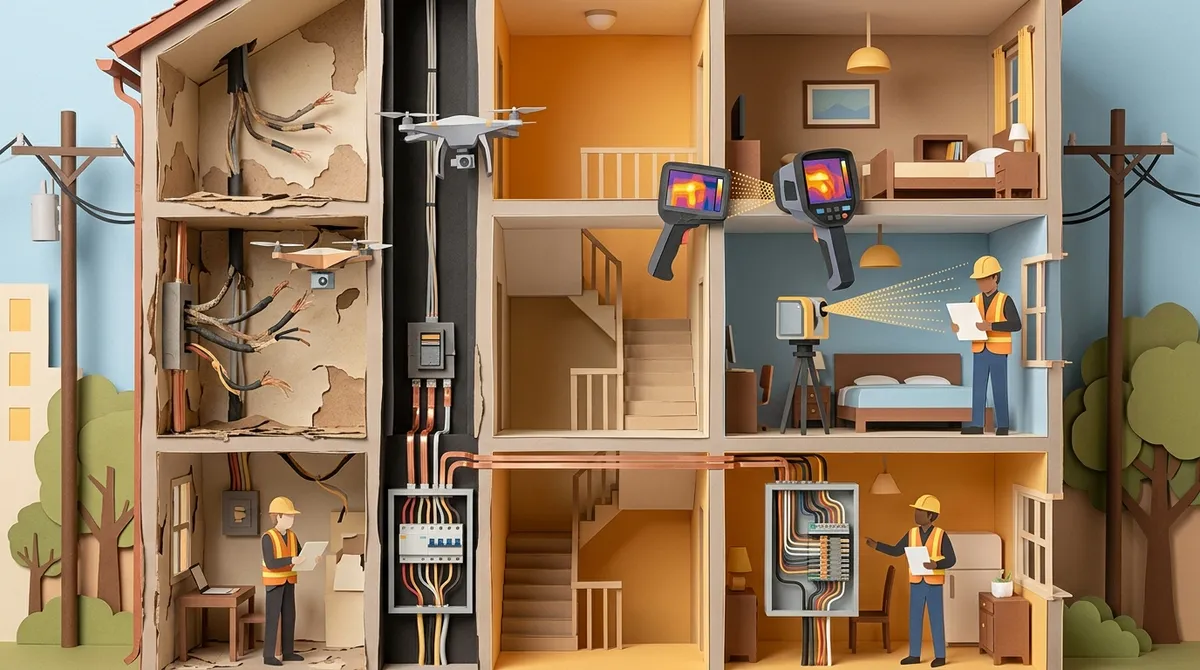
Common electrical hazards in buildings 40+ years old include outdated aluminum/knob-and-tube wiring, oversized fuses or breakers, degraded wire insulation, overloaded panels, and missing AFCI protection—all fire and shock risks.
-
Professional electrical inspections use advanced technology like thermal imaging, drone inspections, and 3D laser scanning to detect hidden problems such as overloaded circuits and loose connections that visual checks alone cannot identify.
-
Failing an electrical inspection is manageable—you receive a prioritized repair list, get a county-set timeline to complete repairs, and schedule a follow-up inspection; acting quickly prevents fines and building closure orders.
-
Buildings with current electrical inspections benefit from lower insurance premiums, higher property values, reduced fire risk, and avoidance of Broward County penalties—making proactive compliance financially advantageous.
-
Schedule your inspection before the county deadline arrives; waiting until the last minute limits contractor availability and adds unnecessary stress to an otherwise straightforward recertification process.
If you own or manage a building in North Lauderdale, electrical safety is something you simply can’t ignore. Broward County has clear rules about when buildings need to be inspected, and those rules exist for very good reasons. Electrical problems are one of the leading causes of building fires and structural damage across South Florida. When a building reaches a certain age, its wiring, panels, and electrical systems can become outdated or even dangerous. That’s why North Lauderdale electrical safety inspections are a key part of the building recertification process. Whether you manage a condo association, own a commercial property, or oversee an apartment complex, knowing what these inspections involve can save you time, money, and major headaches. This guide walks you through everything you need to know, in plain and simple terms, so you can stay compliant and keep your building safe.
Why Electrical Safety Inspections Matter for Building Recertification
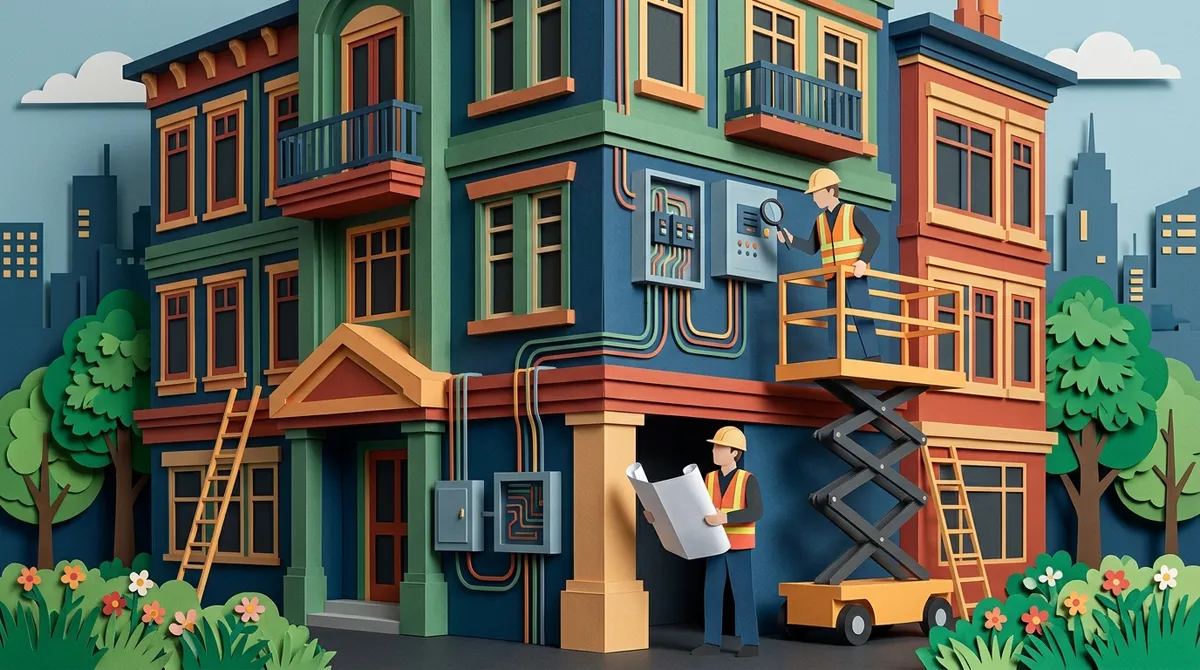
Broward County requires buildings to go through a formal recertification process at the 40-year and 50-year marks. This process includes both a structural inspection and an electrical safety inspection. The goal is to confirm that the building still meets current safety codes and that it’s safe for occupants to use. You can learn more about what’s involved by visiting our page on 40 Year Recertification requirements in Broward County.
Electrical systems age just like any other part of a building. Wiring can degrade, panels can become overloaded, and older components may no longer meet the National Electrical Code (NEC). Without a proper inspection, these issues can go unnoticed until they cause a serious incident. A professional electrical safety inspection catches these problems early, giving you time to make repairs before they become emergencies.
It’s also worth noting that Miami-Dade County Recertification follows a similar framework, so property owners in both counties benefit from understanding these shared standards.
What Broward County Electrical Inspections Cover
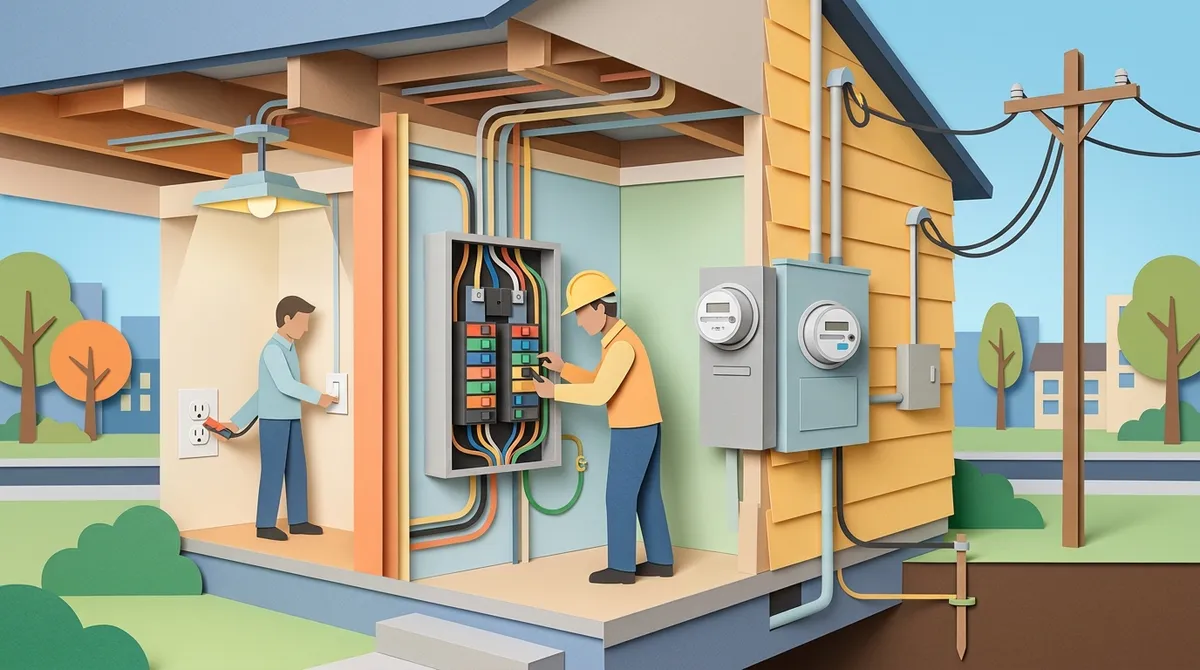
A thorough North Lauderdale electrical safety inspection covers a wide range of components. Licensed inspectors go beyond just a quick visual check. Here’s what a full inspection typically includes:
- Verification of lightbulb wattage and fixture ratings
- Identification of shock and electrocution hazards
- Grounding system review and testing
- Smoke detector and carbon monoxide detector compliance
- Outdoor electrical system evaluation
- Surge protection assessment
- Arc Fault Circuit Interrupter (AFCI) checks
- Switches, outlets, and panel inspections
- Wiring condition review, including checks for outdated aluminum or knob-and-tube wiring
- Conduit, meter socket, and service equipment review
Broward County Building Code Services handles electrical inspections for power release, which includes visually checking service equipment, wiring, conduits, meter sockets, and grounding before a utility connection is approved. This step is critical for any building undergoing recertification or major electrical upgrades.
Common Electrical Issues Found in Older Buildings
Buildings that are 40 or more years old often have electrical systems that were installed under older codes. These systems worked fine when they were built, but they may no longer meet today’s safety standards. Here are some of the most common issues inspectors find:
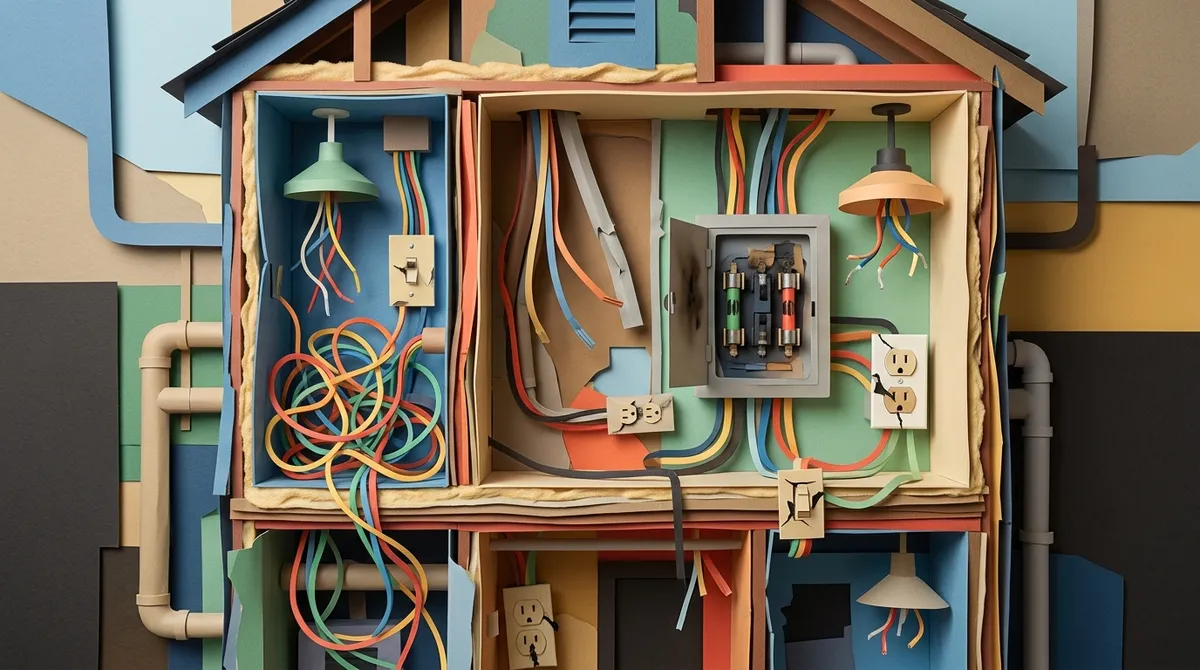
- Outdated wiring types: Aluminum wiring and knob-and-tube wiring were common in older construction but are now considered fire hazards in many applications.
- Oversized fuses or breakers: When fuses or breakers are too large for the circuit they protect, they fail to trip during an overload, increasing fire risk.
- Degraded insulation: Over decades, wire insulation can crack or crumble, exposing live conductors and creating shock hazards.
- Overloaded panels: Modern buildings use far more electricity than older ones were designed to handle, leading to panels that are pushed beyond their limits.
- Missing AFCI protection: Newer code requirements mandate arc fault protection in many areas of a building, and older buildings often lack this feature entirely.
Identifying these issues early is far less expensive than dealing with fire damage or failed inspections at the last minute. You can also read about related structural concerns in our article on Understanding Foundation Cracks And Hairline Cracks In Commercial Buildings, which shows how aging affects multiple systems at once.
The Building Recertification Inspection Process in North Lauderdale
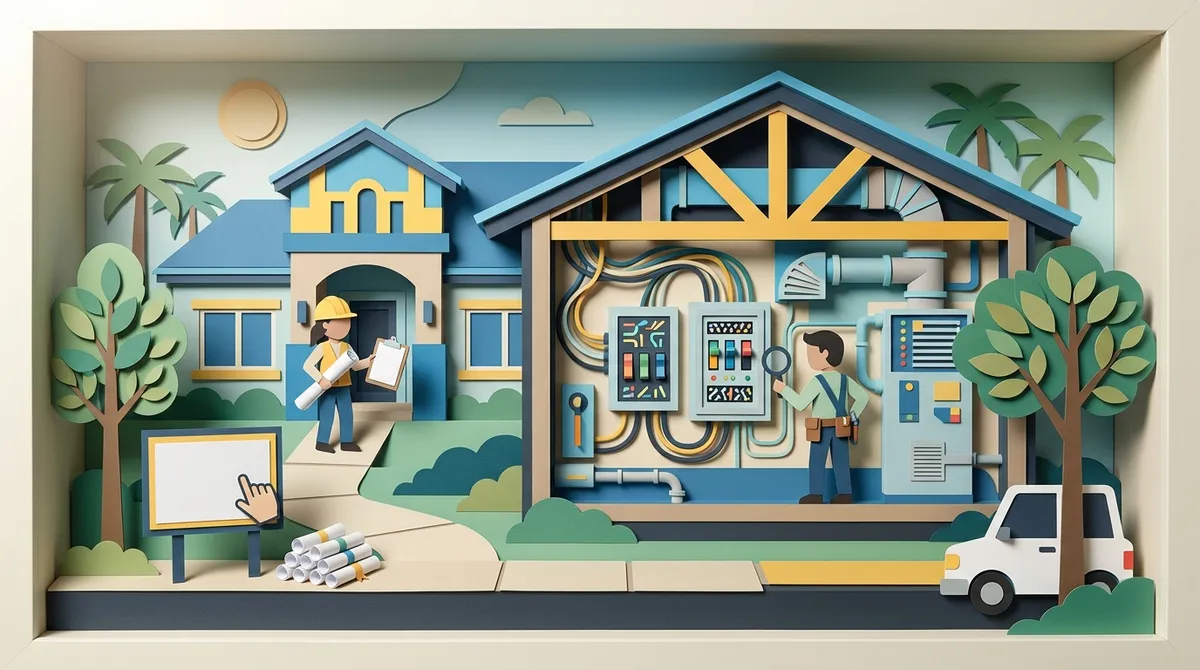
Knowing what to expect from start to finish makes the whole process much less stressful. Here’s a step-by-step look at how the recertification inspection process typically works for North Lauderdale properties:
- Receive the county notice: Broward County will send a formal notice when your building is approaching its 40-year or 50-year recertification deadline. Don’t ignore this notice — there are strict timelines attached.
- Hire a licensed inspector: You must hire a licensed professional to conduct both the structural and electrical portions of the recertification inspection. Make sure they are familiar with Broward County requirements specifically.
- Complete the inspection: The inspector evaluates all relevant electrical systems and documents findings in a detailed report.
- Review the report: You’ll receive a prioritized checklist of repairs, upgrades, and actions needed to bring the building into compliance.
- Make required repairs: Address any deficiencies within the mandated timeframe to avoid fines or building closure orders.
- Submit documentation: File the completed inspection report and any repair documentation with Broward County Building Code Services to finalize your recertification.
If you want to understand why this process matters so deeply for long-term property value, check out our detailed look at The Importance Of 40 Year Building Recertification For Property Longevity.
Who Needs North Lauderdale Electrical Safety Inspections
These inspections apply to a wide range of property types across North Lauderdale and the broader Broward County area. Here’s a quick look at who typically needs them:
| Property Type | Inspection Trigger | Key Concern |
|---|---|---|
| Condominium Buildings | 40-year and 50-year recertification | Resident safety, HOA compliance |
| Commercial Office Buildings | 40-year and 50-year recertification | Code compliance, insurance requirements |
| Apartment Complexes | 40-year and 50-year recertification | Tenant safety, legal liability |
| Shopping Centers and Retail Plazas | 40-year and 50-year recertification | Fire risk, public safety |
| Industrial and Mixed-Use Properties | 40-year and 50-year recertification | Heavy electrical load management |
If you manage an HOA or sit on a condo board, staying ahead of these deadlines is especially important. Missing a 90-day inspection window can trigger county enforcement actions that are far more disruptive and costly than simply scheduling the inspection on time.
Benefits of Staying Current with Electrical Safety Inspections
Beyond just checking a compliance box, regular North Lauderdale electrical safety inspections offer real, tangible benefits for property owners and managers. Here’s why staying proactive makes sense:
- Fire prevention: Catching faulty wiring and overloaded circuits early dramatically reduces the risk of electrical fires.
- Lower insurance costs: Many insurers offer better rates for buildings with current, documented electrical inspections.
- Higher property values: Certified, compliant buildings are more attractive to buyers, tenants, and lenders.
- Avoid costly fines: Broward County can impose significant penalties on buildings that miss recertification deadlines.
- Energy efficiency: Updated electrical systems often perform more efficiently, reducing utility costs over time.
- Peace of mind: Knowing your building is safe and compliant lets you focus on managing your property instead of worrying about what might be hidden in the walls.
You can also Search Miami-Dade Building Recertification Cases to see how neighboring county buildings have handled similar requirements, which can offer useful context for Broward property owners.
How O’Reilly Consultants Supports Your Recertification
O’Reilly Consultants is a specialized engineering team serving property owners across Broward and Miami-Dade Counties. Led by owner and qualifying architect Sherard O’Reilly, the team brings deep expertise in building recertification inspections, including electrical and illumination safety assessments. The team also includes Construction Manager and Engineer Catalina Torres, with 27 years of civil engineering experience, and Project Engineer Rafael Ojeda, who has completed over 1,000 Phase I Environmental Site Assessments across South Florida.
What sets O’Reilly Consultants apart is their use of advanced tools like drones and 3D laser scanning, which allow for thorough evaluations that go well beyond a standard walkthrough. You get detailed reports with clear, actionable recommendations, accepted by Broward and Miami-Dade building departments. From the moment you receive your county notice to the day you submit your final documentation, the team guides you every step of the way. Visit us on Google to read what other property owners have said about working with the O’Reilly Consultants team.
Advanced Technology in Electrical Recertification Inspections
Modern recertification inspections have come a long way from simple visual checks. Today’s best inspections use technology to find problems that the naked eye simply can’t detect. Here are some of the advanced tools now used in professional electrical safety assessments:
- Thermal imaging: Infrared cameras detect heat signatures from overloaded circuits, loose connections, and failing components before they become visible problems.
- Drone inspections: Drones allow inspectors to safely evaluate hard-to-reach exterior electrical components, rooftop systems, and high-rise facades without scaffolding.
- 3D laser scanning: This technology creates precise digital models of a building’s systems, making it easier to document conditions and track changes over time.
These tools don’t just make inspections more accurate — they also make them faster, which is critical when you’re working against a 90-day county deadline. Firms that use this kind of technology deliver more reliable results and help you avoid the risk of missing something important during the recertification process.
What Happens If Your Building Fails the Electrical Inspection
A failed inspection is not the end of the world, but it does require prompt action. If your building doesn’t pass the electrical portion of its recertification inspection, here’s what typically happens next:
- You receive a detailed report listing all deficiencies and required repairs
- Broward County sets a timeline for completing those repairs
- You hire licensed contractors to address the identified issues
- A follow-up inspection confirms that repairs have been made correctly
- Documentation is submitted to finalize the recertification
The key is not to panic, but to act quickly. Working with an experienced recertification team from the start means you’ll have a clear action plan in hand the moment the inspection is complete, rather than scrambling to figure out next steps on your own.
Getting Started with Your North Lauderdale Electrical Safety Inspection
The best time to schedule your North Lauderdale electrical safety inspection is before the county deadline arrives. Waiting until the last minute limits your options and adds stress to what should be a straightforward process. A qualified team can review your building’s age, assess its current electrical condition, and give you a realistic picture of what to expect before the formal inspection begins.
Whether you manage a single apartment building or a portfolio of commercial properties across Broward County, having the right partner makes all the difference. Don’t let a missed deadline or an undetected electrical hazard put your investment — or your occupants — at risk.
Ready to get started? Request a free quote from O’Reilly Consultants today and find out how easy and stress-free the building recertification process can be when you have the right team in your corner. You can also reach us directly by phone — call us at (512) 567-1191 — and we’ll walk you through the next steps for your specific property.
FAQs
Q: What are the requirements for 40-year building recertification in Broward County?
A: When your building turns 40, Broward County requires both a structural inspection and an electrical safety inspection to confirm the building still meets current safety codes. You’ll need to hire a licensed professional, submit their report to Broward County Building Code Services, and complete any required repairs within the mandated timeframe. It’s a straightforward process when you have the right team guiding you!
Q: Who can perform electrical recertification inspections in North Lauderdale?
A: Electrical recertification inspections in North Lauderdale must be performed by a licensed professional who is familiar with Broward County building codes and the National Electrical Code (NEC). Firms like O’Reilly Consultants specialize in exactly this kind of work and use advanced tools like thermal imaging and drones to make sure nothing gets missed. Always verify that your inspector’s credentials are accepted by Broward County Building Code Services.
Q: What happens if my building fails the 40-year electrical inspection?
A: A failed inspection means you’ll receive a detailed report listing the specific deficiencies that need to be addressed — think of it as a helpful to-do list rather than a dead end! Broward County will give you a set timeframe to make the required repairs, after which a follow-up inspection confirms everything is up to code. Acting quickly and working with experienced professionals makes the whole process much smoother.
Q: How long does a North Lauderdale electrical safety inspection take?
A: The timeline depends on the size and complexity of your building, but most electrical safety inspections for recertification purposes can be completed within a day or two for mid-sized properties. Larger commercial buildings or those using advanced tools like thermal imaging and 3D scanning may take a bit longer. Your inspection team will give you a realistic timeline upfront so you can plan accordingly.
Q: Are electrical safety inspections required for selling a building in North Lauderdale?
A: While a standard real estate sale doesn’t always require a formal recertification electrical inspection, buildings that have reached their 40-year or 50-year milestone will need to have their recertification completed regardless of a sale. Buyers, lenders, and real estate investment firms increasingly look for current inspection documentation as part of their due diligence, so having a clean, up-to-date report can actually speed up your sale and protect your property’s value.