
Key Takeaways
-
Florida law requires condominium and cooperative buildings with 3+ stories in Weston to complete a Structural Integrity Reserve Study (SIRS) by December 31, 2025, and update it every 10 years to ensure adequate reserve funding for major repairs.
-
A SIRS must evaluate 8 key components including roof, structure/foundation, fire protection, plumbing, electrical systems, waterproofing, windows/doors, and any deferred maintenance exceeding $10,000.
-
SIRS and building recertification are separate requirements—SIRS focuses on reserve funding plans while recertification verifies building safety; Weston buildings may need both, especially at 25 or 40-year milestones.
-
Non-compliance with SIRS requirements can result in board member personal liability, insurance complications, forced special assessments on unit owners, and financing/sale obstructions for properties.
-
Coordinating your SIRS with building recertification inspections reduces costs and resident disruption, as both processes involve similar structural component evaluations by licensed engineers or architects.
-
Starting the SIRS process 6-12 months before your deadline, bundling with recertification services, and selecting a professional experienced with Florida SIRS and Broward County requirements ensures smooth compliance.
If you manage or own a condominium building in Weston, Florida, you’ve probably been hearing a lot about Structural Integrity Reserve Studies — or SIRS. And honestly, it’s for good reason. Florida’s building safety landscape has changed dramatically since 2022, and condo associations across Broward County are now required to take SIRS seriously. Whether you’re a board member, property manager, or building owner, understanding Weston Structural Integrity Reserves Studies (SIRS) isn’t just about following the rules — it’s about protecting the people who live and work in your building. In this guide, we’ll break down everything you need to know in plain, friendly language so you can feel confident navigating this process without stress.

Why Florida Created the SIRS Requirement
Florida’s SIRS law didn’t appear out of nowhere. It was born from one of the most tragic building disasters in American history. On June 24, 2021, the Champlain Towers South in Surfside, Florida collapsed, killing 98 people. The investigation revealed years of deferred maintenance and underfunded reserves had contributed to the building’s structural failure.
In response, Florida passed Senate Bill 4-D in 2022, creating the Structural Integrity Reserve Study requirement for qualifying condominium and cooperative buildings. The goal is simple but powerful: ensure that building associations are actively planning and saving for major structural repairs before problems become catastrophes. If you want a broader picture of these post-Surfside reforms, understanding what building recertification is and why it matters is a great starting point.
What Exactly Is a Weston Structural Integrity Reserves Study (SIRS)?
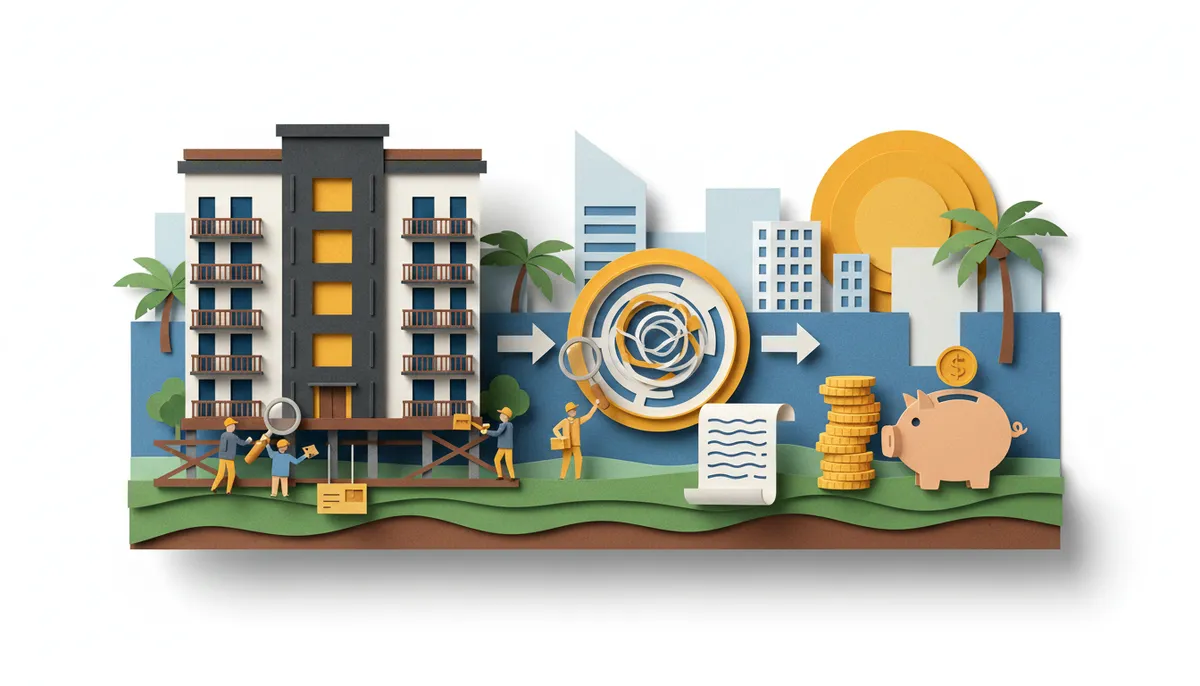
A Structural Integrity Reserve Study (SIRS) is a formal report that does two key things. First, it visually inspects your building’s major structural and life-safety components. Second, it creates a long-term funding plan so your association has enough money set aside to pay for future repairs and replacements.
Think of it like a financial health check combined with a building health check — all wrapped into one document. The study must be performed by a licensed engineer or architect and is required to be updated at least every 10 years. For Weston condo associations, this is now a core compliance responsibility, not an optional extra.
The 8 Component Categories Covered in a SIRS
Florida law specifies that a SIRS must evaluate certain structural and life-safety components. Here are the commonly cited categories your study must cover:
- Roof — Condition, remaining useful life, and estimated replacement costs
- Structure/Foundation — Load-bearing elements, columns, slabs, and parking structures
- Fireproofing and Fire Protection Systems — Sprinklers, alarms, and suppression systems
- Plumbing — Main supply and drainage lines serving the building
- Electrical Systems — Primary electrical infrastructure and distribution
- Waterproofing and Exterior Painting — Building envelope, balconies, and sealants
- Windows and Exterior Doors — Common area glazing and door systems
- Any other item with a deferred maintenance cost exceeding $10,000
If you’re curious how a thorough building inspection addresses these areas, learn what a commercial building inspection really covers to see the level of detail involved.

Which Buildings in Weston Need a SIRS?
Not every building in Weston is required to complete a SIRS. The law targets qualifying condominium and cooperative associations. Here’s a quick breakdown of who is typically required to comply:
| Building Type | Stories | SIRS Required? |
|---|---|---|
| Condominium / Cooperative | 3 or more habitable stories | Yes |
| Single-family homes | Any | No |
| HOA (non-condo) | Any | Not directly required |
| New construction condos (recently built) | 3 or more habitable stories | Depends on age/milestone status |
If your building is a condominium or cooperative with three or more habitable stories, you should assume SIRS applies to you and consult a licensed professional to confirm. Many associations whose first SIRS deadlines applied by December 31, 2025 are now moving into the ongoing compliance phase.
SIRS vs. Building Recertification — What’s the Difference?
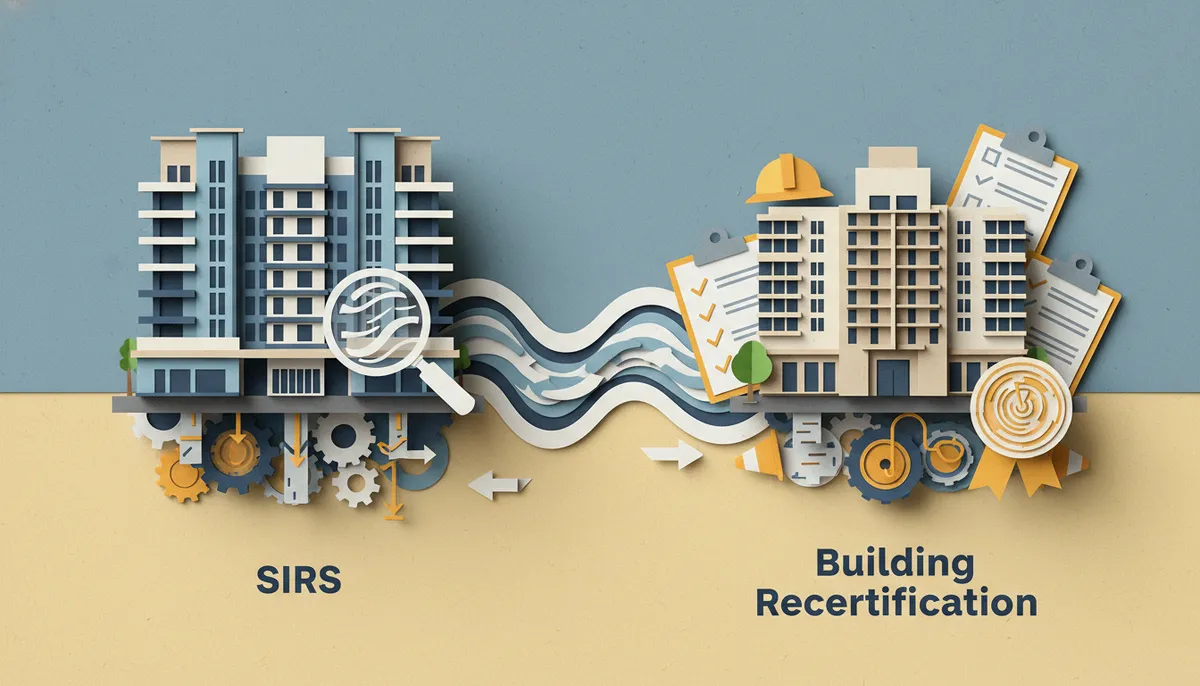
This is one of the most common points of confusion we hear from condo boards and property managers. Let’s clear it up right now. SIRS and building recertification are related but they are not the same thing.
| Feature | SIRS | Building Recertification |
|---|---|---|
| Primary Purpose | Reserve funding plan + component inspection | Verify building is safe for occupancy |
| Who Requires It | Florida state law (condo/cooperative) | Broward County / Miami-Dade County |
| Frequency | Every 10 years | Every 10 years after initial inspection |
| Trigger | Building type and story height | Building age (typically 25 years in Broward) |
| Focus | Long-term reserve funding and structural components | Structural and electrical safety of the building |
Weston is in Broward County, where buildings typically face their first recertification at age 25, and then every 10 years after that. So a building in Weston might need both a SIRS and a building recertification — and smart condo boards plan for both together. You can explore more about Broward’s requirements through resources like the 8 key steps in the building recertification process.
How SIRS and Recertification Work Together in Weston
Here’s some good news: when you plan your SIRS and your building recertification together, you can maximize efficiency and reduce costs. Both processes involve a licensed professional visually inspecting your building’s structural systems. A well-coordinated approach means less disruption for residents and a more streamlined timeline for your board.
For buildings approaching their 25-year or 40-year milestone, this is especially important. Florida building owners should know what a 40-year recertification requires so they can schedule their inspections efficiently and avoid last-minute scrambles. It’s also worth reviewing how 40-year building recertification supports long-term property value so you can communicate this to your unit owners and stakeholders.
Steps to Complete a SIRS for Your Weston Building
The SIRS process might feel overwhelming at first, but it’s very manageable when you break it into clear steps. Here’s how it typically works:
- Confirm your eligibility — Verify that your building qualifies based on its type and number of stories.
- Hire a licensed professional — Florida requires the study to be performed or supervised by a licensed engineer or architect. Choosing the right licensed building inspector is a critical first step.
- Schedule the visual inspection — The engineer will inspect all required structural and life-safety components. Using technology like drones and 3D laser scanning can speed this process significantly.
- Receive the full SIRS report — The report includes inspection findings and a detailed reserve funding plan with cost estimates for each component.
- Present findings to the board — The board must review and officially adopt the SIRS findings and adjust reserve contributions accordingly.
- Update reserves and plan for repairs — Use the report to set proper reserve funding levels. Fully funded reserves are now required under Florida law, with very limited waiver options.
What Happens If Your Association Doesn’t Complete a SIRS?
Skipping your SIRS is not a safe bet. The consequences for non-compliance are serious and can affect your entire community. Here are the key risks:
- Legal liability — Board members can face personal liability for failing to protect residents from known structural risks.
- Insurance complications — Some insurers are requiring SIRS compliance as part of underwriting for condo buildings.
- Special assessments — Without proper reserves, your association may be forced to levy large, unexpected special assessments on unit owners.
- Lender and sale issues — Buyers and their lenders are now scrutinizing reserve funding levels, and non-compliance can derail sales and financing.
- Regulatory penalties — Florida’s Division of Condominiums, Timeshares, and Mobile Homes can take action against associations that fail to comply.
Taking care of your SIRS proactively is always less expensive and less stressful than dealing with these consequences later. If foundation issues or structural concerns come up during your study, it helps to understand foundation cracks and hairline cracks in commercial buildings so you know what actions to take next.
How O’Reilly Consultants Supports Weston SIRS Compliance
Navigating SIRS and building recertification together can feel like a lot — but you don’t have to do it alone. O’Reilly Consultants is a specialized engineering team serving Broward and Miami-Dade Counties, led by qualifying architect Sherard O’Reilly and supported by engineer Catalina Torres’s 27 years of civil engineering experience and Project Engineer Rafael Ojeda’s expertise in property condition assessments.
The team uses advanced technology like drones and 3D laser scanning to deliver thorough, accurate SIRS reports and building recertification assessments. They guide you through every step — from the initial inspection notice to submitting final documentation — so your Weston condo association stays compliant and your residents stay safe. You can also explore how similar Broward communities are managing their SIRS obligations, like completing a Margate Structural Integrity Reserve Study or why Miramar condos need SIRS.
For county-level recertification guidance, the Miami-Dade County Recertification program provides official requirements and timelines that complement your SIRS planning. You can also search Miami-Dade building recertification cases to check the status of properties in your area.
Smart Tips for Weston Condo Boards Managing SIRS
Here are some practical tips to make your SIRS process go as smoothly as possible:
- Start early — Don’t wait until your deadline is approaching. Give yourself at least 6-12 months of lead time.
- Bundle services — If your building also needs a recertification inspection or a property condition assessment, ask your engineer about completing these together to save time and money.
- Communicate with residents — Keep unit owners informed about the SIRS process and what it means for reserve contributions. Transparency reduces conflict.
- Review your reserve fund now — Pull your current reserve balance and compare it against your expected repair timelines so you can identify gaps before the SIRS is complete.
- Choose the right professional — Make sure your engineer or architect has specific experience with Florida SIRS requirements and Broward County buildings. See why certified inspectors outperform general inspectors for recertification work.
Conclusion: Take Action on Your Weston SIRS Today
Weston Structural Integrity Reserves Studies (SIRS) are no longer a future concern — they’re a present responsibility for qualifying condo and cooperative buildings across Broward County. The good news is that getting compliant is absolutely achievable when you have the right team in your corner. From understanding which components need evaluation to building a solid reserve funding plan, each step you take protects your residents, your property, and your peace of mind.
We’d love to help you get started. Visit us on Google — O’Reilly Consultants to read reviews from property owners and board members across South Florida who trust us with their building safety needs. Ready to move forward? Request a free consultation with our team and let’s make your SIRS process simple, thorough, and stress-free. You can also check out our complete guide to building inspection services and recertification to see everything we offer for Weston and surrounding Broward communities.
FAQs
Q: What is a Structural Integrity Reserve Study (SIRS) in Florida?
A: A SIRS is a mandatory report required by Florida law for qualifying condo and cooperative buildings. It includes a visual inspection of key structural components and a long-term reserve funding plan to ensure associations have money set aside for future repairs. Think of it as both a safety check and a financial roadmap for your building!
Q: Does Weston, Florida require SIRS for condo buildings?
A: Yes! Weston is in Broward County, and qualifying condominium and cooperative buildings with three or more habitable stories are required to comply with Florida’s SIRS law. Many associations were required to complete their first study by December 31, 2025, and the study must be updated at least every 10 years going forward.
Q: How is a SIRS different from a building recertification in Broward County?
A: Great question — they’re related but different. A SIRS focuses on reserve funding planning and inspecting structural components, while Broward County building recertification evaluates whether the building is safe for continued occupancy. Some Weston buildings may need both, especially as they reach age milestones like 25 or 40 years.
Q: Who can perform a SIRS in Florida?
A: Florida requires that a SIRS be performed or supervised by a licensed engineer or architect with appropriate experience in structural assessments. It’s important to choose a professional who understands both Florida’s SIRS requirements and Broward County’s recertification landscape to ensure your report is complete and fully compliant.
Q: What happens if a Weston condo association skips its required SIRS?
A: Skipping your SIRS can lead to some real headaches — including legal liability for board members, insurance complications, forced special assessments on unit owners, and issues with buyers or lenders during property sales. Staying compliant is always the smarter, more affordable path forward, and the right engineering team can make the process much easier!