
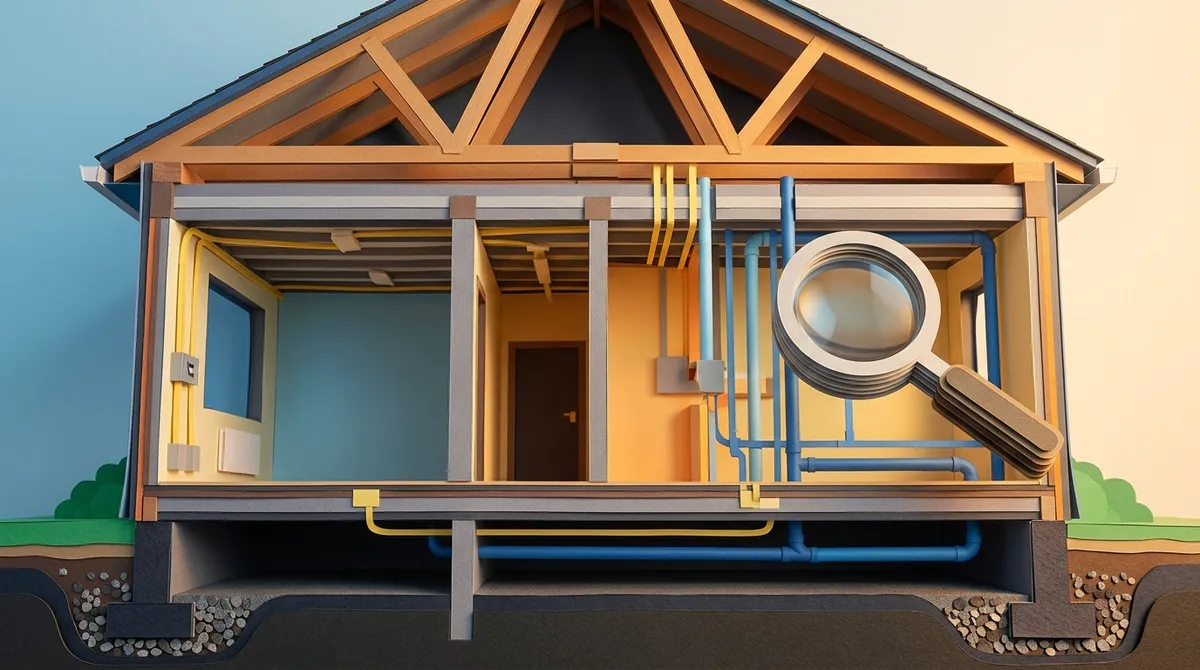
Key Takeaways
-
Lauderhill building owners must complete a PCA before county recertification deadlines to avoid fines and stop-use orders, as Broward County has strict 90-day inspection timelines for buildings at certain age thresholds.
-
A PCA follows ASTM E2018-24 standards and evaluates structural, roofing, electrical, plumbing, life safety, and site systems without destructive testing, providing lenders and owners a defensible baseline of physical condition.
-
PCA reports prioritize findings into immediate repairs (within 12 months), short-term remediation (1-3 years), and capital projections (10-20 years) with cost estimates, directly supporting reserve study planning and budget forecasting.
-
PCAs must be performed by licensed engineers or architects with ASTM E2018 expertise—not general home inspectors—to ensure thorough scope and consistency recognized by lenders and regulatory bodies.
-
PCA findings feed directly into Structural Integrity Reserve Study (SIRS) requirements for condos and HOAs, making it a cost-efficient first step before commissioning formal reserve studies.
-
Preparing for a PCA involves gathering building records, identifying known issues, scheduling full access to mechanical and roof areas, and reviewing the completed report with your property management team to build an action plan.
If you own or manage a building in Lauderhill, you already know how much is riding on keeping your property in good shape. Whether you’re preparing for a required recertification, planning major repairs, or evaluating a potential acquisition, a Lauderhill Property Condition Assessment (PCA) gives you the clear, documented picture you need. Think of it as a health check for your building — one that tells you exactly what’s working, what needs attention, and what’s coming down the road. In 2026, with South Florida’s building safety standards more rigorous than ever, having this information in hand isn’t just smart — it’s essential. Let’s walk through how a PCA works, what it includes, and how you can use it to protect your investment and stay ahead of compliance requirements.
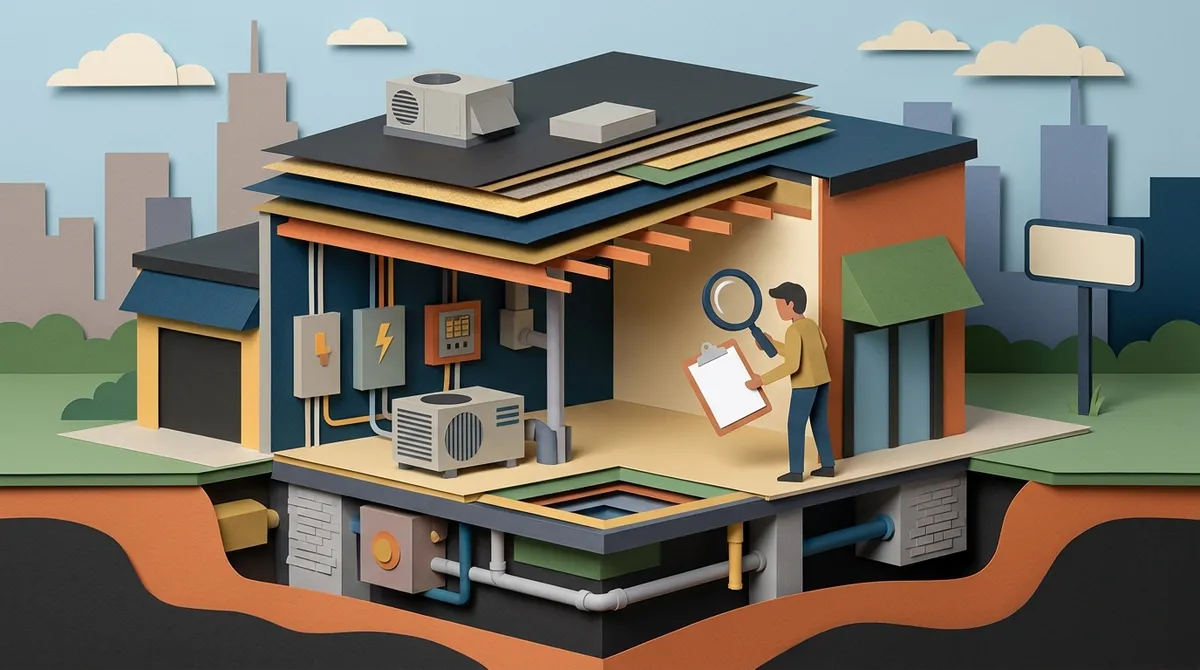
What Is a Property Condition Assessment (PCA)?
A Property Condition Assessment is a professional, visual evaluation of a building’s physical condition. It’s not a destructive investigation — no walls are opened or systems dismantled. Instead, a qualified engineer or inspector walks through the property and examines all readily accessible building components and systems. The goal is to document the current state of the building and flag anything that needs immediate repair or future attention.
PCAs follow the ASTM E2018-24 standard, which is the widely recognized framework for assessing developed commercial and multifamily properties. This gives lenders, owners, and asset managers confidence that the assessment is thorough, consistent, and defensible. If you want to learn more about how these inspections work in practice, What Does a Commercial Building Inspection Really Cover? is a great place to start.

Why Lauderhill Building Owners Need a PCA
Lauderhill sits in Broward County, where building recertification mandates have real teeth. Buildings that reach certain age thresholds are required to undergo structural and electrical inspections on a 90-day timeline. Missing a deadline can mean fines, stop-use orders, or worse. A PCA helps you get ahead of those requirements by documenting your building’s condition before the county comes knocking.
Beyond compliance, a PCA is also incredibly useful for budgeting. It gives you a detailed look at your building’s systems — roofing, structure, plumbing, electrical, life safety, and more — so you can plan repairs and capital expenditures without any surprises. For condo boards and HOA managers, this kind of forward-looking data is invaluable. You can also check your building’s status directly through the Search Miami-Dade Building Recertification Cases portal for reference.
Real estate investment firms will find a PCA equally useful when acquiring or refinancing properties. It establishes a clear baseline of physical condition — something lenders increasingly require as part of due diligence. For more on why recertification-related assessments matter long-term, take a look at The Importance Of 40 Year Building Recertification For Property Longevity.

What a Lauderhill PCA Typically Includes
A well-executed PCA covers a broad range of building systems and site features. Here’s what you can generally expect to be evaluated:
- Structural systems — foundations, columns, beams, slabs, and load-bearing walls
- Roofing — membrane condition, drainage, flashing, and signs of leakage
- Exterior walls and facades — cladding, windows, sealants, and weatherproofing
- Mechanical, electrical, and plumbing (MEP) systems — HVAC, wiring, panels, pipes, and fixtures
- Life safety systems — fire suppression, alarms, emergency lighting, and egress paths
- ADA accessibility — ramps, parking, door widths, and signage
- Site improvements — parking lots, landscaping, drainage, and sidewalks
- Interior common areas — lobbies, corridors, stairwells, and shared amenities
The inspector documents all findings with photographs and prepares a written report that prioritizes issues by urgency. If your building also needs Lauderhill Electrical Safety Inspections for Building Recertification, that work can often be coordinated alongside your PCA for efficiency.

How to Read a PCA Report
Once your PCA is complete, you’ll receive a detailed written report. Understanding how to use it is just as important as getting the assessment done. Here’s how most PCA reports are organized:
- Immediate repair items — deficiencies that pose a safety risk or require urgent action, usually within 12 months
- Short-term remediation items — repairs needed within one to three years to prevent further deterioration
- Capital replacement projections — longer-term replacements with estimated costs and timelines, often covering a 10- to 20-year window
Each category typically includes cost estimates, which is extremely helpful for budgeting purposes. Fannie Mae’s PCA framework, widely used for multifamily properties, also requires photographic documentation of representative conditions and identified repair items, so your report should include visual evidence for every major finding.
Use the immediate repair list to prioritize your maintenance budget right away. The capital projection section feeds directly into your reserve study planning — which is especially important if you’re managing a condo or HOA. Speaking of which, How to Complete Lauderhill Structural Integrity Reserve Studies is a helpful companion resource for understanding how reserve planning connects to physical condition findings.
PCA vs. Building Inspection: Understanding the Difference
A lot of property owners use these terms interchangeably, but they’re not the same thing. Here’s a quick comparison to clear things up:
| Feature | Property Condition Assessment (PCA) | Building Recertification Inspection |
|---|---|---|
| Primary purpose | Due diligence, capital planning, condition baseline | Regulatory compliance and safety verification |
| Triggered by | Owner request, lender requirement, acquisition | County mandate based on building age |
| Scope | All accessible systems and site features | Structural and electrical systems (primarily) |
| Output | PCA report with cost estimates and reserves | Recertification report submitted to county |
| Standard | ASTM E2018-24 | Florida Building Code and local ordinances |
Both types of assessments are valuable — and in many cases, completing a PCA before your recertification deadline is a smart move. It gives you a complete picture of your building so there are no surprises when the licensed engineer shows up for the official inspection. For more context on how recertification inspections work, 8 Key Steps in the Building Recertification Process (2026) walks you through the full process step by step.
Step-by-Step: How to Prepare for a Lauderhill PCA
Getting ready for a PCA doesn’t have to be stressful. Here’s a simple process to follow:
- Gather your building records. Pull together any existing inspection reports, permits, maintenance logs, and repair histories. The more documentation you provide, the more context your assessor has.
- Identify known issues. Make a list of any problems you’re already aware of — leaks, cracks, aging equipment, or deferred maintenance. This helps the assessor focus on areas of concern.
- Schedule access to all areas. Make sure the assessor can get into mechanical rooms, rooftops, crawl spaces, and common areas. Locked or inaccessible areas will be noted as limitations in the report.
- Notify tenants if needed. For occupied buildings, a brief heads-up to residents or tenants is courteous and reduces friction during the site visit.
- Review the report with your team. Once the PCA report is delivered, sit down with your property manager, board, or asset manager to walk through the findings and build an action plan.
If your building is approaching a recertification milestone, this preparation process also applies. The 40-Year Building Recertification: What Florida Owners Must Know guide gives excellent context for what to expect at that threshold.
Who Performs a PCA in Lauderhill?
A PCA should always be performed by a licensed engineer, architect, or qualified building professional with experience in ASTM E2018 assessments. This is not a job for a general home inspector — the scope and complexity require specialized expertise.
At O’Reilly Consultants, the team is led by owner and qualifying architect Sherard O’Reilly, who brings deep experience in ASTM E2018 property condition assessments. The team also includes Construction Manager and Engineer Catalina Torres with 27 years of civil engineering experience, and Project Engineer Rafael Ojeda, who has completed over 1,000 Phase I Environmental Site Assessments across South Florida. This is a team that genuinely knows what they’re looking at — and they serve both Broward and Miami-Dade Counties. You can reach out for a free consultation to get started, or read O’Reilly Consultants reviews on Google to see what other property owners have experienced.
For guidance on choosing the right professional for your building’s needs, How to Choose Licensed Building Inspectors for Recertification is a must-read.
How a PCA Connects to Your Long-Term Recertification Strategy
Think of a PCA as the foundation of your long-term building management strategy. The data it produces feeds directly into your reserve study, repair planning, insurance renewals, and recertification submissions. In Broward County, where Miami-Dade County Recertification standards continue to influence local policies, staying ahead of your building’s physical condition is the single best way to avoid costly surprises.
For multifamily buildings and condos, a PCA also supports your Structural Integrity Reserve Study (SIRS) requirements. Many of the same systems evaluated in a PCA overlap with SIRS scope, which means you can use PCA findings to inform your reserve funding plan. Learn how these connect at How to Complete Lauderhill Structural Integrity Reserve Studies.
The bottom line is simple: proactive buildings stay safer, stay compliant, and hold their value better over time. A Lauderhill Property Condition Assessment is one of the smartest investments you can make — and it pays dividends for years. For a complete overview of recertification and assessment services available to you, visit Building Inspection Services: Your Guide to Recertification.
Conclusion
A Lauderhill Property Condition Assessment gives you clarity, confidence, and a clear path forward — whether you’re managing a condo building, overseeing a commercial portfolio, or preparing for a required recertification. It documents your building’s current condition, prioritizes repairs, and sets you up for smarter long-term planning. With South Florida’s building safety environment more demanding than ever in 2026, there’s simply no downside to knowing exactly where your property stands.
Ready to take the next step? Request a free quote from O’Reilly Consultants today and let our licensed team walk you through the full PCA process — from the initial site visit to a final report you can actually use.
FAQs
Q: What is a Property Condition Assessment (PCA) and how does it relate to building recertification in Lauderhill?
A: A PCA is a visual, walk-through evaluation of a building’s physical condition that documents the state of major systems like structure, roofing, electrical, plumbing, and life safety. In Lauderhill, it’s especially useful as a preparation tool before required recertification inspections — giving owners a clear picture of what needs to be repaired or upgraded before the county’s official review.
Q: How long does a Lauderhill Property Condition Assessment typically take?
A: The site visit portion of a PCA usually takes a few hours to a full day depending on the size and complexity of the building. Report preparation typically follows within one to two weeks, giving you a detailed written document with findings, photographs, and cost estimates.
Q: Who needs a Property Condition Assessment in Lauderhill?
A: PCAs are useful for a wide range of property stakeholders — including condo boards, apartment building owners, commercial property owners, HOA managers, and real estate investors. Lenders often require a PCA as part of financing or refinancing due diligence, and building owners benefit from the capital planning data it provides well before any recertification deadline.
Q: What standard is used for Property Condition Assessments in commercial real estate?
A: Most professional PCA providers follow the ASTM E2018-24 standard, which sets the framework for evaluating developed commercial and multifamily properties. This standard ensures the assessment is consistent, thorough, and recognized by lenders, investors, and regulatory bodies across South Florida and beyond.
Q: How does a PCA help with reserve planning and SIRS requirements in Lauderhill?
A: A PCA produces detailed capital expenditure projections that map out repair and replacement costs over a 10- to 20-year window — data that feeds directly into your Structural Integrity Reserve Study (SIRS) and long-term budgeting. For condo boards and HOA managers, this overlap makes a PCA a smart first step before commissioning a formal reserve study.