

Key Takeaways
-
Broward County requires buildings meeting age/size thresholds to undergo recertification at 30 years and every 10 years after, with a 90-day inspection window, making a PCA conducted 1-2 years before deadline critical for completing required repairs on time.
-
A Property Condition Assessment follows ASTM E2018-24 standards and includes document review, on-site interviews, visual inspections, and a detailed Property Condition Report with repair cost estimates, remaining useful life projections, and photographic documentation.
-
The PCA report identifies immediate repairs over $3,000, short-term needs within 1-2 years, capital reserve estimates for 5-10 years, and supports both county recertification compliance and lender/insurance requirements for older buildings.
-
Most commercial and multi-family properties need a full PCA every 3-5 years; high-use facilities should assess every 3 years, while lower-traffic properties may extend to 7-10 years between full assessments.
-
Choose PCA providers with ASTM E2018 experience, licensed engineers/architects, advanced inspection technology (drone/3D scanning), local South Florida knowledge, and full-service capabilities to ensure thorough, accurate assessments aligned with Broward County codes.
-
A PCA covers structural systems, roofing, exterior walls, MEP systems, life safety systems, pavements, and accessibility features; South Florida’s heat, humidity, and storm exposure make the exterior envelope and structural systems particularly critical for Lazy Lake properties.
If you own or manage a building in Lazy Lake, you already know this tiny Broward County village packs a lot of responsibility into a small footprint. Whether you’re sitting on a condo board, managing an HOA, or holding commercial property, keeping your building safe and compliant is a top priority. That’s where a Lazy Lake Property Condition Assessment (PCA) comes in. A PCA gives you a clear, honest picture of your building’s health — from the roof down to the foundation — so you can plan repairs, budget wisely, and stay ahead of county requirements. In 2026, with Broward County’s recertification mandates in full effect, getting a proper PCA isn’t just smart — it may be required. This guide walks you through six key things every Lazy Lake property owner or manager should know about property condition assessments and how they connect to building recertification.
1. What a Property Condition Assessment Actually Is
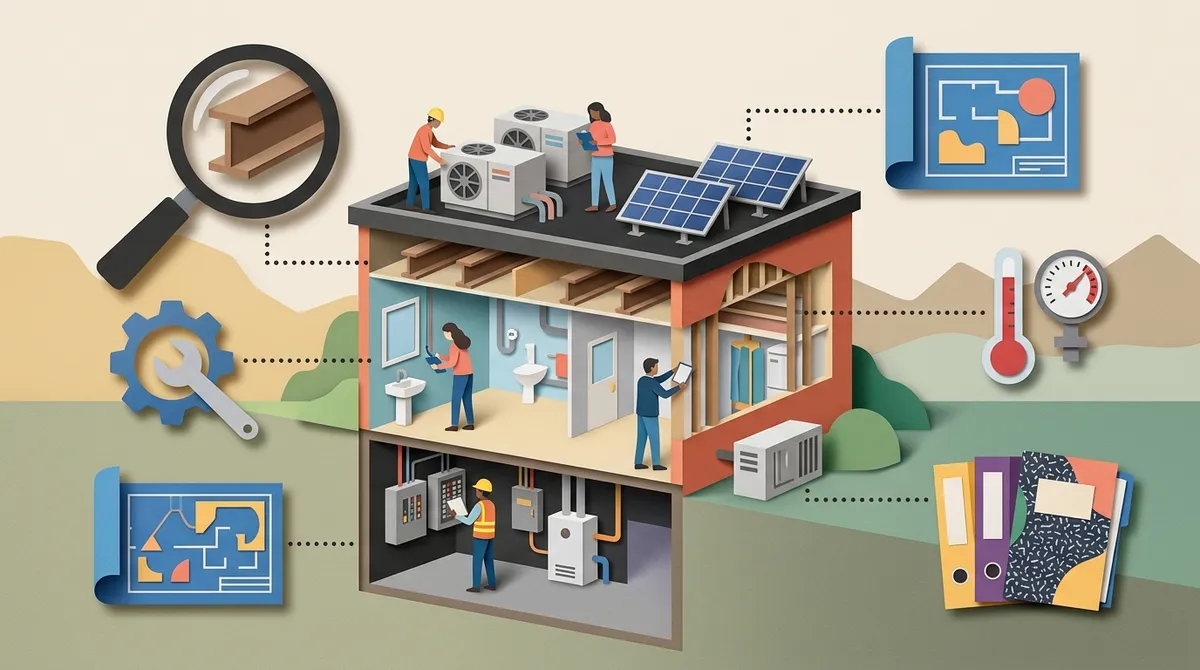
A Property Condition Assessment is a structured, non-invasive inspection of a building’s physical condition. A trained inspector walks through the property, reviews readily accessible systems and components, and documents what they find. Think of it like a thorough wellness checkup for your building.
The process typically includes four key steps:
- Document review — Examining existing plans, permits, and maintenance records
- On-site interview — Speaking with property managers or owners about known issues
- Visual site inspection — Walking through all accessible areas of the building and site
- Written report — Delivering a Property Condition Report (PCR) with findings, repair cost estimates, and recommendations
The industry standard for conducting a PCA is ASTM E2018-24, which sets the guidelines for what gets reviewed and how results are reported. At O’Reilly Consultants, the team is well-versed in ASTM E2018 protocols, led by owner and qualifying architect Sherard O’Reilly, who brings deep expertise in meticulous building documentation and assessment methodology.

2. What Gets Inspected During a Lazy Lake PCA
A solid PCA covers a wide range of building systems and site features. Here’s what inspectors typically review:
- Structural systems — Foundations, columns, beams, and load-bearing walls
- Roofing — Condition, age, drainage, and signs of leaks or deterioration
- Exterior walls and facades — Cracks, spalling, moisture intrusion, and coating integrity
- MEP systems — Mechanical, electrical, and plumbing infrastructure
- Pavements and sitework — Parking lots, walkways, drainage, and landscaping
- Life safety systems — Fire suppression, alarms, exit lighting, and emergency systems
- Accessibility — ADA compliance features
For Lazy Lake properties, the exterior envelope and structural systems often draw the most attention. South Florida’s heat, humidity, and storm exposure accelerate wear on these components. If you want to dig deeper into what structural inspections involve, check out this helpful resource on understanding foundation cracks and hairline cracks in commercial buildings.
You can also learn more about the broader scope of what gets covered by reading what a commercial building inspection really covers.

3. How a PCA Connects to Building Recertification
Here’s where it gets really important for Lazy Lake property owners. Broward County requires buildings that meet certain age and size thresholds to undergo building recertification. This process verifies that a structure is still safe and meets current code standards.
A Lazy Lake Property Condition Assessment ties directly into this process. Here’s how:
- It identifies deficiencies early — Before your recertification deadline, a PCA flags repairs that must be made to pass inspection.
- It supports capital planning — The report estimates repair costs and remaining system lifespans, helping you budget for future expenses.
- It streamlines the recertification process — Having thorough documentation in hand speeds up the formal inspection and report submission.
- It satisfies lender and insurance requirements — Many lenders and insurers require a current PCA before financing or renewing coverage on older buildings.
To understand the full recertification timeline and requirements, explore 8 key steps in the building recertification process for 2026. You can also review what building recertification is and why it matters for a solid foundation.
| PCA Component | Recertification Relevance | Priority Level |
|---|---|---|
| Structural systems review | Required for 40-year recertification | High |
| Electrical systems review | Required for electrical recertification | High |
| Roof condition assessment | Flags safety and waterproofing concerns | Medium-High |
| Life safety systems | Code compliance verification | High |
| Sitework and pavements | Accessibility and drainage compliance | Medium |
| MEP systems | Supports overall building safety review | Medium-High |

4. How Often Lazy Lake Properties Need a PCA
Timing matters. Industry guidance suggests that most commercial and residential properties benefit from a full PCA every 3 to 5 years for proactive maintenance planning. High-use facilities like community centers or mixed-use buildings should consider an assessment closer to every 3 years. Lower-traffic properties may be able to stretch to 7 to 10 years between full assessments.
For Lazy Lake buildings subject to Broward County’s recertification mandates, the schedule looks like this:
- Buildings reaching 30 years of age must begin the recertification process
- Subsequent recertifications are required at 10-year intervals after that
- County notices are issued with a 90-day window to complete the inspection and submit documentation
- A PCA conducted 1 to 2 years before your recertification deadline gives you time to complete any required repairs
Getting ahead of this timeline is always the smarter play. If you’re approaching a milestone birthday for your building, don’t wait for the county notice to land in your mailbox. Learn more about what Florida building owners must know about 40-year building recertification.
The Miami-Dade County Recertification program offers helpful guidance on how these mandates work across South Florida, and you can also search Miami-Dade Building Recertification Cases to check the status of recertification filings in the area.
5. What the Property Condition Report Tells You
After the on-site visit, your inspector delivers a Property Condition Report (PCR). This document is the real deliverable — and it’s packed with useful information. Here’s what a well-prepared PCR includes:
- Executive summary — A snapshot of the building’s overall condition and key concerns
- System-by-system findings — Detailed notes on every major component inspected
- Immediate repair items — Deficiencies typically costing $3,000 or more to fix that require urgent attention
- Short-term repair needs — Issues likely to arise within 1 to 2 years
- Capital reserve estimates — Projected costs for major system replacements over the next 5 to 10 years
- Remaining useful life estimates — How much life is left in the roof, HVAC, electrical panels, and other key systems
- Photographic documentation — Images of all noted deficiencies
This report gives condo boards, property managers, and investors the information they need to make smart decisions. For condo associations in Lazy Lake, it also supports the Structural Integrity Reserve Study (SIRS) process. Read more about why Lazy Lake needs Structural Integrity Reserve Studies and how SIRS and PCAs work together.
Curious about how property condition assessments work in neighboring communities? Check out Hollywood Property Condition Assessments and Lauderdale-by-the-Sea Property Condition Assessments for comparison.
6. Choosing the Right PCA Provider for Lazy Lake Buildings
Not all property condition assessments are created equal. The quality of your PCR depends on the experience and tools your inspection team brings to the job. When evaluating providers, look for these qualities:
- ASTM E2018 experience — Your inspector should follow this standard precisely and be able to explain their methodology
- Licensed engineers and architects — Florida recertification submissions require licensed professionals
- Advanced inspection technology — Drone inspections and 3D laser scanning catch what the naked eye misses, especially on roofs and facades
- Local South Florida knowledge — Inspectors familiar with Broward County codes and climate-related building challenges deliver more accurate assessments
- Clear, actionable reports — Your PCR should be easy to understand and include specific repair cost estimates, not vague observations
- Full-service capabilities — A team that handles PCAs, recertification inspections, electrical assessments, and SIRS under one roof saves you time and coordination headaches
O’Reilly Consultants checks all of these boxes. Their team includes Construction Manager and Engineer Catalina Torres with 27 years of civil engineering experience, and Project Engineer Rafael Ojeda with over 1,000 Phase I Environmental Site Assessments completed across South Florida. This depth of expertise means your Lazy Lake PCA is thorough, accurate, and built to support your recertification goals. You can visit O’Reilly Consultants on Google to read reviews and learn more about their services from real clients.
For tips on finding qualified inspectors, read how to choose licensed building inspectors for recertification and explore the difference between certified vs. general inspectors for building recertification.
Putting It All Together for Lazy Lake Properties
A Lazy Lake Property Condition Assessment is one of the most valuable tools available to building owners and managers in Broward County. It gives you a clear view of where your property stands, what repairs are needed, how much they’ll cost, and how to stay ahead of recertification deadlines.
Whether you’re a condo board chair preparing for a 40-year recertification, a property manager navigating a 90-day inspection window, or a real estate investor protecting the value of an aging asset, a well-executed PCA is your best first move. It takes the guesswork out of building management and replaces it with documented facts and a clear action plan.
You don’t have to figure this out alone. The team at O’Reilly Consultants is ready to walk you through the entire process — from the initial assessment to final recertification submission. Ready to get started? Request your free quote today and take the first step toward a safer, fully compliant building in Lazy Lake.
FAQs
Q: What is included in a Lazy Lake Property Condition Assessment (PCA)?
A: A Lazy Lake PCA covers a wide range of building systems, including structural components, roofing, exterior walls, mechanical and electrical systems, life safety features, and site elements like pavements and drainage. The inspector delivers a written Property Condition Report (PCR) with findings, photos, repair cost estimates, and remaining useful life projections for major systems. It’s essentially a head-to-toe health report for your building!
Q: How is a PCA different from a standard building inspection?
A: A PCA is broader and more strategic than a typical building inspection. While a standard inspection often focuses on code compliance for a specific transaction, a PCA evaluates the overall physical condition of the property and estimates long-term capital needs. Think of it as the difference between a quick checkup and a full health assessment — both are useful, but a PCA gives you a much bigger picture.
Q: How does a PCA support building recertification in Lazy Lake?
A: A PCA identifies deficiencies before your recertification deadline, so you have time to complete required repairs and avoid fines or failed inspections. The detailed documentation in the Property Condition Report also streamlines the formal recertification process and satisfies lender and insurance requirements. In short, it sets you up for a smoother, less stressful recertification experience.
Q: How often should Lazy Lake properties get a Property Condition Assessment?
A: Industry guidance recommends a full PCA every 3 to 5 years for most commercial and multi-family properties, with high-use buildings benefiting from more frequent assessments. For buildings approaching recertification milestones under Broward County mandates, scheduling a PCA 1 to 2 years ahead of your deadline is a smart way to stay proactive and avoid last-minute surprises.
Q: What does a Property Condition Report (PCR) tell me about my building?
A: Your PCR will outline immediate repair needs, short-term maintenance priorities, capital reserve projections, and remaining useful life estimates for major building systems. It also includes photographic documentation of all noted deficiencies, making it easy to share findings with your board, lender, or insurer. It’s a practical roadmap that helps you manage your property with confidence and clarity.