
Key Takeaways
-
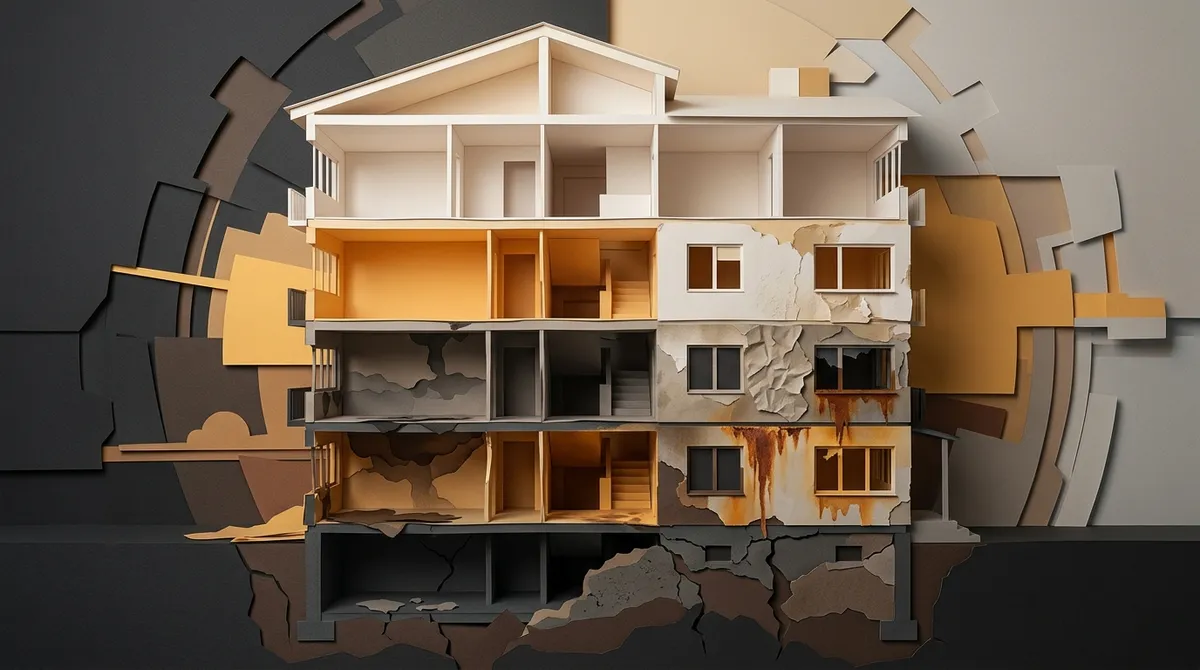
West Park buildings must undergo recertification at specific milestones in Broward County; a PCA documents current conditions and flags issues before they become code violations, directly supporting compliance readiness.
-
PCAs must be conducted by licensed engineers or architects with specific ASTM E2018-24 expertise; hiring unqualified inspectors results in missed deficiencies and incomplete reporting that undermines the assessment’s value.
-
PCA findings should immediately inform capital planning and reserve studies; ignoring lifecycle cost projections leaves HOAs and condo associations unprepared for major system failures and unexpected emergency repairs.
-
Always obtain a PCA before real estate transactions and recertification deadlines; hidden deficiencies like failing roofs or deteriorating structural elements can dramatically affect property value and negotiating position.
-
PCA reports require periodic revisiting every few years as building conditions change; treating a single assessment as permanent documentation fails to capture new deficiencies that develop over time.
-
Acting on PCA recommendations is critical; deferred maintenance from ignored findings becomes emergency repairs, failed recertifications become fines, and small problems escalate into expensive crises.
If you own or manage a building in West Park, Florida, a Property Condition Assessment (PCA) is one of the most important steps you can take for your property. Whether you’re planning a real estate transaction, preparing for 40-year building recertification, or simply planning ahead for maintenance costs, a PCA gives you a clear picture of your building’s physical health. But here’s the thing — many property owners make avoidable mistakes during this process that end up costing them time, money, and serious headaches. Let’s walk through 11 common PCA mistakes West Park building owners make, so you can dodge them entirely and get the most value from your assessment.
What Is a West Park Property Condition Assessment (PCA)?
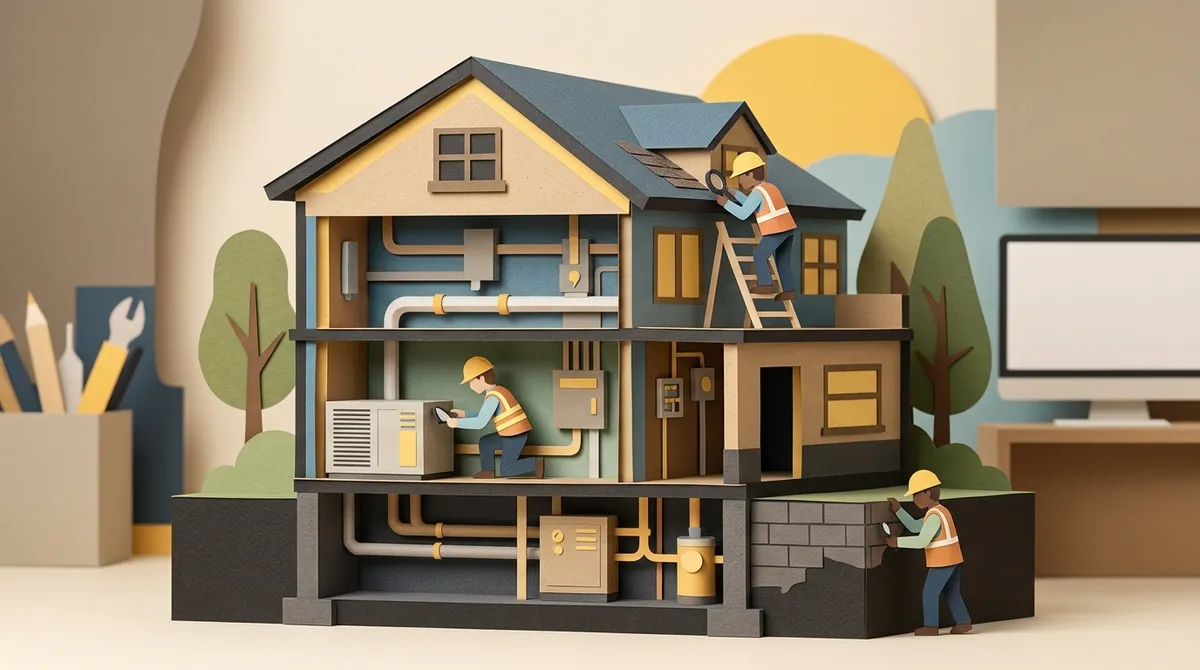
A West Park Property Condition Assessment is a structured, visual evaluation of a building’s major physical systems and components. Think of it as a thorough health check for your property. A licensed professional walks through the building and reviews all readily accessible areas — without tearing anything apart or doing destructive testing.
The assessment typically covers roofing, structural elements, HVAC, plumbing, electrical systems, elevators, fire suppression systems, interiors, accessibility features, and site conditions. The resulting report identifies physical deficiencies, estimates remaining useful life for key components, and projects repair or replacement costs. These details are invaluable for budgeting, financing, and compliance planning. You can also learn more by reviewing what a commercial building inspection really covers.

Why PCAs Matter in West Park’s Building Recertification Process
West Park falls within Broward County, where aging buildings face strict inspection mandates. Broward County requires buildings to undergo recertification at specific milestones — and a well-executed PCA supports that process by documenting current conditions and flagging issues before they become code violations. You can check the Miami-Dade County Recertification portal to understand how similar mandates work across South Florida.
A PCA is also governed by ASTM E2018-24, the current industry standard for property condition assessments. This standard ensures a consistent, professional approach that lenders, investors, and county officials can trust. Understanding what building recertification means and why it matters helps you see exactly where a PCA fits into the bigger compliance picture.
The 11 Mistakes West Park Property Owners Must Avoid
Mistake 1: Hiring an Unqualified Inspector
Not everyone who calls themselves a building inspector is qualified to perform a proper PCA. Look for licensed engineers or architects with specific experience in property condition assessments. The ASTM E2018-24 standard requires inspectors to have documented expertise. Read about how to choose licensed building inspectors for recertification before you hire anyone.
Mistake 2: Confusing a PCA with a Phase I Environmental Assessment
These two reports serve completely different purposes. A PCA focuses on your building’s physical condition — what’s broken, worn out, or aging. A Phase I Environmental Site Assessment looks at environmental liability and contamination risks. They are complementary but not interchangeable. Make sure you order the right one for your specific need.
Mistake 3: Skipping the PCA Before a Real Estate Transaction
Many buyers and sellers skip the PCA to save time or money during a deal. This is a costly gamble. A PCA can reveal hidden deficiencies — like a failing roof or deteriorating structural elements — that dramatically affect the property’s value and your negotiating position. Always get a PCA during due diligence.
Mistake 4: Treating the PCA Report as a One-Time Document
A PCA report has a shelf life. Building conditions change, systems age, and new deficiencies develop. Many West Park owners get one PCA and then file it away forever. Revisiting your PCA findings every few years — especially as your building approaches recertification milestones — keeps you ahead of problems.
Mistake 5: Not Using PCA Findings for Capital Planning
One of the most valuable outputs of a West Park Property Condition Assessment is the lifecycle cost projection. This tells you how much money to set aside for future repairs and replacements. Ignoring this data leaves your HOA or condo association scrambling when a major system fails unexpectedly. Pair your PCA findings with a reserve study for complete financial preparedness. You can explore how SIRS vs. Standard Reserve Studies apply to West Park for complementary financial planning tools.
Mistake 6: Overlooking Electrical System Evaluations
Electrical systems are one of the most critical components in any building assessment, yet owners often underestimate their significance. Outdated or deficient electrical systems can trigger failed recertification and create serious safety hazards. Make sure your PCA thoroughly covers electrical infrastructure. You can also review guidance on how to pass West Park electrical safety inspections as a complementary resource.
Mistake 7: Ignoring Structural Deficiency Findings
When a PCA flags structural concerns — cracks, settlement, spalling concrete — some owners minimize these findings hoping the issues will stabilize on their own. That’s rarely the case. Structural deficiencies tend to worsen over time, and failing to address them can lead to failed recertification, unsafe conditions, and significant liability. Learn more about understanding foundation cracks and hairline cracks in commercial buildings.
Mistake 8: Not Sharing the PCA Report with Your HOA or Condo Board
If your building is managed by an HOA or condo association, the PCA findings should be shared with the board and incorporated into long-term maintenance planning. Keeping the report siloed with one person creates gaps in decision-making and delays needed repairs. Transparency leads to better outcomes for everyone.
Mistake 9: Rushing the Assessment to Meet a Deadline
A PCA takes time to do properly. Rushing an inspector through your building to meet a tight deadline often results in missed deficiencies and incomplete reporting. Plan ahead and schedule your West Park Property Condition Assessment well before any recertification deadline or transaction closing date. If you need help understanding timelines, review the 8 key steps in the building recertification process for 2026.
Mistake 10: Assuming All Systems Were Inspected Equally
A PCA is a visual, walk-through assessment — not every system gets the same depth of scrutiny. Owners sometimes assume that because a system wasn’t flagged, it’s in perfect condition. In reality, some components may have been inaccessible or only partially reviewed. Ask your inspector to clearly document what was and wasn’t accessible during the assessment.
Mistake 11: Not Acting on the Recommendations
This is perhaps the most common and damaging mistake of all. A PCA report is only valuable if you act on its findings. Some owners receive a detailed report full of actionable recommendations and simply do nothing. Deferred maintenance becomes emergency repairs, failed recertifications become fines, and small problems become expensive crises. Use your PCA as a living action plan.
What a Thorough West Park PCA Covers
A well-executed Property Condition Assessment in West Park covers a wide range of building systems and site features. Here’s a quick overview of what to expect:
- Roofing: Condition, age, remaining useful life, drainage performance
- Structural systems: Foundation, slabs, columns, beams, and visible structural components
- HVAC systems: Age, condition, efficiency, maintenance history
- Plumbing: Pipes, fixtures, water heaters, drainage systems
- Electrical systems: Panels, wiring, outlets, and code compliance indicators
- Fire suppression and life safety: Sprinklers, alarms, extinguishers, exit lighting
- Elevators and vertical transport: Condition, certifications, and service records
- Accessibility: ADA compliance features and deficiencies
- Interiors: Flooring, ceilings, walls, windows, and doors
- Site features: Parking areas, drainage, landscaping, signage, and fencing
How PCA Findings Connect to Building Recertification
In Broward County, buildings that reach their recertification milestone must demonstrate structural and electrical safety. A PCA that has been conducted proactively can support this process by documenting current conditions, flagging issues to address before the formal inspection, and showing county officials that the building is actively maintained. If your building hasn’t been through recertification before, reading about 40-year building recertification and what Florida owners must know is a great starting point.
You can also use the Miami-Dade Building Recertification Case Search to check the status of recertification cases in the region. While West Park falls under Broward County jurisdiction, understanding Miami-Dade’s processes gives helpful context for how South Florida recertification works more broadly.
PCA vs. Standard Building Inspection: Key Differences
| Feature | Property Condition Assessment (PCA) | Standard Building Inspection |
|---|---|---|
| Primary Purpose | Capital planning, transactions, recertification support | Code compliance, safety verification |
| Governing Standard | ASTM E2018-24 | Local building codes |
| Scope | Broad — all major systems and site features | Varies — often structural and electrical focus |
| Cost Projections | Yes — includes lifecycle cost estimates | Rarely included |
| Used By | Owners, buyers, lenders, investors, HOAs | Property owners, local authorities |
| Destructive Testing | No — visual walk-through only | Sometimes required for structural assessment |
When Should West Park Property Owners Order a PCA?
There are several situations where ordering a West Park Property Condition Assessment makes clear sense. Here are the most common trigger points:
- Before purchasing a commercial property — Identify all deficiencies before closing so you can negotiate accordingly or walk away from a bad deal.
- Before a building recertification milestone — Use the PCA to catch and resolve issues before the formal county inspection.
- When applying for a commercial loan or refinancing — Many lenders require a PCA as part of their due diligence process.
- When developing a long-term capital plan — Use lifecycle cost projections to build a realistic maintenance and reserve budget.
- After a major weather event or disaster — Assess damage systematically and document it for insurance and repair planning purposes.
How O’Reilly Consultants Supports West Park PCA Needs
When it comes to West Park Property Condition Assessments, O’Reilly Consultants brings a highly specialized team to every project. Owner and qualifying architect Sherard O’Reilly has deep experience in ASTM E2018 property condition assessments, covering everything from facades and fire systems to utilities and site characteristics. The team also includes Construction Manager and Engineer Catalina Torres, with 27 years of civil engineering experience, and Project Engineer Rafael Ojeda, who has completed over 1,000 Phase I Environmental Site Assessments across South Florida.
O’Reilly Consultants uses advanced tools like drones and 3D laser scanning to deliver thorough, accurate assessments that go beyond the visual walk-through minimum. This means you get a report that is genuinely useful — not just a checklist. Visit O’Reilly Consultants on Google to read reviews from building owners and property managers across Broward and Miami-Dade Counties.
PCA Costs and Timeline: What to Expect
The cost of a West Park Property Condition Assessment varies depending on building size, complexity, and the depth of reporting required. Larger commercial buildings with multiple systems and more square footage naturally take more time and cost more to assess thoroughly.
- Initial scoping: The inspector reviews available building documents, drawings, and maintenance records before the site visit.
- Site visit: A thorough walk-through of all accessible building systems and site features, typically taking several hours to a full day depending on building size.
- Report preparation: The inspector compiles findings, photographs, cost estimates, and lifecycle projections into a formal PCA report.
- Report delivery and review: You receive the completed report and have an opportunity to ask questions or request clarification on specific findings.
For most commercial buildings in West Park, the full process from scheduling to report delivery typically takes one to three weeks. Planning ahead is always the best approach. If you’re not sure where to start, you can reach out to request a free quote and get expert guidance specific to your property type and timeline.
Comparing PCA Services Across Broward County Communities
West Park property owners aren’t alone in navigating the PCA process. Communities throughout Broward County are dealing with similar requirements and challenges. You can explore how these assessments are handled in neighboring areas:
- Hollywood Property Condition Assessments (PCA)
- Miramar Property Condition Assessment resources
- Pembroke Pines Property Condition Assessments
- Hallandale Beach PCA vs. Building Inspection guidance
- Davie Property Condition Assessments (PCA)
Seeing how the process works across communities helps you benchmark your own building’s compliance readiness and understand what a high-quality PCA report should look like.
Final Thoughts: Don’t Let These Mistakes Set You Back
A West Park Property Condition Assessment is one of the smartest investments you can make as a building owner or property manager. It protects your financial interests, supports building recertification compliance, and helps you plan confidently for the future. The 11 mistakes covered in this article are completely avoidable when you work with the right team and approach the process proactively.
Don’t wait until a recertification deadline is looming or a real estate deal is on the line. Getting ahead of your building’s physical condition is always the better path. Whether you manage a condo association, a commercial property, or an apartment building in West Park, the time to act is now.
Ready to get started? Schedule your West Park Property Condition Assessment with O’Reilly Consultants today, or give us a call at (512) 567-1191 to speak directly with a licensed professional about your building’s needs.
FAQs
Q: What is included in a West Park Property Condition Assessment (PCA)?
A: A West Park PCA covers all major building systems through a visual walk-through, including roofing, structural components, HVAC, plumbing, electrical systems, elevators, fire suppression, interiors, accessibility features, and site conditions. The report also estimates remaining useful life and projected repair or replacement costs for each component — great information to have for budgeting and planning!
Q: How does a PCA support building recertification in West Park?
A: A PCA proactively documents your building’s physical condition, helping you identify and fix deficiencies before your formal recertification inspection. This means fewer surprises, faster compliance, and a much smoother process overall — which is always a win for building owners and condo boards.
Q: How is a PCA different from a standard building inspection?
A: A PCA is broader in scope and is governed by ASTM E2018-24, covering all major systems along with lifecycle cost projections. A standard building inspection typically focuses on code compliance and safety verification without the capital planning depth that a PCA provides. Both are useful, but they serve different purposes.
Q: When should a West Park property owner order a PCA?
A: You should order a PCA before purchasing a commercial property, ahead of a recertification milestone, when applying for a commercial loan, when building a capital plan, or after a major weather event. The earlier you get one, the more time you have to address any findings without stress or rushed decision-making.
Q: What standard governs Property Condition Assessments?
A: PCAs are currently governed by ASTM E2018-24, the industry standard for property condition assessments in the United States. This standard ensures a consistent, professional approach that lenders, investors, county officials, and HOAs can all rely on with confidence.