
Key Takeaways
-
Florida law now prohibits reserve waivers for structural components identified in a SIRS study as of December 31, 2024, requiring West Park condos to fully fund reserves for roofs, load-bearing walls, and waterproofing with no shortcuts.
-
West Park condo buildings with three or more habitable stories and more than four residential units must conduct a Structural Integrity Reserve Study (SIRS), not just a standard reserve study, with the initial deadline having passed on December 31, 2025.
-
A SIRS requires evaluation of eight specific structural components including roof systems, load-bearing walls, fireproofing, plumbing, electrical systems, waterproofing, windows/doors, and items over $25,000 affecting structural integrity.
-
Only Florida-licensed engineers or architects with condo/HOA experience can legally perform a SIRS; hiring unqualified inspectors can result in rejected assessments that insurers and lenders won't accept.
-
SIRS findings directly impact your building's 10-, 25-, or 40-year recertification process, meaning structural repairs identified must often be completed before recertification approval, so both processes should be managed together.
-
West Park associations must update their SIRS every 10 years and potentially sooner after major storms or significant repairs, requiring boards to set calendar reminders and work with consistent inspection partners to maintain compliance.
If you sit on a condo board in West Park, you’ve probably heard the term “reserve study” tossed around a lot lately. But here’s the thing: not all reserve studies are created equal, and mixing them up can cost your association big time. Since Florida changed the rules in 2024 and 2025, West Park HOA reserve studies now come with sharper teeth and less wiggle room for boards that want to skip corners.
We know this stuff can feel overwhelming. Between deadlines, engineering jargon, and board members who just want a straight answer, it’s easy to make a costly slip. That’s why we put together this friendly guide covering the nine biggest mistakes West Park boards make with reserve studies, so you can dodge them and keep your building safe, compliant, and financially sound.
Whether you’re managing a cozy four-story condo or overseeing a larger property, this article walks you through what really matters. Let’s get into it together, one mistake at a time.

Mistake 1: Confusing a Standard Reserve Study With a SIRS
This is the number one mix-up we see. A standard reserve study is a financial planning tool. It helps your association budget for general repairs like repaving a parking lot or repainting hallways.
A Structural Integrity Reserve Study, or SIRS, is completely different. It’s an engineering-based safety assessment required under Florida Statute 718.112(2)(g). SIRS looks specifically at structural components that keep your building standing safely for years to come. If your West Park condo board is treating these two studies as interchangeable, you’re setting yourself up for compliance trouble. Our team breaks this down in detail in SIRS vs. Standard Reserve Studies: What West Park Needs.
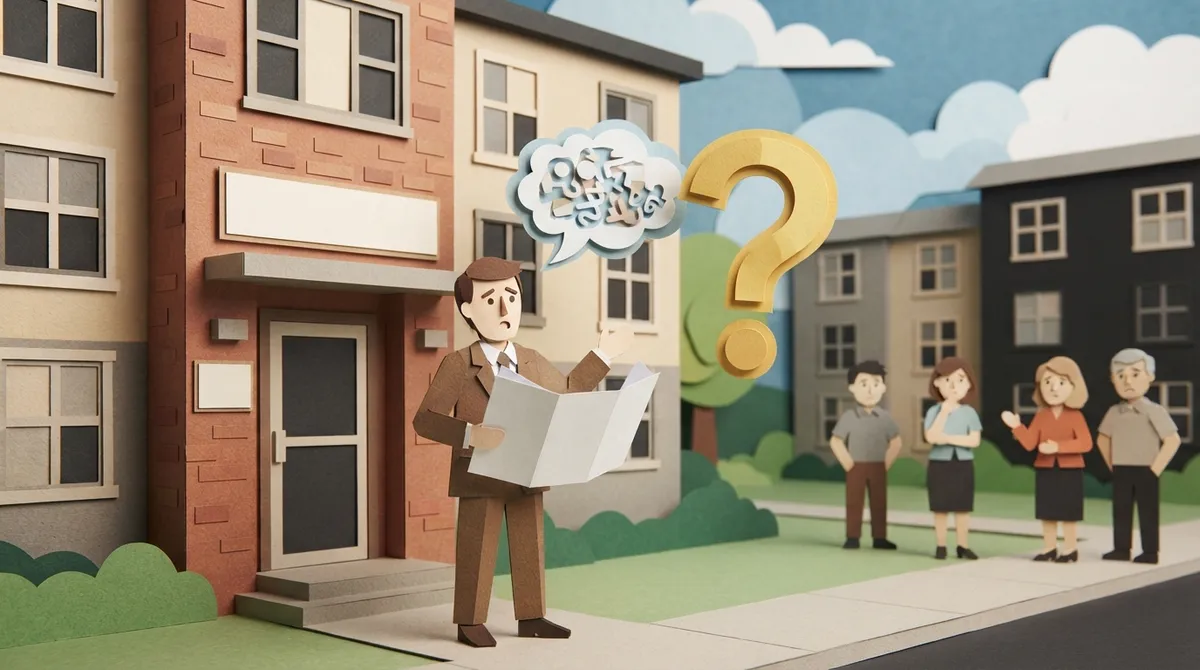
Mistake 2: Assuming Your Building Doesn’t Qualify
Some boards assume SIRS rules only apply to huge high-rises. That’s a dangerous assumption. Florida law, clarified by House Bill 913 in June 2025, requires SIRS for condo buildings with three or more habitable stories and more than four family units.
That means plenty of mid-sized West Park buildings fall under this rule. Don’t guess. Get a professional assessment to confirm whether your property needs a SIRS this cycle.
Quick Checklist: Does Your Building Need a SIRS?
- Three or more habitable stories above ground
- More than four residential units in the building
- Built before or after July 1, 2022 (deadlines differ)
- Part of a condominium association under Chapter 718
- Located in Broward or Miami-Dade County with local recertification mandates
Mistake 3: Thinking You Can Still Waive Structural Reserves
This one trips up a lot of boards who remember the old rules. Before December 31, 2024, associations could vote to waive or reduce reserve funding for certain items. Not anymore.
Florida law now prohibits reserve waivers for structural components identified in a SIRS. This means your West Park association must fully fund reserves for things like roofs, load-bearing walls, and waterproofing. There’s no shortcut here, and boards that try to skip this step risk serious legal exposure.
Mistake 4: Missing the December 2025 Deadline
For West Park associations that existed before July 1, 2022, the deadline for the initial SIRS was December 31, 2025. If your board missed this date, you’re now facing compliance headaches and possible personal liability.
Board members can be held personally responsible when associations ignore state deadlines. That’s a scary thought, but it’s also a solvable problem. Getting caught up quickly with a qualified inspection team is the smartest move you can make right now.
Mistake 5: Skipping the Eight Required Structural Components
A proper SIRS isn’t a quick walkthrough. It requires evaluation of eight specific structural components. Missing even one can invalidate your entire study.
- Roof systems and coverings
- Load-bearing walls and other primary structural members
- Fireproofing and fire protection systems
- Plumbing systems throughout the building
- Electrical systems, including wiring and panels
- Waterproofing and exterior painting
- Windows and exterior doors
- Any other item costing over $25,000 that affects structural integrity
Each of these areas needs a thorough, documented review. Our engineers use drones and 3D laser scanning to capture accurate data on every component, which speeds up the process and improves accuracy. You can learn more about what a thorough assessment actually covers in our article on what a commercial building inspection really covers.
Mistake 6: Hiring an Unqualified Inspector
Not just anyone can perform a SIRS. Florida requires specific licensed professionals, typically engineers or architects, to complete these assessments. Some boards try to save money by hiring general contractors or unlicensed inspectors. This almost always backfires.
An improperly conducted SIRS can be challenged, rejected, or ignored by insurers and lenders. That defeats the entire purpose. For guidance on picking the right professional, check out How to Choose Licensed Building Inspectors for Recertification.
What to Look for in a Qualified SIRS Provider
| Qualification | Why It Matters |
|---|---|
| Florida-licensed engineer or architect | Required by state law for SIRS validity |
| Experience with condo and HOA properties | Understands association-specific compliance needs |
| Access to drone and 3D scanning tech | Improves accuracy and speeds up inspections |
| Local knowledge of Broward and Miami-Dade rules | Avoids missing county-specific deadlines |
| Clear, actionable reporting | Helps boards plan repairs and budgets confidently |
Mistake 7: Forgetting About the 10-Year Update Cycle
A SIRS isn’t a one-time task. Florida law requires updates every 10 years after the initial completion. Updates may also be needed sooner if there’s a major storm or significant repair work.
Boards that forget this cycle often find themselves out of compliance without realizing it. Setting calendar reminders and working with a consistent inspection partner helps keep this on track. This ongoing cycle also feeds directly into your building’s broader recertification timeline, something we explain further in 8 Key Steps in the Building Recertification Process (2026).
Mistake 8: Ignoring the Connection Between SIRS and Recertification
Here’s something a lot of boards miss: your SIRS results directly impact your building’s 10-, 25-, or 40-year recertification process. If your SIRS uncovers structural issues, those repairs often need to happen before your building can pass recertification.
Treating SIRS and recertification as separate, unrelated tasks wastes time and money. They work together. Understanding this connection helps you plan repairs and budgets more efficiently. Our team at O’Reilly Consultants handles both processes together, which saves boards significant time and stress. You can read more about how recertification protects your property’s long-term value in The Importance of 40-Year Building Recertification for Property Longevity.
Mistake 9: Waiting Too Long to Get Started
Procrastination is probably the most common mistake of all. Boards wait for a nudge from the county, an insurance renewal scare, or a resident complaint before taking action. By then, options are limited and costs go up.
Starting early gives your board time to budget properly, schedule inspections around resident needs, and address findings without rushing. It also reduces stress for everyone involved, from board members to property managers to residents.
Steps to Get Your SIRS Process Started Right
- Confirm whether your building meets the height and unit requirements for SIRS
- Review your association’s founding date to determine applicable deadlines
- Reach out to a licensed engineering team experienced in Florida SIRS
- Schedule an on-site assessment using modern tools like drones and 3D scanning
- Review the report and prioritize structural repairs by urgency
- Update your association’s reserve budget to reflect fully funded requirements
- Mark your calendar for the 10-year update cycle
Following these steps in order keeps your board organized and protects you from last-minute scrambling.
Why West Park Boards Trust O’Reilly Consultants
We understand that reserve studies and recertification inspections can feel like a maze of paperwork and deadlines. That’s exactly why our small, specialized engineering team focuses entirely on building recertification and safety inspections across Broward and Miami-Dade Counties.
Our team is led by owner and qualifying architect Sherard O’Reilly, who brings deep experience in property condition assessments, from facades to fire systems. We’re also supported by Construction Manager and Engineer Catalina Torres, who has 27 years of civil engineering experience, and Project Engineer Rafael Ojeda, who has completed over 1,000 environmental assessments across South Florida. Together, this team delivers assessments that meet and exceed county requirements, whether you need a SIRS, a property condition assessment, or a full recertification inspection.
We also offer related services many West Park boards need, including West Park electrical safety inspections and comprehensive property condition assessments. Bundling these services often saves boards time and money compared to hiring separate contractors for each task.
Curious what other West Park residents and board members say about working with us? Feel free to visit us on Google — O’Reilly Consultants and see real feedback from properties just like yours.
Understanding Chapter 718 vs Chapter 720 Rules
It helps to know that Florida treats condos and HOAs a bit differently under state law. Condominiums fall under Chapter 718, which now requires fully funded structural reserves with no waiver option. Standard HOAs governed by Chapter 720 are not legally required to conduct reserve studies at all, though many choose to anyway for smart financial planning.
If your West Park property is a condo association, this distinction matters a lot. Make sure your board understands which set of rules applies to avoid confusion during budget season. For more general background on Florida reserve requirements, the Miami-Dade County Recertification page offers helpful context, as does searching Miami-Dade Building Recertification Cases for examples of how nearby buildings have handled similar requirements.
Bringing It All Together
West Park HOA reserve studies, especially SIRS, aren’t something to take lightly anymore. The rules changed, the stakes went up, and boards that stay informed protect both their residents and themselves from unnecessary risk.
Avoiding these nine mistakes puts your association in a much stronger position. You’ll have accurate data, fully funded reserves, and a clear path toward successful building recertification. That’s peace of mind worth having.
Ready to get your West Park building’s SIRS or recertification inspection scheduled the right way? Request a free quote from our team today, or simply call us at (512) 567-1191 to talk through your building’s specific needs. We’re here to make this process feel a whole lot easier.
FAQs
Q: What is the difference between a SIRS and a standard reserve study for West Park condos?
A: Great question, and one we hear all the time! A standard reserve study is a financial planning tool for general repairs, while a SIRS is an engineering-based safety assessment focused specifically on structural components. Think of it this way: one plans your budget, the other protects your building’s bones.
Q: Why can West Park HOAs no longer waive reserves for structural components?
A: Florida changed the law as of December 31, 2024, and now structural reserve waivers just aren’t allowed anymore. Lawmakers wanted to make sure buildings have the funds ready when structural repairs come up, so associations can’t kick the can down the road on safety-critical items.
Q: How does a SIRS impact building recertification timelines in Florida?
A: Your SIRS findings often reveal repairs that need to happen before your building can pass its 10-, 25-, or 40-year recertification. The two processes really work hand in hand, so tackling them together with one experienced team, like ours, saves everyone time and headaches.
Q: Who is qualified to perform a Structural Integrity Reserve Study in West Park?
A: You’ll want a Florida-licensed engineer or architect with real experience in condo and HOA properties. It’s not a job for just any contractor, so double check credentials before hiring anyone for this important task.
Q: How often must a West Park condo association update its SIRS?
A: Every 10 years after the initial study, though you might need an update sooner if a major storm hits or significant repairs happen. It’s a good idea to mark your calendar so this never sneaks up on your board unexpectedly.