

Key Takeaways
-
Broward County requires milestone inspections at 25 years instead of Florida's statewide 30-year threshold, meaning Pembroke Park buildings may need inspections 5 years earlier than expected.
-
Two separate programs apply to Pembroke Park buildings: Florida's statewide milestone inspection law and Broward County's Building Safety Inspection Program, which have different triggers and applicability criteria.
-
Only licensed architects or engineers can perform milestone inspections; hiring qualified professionals is critical and typical Phase One costs range from $2,500 to $7,500 depending on building complexity.
-
Your building's original certificate-of-occupancy date determines the inspection schedule, and Phase Two testing only occurs if Phase One identifies substantial structural deterioration requiring further evaluation.
-
Missing inspection deadlines or filing requirements with the Town of Pembroke Park Building Department can affect property value, insurance coverage, and lender approval, not just compliance status.
-
Milestone inspections differ from 40-year recertifications—they are separate processes, and some buildings may need both depending on age and location, requiring careful timeline tracking.
If you own or manage a building in Pembroke Park, you’ve probably heard the term “milestone inspection” tossed around lately. Maybe your condo board mentioned it at the last meeting, or your property manager flagged an upcoming deadline. Whatever brought you here, we’re glad you found us! Understanding this process doesn’t have to feel overwhelming, and we’re here to walk you through it step by step, like a friendly neighbor who happens to know the ins and outs of building safety rules.
A Pembroke Park milestone inspection is part of Florida’s building-safety framework, but it can mean slightly different things depending on your property. There’s the statewide milestone inspection law, and there’s Broward County’s own Building Safety Inspection Program (BSIP). Both matter, and both come with deadlines you don’t want to miss. Let’s break down everything you need to know, from who qualifies to what happens if problems turn up, so you can feel confident and prepared instead of stressed and confused.

1. Two Different Programs Share the “Milestone” Name
Here’s something that trips up a lot of building owners: “milestone inspection” can refer to two related but separate requirements. Florida Statutes section 553.899 creates a statewide milestone inspection rule for qualifying condominium and cooperative buildings. Broward County also runs its own Building Safety Inspection Program, which can apply more broadly and sometimes require earlier inspections. Knowing which one applies to your property is step one, and it’s worth double-checking with the Town of Pembroke Park Building Department.
2. The State Rule Targets Three-Story-or-Taller Condos
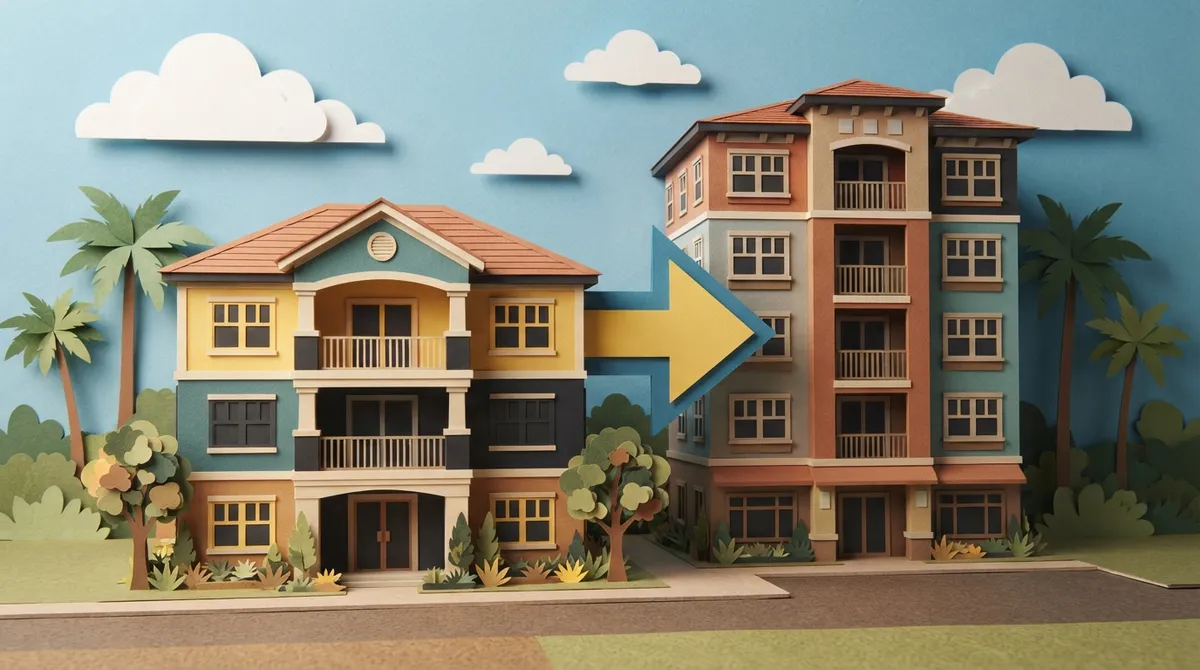
Florida’s statutory milestone inspection generally applies to condominium or cooperative buildings that are at least three habitable stories tall. This isn’t about single-family homes or small duplexes. If your building fits this description, the clock is likely ticking based on your certificate-of-occupancy date, so it pays to check your records early.
3. The 30-Year Trigger Is the Starting Point
Under the statewide schedule, a qualifying building’s first milestone inspection is normally due by December 31 of the year it turns 30 years old. After that, inspections repeat every 10 years. This creates a predictable rhythm, but only if you know your building’s exact occupancy history, which isn’t always as simple as it sounds.
4. Broward County Often Moves the Timeline Up to 25 Years
This is a big one for Pembroke Park property owners. Broward County’s Building Safety Inspection Program can require an initial inspection at 25 years instead of waiting for the state’s 30-year mark. Repeat inspections then generally happen every 10 years after that. That five-year difference matters, especially for older buildings that might already be past the county threshold.
Why the County Program Casts a Wider Net
Broward’s program isn’t limited to condos and co-ops the way the state statute is. It can apply to a broader range of qualifying buildings and structures, which means commercial properties, apartment complexes, and other building types may fall under its rules too. If you’re unsure whether your property qualifies, our team at O’Reilly Consultants can help you sort through the details.
5. Certificate-of-Occupancy Date Is Everything
Your building’s original certificate-of-occupancy date sets the whole schedule in motion. If that certificate isn’t available, inspectors and building officials may use another occupancy record instead. It’s worth digging through your files now, so there are no surprises when deadlines approach.
6. Two Big Transition Deadlines Already Passed
Florida’s statutory transition deadlines were significant for many buildings. Structures that reached 30 years old before July 1, 2022, faced a deadline of December 31, 2024. Buildings turning 30 between July 1, 2022, and December 31, 2024, had until December 31, 2025. If your building falls into either category, it’s critical to confirm your status right away.
7. Some Buildings Are Exempt
Not every structure needs to go through this process. Broward County materials identify several common exemptions, including:
- U.S. government buildings
- State of Florida buildings
- Buildings on sovereign tribal lands
- Broward County School Board buildings
- Certain one- to four-family dwellings with no more than three habitable stories
- Fee-simple townhouses
- Minor structures under 3,500 gross square feet
Even if you think your building might qualify for an exemption, it’s smart to get written confirmation from the building official. Don’t just assume.
8. Phase One Is a Visual Deep Dive
The inspection process itself happens in phases. Phase One involves a licensed architect or engineer visually examining habitable and uninhabitable areas of the building. The focus is on structural members and what’s called the building’s substantial structural systems, things like load-bearing walls, columns, and foundations.
9. Phase Two Only Happens When Needed
If the Phase One inspector spots substantial structural deterioration, or recommends further testing, the process moves to Phase Two. This stage might involve more invasive testing, additional documentation, or specialized equipment. Not every building needs Phase Two, but when it’s required, it’s not something to put off.
How Technology Speeds Up the Process
Modern tools have changed the game for inspectors. Drones can access hard-to-reach rooftops and facades without scaffolding, while 3D laser scanning captures precise structural data in a fraction of the time older methods required. This means faster turnaround, more accurate reports, and less disruption for residents and tenants. Learn more about how a thorough commercial building inspection actually works.
10. Milestone Inspections Aren’t the Same as 40-Year Recertification
It’s easy to mix these up, but they’re distinct processes with different triggers and requirements. A milestone inspection is tied to the 25- or 30-year mark and focuses on structural conditions. The traditional 40-year recertification process is a separate, longer-standing requirement in many South Florida jurisdictions. Depending on your building’s age and location, you might need one, the other, or both over time.
11. Deficiencies Don’t Mean the End of the World
If a milestone inspection finds structural deterioration, it’s not a certificate of occupancy and it’s not a full repair project by itself. It’s an assessment. If problems show up, your association or ownership group will likely need additional engineering evaluation, permitting, repairs, and follow-up inspections. Catching issues early through a proper inspection is far better than discovering them after a real problem develops. Our article on foundation cracks and hairline cracks in commercial buildings covers this in more depth.
12. Costs Vary Based on Building Size and Complexity
A commonly cited South Florida market estimate for a Phase One milestone inspection runs approximately $2,500 to $7,500. That said, actual pricing depends heavily on your building’s size, height, accessibility, parking or podium construction, available records, and whether testing or Phase Two work becomes necessary. This isn’t an official government fee, just a general market range to help with budgeting conversations.
| Inspection Type | Typical Trigger | Repeat Interval | Who It Applies To |
|---|---|---|---|
| Florida Statutory Milestone (Sec. 553.899) | 30 years from CO date | Every 10 years | Condo/co-op buildings, 3+ habitable stories |
| Broward County BSIP | 25 years from CO date | Every 10 years | Broader range of qualifying buildings, subject to exemptions |
| Traditional 40-Year Recertification | 40 years from CO date | Every 10 years after | Applicable buildings under local recertification programs |
13. Who’s Qualified to Perform the Inspection Matters
Only a licensed architect or engineer can conduct a milestone inspection. This isn’t a job for a general contractor or an unlicensed inspector, and cutting corners here can create bigger headaches down the road. Choosing the right professional is one of the most important decisions you’ll make in this process. Our guide on how to choose licensed building inspectors for recertification can help you ask the right questions.
Why Experience Makes a Real Difference
At O’Reilly Consultants, we’re led by owner and qualifying architect Sherard O’Reilly, who brings deep experience in property condition assessments and detailed building documentation. Our team also includes Construction Manager and Engineer Catalina Torres, with 27 years of civil engineering experience, and Project Engineer Rafael Ojeda, who has completed over 1,000 environmental site assessments across South Florida. That kind of combined expertise means your Pembroke Park milestone inspection gets handled thoroughly, the first time.
14. Filing and Records Matter as Much as the Inspection Itself
Completing the physical inspection is only part of the job. Reports must be filed correctly with the applicable local building authority, and owners need to keep detailed records for future reference. Missing a filing deadline can create just as much trouble as missing the inspection itself, so coordination with the Town of Pembroke Park Building Department and Broward County is essential every step of the way.
- Confirm your building’s certificate-of-occupancy date and applicable program (state or county).
- Hire a licensed architect or engineer for Phase One inspection.
- Review the report for any flagged structural concerns.
- Move to Phase Two if substantial deterioration is identified.
- Complete any required repairs or permitting.
- File all documentation with the appropriate building department.
- Schedule your next inspection cycle, typically 10 years out.
15. Real Estate Value and Insurance Depend on Timely Compliance
Beyond avoiding fines, a completed milestone inspection protects your building’s market value and insurability. Lenders, buyers, and insurance carriers increasingly ask for recertification documentation before closing deals or renewing coverage. Real estate investment firms in particular can’t afford delays caused by missing paperwork. Our overview of building recertification and property longevity explains why staying ahead of these deadlines protects more than just your compliance status.
For official guidance on recertification programs and case lookups, Miami-Dade County property owners can consult the Miami-Dade County Recertification resource, and check existing filings through the Miami-Dade Building Recertification case search tool. While these resources apply to Miami-Dade, they offer a helpful comparison for understanding how neighboring counties structure similar programs.
Working With a Team That Knows Pembroke Park
Navigating milestone inspections doesn’t have to feel like a solo mission. Our small, specialized team focuses specifically on building recertification and safety inspections throughout Broward and Miami-Dade Counties. We use advanced tools like drones and 3D laser scanning to deliver fast, accurate assessments, paired with clear reports you can actually understand and act on.
We also offer related services that many Pembroke Park buildings need alongside milestone inspections, including electrical safety inspections, structural integrity reserve studies (SIRS), property condition assessments, and HOA reserve studies. If your building has electrical concerns tied to its recertification, take a look at our guide on why electrical safety inspections are critical in Pembroke Park.
Curious what other Pembroke Park property owners think about working with us? You can visit our O’Reilly Consultants location on Google to read real reviews from folks just like you who needed help navigating these exact same deadlines.
Let’s Make This Easy Together
Milestone inspections don’t have to be a source of stress. With the right team by your side, you can move through the process smoothly, meet your deadlines with confidence, and keep your building safe for everyone who lives, works, or visits there. Whether you’re managing a condo board, overseeing a commercial property, or handling an HOA’s compliance needs, we’re here to make this journey as painless as possible.
Ready to get started? Request a free quote today and let our experienced team guide you through every step of your Pembroke Park milestone inspection. Or if you’d rather talk it through first, give us a call at (512) 567-1191 — we’d love to help.
FAQs
Q: Does my Pembroke Park condo need a milestone inspection or a 40-year recertification?
A: It really depends on your building’s age and height! If your condo or co-op is three stories or taller and hitting the 25- or 30-year mark, you’re likely looking at a milestone inspection first. The 40-year recertification is a separate, often later requirement, so it’s worth checking both timelines with your local building department.
Q: What is the deadline for a milestone inspection in Pembroke Park?
A: Great question, and the honest answer is: it depends on your certificate-of-occupancy date. Buildings that hit 30 years before July 1, 2022, faced a December 31, 2024 deadline, while those reaching 30 between mid-2022 and the end of 2024 had until December 31, 2025. We’d love to help you pin down your exact date!
Q: Does Broward County require milestone inspections at 25 years instead of 30 years?
A: Yes, in many cases! Broward County’s Building Safety Inspection Program can require an initial inspection at 25 years, which is earlier than the state’s 30-year statutory trigger. That’s why it’s so important to check both the state rule and the county program for your specific building.
Q: How much does a Pembroke Park milestone inspection cost?
A: A commonly cited range for a Phase One inspection in South Florida is about $2,500 to $7,500, though your actual cost depends on building size, height, and complexity. We’re always happy to walk you through a personalized estimate so there are no surprises.
Q: What happens if a milestone inspection finds structural deterioration?
A: Don’t panic! If deterioration is found, the inspector may recommend moving to Phase Two for further testing, followed by engineering review, permitting, and repairs as needed. It’s simply part of keeping your building safe, and our team can guide you through every step of the follow-up process.