

Key Takeaways
-
Oakland Park condo buildings three stories or taller need milestone inspections based on their original certificate of occupancy date, typically at 30 years then every 10 years, but Broward County may apply an earlier 25-year trigger, so confirm with the city building department.
-
Phase 1 inspections ($2,500-$7,500) are visual structural checks by licensed architects/engineers; if problems are found, Phase 2 involves destructive testing and detailed analysis with higher costs but provides a clear repair roadmap.
-
Milestone inspections and Broward County's recertification program are separate but often overlap; buildings may need both, so get a full compliance review rather than assuming one program covers all requirements.
-
Missing inspection deadlines risks city fines, liens, forced evacuations, higher insurance premiums, lower property values, and unit sale delays—all avoidable with early planning and professional coordination.
-
Associations must submit signed inspection reports, structural deterioration summaries, repair plans, owner notices, and prior records to local building officials; missing or late documentation is a common compliance reason.
-
Take immediate action: locate your certificate of occupancy date, confirm building height and type, contact Oakland Park building department for your deadline, check for prior inspections, and schedule a professional consultation early.
If you own or manage a condo building in Oakland Park, you’ve probably heard the term “milestone inspection” tossed around at board meetings. Maybe it made your stomach drop a little. That’s completely normal! Building safety rules changed a lot after Florida updated its laws, and keeping up with deadlines can feel like a full-time job you never signed up for.
Here’s the good news: an Oakland Park milestone inspection doesn’t have to be scary or confusing. Once you understand what it is, when it’s due, and what steps come next, the whole process gets a lot easier. Think of this guide as a friendly walkthrough from people who do this work every single day across Broward County.
We’ll cover who needs an inspection, what happens during Phase 1 and Phase 2, how this differs from Broward County’s separate recertification rules, and what it might cost. By the end, you’ll feel a lot more confident about your building’s next steps.
What Is an Oakland Park Milestone Inspection?
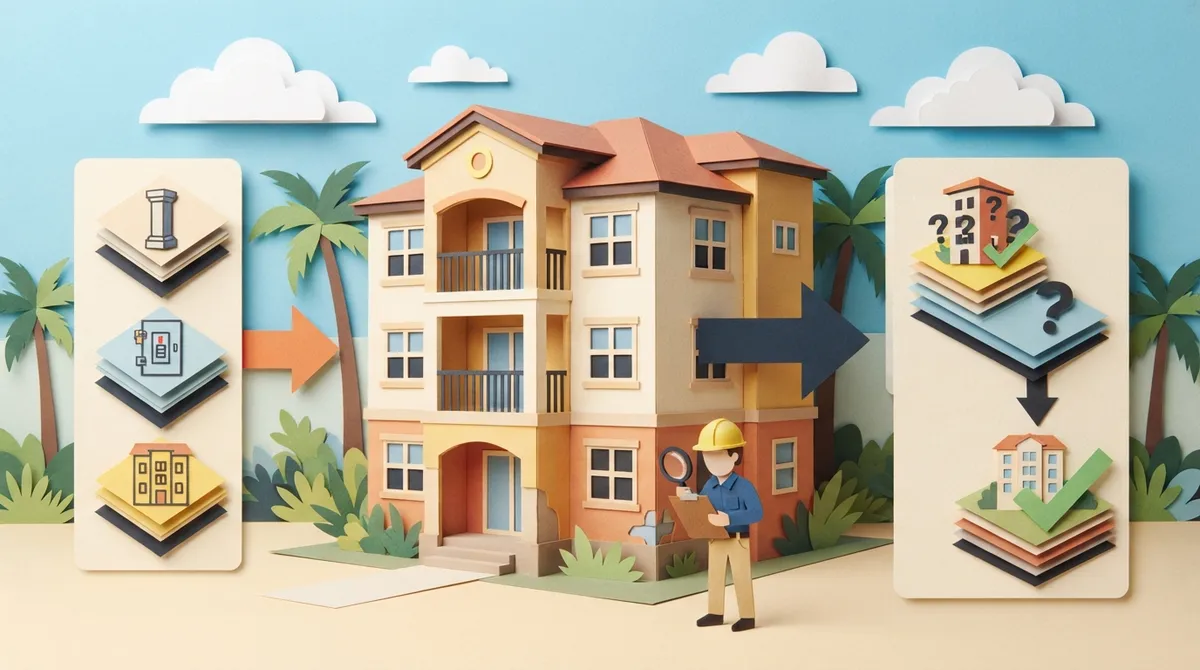
A milestone inspection is a structural safety check required by Florida law for many older condo and co-op buildings. It’s part of Florida Statute 553.899, a rule passed after building safety became a bigger statewide concern. The goal is simple: catch structural problems early, before they become dangerous or expensive.
In Oakland Park, this inspection applies mainly to condominium and cooperative buildings that are three stories or taller. The trigger date depends on your building’s original certificate of occupancy, not when it was last renovated or sold. That surprises a lot of owners, so it’s worth double-checking your paperwork early.
Because Oakland Park sits in Broward County, your building may also fall under a separate local recertification program. These two systems overlap but are not the same thing. We’ll walk through the difference below, since mixing them up is one of the most common mistakes we see.

Who Needs to Get One Done
Not every building in Oakland Park needs a milestone inspection. Here’s a quick breakdown of the general rule:
- The building must be a condominium or cooperative (not a single-family home or standard rental apartment).
- It must have three or more habitable stories.
- It typically needs its first inspection at 30 years of age under state law.
- Buildings in Broward County may face an earlier 25-year trigger under local rules, so confirming with the city is a must.
- Repeat inspections are generally required every 10 years after the first one.
Because Broward County sometimes applies stricter or earlier timelines than the state minimum, don’t assume your 30-year mark is the real deadline. Always confirm directly with the City of Oakland Park building department or a qualified inspector familiar with local rules. Our team explains this exact issue in more detail in How Does Oakland Park Building Recertification Work?
Milestone Inspection vs. Broward County Recertification
This is where a lot of condo boards get tripped up. A milestone inspection and Broward County’s building recertification program are related, but they are not interchangeable. You might need one, the other, or both, depending on your building’s age, height, and history.
| Feature | Milestone Inspection (State Law) | Broward Recertification (Local) |
|---|---|---|
| Legal Basis | Florida Statute 553.899 | Broward County building-safety rules |
| Typical Trigger Age | 30 years, then every 10 | Often around 40 years, then every 10 |
| Building Type | Condos and co-ops, 3+ stories | Broader range of commercial and residential buildings |
| Focus | Structural deterioration | Structural and electrical systems |
| Who Confirms Deadline | State guidelines plus local rules | City or county building official |
Because the two programs can apply at the same time, it’s smart to get a full compliance review rather than guessing. Our team at O’Reilly Consultants regularly helps Oakland Park boards sort out exactly which programs apply to their specific building. You can learn more about the local process in our guide on 40 Year Recertification.
How the Inspection Process Works: Phase 1 and Phase 2
A milestone inspection happens in stages. Understanding these steps ahead of time helps boards plan budgets and timelines without last-minute panic.
Phase 1: The Visual Check
Phase 1 is performed by a licensed architect or engineer. They walk the property and visually inspect major structural parts of the building. This usually includes:
- Roof structure and visible support beams
- Exterior walls and facades
- Balconies, railings, and walkways
- Parking garages and structural columns
- Common areas and accessible mechanical spaces
If the inspector finds no signs of substantial structural deterioration, the process usually stops here. A report is filed, and your building is good until the next required cycle.
Phase 2: The Deeper Dive
If Phase 1 turns up concerning signs, like cracking, spalling concrete, or rust stains on rebar, Phase 2 kicks in. This phase is more invasive and may include:
- Testing concrete or steel samples
- Destructive investigation in specific trouble spots
- More detailed structural calculations
- Recommendations for repair timelines and methods
Phase 2 takes longer and costs more, but it gives your board a clear roadmap for repairs. Skipping needed repairs after a Phase 2 finding can lead to fines or even forced closure of parts of the building, so don’t put this off.
What Documents Your Association Needs to Submit
Once the inspection wraps up, your job isn’t quite done. The condo or co-op association is responsible for submitting proper documentation to the local building official. This typically includes:
- The signed and sealed inspection report from the architect or engineer
- A summary of any structural deterioration found
- A repair plan and timeline, if Phase 2 was required
- Proof of association notice to all unit owners
- Any prior inspection records or permit history requested by the city
Missing paperwork or late submissions are one of the biggest reasons buildings get flagged for non-compliance. If your board feels overwhelmed by the forms and deadlines, our guide on the 8 Key Steps in the Building Recertification Process (2026) breaks it down step by step.
What Happens If You Miss the Deadline
Nobody wants to think about worst-case scenarios, but it’s important to know what’s at stake. Missing a milestone inspection deadline in Oakland Park can lead to:
- Fines from the city or county building department
- Liens placed against the association
- Forced evacuation orders if structural risk is severe
- Increased insurance premiums or denial of coverage
- Lower property values and slower unit sales
None of these outcomes are fun, and they’re all avoidable with early planning. Reaching out to a licensed professional well before your deadline gives you breathing room to schedule inspections, budget for repairs, and keep your community informed.
How Much Does It Cost?
Costs vary quite a bit depending on your building’s size, height, and complexity. Industry estimates commonly place a Phase 1 milestone inspection for a South Florida condominium somewhere between $2,500 and $7,500. If Phase 2 testing is required, expect additional costs based on the scope of investigation needed.
Factors that affect pricing include:
- Total square footage and number of stories
- Accessibility of structural elements (parking garages, rooftops, etc.)
- Availability of prior building records and permits
- Whether drone or 3D scanning technology is used for faster, more accurate results
- Distance and travel time for the inspection team
Using advanced tools like drones and 3D laser scanning can actually save money in the long run. These tools let inspectors capture detailed data quickly, reducing labor hours and improving accuracy. This is part of why many Oakland Park boards choose experienced recertification teams instead of piecing together separate contractors.
Why Working With Experienced Professionals Matters
Building recertification isn’t a one-size-fits-all process. Every property has its own age, history, and quirks. That’s why it helps to work with a team that understands both Florida’s statewide milestone law and Broward County’s local rules inside and out.
At O’Reilly Consultants, our team is led by owner and qualifying architect Sherard O’Reilly, who brings deep experience in property condition assessments and detailed building documentation. We’re also supported by Construction Manager and Engineer Catalina Torres, who has 27 years of civil engineering experience, and Project Engineer Rafael Ojeda, who has completed over 1,000 environmental assessments across South Florida.
We help condo boards, HOA managers, commercial property owners, and real estate investment firms navigate every step of the process. This includes verifying your certificate of occupancy date, confirming which programs apply to your building, coordinating inspection access, and preparing documentation for submission. You can read more about our full range of services on our About Oreilly Consultants page.
Related Services That Support Your Compliance Plan
A milestone inspection is just one piece of a larger compliance puzzle. Depending on your building’s age and type, you may also need:
- Structural Integrity Reserve Studies (SIRS) — required for many Florida condo associations to plan long-term repairs
- Electrical safety inspections — especially important for older buildings with outdated wiring
- Property Condition Assessments (PCA) — useful for real estate transactions and refinancing
- HOA reserve studies — help homeowner associations plan and budget for future repairs
Our team offers all of these services under one roof, which saves boards time and reduces the headache of coordinating multiple vendors. Check out our page on What Do Oakland Park Condos Need to Know About SIRS? if your building also needs a reserve study.
Steps to Take Right Now
If you’re not sure where your building stands, here’s a simple action plan to get started:
- Locate your building’s original certificate of occupancy date
- Confirm your building height and ownership type (condo, co-op, or other)
- Contact the City of Oakland Park building department to confirm your specific deadline
- Check whether prior inspections or open permits exist on file
- Schedule a consultation with a licensed recertification professional
Taking these steps early prevents last-minute stress and keeps your board in good standing with the city. Many Oakland Park associations wait too long, only to scramble when deadlines are weeks away. Don’t let that be your building’s story.
For more background on Florida’s statewide requirements, the Florida Statute 553.899 summary is a helpful resource. If your building sits near the Miami-Dade line or you manage properties in both counties, the Miami-Dade County Recertification page and the Miami-Dade Building Recertification Case Search tool are also worth bookmarking.
Let’s Make This Easy Together
We know building recertification can feel like a lot to handle, especially when deadlines, paperwork, and repair costs all pile up at once. But you don’t have to figure it out alone. Our team has helped countless boards, property managers, and owners across Broward and Miami-Dade Counties get through this process smoothly.
If you’d like to see what our clients have to say, feel free to visit us on Google — O’Reilly Consultants and read real reviews from happy building owners just like you.
Ready to get your Oakland Park milestone inspection scheduled the right way? Request a free quote today, or call us at (512) 567-1191 to speak with our friendly team. We’re here to make this process as smooth, clear, and stress-free as possible, because that’s exactly what your community deserves.
FAQs
Q: Does an Oakland Park condominium need a milestone inspection at 25 or 30 years?
A: It depends! Florida’s statewide law generally sets the trigger at 30 years, but Broward County can apply an earlier 25-year rule for qualifying buildings. Your safest bet is confirming the exact deadline with the City of Oakland Park or a trusted recertification professional.
Q: Is a milestone inspection the same as Broward County’s 40-year recertification?
A: Not quite, though they’re often confused! A milestone inspection focuses specifically on structural deterioration in condos and co-ops, while Broward’s recertification program covers structural and electrical systems more broadly, often starting around 40 years. Many buildings need both, so it’s worth checking on each program separately.
Q: Who can perform a milestone inspection in Oakland Park?
A: Only a licensed architect or engineer can legally conduct this inspection. Choosing someone experienced with local Broward rules, like our team at O’Reilly Consultants, helps make sure nothing gets missed along the way.
Q: What happens if my building fails its milestone inspection or misses the deadline?
A: Missing a deadline can lead to fines, liens, or even forced evacuation if structural risks are serious. The good news is that early planning avoids almost all of these headaches, so don’t wait until the last minute to get started.
Q: How much does a milestone inspection cost in Oakland Park?
A: Phase 1 inspections typically run between $2,500 and $7,500, though your exact cost depends on building size, height, and accessibility. If Phase 2 testing is needed, expect additional fees, but getting an accurate quote upfront helps your board budget with confidence.