
Key Takeaways
-
Plantation requires building inspections at 25 years old (earlier than Florida's 30-year state requirement) through its local Building Safety Inspection Program, with recurring inspections every 10 years thereafter.
-
Only Florida-licensed architects or engineers can perform milestone inspections; verify they have specific experience with structural evaluations and Plantation's electronic submission process through Accela Citizen Access.
-
Condos and co-ops three stories or taller may need to satisfy both Plantation's 25-year local program and Florida's statewide 30-year milestone law, though a qualified team can coordinate both requirements together.
-
Milestone inspections use a two-phase process: Phase One is a visual structural assessment, and Phase Two involves destructive or non-destructive testing only if substantial deterioration is found in Phase One.
-
Addressing inspection failures promptly is critical; delaying repairs can result in fines, insurance complications, and safety hazards, while early intervention on identified issues costs less than waiting for major structural failures.
-
Costs vary significantly based on building size, height, complexity, and whether Phase Two testing is needed; request a free quote specific to your property for accurate pricing.
If you own or manage a building in Plantation, you’ve probably heard two different terms floating around: “building recertification” and “milestone inspection.” Maybe you got a letter in the mail with a strange BDCERT number on it. Maybe your board president mentioned a 30-year deadline. Maybe you’re just trying to figure out why your neighbor’s condo got a notice and yours didn’t. We get it. This stuff can feel confusing, even a little scary. But don’t worry, we’re going to walk through it together, step by step, in plain language.
By the end of this article, you’ll know exactly what a Plantation milestone inspection is, how it’s different from the city’s own building safety program, and what you need to do next. Whether you’re on a condo board, managing an HOA, or you own a commercial building near Broadview or Peters Road, this guide is for you.
What Is a Plantation Milestone Inspection?
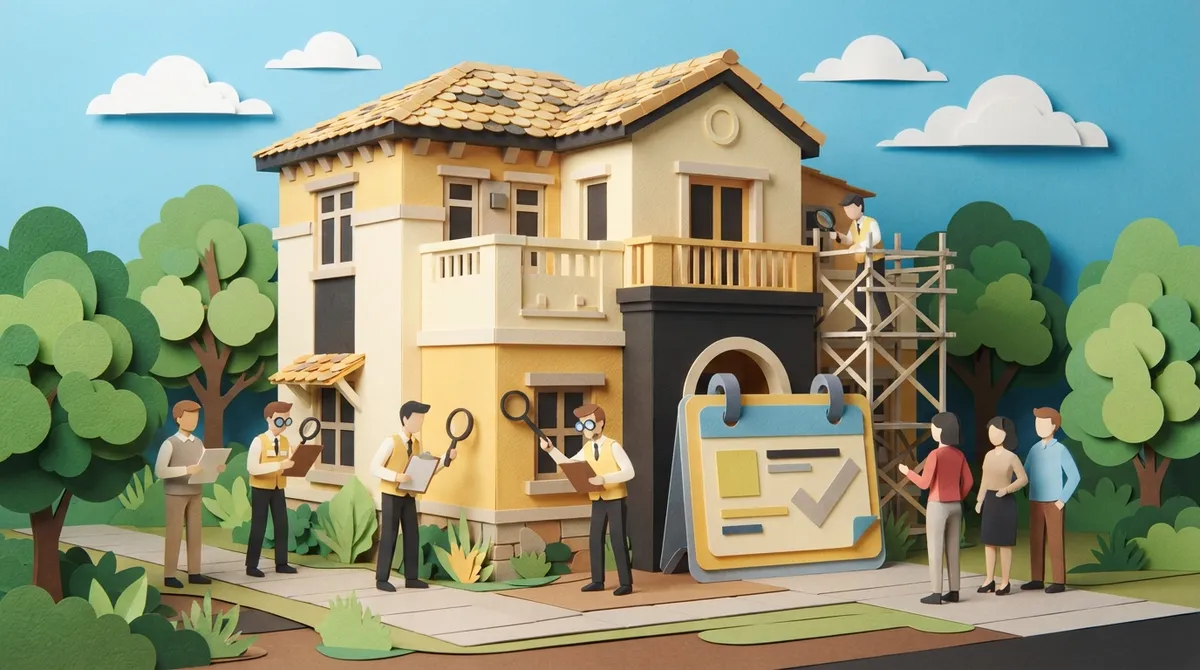
A milestone inspection is a structural and life-safety check-up for older buildings. It’s not a cosmetic walkthrough. A licensed Florida architect or engineer looks closely at your building’s bones: the load-bearing walls, columns, beams, and other primary structural systems that keep everything standing.
Here’s where it gets a little tricky. In Plantation, “milestone inspection” can mean one of two things:
- The City of Plantation’s Building Safety Inspection Program: a local rule that kicks in at 25 years old, then repeats every 10 years.
- Florida’s statewide milestone inspection law: which applies to qualifying condo and co-op buildings three stories or taller, generally starting at 30 years.
Both programs share the same goal, catching structural problems early, but they have different triggers, different timelines, and sometimes different paperwork. That’s why it’s so important to read your notice carefully and know which program applies to your property.
Plantation’s 25-Year Building Safety Inspection Program
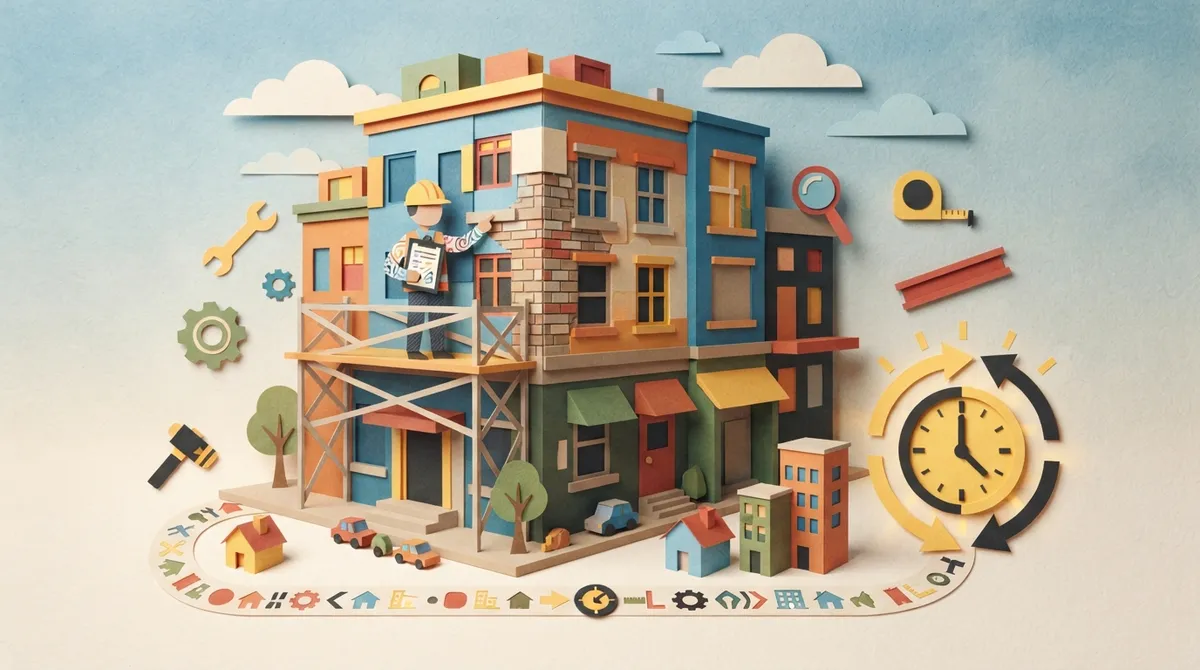
According to the City of Plantation, buildings that reach 25 years of age fall under the city’s local Building Safety Inspection Program. After that first inspection, follow-up inspections are required every 10 years, no matter when the last report was actually filed.
When your building enters the program, the city doesn’t just leave you guessing. They send a certified-mail notice to the property owner, the condo or co-op association, the management company, or an authorized representative. That notice includes a BDCERT Record ID, which is basically your building’s tracking number for the whole process.
From there, everything moves through the city’s online system. Plantation requires all program documentation to be submitted electronically through Accela Citizen Access. The narrative report and safety inspection report both need to be digitally signed and sealed by the licensed professional who performed the work. No paper shortcuts here.
Why the 25-Year Trigger Matters
Florida’s statewide milestone law usually starts at 30 years. But state law also allows local governments to require an earlier first inspection, at 25 years, when local conditions justify it. Things like proximity to salt water can push that timeline up. Plantation’s local program reflects this kind of caution, so don’t assume your building is off the hook just because it hasn’t hit the 30-year state mark yet.
Florida’s Statewide Milestone Inspection Law
Now let’s talk about the state-level requirement, since this is the one most condo boards have heard about. Florida Statutes Section 553.899 lays out the rules for qualifying residential condominium and cooperative buildings.
- The building must be at least three habitable stories tall.
- The inspection is due in the year the building turns 30 years old, based on the certificate-of-occupancy date.
- After that, inspections repeat every 10 years.
- If the building is within a certain distance of the coastline, or if local authorities decide conditions warrant it, the first inspection can be required at 25 years instead.
This law came about after the tragic Surfside condo collapse, and it’s been reshaping how associations across South Florida plan and budget. If you want a deeper look at how these rules intersect with reserve funding, our article on what Plantation condo boards must know about SIRS is a great next stop.
Phase One and Phase Two: What’s the Difference?
The state milestone process has two phases:
- Phase One: A visual inspection of the building’s structural components. No drilling, no demolition, just a trained eye looking for cracks, spalling, corrosion, and other warning signs.
- Phase Two: If Phase One turns up “substantial structural deterioration,” a more detailed investigation follows. This can include destructive or nondestructive testing, like core sampling or ground-penetrating radar.
Most buildings pass Phase One without needing Phase Two. But if your building does need that second phase, it’s better to know early than to be surprised later.
Plantation Building Recertification vs. Florida Milestone Inspection: A Quick Comparison
Since these two programs get confused so often, here’s a simple side-by-side comparison to keep things straight.
| Feature | Plantation Building Safety Inspection Program | Florida Statewide Milestone Inspection |
|---|---|---|
| Governing Body | City of Plantation | Florida Statute 553.899 |
| Trigger Age | 25 years old | 30 years old (or 25 if local conditions apply) |
| Recurring Interval | Every 10 years | Every 10 years |
| Applicable Buildings | Broad range of buildings within city limits | Condos and co-ops, 3+ habitable stories |
| Submission Method | Accela Citizen Access (electronic) | Varies by local enforcement agency |
| Notification | Certified mail with BDCERT Record ID | Notice from local building department |
If your property is a qualifying condo or co-op, you may actually need to satisfy both the city and state requirements. That’s not double the trouble, though. A qualified inspection team can often coordinate both processes together, saving you time and money.
Who Should Perform Your Plantation Milestone Inspection?
This isn’t a job for just anyone with a clipboard. Florida law requires the inspection to be performed by a licensed architect or engineer. They need real experience with structural systems, not just general building knowledge.
Here’s what to look for when choosing an inspection team:
- Florida licensure as an architect or engineer, with a valid seal
- Experience specifically with milestone inspections and 25-year or 40-year recertifications
- Familiarity with Broward County and Plantation’s local submission process
- Access to modern inspection tools, like drones and 3D laser scanning, for faster and more accurate assessments
- A track record of clear, actionable reporting, not just a stack of confusing jargon
This is exactly where a firm like O’Reilly Consultants steps in. Led by qualifying architect Sherard O’Reilly, the team brings deep experience in property condition assessments, structural documentation, and building recertification across Broward and Miami-Dade Counties. With Construction Manager and Engineer Catalina Torres bringing 27 years of civil engineering experience, and Project Engineer Rafael Ojeda’s background in environmental due diligence, you’re working with people who understand every angle of your building’s health, not just the surface-level checklist. If you’d like more detail on choosing the right professional, check out our guide on how to choose licensed building inspectors for recertification.
Steps to Complete Your Plantation Milestone Inspection
Feeling a bit overwhelmed by all the moving parts? Let’s break the process into manageable steps.
- Confirm your building’s status. Check your certificate-of-occupancy date and building height to see which programs apply.
- Watch for the official notice. The city will send certified mail with your BDCERT Record ID once your building enters the program.
- Hire a licensed architect or engineer. Choose someone experienced with both city and state milestone requirements.
- Complete the Phase One inspection. This visual review sets the baseline for your building’s condition.
- Address Phase Two if needed. If deterioration is found, additional testing determines the extent of repairs required.
- Submit reports electronically. Documents must be digitally signed, sealed, and uploaded through Accela Citizen Access.
- Complete any required repairs. Don’t wait until the last minute; repairs can take time to schedule and finish.
- Keep records for the next cycle. Your next inspection will come around in 10 years, so good documentation now saves headaches later.
For a more detailed breakdown of this process across the wider region, take a look at our article on the 8 key steps in the building recertification process.
What Happens If Your Building Fails Inspection?
Nobody loves hearing the word “fail,” but it’s not the end of the world. If your building shows substantial structural deterioration during Phase One, it moves into Phase Two testing. From there, your engineer will outline specific repairs needed to bring the building back into compliance.
Here’s the important part: ignoring the notice or delaying repairs can lead to fines, insurance complications, and even safety hazards for residents. Associations that address issues quickly tend to spend less money overall, since small problems caught early are cheaper to fix than major structural failures down the road. If you’re dealing with visible cracking already, our piece on foundation cracks and hairline cracks in commercial buildings is worth a read.
How Much Does a Plantation Milestone Inspection Cost?
Costs vary depending on building size, height, age, and complexity. A small residential building will cost less than a sprawling commercial plaza or high-rise condo tower. Factors that affect price include:
- Square footage and number of stories
- Whether Phase Two testing is needed
- Accessibility of structural elements (drones and 3D scanning can actually reduce costs by speeding up data collection)
- Whether electrical and life-safety systems need separate evaluation
Timelines typically range from a few weeks for a straightforward Phase One inspection to several months if Phase Two testing and repairs are involved. The best way to get an accurate number for your specific property is to request a free quote based on your building’s details.
Why South Florida Property Owners Trust O’Reilly Consultants
Navigating city notices, state statutes, and electronic submission portals can feel like a full-time job on top of your actual full-time job. That’s why so many condo boards, HOA managers, commercial property owners, and real estate investment firms across Broward and Miami-Dade Counties turn to a dedicated team instead of going it alone.
O’Reilly Consultants uses advanced drones and 3D laser scanning to complete thorough evaluations quickly, without sacrificing accuracy. You get detailed reports with clear, actionable recommendations, not confusing technical jargon that leaves you more confused than when you started. Whether your property needs a milestone inspection, a 40-year recertification, or related services like electrical safety inspections or a structural integrity reserve study, the process stays smooth from start to finish.
Curious what other property owners have experienced? Feel free to see what our O’Reilly Consultants customers say on Google before making your decision. And if you want more background on why these inspections matter for long-term property value, our article on the importance of 40-year building recertification for property longevity covers that in depth.
Where to Verify Official Requirements
While we’re happy to guide you through every step, it’s always smart to check official sources too. The City of Plantation’s Building Safety Inspection Program page lays out local requirements directly from the source. For state-level rules, Florida’s statute text is available through the Florida Statutes website. And if your property sits closer to Miami-Dade County, the Miami-Dade County Recertification page and the Miami-Dade Building Recertification case search tool are excellent resources too.
Ready to Take the Next Step?
Milestone inspections don’t have to feel overwhelming. With the right team by your side, you get a clear roadmap, honest communication, and a report you can actually understand. O’Reilly Consultants has spent years helping condo boards, HOA managers, commercial property owners, apartment building owners, and real estate investment firms across Plantation and the greater Broward and Miami-Dade area stay compliant and confident.
Don’t wait for a certified letter to land in your mailbox before you start planning. Reach out today to request a free quote for your building’s milestone inspection, or call us at (512) 567-1191 to speak with our team directly. Your building’s safety, and your peace of mind, are worth it.
FAQs
Q: What is a milestone inspection in Plantation, Florida?
A: It’s a structural and life-safety check performed by a licensed architect or engineer, looking at your building’s key support systems. In Plantation, this can mean either the city’s 25-year Building Safety Inspection Program or Florida’s statewide 30-year milestone law, depending on your building type and age. We know the overlap can feel confusing, but that’s exactly why we’re here to help sort it out for you!
Q: Does my Plantation condominium or commercial building require a 25-year recertification inspection?
A: If your building is 25 years or older, it likely falls under Plantation’s local Building Safety Inspection Program, regardless of whether it’s residential or commercial. Condos and co-ops three stories or taller may also need to meet Florida’s separate statewide milestone requirement. The best move is to check your certificate-of-occupancy date and reach out to a qualified inspector to confirm your exact obligations.
Q: What is the difference between Plantation building recertification and a Florida milestone inspection?
A: Plantation’s program is a local city requirement starting at 25 years old, while Florida’s milestone law is a statewide rule for condos and co-ops starting at 30 years. They share similar goals but different triggers, timelines, and sometimes different paperwork. Some buildings actually need to satisfy both, which is where working with an experienced team really pays off.
Q: Who is qualified to perform a milestone inspection or building recertification in Plantation?
A: Only a Florida-licensed architect or engineer can legally perform these inspections. You’ll want someone with real, hands-on experience in structural evaluations, not just general contracting knowledge. Our team at O’Reilly Consultants brings decades of combined experience in architecture, civil engineering, and environmental assessments right here in South Florida.
Q: What happens if a Plantation building fails a milestone or safety inspection?
A: If Phase One reveals substantial structural deterioration, your building moves into Phase Two for more detailed testing. This sounds scary, but it simply means engineers need more information to recommend the right repairs. Acting quickly after a failed inspection almost always saves money and stress compared to waiting it out.