
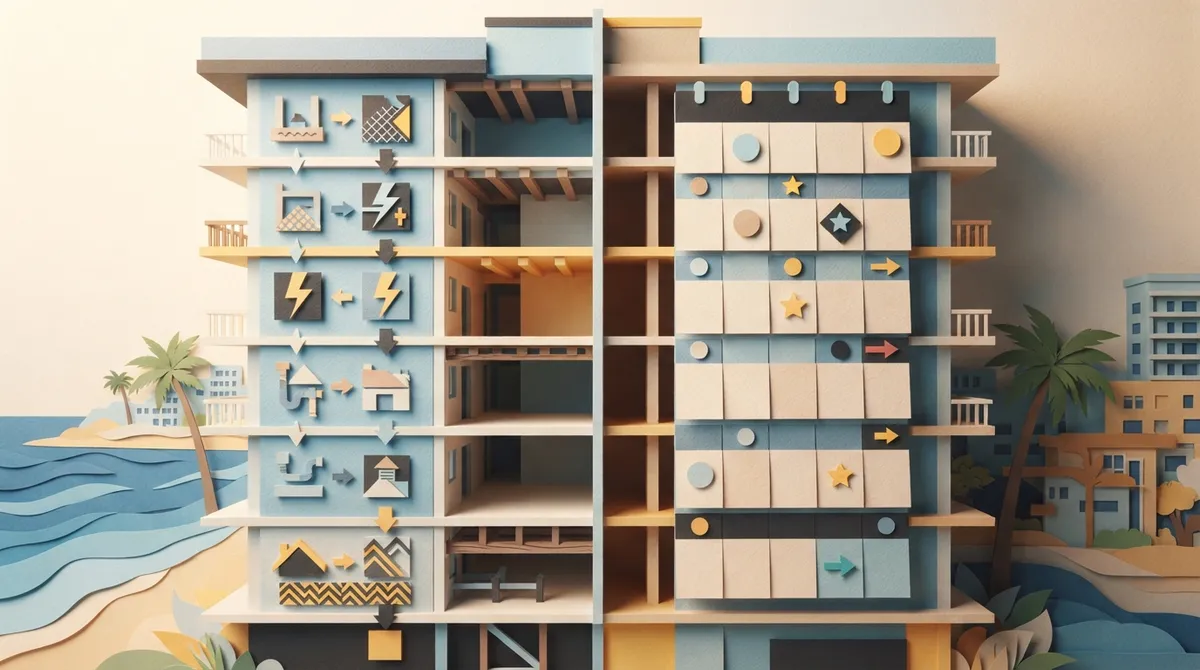
Key Takeaways
-
SIRS is a reserve-funding study required for Florida condos with 3+ habitable stories, while milestone inspections check current structural safety; both are separate and many buildings need both.
-
Lauderdale-by-the-Sea coastal buildings need milestone inspections at 25 years, inland at 30 years, then every 10 years after; verify your building's location with the Town and Broward County for exact deadlines.
-
Many associations had a December 31, 2025 deadline for their first SIRS, and some may complete it by December 31, 2026 alongside a milestone inspection; verify your specific deadline with legal counsel immediately.
-
A SIRS must be updated at least every 10 years after condo creation; a recent milestone inspection may satisfy the visual-inspection portion if statutory conditions are met, saving time and money.
-
Hire only qualified professionals; confirm their Florida license, written scope covering all required components, ability to coordinate with inspections, and clear cost-funding explanations before signing.
-
SIRS and milestone reports are planning tools, not safety certifications; boards must still follow repair timelines and local requirements, then communicate findings clearly to owners to build trust and avoid surprise assessments.
If you live on the board of a condo in Lauderdale-by-the-Sea, you have probably heard a lot of alphabet soup lately. SIRS. Milestone. Recertification. It is easy to mix them up, and that is totally normal! The good news is that you do not have to figure it all out alone.
Here is the short version. A Lauderdale-by-the-Sea structural integrity reserve study is a money-planning study. A milestone inspection is a building-condition check. They sound alike, but they do very different jobs. Many buildings need both.
In this friendly guide, we will compare the two side by side. You will learn what each one covers, who needs them, and how they work together in 2026. We will also share simple steps to help your board stay on track and avoid stress.
What Is a Structural Integrity Reserve Study (SIRS)?
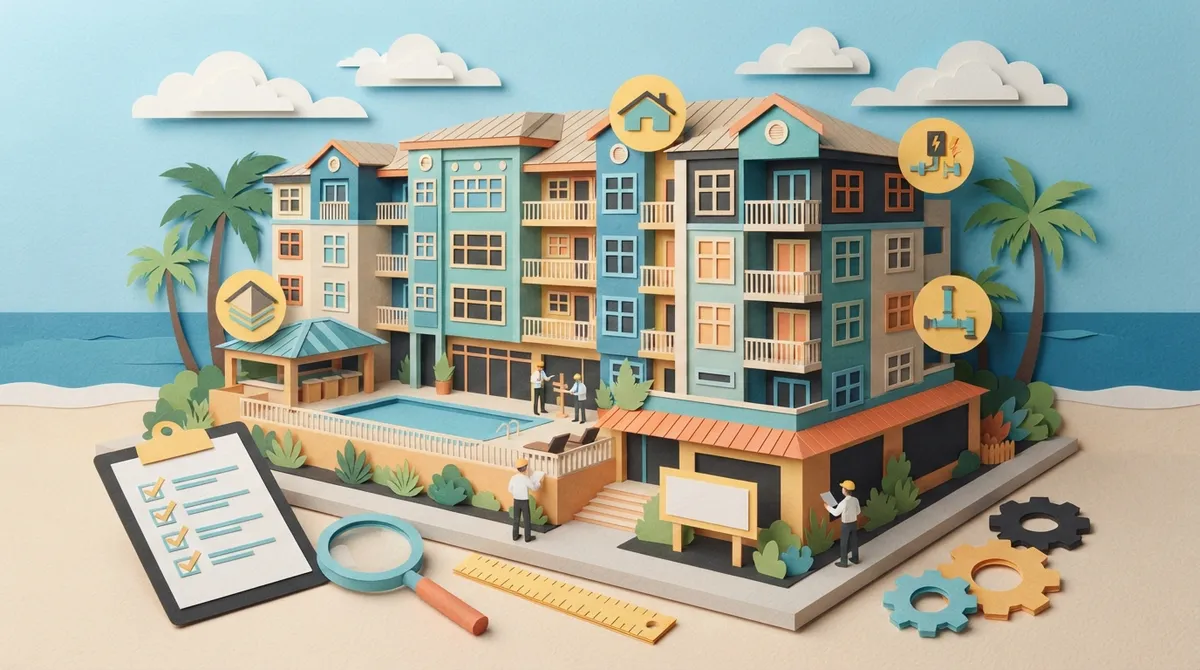
A Structural Integrity Reserve Study, or SIRS, is a Florida requirement for many condo buildings. The main rule comes from Florida Statutes § 718.112(2)(g). It applies to residential condo buildings that are three habitable stories or taller, with some exceptions.
Think of a SIRS like a savings plan for big building repairs. It looks at major parts of your building and asks two questions. How long will each part last? And how much money will it cost to fix or replace it?
Here is an important point for local boards. A Lauderdale-by-the-Sea structural integrity reserve study is not a special town study. It is the same state SIRS that applies across Florida. Your town and Broward County may still have their own building-safety steps, so always check locally.
What a SIRS Looks At
The law names specific parts of the building. A SIRS reviews these items:
- Roof
- Structure, including load-bearing walls and other primary structural members
- Floors
- Foundation
- Fire protection systems
- Plumbing
- Electrical systems
The study includes a visual look at these parts. It then estimates their remaining useful life and replacement costs. Finally, it builds a funding plan so your association can save the right amount over time.
What Is a Milestone Inspection?
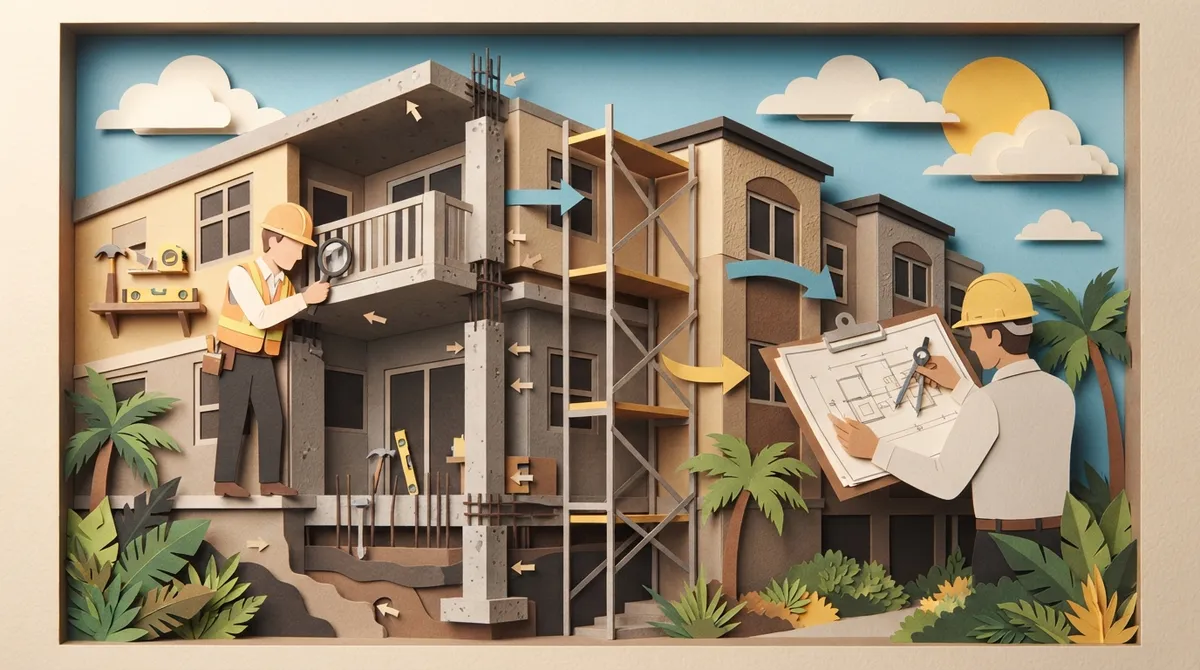
A milestone inspection is different. It focuses on the structural health of the building itself. It comes from Florida Statutes § 553.899. A licensed professional checks whether the building is safe and sound, and whether any structural problems need attention.
Timing matters here, and Lauderdale-by-the-Sea has a special twist. Because the town sits right on the coast, the shorter timeline often applies. Buildings within three miles of the coastline generally need a milestone inspection at 25 years. Buildings farther inland generally wait until 30 years. After that, inspections are generally needed every 10 years.
Your building’s exact location, age, and past inspections all matter. Always confirm the details with the Town of Lauderdale-by-the-Sea and the Broward County building-safety authority.
SIRS vs. Milestone Inspection: Side-by-Side Comparison
Let us put the two next to each other. This table makes the differences easy to see at a glance.
| Feature | SIRS | Milestone Inspection |
|---|---|---|
| Main purpose | Plan and fund future repairs | Check current structural safety |
| Main law | Fla. Stat. § 718.112(2)(g) | Fla. Stat. § 553.899 |
| Who it applies to | Residential condos, three habitable stories or more | Buildings reaching the age trigger |
| Timing | At least every 10 years after condo creation | 25 years near the coast, 30 years inland, then every 10 years |
| Result | Reserve funding plan | Structural condition findings |
| Replaces the other? | No | No |
The key takeaway is simple. One study looks ahead at costs. The other looks at the building today. Finishing one does not automatically satisfy the other.
Where Local Recertification Fits In
There is a third piece of the puzzle. Building recertification is a local process. In Broward County, it connects to the county’s building-safety program. Procedures and deadlines can differ by location, so your board should confirm what applies to your property.
If you want a closer look at how this works, our guide on Broward’s BSIP breaks it down. You can also read about Lauderdale-by-the-Sea milestone inspections for more local detail.
For a neighboring-county view, Miami-Dade has its own process. You can review the Miami-Dade County Recertification page to see how another South Florida county handles it.
Key Deadlines Your Board Should Know in 2026
Deadlines have shifted over the past few years, so this part deserves extra care. Under the statute’s transition rules, many qualifying owner-controlled associations that existed by July 1, 2022 had a December 31, 2025 deadline for their first SIRS.
There is also a limited option. Some associations may complete their SIRS alongside a milestone inspection that is due by December 31, 2026. Because it is now October 2026, that date is close. If this could apply to your building, now is the time to act.
Laws change, and rules have been amended. Please verify which deadline applies to your building with your attorney or the state. Do not rely on a single summary, including this one!
How Often Is a SIRS Updated?
After the first study, a SIRS must be updated at least once every 10 years after the condo was created. Your board should put the next update date on the calendar right away. That way it never sneaks up on you.
Can One Inspection Help With the Other?
Yes, and this can save time and money. A recent milestone inspection may be used for the visual-inspection part of a SIRS. This only works if the statutory conditions are met.
That is why smart boards plan both together. When the same team handles both, the work flows better. There is less repeat effort, fewer scheduling headaches, and clearer reports.
This is where having an experienced local team really helps. O’Reilly Consultants is a small, specialized engineering team serving Broward and Miami-Dade Counties. They focus on building recertification and safety-focused inspections, and they use tools like drones and 3D laser scanning for thorough, accurate evaluations. Their goal is to be the best choice for your building recertification needs.
Who Is Qualified to Perform a SIRS?
Not just anyone can do a SIRS. The statute sets qualifications for the person who prepares it. Your board should confirm the professional’s Florida license or other required qualification, the scope of work, and independence.
Before you hire, check these items:
- Confirm the professional meets the current statutory qualifications.
- Ask for a clear written scope covering every required building component.
- Make sure the work can be coordinated with any milestone inspection.
- Ask how the final report will explain costs and funding steps.
- Confirm the timeline works with your deadline.
For more help here, see our guide on how to choose licensed building inspectors for recertification. It walks through what to look for and what to avoid.
Who Benefits Most From This Guidance?
Different property owners face different challenges. Here is how these rules often land for each group:
- Condo association boards: You need a funded plan, clear deadlines, and happy residents.
- Commercial property owners: Local recertification may apply separately from the condo rules, so check your building type.
- HOA property managers: You juggle schedules and paperwork, so one coordinated team makes life easier.
- Apartment building owners: You want safe buildings and no legal surprises.
- Real estate investment firms: Clean reports help with insurance, refinancing, and sales.
A Simple Step-by-Step Plan for Your Board
Feeling overwhelmed? Take it one step at a time. Here is an easy roadmap:
- Confirm your building type. Check the number of habitable stories and whether the SIRS rule applies.
- Find your dates. Look up your certificate of occupancy date and your condo creation date.
- Check your deadlines. Verify the SIRS and milestone deadlines with your attorney or the state.
- Ask about local rules. Contact the Town of Lauderdale-by-the-Sea and the Broward County building-safety authority.
- Hire a qualified professional. Make sure they can coordinate the SIRS and any inspections.
- Review the findings together. Use the reports to plan repairs and set reserve contributions.
- Share the plan with owners. Clear communication builds trust and eases worry about assessments.
You may also like our 8 key steps in the building recertification process for a deeper look at the recertification side.
What Happens After the Reports Are Done?
Once your reports arrive, the real work begins. The findings help your board decide which repairs come first. They also help you set smart budgets and avoid sudden, painful special assessments.
One note of caution. These reports do not certify a building as safe or compliant on their own. They are tools for planning and decision-making. Your board should still follow any repair timelines and local requirements.
Related reading can help here too. Our article on Lauderdale-by-the-Sea HOA reserve studies explains how standard reserve planning differs from SIRS. And if you are weighing different assessment types, Lauderdale-by-the-Sea property condition assessments are worth a look.
The Verdict: Which One Does Your Condo Need?
So, which wins in the SIRS vs. milestone inspection showdown? Honestly, it is a tie, because many condo buildings need both. The SIRS protects your budget. The milestone inspection protects your structure. Together, they keep your building safe and your finances healthy.
If your condo is three or more habitable stories and sits near the coast, plan for both. Start early, verify your deadlines, and bring in a team that knows South Florida buildings well. You can also read our overview of the Lauderdale-by-the-Sea Structural Integrity Reserve Studies (SIRS) for more local context.
Ready to take the stress out of compliance? Request a free quote from O’Reilly Consultants today, or call us at (512) 567-1191 to talk with our team. You can also see what neighbors say when you visit our O’Reilly Consultants location on Google. We would love to help your building stay safe, funded, and on schedule in 2026 and beyond.
FAQs
Q: What is a Structural Integrity Reserve Study (SIRS) in Florida?
A: A SIRS is a reserve-planning study required for many Florida condo buildings that are three habitable stories or taller. It checks major parts like the roof, foundation, and fire protection, then builds a funding plan for future repairs. It is based on Florida Statutes § 718.112(2)(g).
Q: How is a SIRS different from a milestone inspection?
A: A SIRS plans and funds future repairs, while a milestone inspection checks the building’s current structural safety. Finishing one does not automatically satisfy the other, so many buildings need both. A recent milestone inspection may help with the visual part of a SIRS if the rules are met.
Q: How often must a Florida condo update its SIRS?
A: A SIRS must generally be updated at least once every 10 years after the condo was created. Transition rules affected the first deadline for many associations, so confirm your exact dates with your attorney or the state.
Q: When does a Lauderdale-by-the-Sea building need a milestone inspection?
A: Buildings within three miles of the coastline generally need one at 25 years, while inland buildings generally wait until 30 years. After that, inspections are generally needed every 10 years. Check with the Town of Lauderdale-by-the-Sea and Broward County for your building’s specific requirements.
Q: Who can perform a SIRS in Florida?
A: The person must meet the qualifications in the current statute. Boards should confirm the professional’s Florida license or other required qualification, the scope of work, and their independence before hiring.