

If you own or manage a building in South Florida, you’ve probably searched for “building inspection near me” at some point. Maybe you just received a county notice in the mail. Maybe your building is approaching a milestone age. Either way, you’re in the right place. Building recertification inspections are serious business in Miami-Dade and Broward Counties — and knowing what to expect can save you a lot of stress, money, and headaches.
South Florida has some of the strictest building inspection laws in the country. After the tragic 2021 Surfside collapse, regulations tightened even further. Today, buildings must pass structural and electrical inspections at specific age milestones. Missing a deadline can lead to fines, loss of your Certificate of Occupancy, or even utility shutoffs. That’s why understanding the process is so important — and why choosing the right inspection partner matters just as much.
Let’s walk through the seven most important things you need to know about finding and completing a building recertification inspection near you in 2026.

1. What Is a Building Recertification Inspection?
A building recertification inspection is a mandatory safety assessment. It confirms that your building is still structurally sound and electrically safe for continued use and occupancy. This is different from a standard home inspection or a pre-sale walkthrough. Recertification is required by law for qualifying buildings at specific age milestones.
In Miami-Dade County, most buildings must be recertified at 30 years, and then again every 10 years after that. Coastal buildings that are three stories or more now must be inspected at 25 years, thanks to updated 2025 regulations. You can verify your building’s status directly through the Search Miami-Dade Building Recertification Cases portal.
The inspection covers two main areas:
- Structural systems — foundations, load-bearing walls, columns, beams, and roofs
- Electrical systems — wiring, panels, service equipment, and distribution systems
The goal is simple: make sure the building is safe for the people inside it.
2. Which Buildings Are Required to Be Inspected?
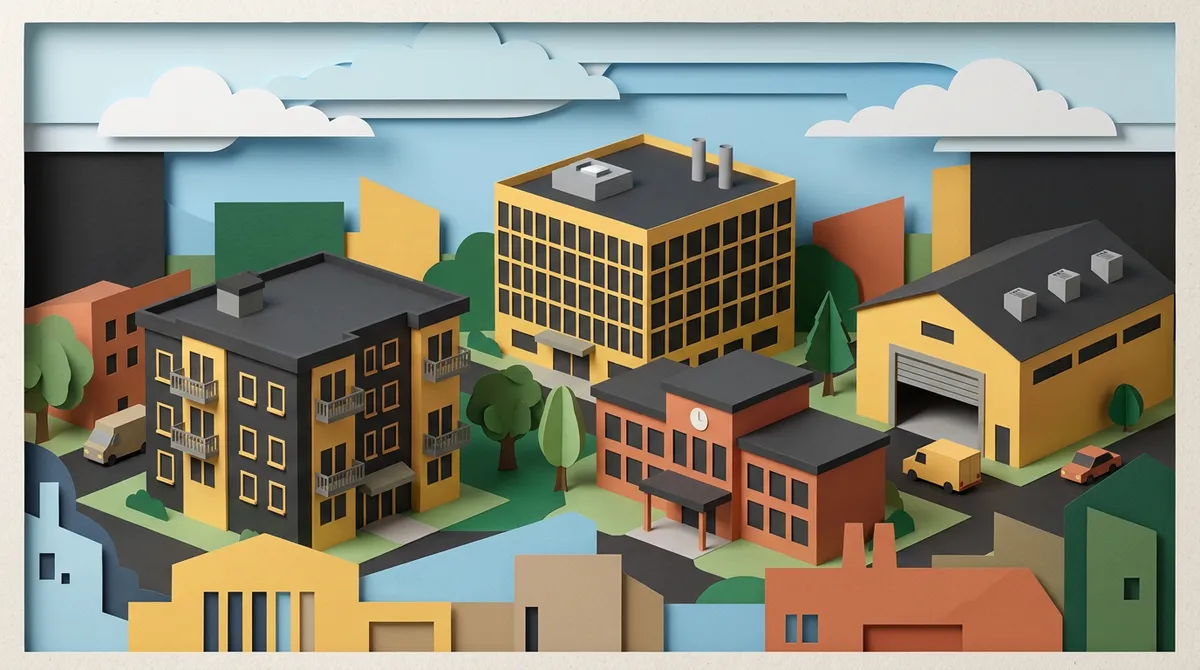
Not every building needs recertification. Here’s a quick breakdown of what applies and what doesn’t.
Buildings that require recertification include:
- Multi-family residential buildings (apartments, condos)
- Commercial buildings (offices, retail, hotels, warehouses)
- Buildings three stories or taller near the coast
- “Threshold” buildings — over 3 stories, 50 feet tall, or with large assembly spaces
Buildings that are generally exempt include:
- Single-family homes
- Duplexes
- Buildings under 2,000 square feet or with fewer than 10 occupants
- Certain agricultural or government-owned properties
If you’re unsure whether your building qualifies, check the official Miami-Dade County Recertification page for detailed guidance.

3. How the 90-Day Notice Process Works
When your building hits a recertification milestone, you’ll receive a Notice of Required Recertification from the county. This notice starts the clock. You have 90 days to submit a sealed report from a Florida-registered engineer or architect certifying that your building is structurally and electrically safe.
Here’s a simple step-by-step look at the process:
- Receive your official Notice of Required Recertification from the county
- Hire a licensed Florida engineer or architect to perform the inspection
- Inspector evaluates structural and electrical systems thoroughly
- Inspector prepares and submits a sealed report to the county
- If repairs are needed, obtain permits and complete the work
- Submit the final compliance documentation to close the case
For example, Miami-Dade County sent out 2026 recertification notices on January 7th, making the submission deadline April 7th. Some jurisdictions allow a 60-day extension, but don’t count on it — it’s best to start as soon as possible. You can learn more about the full recertification process at 40 Year Recertification.
4. What Inspectors Actually Look For
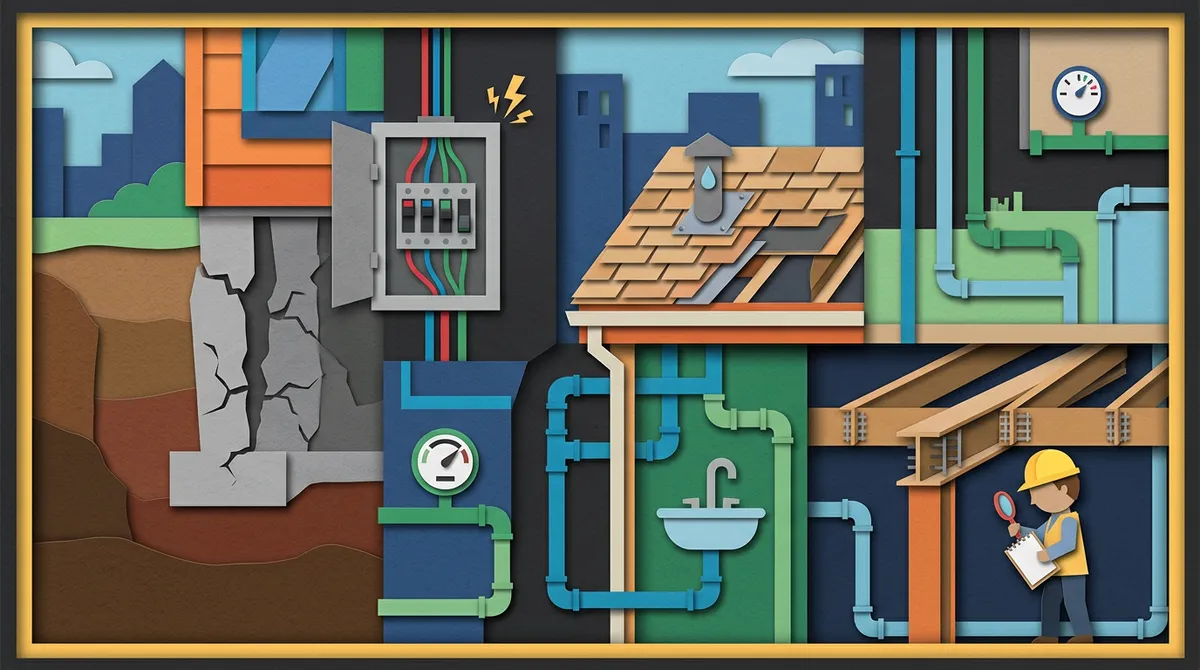
Knowing what gets evaluated helps you prepare. A thorough recertification inspection goes well beyond a surface-level check. Inspectors are trained to find signs of structural distress and electrical deficiencies that could pose safety risks.
Here’s what a structural inspection typically covers:
- Foundation integrity and signs of settlement or movement
- Cracks in load-bearing walls, columns, and beams
- Corrosion or deterioration of structural steel or concrete
- Roof structure and decking condition
- Signs of water intrusion that may have weakened structural members
Electrical inspections check service panels, wiring conditions, grounding systems, and distribution equipment. If your building has visible foundation cracks or hairline cracks in commercial buildings, these will be carefully documented and assessed.
Threshold buildings — those over three stories or 50 feet tall — require engineers with specialized threshold inspection certifications. This is especially relevant for condo boards, commercial property owners, and real estate investment firms managing larger assets in South Florida.
5. What Happens If Repairs Are Needed
Don’t panic if the inspector finds issues — it’s more common than you might think. The recertification process is designed to identify problems, not to penalize building owners for having them. The key is responding quickly and correctly.
Here’s what typically happens when repairs are required:
- The inspector’s report identifies deficiencies with specific recommendations
- The county may issue a temporary “Safe to Occupy” letter while repairs are underway
- You obtain the necessary building permits for the repair work
- Licensed contractors complete the repairs under proper supervision
- The engineer re-inspects and submits a final compliance report to close the case
The importance of 40-year building recertification for property longevity can’t be overstated. Catching and correcting issues early protects residents, preserves property value, and keeps your building insurable and financeable.
6. The Real Cost of Non-Compliance
Missing your recertification deadline has serious consequences. This isn’t the kind of deadline you can let slip. Counties take building safety seriously — especially after Surfside — and the penalties reflect that.
Here’s a summary of what non-compliance can lead to:
| Consequence | Description | Impact Level |
|---|---|---|
| Administrative Hearings | Formal county review of your non-compliance | Moderate |
| Monetary Fines | Daily or lump-sum penalties for missed deadlines | High |
| Certificate of Occupancy Revocation | Building may no longer be legally occupied | Very High |
| Utility Disconnection | Water and electric services may be shut off | Critical |
| Insurance Issues | Non-compliance can void or reduce coverage | Very High |
For condo association boards and HOA property managers, a lapsed certification can create massive liability and resident displacement. For commercial property owners and real estate investment firms, it can stall sales, refinancing, or lease renewals. The bottom line: start early and don’t cut corners.
7. Choosing the Right Building Inspector Near You
When you search for a building inspection near you, the most important thing is finding a licensed, experienced team that understands South Florida’s specific recertification requirements. Not every engineer or inspector has the knowledge — or the tools — to do this right.
Here’s what to look for when choosing a recertification partner:
- Florida licensure — Only Florida-registered engineers or architects can submit sealed recertification reports
- Local experience — Familiarity with Miami-Dade and Broward County requirements is essential
- Advanced technology — Drones and 3D laser scanning allow for more thorough, accurate evaluations
- Full-service capability — Look for teams that handle structural, electrical, and illumination inspections together
- Clear reporting — Reports should include actionable recommendations, not just findings
- Experience with threshold buildings — If your building is over 3 stories or 50 feet tall, this expertise is critical
That’s where O’Reilly Consultants stands apart. Led by qualifying architect Sherard O’Reilly and supported by engineer Catalina Torres (27 years of civil engineering experience) and project engineer Rafael Ojeda (16+ years in environmental due diligence with over 1,000 Phase I assessments completed), the team brings unmatched depth to every inspection. You can learn more about O’Reilly Consultants and what makes their approach different.
The team uses drones and 3D imaging for thorough, fast evaluations — giving you detailed reports with clear next steps. They serve apartment buildings, condos, commercial properties, offices, and industrial buildings across Broward and Miami-Dade Counties. Want to see what clients are saying? Visit us on Google to read reviews and get a feel for the experience.
Making Building Recertification Work for Your Property Type
Different property types come with different concerns. Here’s a quick look at how recertification applies to the most common building owners searching for inspection services near them:
- Condo association boards — Need timely inspections to protect residents and comply with both county and HOA requirements
- Commercial property owners — Must meet threshold inspection standards for larger, more complex structures
- HOA property managers — Benefit most from advanced technology that speeds up inspections and simplifies documentation
- Apartment building owners — Require comprehensive assessments covering structural, electrical, and overall property condition
- Real estate investment firms — Need clean, well-documented reports to support transactions, financing, and insurance renewals
No matter which category you fall into, the process is the same. Start early. Hire the right licensed team. Submit complete, accurate documentation on time. And work with experts who can guide you from notice to compliance without the stress.
Your Next Steps
Building recertification doesn’t have to be overwhelming. Whether you just received your county notice or you’re planning ahead for an upcoming milestone, now is the perfect time to take action. The 90-day window moves faster than you’d expect, especially when repairs are involved.
O’Reilly Consultants is here to guide you through every step — from your first inspection to your final compliance submission. Their team handles 10-, 25-, and 40-year recertifications across Broward and Miami-Dade Counties, using advanced tools and clear, detailed reporting that goes beyond county minimums. You also get access to related services like SIRS, property condition assessments, and HOA reserve studies — all in one place.
Ready to get started? Request a free recertification quote today and take the first step toward full compliance and lasting peace of mind.
FAQs
Q: How do I find a qualified building inspection near me for recertification in South Florida?
A: Great question! You’ll want to look for a Florida-licensed engineer or architect with direct experience in Miami-Dade and Broward County recertification requirements. Teams like O’Reilly Consultants specialize in exactly this type of inspection and can guide you through the entire process from notice to final compliance submission.
Q: How long do I have to complete a building recertification after receiving my notice?
A: You have 90 days from the date on your Notice of Required Recertification to submit your sealed inspection report. Some jurisdictions may allow a 60-day extension in certain situations, but it’s always best to start the process as soon as you receive your notice — those 90 days go by fast!
Q: What buildings are exempt from Miami-Dade building recertification requirements?
A: Single-family homes, duplexes, buildings under 2,000 square feet, and buildings with fewer than 10 occupants are generally exempt from recertification. Certain agricultural and government properties may also be exempt. If you’re unsure, the Miami-Dade County Recertification portal is a great resource to double-check your building’s status.
Q: What happens if I miss the 90-day building recertification deadline?
A: Missing the deadline can lead to administrative hearings, daily fines, revocation of your Certificate of Occupancy, or even utility disconnections — none of which are fun to deal with! The good news is that starting early with a qualified team makes the whole process smooth and stress-free, so don’t wait to reach out.
Q: Are there new 2025 or 2026 regulations affecting building recertification in South Florida?
A: Yes! Updated regulations now require coastal buildings that are three stories or more to undergo their first recertification at 25 years instead of 30 years, with continued inspections every 10 years after that. These changes were introduced following the Surfside collapse and reflect a stronger commitment to building safety across South Florida.