Key Takeaways
-
Buildings in Weston that are 25 years old or older must undergo mandatory electrical safety inspections by 2026, with recertification required every 10 years thereafter under Broward County’s updated Building Recertification program.
-
Infrared thermography is required for electrical services of 400 amps or greater and is critical in Florida’s climate to detect overheating connections and corrosion that invisible to naked eye inspection.
-
Threshold buildings (over 3 stories, 50 feet tall, or assembly spaces over 5,000 sq ft with 500+ occupants) must hire licensed Structural and Electrical Engineers specifically, while other buildings can use licensed Professional Engineers or Architects.
-
The recertification process requires submitting both a structural and electrical report through Weston’s ePermits portal, with each report incurring a $99.37 review fee plus costs for any required repairs under Florida Building Code.
-
Common electrical deficiencies in older South Florida buildings include corroded conduits, overloaded breaker panels, deteriorated wiring insulation, and faulty grounding—catching these at 25 years prevents emergencies and is more cost-effective.
-
Property owners should proactively schedule inspections before receiving the city notice to avoid the tight 90-day deadline and allow time to budget for inspection fees, repair permits, and contractor costs.
If you own or manage a building in Weston, Florida, there’s a good chance you’ve received a notice about electrical safety inspections. Maybe it landed on your desk and you weren’t sure what to do next. You’re not alone! Many condo boards, HOA managers, apartment owners, and commercial property owners feel the same way. The good news is that understanding Weston electrical safety inspections is simpler than you might think — and getting compliant can actually protect your investment, your residents, and your peace of mind.
Weston follows Broward County’s updated Building Recertification program, which requires electrical and structural inspections for buildings that are 25 years old or older. These inspections aren’t just bureaucratic red tape — they’re designed to catch real hazards before they become real disasters. Let’s walk through everything you need to know, from what the inspection covers to who needs one and how to get through the process smoothly.

What Is the Weston Building Recertification Program?
Weston operates under Broward County’s Building Recertification program, governed by Florida Statute F.S. 553.899 and overseen by the Broward County Board of Rules and Appeals (BORA). In 2026, buildings that are 25 years or older must undergo their first recertification inspection. After that, recertification happens every 10 years.
This program was updated from the previous 40-year threshold, meaning more buildings now fall under mandatory inspection requirements. If your building was constructed in 2001 or earlier, you likely need to act now. You can learn more about how these timelines work by reading about the 40-year recertification process and why it matters for long-term property health.

Who Needs a Weston Electrical Safety Inspection?
Not every property in Weston is affected equally, but the scope is broad. Here are the main property types that need to schedule electrical safety inspections as part of recertification:
- Condominium buildings managed by condo association boards
- Multi-family apartment buildings with multiple residential units
- Commercial properties including offices, retail plazas, and hotels
- HOA-managed residential complexes with shared structures
- Threshold buildings — those over 3 stories or 50 feet tall, or assembly spaces over 5,000 sq ft with 500 or more occupants
Threshold buildings face stricter requirements. They must have their inspections performed by licensed Structural and Electrical Engineers specifically. For all other buildings, a licensed Professional Engineer or Architect is acceptable. This distinction matters when you’re hiring your inspection team — don’t overlook it.
What Does an Electrical Safety Inspection Actually Cover?
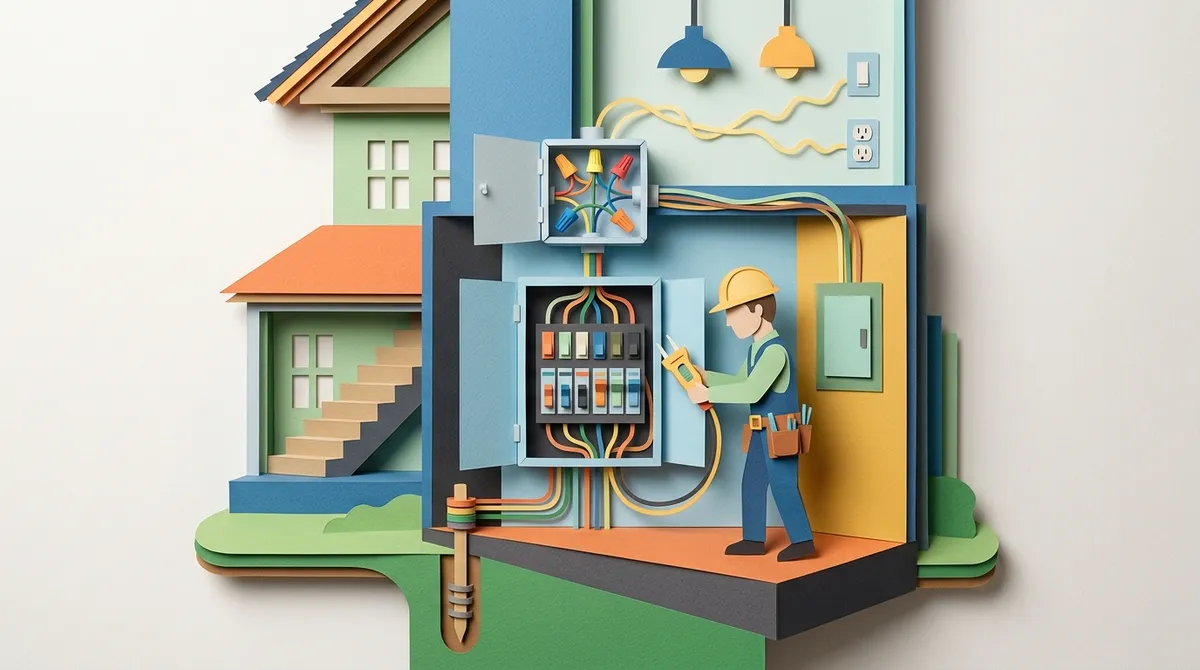
This is where many property owners get curious. A Weston electrical safety inspection for building recertification is far more thorough than a standard home inspection. It looks at the core electrical infrastructure of your entire building. Here’s what inspectors typically evaluate:
- Main service equipment and electrical panels
- Breaker panels and circuit breakers
- Feeders and distribution systems
- Raceways and conduit systems
- Grounding and bonding systems
- Outdoor electrical components
- Emergency lighting systems
- Infrared thermography for services of 400 amps or greater
That last point is worth highlighting. Infrared thermography uses heat-detection imaging to spot overheating connections, loose wiring, and failing components that are invisible to the naked eye. It’s one of the most powerful tools for catching electrical hazards early — and it’s required for buildings with higher-amperage services.
Why Infrared Thermography Matters in Florida
Florida’s hot, humid climate is tough on electrical systems. Salt air near the coast accelerates corrosion. High temperatures stress insulation and connections. Infrared scanning identifies these issues before they cause fires or outages. For building owners in Weston, this technology isn’t just a regulatory checkbox — it’s genuinely protective.

The Step-by-Step Recertification Process in Weston
Navigating the recertification process doesn’t have to be stressful. Here’s a clear sequence to follow:
- Receive the notice: The City of Weston will send you a notification when your building is due for recertification. Don’t ignore it — there are deadlines attached.
- Hire a licensed professional: Engage a licensed Professional Engineer, Architect, or (for threshold buildings) a licensed Structural and Electrical Engineer.
- Schedule and complete the inspection: Both a structural inspection and an electrical inspection are required. One report per discipline must be submitted.
- Address any deficiencies: If issues are found, you’ll need to pull separate building permits and hire licensed contractors to complete repairs under Florida Building Code.
- Submit reports online: All reports are submitted through Weston’s ePermits portal. Each report carries a review fee of $99.37.
- Maintain your records: Keep documentation on file. Your next recertification will be due 10 years later.
Teams like O’Reilly Consultants guide property owners through every step of this process — from receiving the county notice to submitting final documentation. That kind of full-service support saves you time and significantly reduces stress.
What Happens If Deficiencies Are Found?
Finding deficiencies during an electrical safety inspection isn’t a failure — it’s actually the system working correctly. The goal is to identify problems before they become emergencies. Here’s what you can expect if your inspection reveals issues:
- The engineer’s report will document all deficiencies with photos and descriptions
- You’ll need to apply for separate building permits for repair work
- Repairs must be completed by licensed general contractors and electrical contractors
- All work must comply with Florida Building Code and Weston’s fee schedule
- A follow-up inspection may be required to confirm compliance
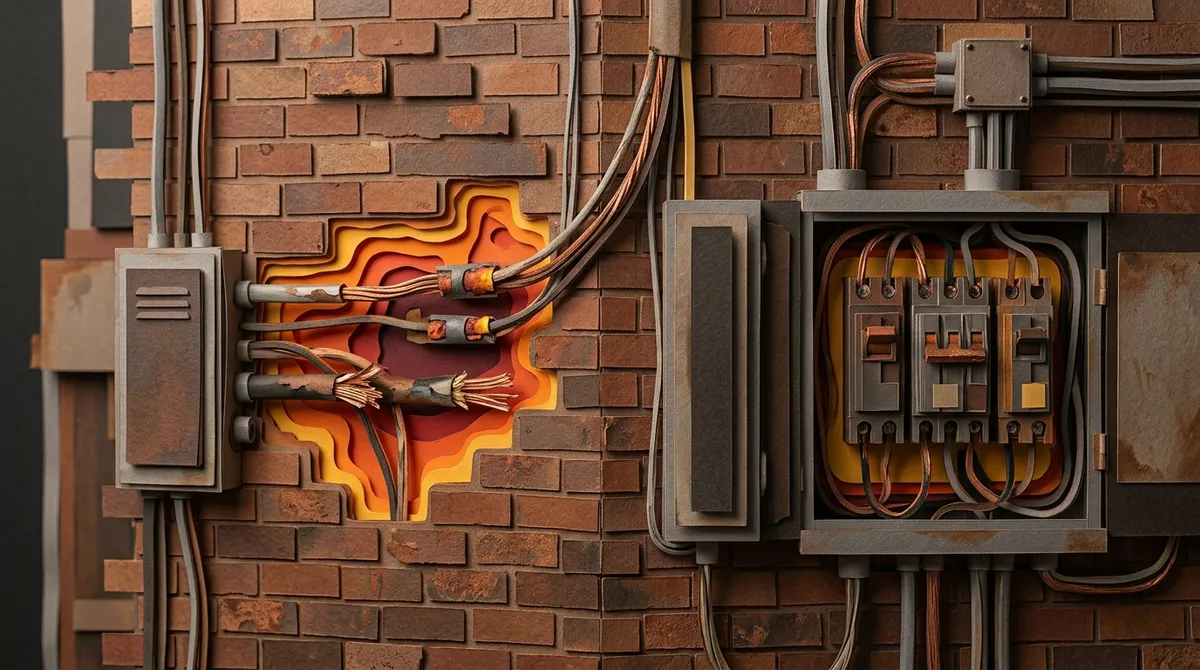
The most common electrical deficiencies found in older South Florida buildings include corroded conduits, overloaded breaker panels, deteriorated wiring insulation, and faulty grounding. Florida’s climate accelerates wear on these systems, which is why catching issues at 25 years — rather than waiting until 40 — makes such a difference.
To understand more about how building deterioration affects safety over time, the article on the importance of 40-year building recertification for property longevity provides excellent context.
Fees and Submission Requirements at a Glance
It helps to have the key numbers in one place. Here’s a quick overview of what to expect financially and procedurally:
| Requirement | Details |
|---|---|
| First inspection age | 25 years old (updated from 40 years) |
| Recertification frequency | Every 10 years after initial inspection |
| Reports required | One structural report + one electrical report |
| Review fee per report | $99.37 |
| Submission method | Weston’s ePermits portal |
| Photo requirement | Photo of building with visible address must be included |
| Infrared thermography | Required for electrical services of 400 amps or greater |
Why Advanced Technology Makes a Big Difference
Not all building inspections are created equal. The tools your inspection team uses directly affect the quality of the report — and the accuracy of the deficiency findings. Modern recertification teams use advanced technology to deliver more thorough evaluations in less time.
For example, drones can access hard-to-reach areas of a building’s exterior safely and efficiently. 3D laser scanning creates precise measurements and documentation of structural conditions. Infrared cameras detect heat anomalies in electrical systems that would be completely invisible otherwise. These tools don’t just make inspections faster — they make them more reliable.
O’Reilly Consultants uses advanced tools like drones and 3D imaging to provide thorough evaluations with fast, accurate estimates and clear, actionable reports. This approach is especially valuable for condo boards and HOA managers who need to meet 90-day inspection deadlines without cutting corners.
Serving Multiple Property Types in Weston
Whether you manage a high-rise condo, a mid-rise apartment complex, or a commercial office building, recertification requirements apply. O’Reilly Consultants serves a wide range of property types, including:
- High-rise and mid-rise condominiums
- Multi-family apartment buildings
- Office and industrial buildings
- Retail plazas and mixed-use properties
- HOA-managed residential communities
Their team includes qualifying architect Sherard O’Reilly, Construction Manager and Engineer Catalina Torres with 27 years of civil engineering experience, and Project Engineer Rafael Ojeda with 16+ years in environmental due diligence. This depth of expertise means your building gets a thorough, multi-disciplinary assessment.
How Weston Compares to Miami-Dade Requirements
If you own properties in both Broward and Miami-Dade Counties, it’s helpful to understand how the programs differ. Both counties require periodic recertification, but the specific timelines, fees, and submission processes vary. Miami-Dade County Recertification has its own program framework, and you can also search Miami-Dade Building Recertification Cases online to check the status of a specific property.
Understanding how structural deterioration affects both systems is equally important. The article on understanding foundation cracks and hairline cracks in commercial buildings offers valuable insight into structural vulnerabilities that often accompany aging electrical systems.
Tips for Condo Boards and HOA Managers
If you’re on a condo association board or managing an HOA, here are some practical tips to stay ahead of your Weston electrical safety inspection requirements:
- Know your building’s age: Calculate when your 25-year and subsequent 10-year milestones fall.
- Budget in advance: Inspection fees, repair permits, and contractor costs add up. Plan ahead.
- Don’t wait for the notice: Proactively scheduling inspections avoids last-minute scrambling.
- Choose qualified professionals: Verify licenses before hiring anyone to perform recertification inspections.
- Document everything: Keep all inspection reports and permits for future recertification cycles.
The 90-day inspection deadline can feel tight, especially when coordinating among board members, contractors, and tenants. Having an experienced partner who knows the Weston and Broward County process inside and out makes all the difference.
The Bottom Line on Weston Electrical Safety Inspections
Weston electrical safety inspections are a mandatory, meaningful part of keeping your building safe and legally compliant. The updated 25-year threshold means more buildings are now in scope, and the consequences of missing your deadline — from fines to potential occupancy issues — are real. But with the right team and a clear process, recertification is very manageable.
Florida’s climate creates unique challenges for electrical systems, and these inspections are genuinely designed to catch problems before they become emergencies. Whether you’re a condo board member, a commercial property owner, or a real estate investment firm managing a portfolio of aging South Florida buildings, staying current on recertification protects your asset and your residents.
If you’re ready to get started or just want to understand your options, you can visit O’Reilly Consultants on Google to read reviews from property owners who’ve navigated this process successfully. When you’re ready to take the next step, request a free consultation with the O’Reilly Consultants team and get expert guidance tailored to your building’s specific needs and timeline.
FAQs
Q: When is the first electrical safety inspection required for buildings in Weston, FL?
A: Great question! Under Broward County’s updated Building Recertification program, your building’s first inspection is required when it reaches 25 years of age. After that initial inspection, recertification is required every 10 years — so it’s worth marking those milestones on your calendar now!
Q: Who is qualified to perform Weston electrical safety inspections for building recertification?
A: For most buildings, a licensed Professional Engineer or Architect can perform the electrical safety inspection. However, if your building is a threshold building — meaning it’s over 3 stories or 50 feet tall — you’ll specifically need a licensed Electrical Engineer. Always verify credentials before hiring to make sure your report will be accepted by the city.
Q: How much does the Weston building recertification review fee cost?
A: The City of Weston charges a review fee of $99.37 per report — and keep in mind that both a structural report and an electrical report are required, so you’re looking at two separate fees. Reports are submitted online through Weston’s ePermits portal, which makes the process pretty straightforward once you have your documentation ready.
Q: Is infrared thermography required for all Weston electrical recertification inspections?
A: Not for every building, but it’s required for electrical services of 400 amps or greater. If your building has a higher-amperage service — which is common in larger commercial and multi-family properties — infrared thermography is a mandatory part of the inspection. It’s actually a fantastic tool for detecting hidden hazards, so think of it as an added layer of protection for your building!
Q: What happens if electrical deficiencies are found during my Weston building recertification inspection?
A: Finding deficiencies is actually the system doing exactly what it’s supposed to do — catching problems early! If the inspector identifies issues, you’ll need to apply for separate building permits and hire licensed contractors to complete the repairs under Florida Building Code. Once repairs are done, you may need a follow-up inspection to confirm everything meets compliance standards.