
Key Takeaways
-
Florida law requires condo and co-op buildings with 3+ habitable stories to complete a two-part SIRS by December 31, 2024, including a visual inspection of 10 statutory components and a mandatory 30-year reserve funding plan with no waivers allowed.
-
SIRS must be repeated every 10 years after the initial study, and associations cannot skip reserve funding or vote to waive requirements—full funding per the study's recommendations is now legally mandated.
-
Only licensed engineers or architects with specific reserve study expertise can perform SIRS; general contractors or property managers cannot conduct these assessments, making professional qualification critical.
-
Associations must distribute SIRS summaries to all unit owners, submit findings to local building officials, incorporate reserve recommendations into annual budgets, and track compliance—missing deadlines exposes boards to fines and legal liability.
-
SIRS and Broward County's 25-year building recertification are separate requirements that operate on similar 10-year cycles; planning both together during the same inspection window saves money and improves efficiency.
-
Buildings exempt from SIRS include those under three stories, four-family dwellings with three or fewer stories, and non-condominium properties; verify your building's status with a licensed professional immediately.
If you manage or own a condo building in Plantation, Florida, you’ve probably heard the term Plantation Structural Integrity Reserves Studies (SIRS) come up more and more lately. And honestly? It can feel a little overwhelming at first. Between new legislation, funding requirements, and coordinating with engineers, there’s a lot to keep track of. But here’s the good news — once you understand the basics, SIRS becomes much less intimidating and a whole lot more manageable.
This article breaks down the three most important things every Plantation condo board, property manager, and building owner needs to know about SIRS in 2026. Whether you’re just getting started or trying to make sense of recent legislative updates, we’ve got you covered in plain, simple language.
What Is a Structural Integrity Reserve Study (SIRS)?
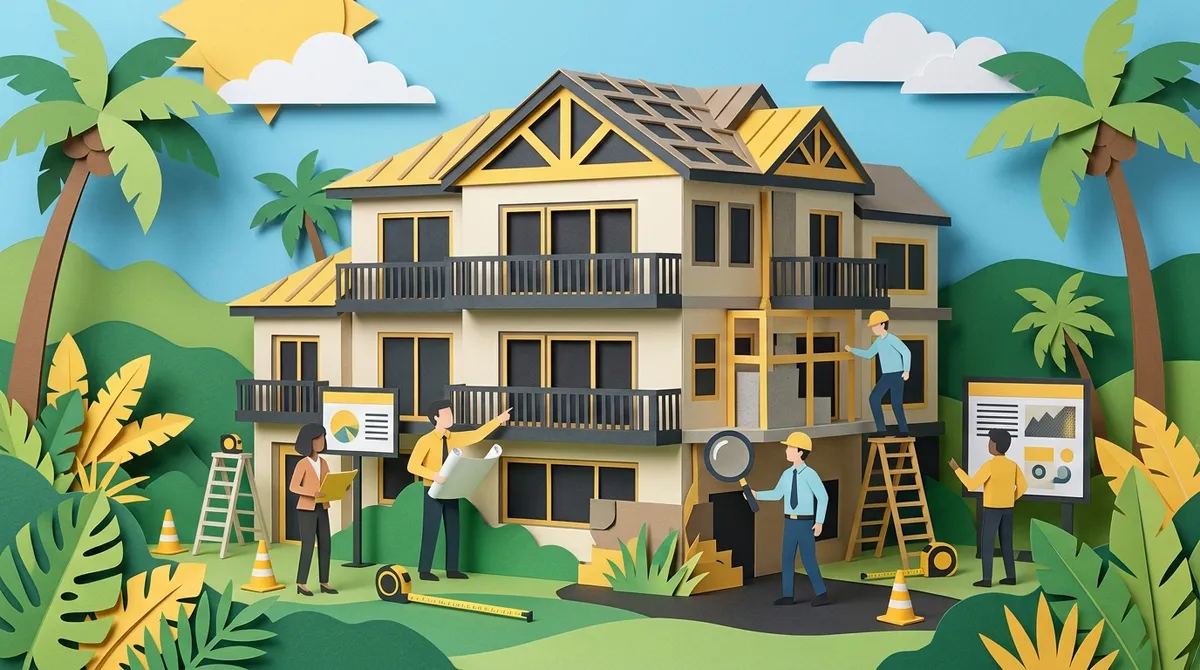
A Structural Integrity Reserve Study, or SIRS, is a two-part assessment required by Florida law for condominium and cooperative buildings that are three or more habitable stories tall. Think of it as a financial safety plan combined with a structural health check for your building.
The first part is a visual inspection of your building’s most critical components. The second part is a 30-year reserve funding plan that tells your association exactly how much money to set aside for future repairs. Both parts are required — you can’t have one without the other.
SIRS was created in response to the 2021 Surfside condominium collapse, which was a wake-up call for the entire state of Florida. Florida enacted Senate Bill 4-D in 2022, followed by SB 154 in 2023 and HB 913 in 2024, tightening the rules and closing loopholes. For buildings in Plantation and across Broward County, these laws are now a firm reality.
Wondering how SIRS fits into the broader picture of building inspections? Check out this helpful guide: What Is Building Recertification and Why Does It Matter?
SIRS vs. Milestone Inspections: What’s the Difference?
A lot of boards confuse SIRS with Milestone Inspections. They’re related, but they serve different purposes. Here’s a quick side-by-side comparison to clear things up:
| Feature | SIRS | Milestone Inspection |
|---|---|---|
| Primary Focus | Structural safety + reserve funding | Structural safety only |
| Includes Funding Plan? | Yes — 30-year reserve plan required | No |
| When Triggered | Every 10 years for 3+ story buildings | At 25 or 30 years of building age |
| Who Can Perform It | Licensed engineer or architect with reserve expertise | Licensed engineer or architect |
| Waivers Allowed? | No waivers permitted | No waivers permitted |
In Plantation specifically, SIRS also works hand-in-hand with the Broward County building recertification process, which begins at the 25-year mark and recurs every 10 years after that.

Thing 1 — Know Which Buildings in Plantation Require SIRS
Not every building in Plantation needs a SIRS — but many do. Knowing whether your property qualifies is the very first step. Let’s make it easy.
Buildings That Must Have a SIRS
Your building requires a SIRS if it meets all three of these criteria:
- It is a condominium or cooperative (not a standard apartment or HOA single-family community)
- It is three or more habitable stories tall
- The association was in existence before July 1, 2022 (for the initial study deadline of December 31, 2024)
For associations formed after July 1, 2022, SIRS must be completed from inception — meaning it’s built into the process from day one.
Buildings That Are Exempt
Some buildings don’t have to worry about SIRS at all. Exemptions include:
- Buildings under three stories in height
- Four-family dwellings with three or fewer stories
- Buildings that are not condominiums or cooperatives under Florida statute
If you’re unsure where your Plantation property stands, it’s always a smart move to check with a licensed professional. You can also learn how to choose licensed building inspectors for recertification to make sure you’re working with the right team from the start.
Thing 2 — Understand What a SIRS Actually Covers
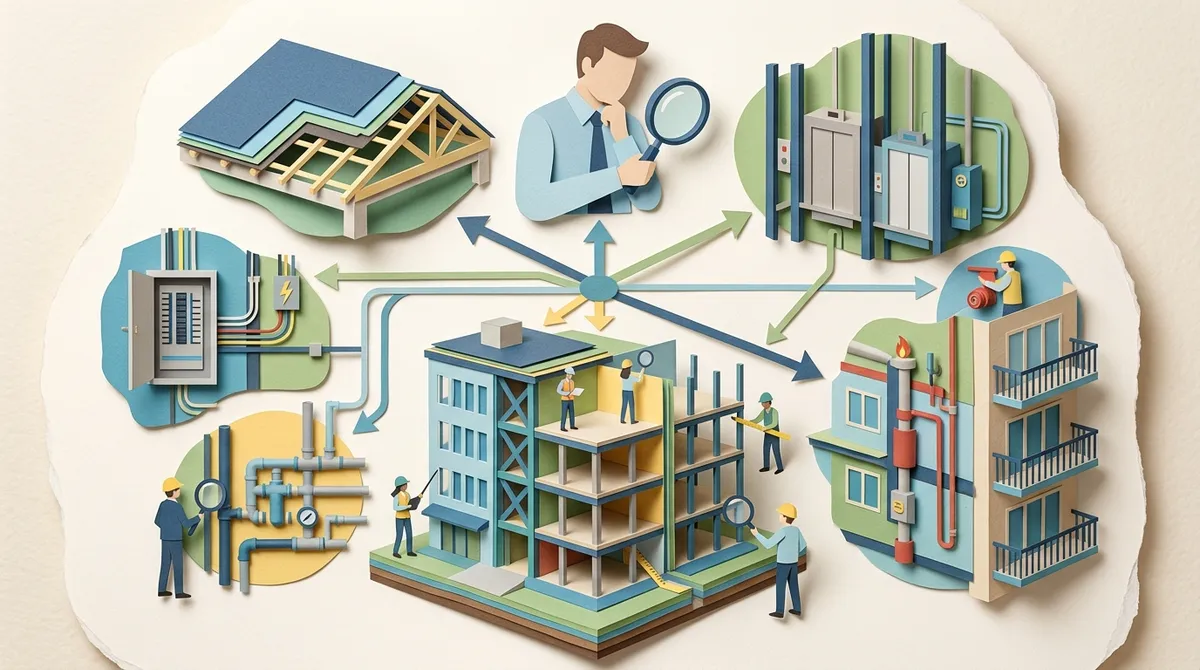
Once you know your building needs a SIRS, the next question is: what exactly gets inspected? Florida law is specific about this. A SIRS must include a visual inspection of 10 statutory components. These are the building elements most critical to structural integrity and long-term safety.
The 10 Components Evaluated in a Plantation SIRS
- Concrete structural systems — foundations, slabs, columns, and beams
- Load-bearing walls — interior and exterior walls that carry the building’s weight
- Roof systems — covering, decking, and drainage
- Balconies and railings — including attached structures like catwalks and stairwells
- Windows and exterior doors — especially those affecting weather resistance
- Waterproofing and exterior coatings — paint, sealants, and membrane systems
- Mechanical systems — HVAC, elevators, and other building equipment
- Electrical systems — panels, wiring, and distribution systems
- Plumbing systems — supply and drainage infrastructure
- Any other item with a deferred maintenance cost exceeding $10,000
Each of these components must be visually assessed, and the findings feed directly into your 30-year reserve funding plan. No waivers are allowed — your association must be fully funded per the study’s recommendations. This is a big change from the old days when associations could vote to waive reserve requirements.
Want to dig deeper into what a full building inspection covers? Here’s a great resource: What Does a Commercial Building Inspection Really Cover?
Who Can Perform a SIRS in Plantation?
Florida law requires that SIRS be conducted by a licensed engineer or architect who also has reserve study expertise. This isn’t a job for a general contractor or a property manager with good intentions. You need a credentialed professional who understands both structural engineering and long-term financial planning for buildings.
In Plantation and throughout Broward County, teams like O’Reilly Consultants are well-positioned to handle SIRS alongside full building recertification services. Their team includes licensed architects and engineers with deep experience in South Florida’s unique coastal conditions. Visit O’Reilly Consultants on Google to see client reviews and learn more about their work in Broward County.

Thing 3 — Stay on Top of SIRS Deadlines and Reporting Requirements
Missing a SIRS deadline isn’t just a paperwork headache. It can expose your association to fines, legal liability, and serious problems with insurance or financing. Let’s walk through the key dates and obligations your board needs to keep straight.
Key SIRS Deadlines for Plantation Buildings
- December 31, 2024 — Initial SIRS deadline for all qualifying associations in existence before July 1, 2022
- Every 10 years after — Recurring SIRS requirement updated by HB 913 (2024)
- Annual budget incorporation — SIRS findings must be reflected in your association’s annual operating budget
If your association hasn’t completed its initial SIRS yet, don’t panic — but do act quickly. Contact a licensed professional right away to assess your situation. You can also reach out to O’Reilly Consultants for a free consultation and find out exactly where you stand.
What Your Association Must Do With the SIRS Report
Once your SIRS is complete, it doesn’t just sit in a drawer. Florida law requires your association to take several concrete steps:
- Provide a summary of the SIRS to all unit owners
- Submit findings to the local building official (in Plantation, that’s through Broward County)
- Incorporate the reserve funding recommendations into the annual budget
- Begin collecting reserves in accordance with the 30-year plan — no skipping allowed
Broward County and the state of Florida have made it clear: full funding is not optional. For context on how Miami-Dade handles similar requirements, see Miami-Dade County’s official building recertification page. You can also search Miami-Dade building recertification cases to understand how neighboring counties manage compliance.
How SIRS Connects to Plantation’s 25-Year Recertification Cycle
Here’s something many boards in Plantation don’t realize: SIRS and building recertification are two separate requirements that work together. Broward County’s recertification process kicks in at the 25-year mark and recurs every 10 years. SIRS, on the other hand, is a state-level requirement triggered by building age and condo status.
In practice, this means your building may need both a SIRS and a recertification inspection during the same 10-year window. Planning for both at once is smart, efficient, and saves money. Learn more about the 25- and 40-year recertification process here: 40-Year Building Recertification: What Florida Owners Must Know.
For a useful comparison of what other Broward cities are doing with SIRS, check out these related articles: How to Complete a Margate Structural Integrity Reserve Study and 7 Key Facts About Fort Lauderdale SIRS You Must Know.
Quick SIRS Compliance Checklist for Plantation Boards
Here’s a simple checklist to help your board stay on track with Plantation Structural Integrity Reserves Studies (SIRS) requirements:
- ✅ Confirm your building is 3+ habitable stories and qualifies as a condo or co-op
- ✅ Verify your initial SIRS was completed by December 31, 2024
- ✅ Ensure your SIRS was performed by a licensed engineer or architect with reserve expertise
- ✅ Confirm all 10 statutory components were visually inspected
- ✅ Distribute the SIRS summary to all unit owners
- ✅ Submit the report to your local Broward County building official
- ✅ Update your annual budget to reflect the 30-year reserve funding plan
- ✅ Schedule your next SIRS no later than 10 years from the initial study
Also, if your building is approaching the 40-year mark, don’t forget that a separate recertification inspection is required. Read more: The Importance of 40-Year Building Recertification for Property Longevity.
You can also explore how other South Florida communities are managing their SIRS obligations: 7 Mistakes to Avoid With Plantation Electrical Safety Inspections and 5 SIRS Mistakes Coral Springs Condo Boards Must Avoid.
For additional guidance on the full recertification journey, see the 8 Key Steps in the Building Recertification Process (2026) and check out Certified vs. General Inspectors: Who Should Recertify Your Building? to make sure you’re hiring the right professional for the job. And for Florida-specific insights, the Florida Bar’s legal resources can provide additional context on condo law compliance.
Conclusion: Don’t Wait on Your Plantation SIRS
Staying compliant with Plantation Structural Integrity Reserves Studies (SIRS) requirements is one of the most important things your board or association can do in 2026. The laws are firm, the deadlines are real, and the consequences of non-compliance can be costly. But with the right team by your side, the whole process becomes much smoother.
O’Reilly Consultants brings deep expertise in SIRS, building recertification, and property assessments across Broward and Miami-Dade Counties. From drones and 3D laser scanning to detailed reserve reports and fully documented structural assessments, they provide everything you need to stay compliant and feel confident about your building’s future.
Ready to get started? Request your free SIRS consultation with O’Reilly Consultants today and take the first step toward full compliance and long-term peace of mind.
FAQs
Q: What is a Structural Integrity Reserve Study (SIRS) in Florida?
A: A SIRS is a two-part assessment required by Florida law for condo and co-op buildings that are three or more stories tall. It includes a visual inspection of 10 key structural components and a fully funded 30-year reserve plan — and no waivers are allowed!
Q: Which buildings in Plantation, FL need a SIRS?
A: Any condominium or cooperative building in Plantation that is three or more habitable stories tall is required to have a SIRS. Buildings under three stories, four-family dwellings with three or fewer stories, and non-condo properties are generally exempt.
Q: How often is a SIRS required for condos in Broward County?
A: After the initial SIRS (which was due by December 31, 2024, for older associations), the study must be repeated every 10 years. This recurring schedule was confirmed and updated by HB 913 in 2024, so mark your calendar!
Q: How does SIRS relate to the 25-year building recertification in Plantation?
A: SIRS and building recertification are two separate but complementary requirements. Broward County’s recertification process starts at 25 years and recurs every 10 years, and SIRS operates on a similar 10-year cycle — so planning for both together is a smart, cost-effective approach.
Q: Who can perform a SIRS in Plantation, Florida?
A: Florida law requires that a SIRS be performed by a licensed engineer or architect who also has reserve study expertise. Working with a qualified professional team like O’Reilly Consultants ensures your study meets all state and county requirements — and gives you peace of mind!