Key Takeaways
-
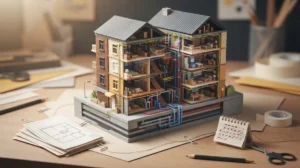
Buildings in Wilton Manors typically require mandatory recertification at 40 years old, then every 10 years after, covering structural elements and electrical systems to ensure safety and compliance with Broward County regulations.
-
Electrical safety is a critical component of recertification inspections, checking for outdated wiring, overloaded panels, and code violations that can create serious fire risks, especially in multi-unit buildings.
-
Missing recertification deadlines can result in fines, legal complications, property sale/refinance issues, and potential forced closure, making early planning 6-12 months before deadlines essential.
-
Condo associations, commercial property owners with buildings over 50 feet tall, HOA managers, and multi-family apartment owners are the primary property types requiring recertification in Wilton Manors.
-
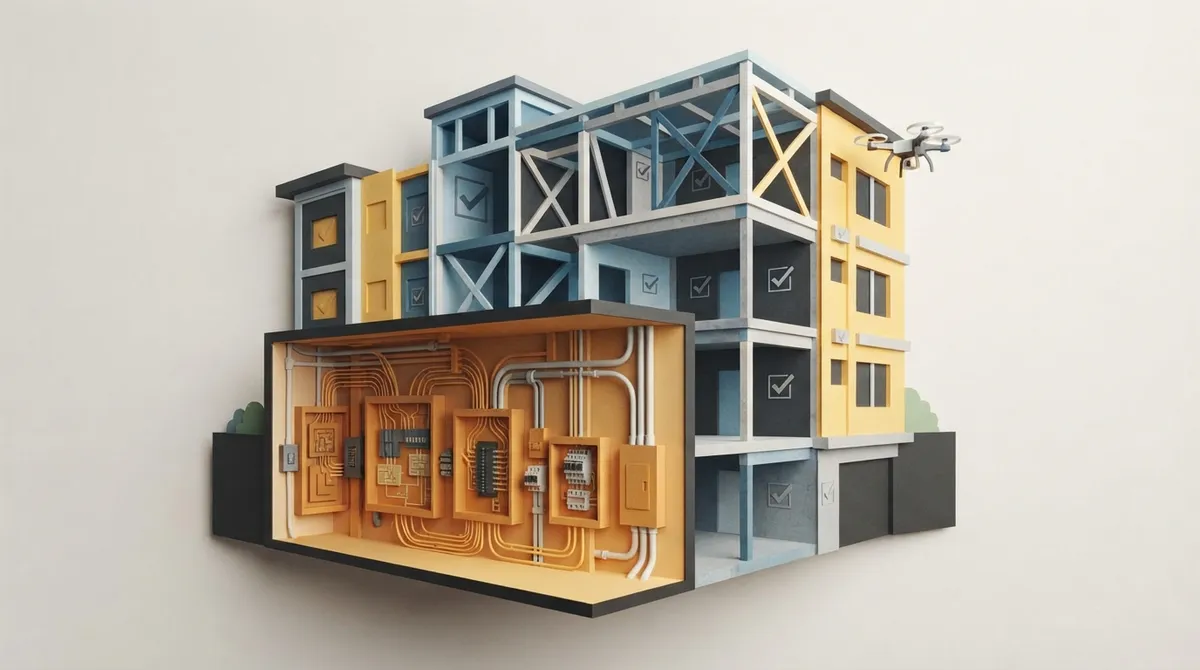
Modern inspection tools like drones and 3D laser scanning improve accuracy and speed of assessments compared to traditional methods, particularly for hard-to-reach structural areas.
-
Preparation and hiring a licensed, experienced inspection team with knowledge of local Broward County codes significantly reduces costs, catches issues early, and prevents expensive repairs later.
If you own or manage a building in Wilton Manors, you’ve probably heard the words “recertification” tossed around at HOA meetings or in a letter from the county. It can sound scary, but it doesn’t have to be. Think of it like a checkup for your building, similar to how you’d take your car in for a tune-up before a long road trip. The goal is simple: make sure your property is safe, sound, and ready for years to come.
Wilton Manors sits in Broward County, and many of its buildings are getting older. That means more properties are falling under mandatory inspection rules. Whether you’re on a condo board, manage an HOA, own a commercial building, or invest in South Florida real estate, understanding Wilton Manors building recertification can save you time, money, and a whole lot of stress. Let’s walk through the seven most important facts you need to know, in plain, friendly language.
1. What Wilton Manors Building Recertification Actually Means
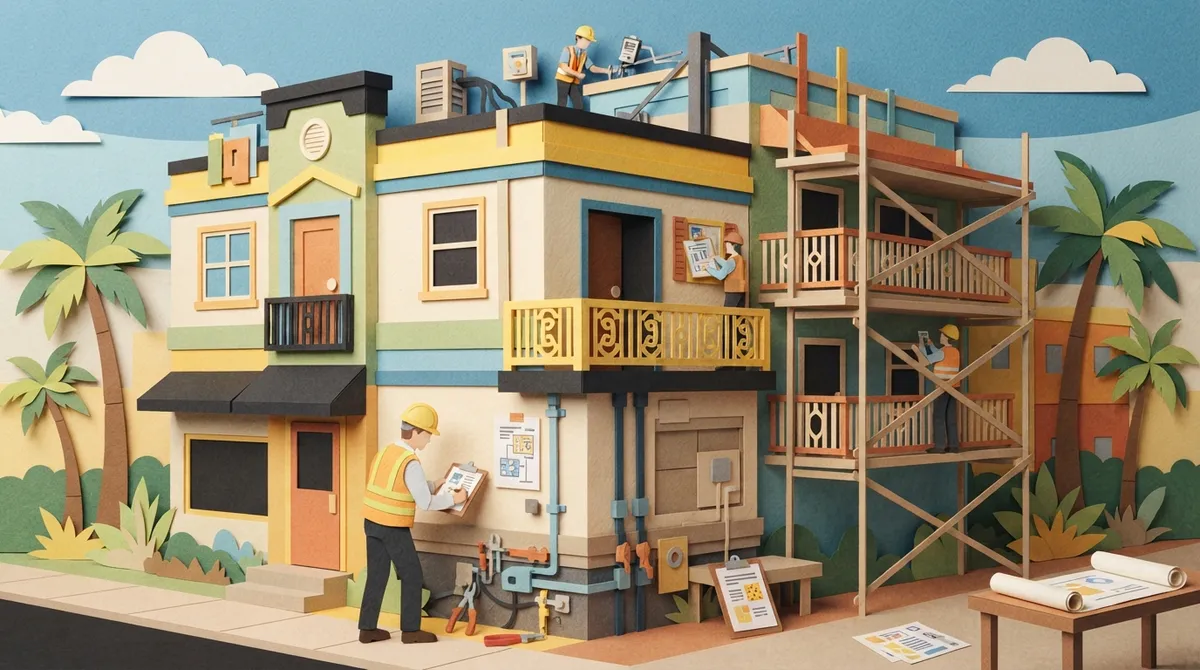
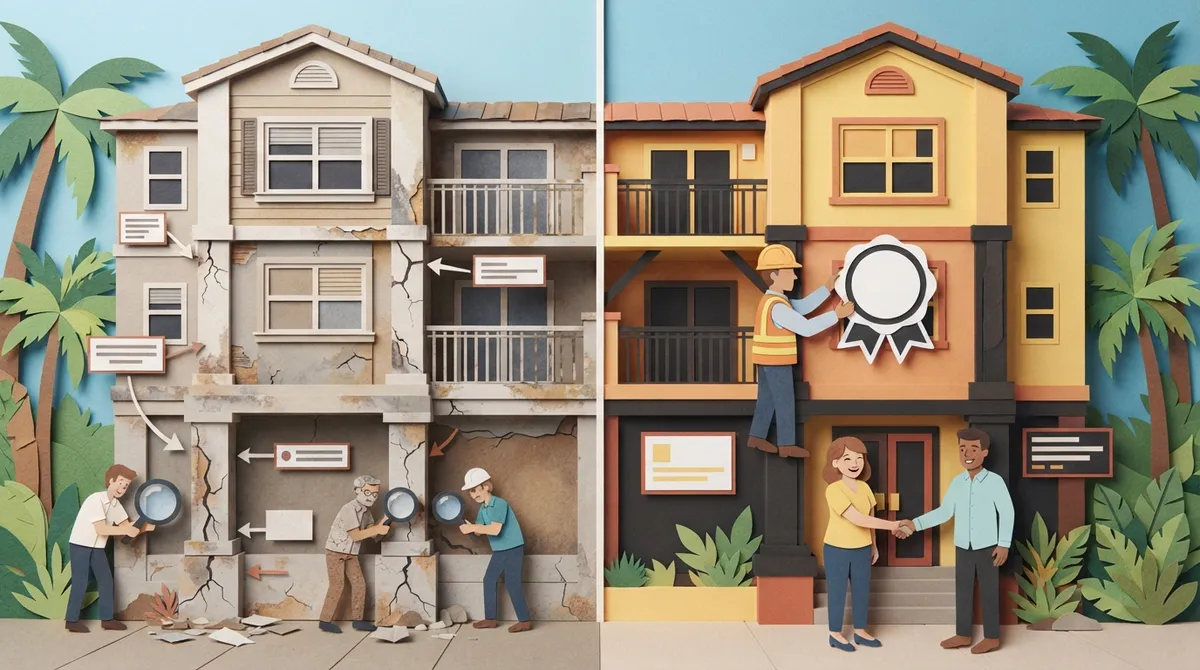
Building recertification is a formal inspection process required for older buildings. It checks whether your structure and electrical systems are still safe for people to use. In Broward County, this typically applies once a building reaches a certain age, often 40 years, then every 10 years after that.
The inspection covers structural elements like the foundation, walls, and roof. It also checks electrical systems, wiring, and safety features. Think of it as a report card for your building’s health, graded by licensed professionals who know exactly what to look for.
Many owners find the process less overwhelming once they understand each phase. Our guide on 8 key steps in the building recertification process breaks it down into simple, manageable pieces.
2. Why Wilton Manors Buildings Need This Inspection
Older buildings settle over time. Concrete cracks, metal corrodes, and wiring can become outdated. These changes might not be visible to the untrained eye, but they can create real safety risks.
Florida strengthened its building safety laws after the tragic Surfside condo collapse in 2021. Since then, counties across the state, including Broward, have tightened enforcement of recertification deadlines. This isn’t just paperwork. It’s about protecting the people who live and work in these buildings every day.
- Prevents small problems from becoming expensive disasters
- Protects residents and employees from safety hazards
- Helps maintain property value over time
- Keeps your building compliant with local and state law
- Reduces insurance complications down the road
3. Who Needs to Worry About Recertification in Wilton Manors
Not every building faces the same rules, but many property types in Wilton Manors do need to pay close attention. Here’s a quick rundown of who typically falls under these requirements.
- Condo Associations managing buildings that have reached the 30 or 40-year mark
- Commercial Property Owners with structures over three stories or 50 feet tall
- HOA Property Managers overseeing residential complexes with shared infrastructure
- Apartment Building Owners with multi-family properties needing safety verification
- Real Estate Investment Firms holding aging properties across South Florida
If you fall into any of these categories, it’s smart to start planning early. Waiting until the last minute often leads to rushed inspections and higher costs. You can learn more about your local timeline by reviewing information from the Wilton Manors Community Development Services or contacting a specialist directly.
4. The Difference Between 30-Year, 40-Year, and Milestone Inspections
This part confuses a lot of people, so let’s clear it up simply. Different counties use different age thresholds, and it helps to know which one applies to your building.
| Inspection Type | Typical Trigger Age | Common Location | Repeat Frequency |
|---|---|---|---|
| 40-Year Recertification | 40 years old | Broward County (including Wilton Manors) | Every 10 years after |
| Milestone Inspection | 30 years old (coastal), 25 years (some areas) | Statewide per Florida law | Every 10 years after |
| SIRS (Structural Integrity Reserve Study) | Applies to condos 3+ stories | Statewide requirement | Every 10 years |
Confused about which category your building falls into? You’re not alone. That’s exactly why working with an experienced team matters. Our article on 40-year building recertification for Florida owners offers more detail on how these timelines work statewide.
5. What Happens During the Inspection Process
Wondering what actually takes place once you schedule an inspection? Here’s a simple step-by-step overview of what to expect.
- You receive a notice from the county or your HOA about the upcoming deadline
- You hire a licensed engineer or inspector to assess your building
- The inspector examines structural components, including foundations and load-bearing walls
- Electrical systems get checked for wear, code compliance, and safety hazards
- You receive a detailed report outlining any issues found
- If repairs are needed, you complete them within the mandated timeframe
- You submit final documentation to the county for approval
Some inspection teams now use drones and 3D laser scanning to speed up this process and improve accuracy. These tools catch issues that might be missed with traditional methods alone, especially on hard-to-reach rooftops or facades. For a deeper look at what these inspections typically cover, check out our article on what a commercial building inspection really covers.
6. Electrical Safety: A Critical Piece of the Puzzle
Structural issues get a lot of attention, but electrical safety is just as important. Old wiring, overloaded panels, and outdated fixtures can create serious fire risks. This is why electrical inspections are a required part of the recertification process.
A thorough electrical inspection looks at wiring conditions, panel capacity, grounding systems, and code compliance. Buildings with shared electrical infrastructure, like condos and apartment complexes, face extra scrutiny here. If you want to understand this piece better, our guide on how to navigate electrical inspections for building recertification walks through the entire process step by step.
Neighboring cities face similar challenges too. If you’re curious how nearby areas handle this, take a look at our resources on Hollywood electrical safety inspections or Pompano Beach electrical safety requirements. Comparing regional standards can help you understand what’s expected of your own property.
Common Electrical Red Flags Inspectors Look For
- Outdated or damaged wiring insulation
- Overloaded circuit panels
- Improper grounding connections
- Signs of corrosion near electrical equipment
- Non-compliant fixtures or outlets in common areas
7. How to Prepare for a Smooth Recertification Process
Preparation makes all the difference between a stressful process and a manageable one. Here are some practical tips that condo boards, property managers, and owners have found helpful over the years.
- Start the process early, ideally 6-12 months before your deadline
- Keep past inspection reports and maintenance records organized
- Budget for potential repairs before they’re discovered
- Communicate clearly with residents or tenants about the timeline
- Choose a licensed, experienced inspection team you trust
Speaking of trust, this is where working with the right team really pays off. Choosing between certified vs. general inspectors can significantly affect the quality and accuracy of your report. A properly certified team catches issues early, saving you money and headaches later.
Related Services That Support Recertification
Recertification rarely happens in isolation. Many buildings also need supporting services to stay fully compliant. These include:
- Structural Integrity Reserve Studies (SIRS) for condo associations
- Property Condition Assessments (PCA) for buyers and investors
- HOA reserve studies for long-term financial planning
- Foundation crack evaluations for aging concrete structures
If your HOA board wants to get ahead of reserve funding requirements, our resource on mastering Wilton Manors HOA reserve studies is a great next read. And if you’re planning to buy or sell property soon, our guide on using a Wilton Manors Property Condition Assessment explains exactly what buyers and sellers need to know.
Condo boards specifically dealing with SIRS requirements should also review common pitfalls in our article on SIRS mistakes Wilton Manors condo boards must avoid. Learning from others’ missteps can save your board significant time and expense.
Why Choose a Specialized Team for Your Recertification
Not all inspection companies are created equal. Recertification work requires a deep understanding of local codes, structural engineering, and Florida-specific regulations. This is exactly the kind of specialized expertise you want on your side.
O’Reilly Consultants brings together a small but highly experienced team focused entirely on building recertification and safety inspections across Broward and Miami-Dade Counties. Owner and qualifying architect Sherard O’Reilly has deep experience in property condition assessments, while Construction Manager and Engineer Catalina Torres brings 27 years of civil engineering expertise to every project. Project Engineer Rafael Ojeda adds over 16 years of environmental due diligence experience, having completed more than 1,000 site assessments across South Florida.
This team uses advanced tools like drones and 3D laser scanning to deliver faster, more accurate assessments. You get detailed reports with clear next steps, not confusing jargon that leaves you guessing. Want to see what other property owners are saying? You can visit us on Google — O’Reilly Consultants to read real reviews from clients across the region.
For official county guidance on deadlines and requirements, the Miami-Dade County Recertification page offers helpful background, and you can also search Miami-Dade building recertification cases to see how the process plays out for similar properties.
Bringing It All Together
Wilton Manors building recertification doesn’t have to feel overwhelming. Once you understand the basic timeline, the inspection process, and what’s expected of your specific property type, the whole thing becomes much more manageable. Whether you’re managing a condo association, running an HOA, or overseeing a commercial property, the key is starting early and working with people who know this process inside and out.
You deserve a team that treats your building like it matters, because it does. If you’re ready to get started or just want a friendly conversation about what your property needs, request a free quote today. You can also call us at (512) 567-1191 to speak directly with someone who can answer your questions and guide you through every step of the process. Your building’s safety and your peace of mind are worth it.
FAQs
Q: What is Wilton Manors building recertification?
A: It’s a required safety inspection for older buildings that checks structural and electrical systems. Broward County typically requires this once a building reaches 40 years old, then every 10 years after. It helps make sure your property stays safe for everyone inside.
Q: How often does a building need to be recertified in Wilton Manors?
A: Most buildings need recertification at the 40-year mark, then again every 10 years afterward. Some condo buildings also face separate milestone inspection rules based on Florida’s statewide safety laws. It’s always best to check your specific building’s timeline with a licensed professional.
Q: What happens if I miss my recertification deadline?
A: Missing your deadline can lead to fines, legal complications, and even forced closure in serious cases. It can also create headaches when trying to sell or refinance your property. That’s why we always recommend starting the process early, ideally six to twelve months before your due date.
Q: Does recertification include electrical inspections?
A: Yes, electrical safety is a core part of the recertification process. Inspectors check wiring, panels, grounding, and overall code compliance. This helps catch fire hazards and other risks before they become serious problems.
Q: Who should I hire for a Wilton Manors building recertification?
A: You’ll want a licensed, experienced team that understands Broward County codes and Florida’s specific safety requirements. Look for inspectors who use modern tools like drones and 3D scanning for more accurate results. A specialized team like O’Reilly Consultants can guide you through the entire process smoothly.