Key Takeaways
-
Lauderhill building recertification requires structural and electrical inspections by licensed Florida professionals to confirm buildings are safe and code-compliant; first recertification is typically due at 25-40 years, then every 10 years after.
-
If deficiencies are found during inspection, submit a repair plan, pull necessary permits, complete repairs, and resubmit for final approval; some jurisdictions allow multiple correction submissions with 30-day windows.
-
Lauderhill follows Broward County‘s recertification framework but uses its own local permitting process through the city’s building department and Broward County’s ePermits OneStop system.
-
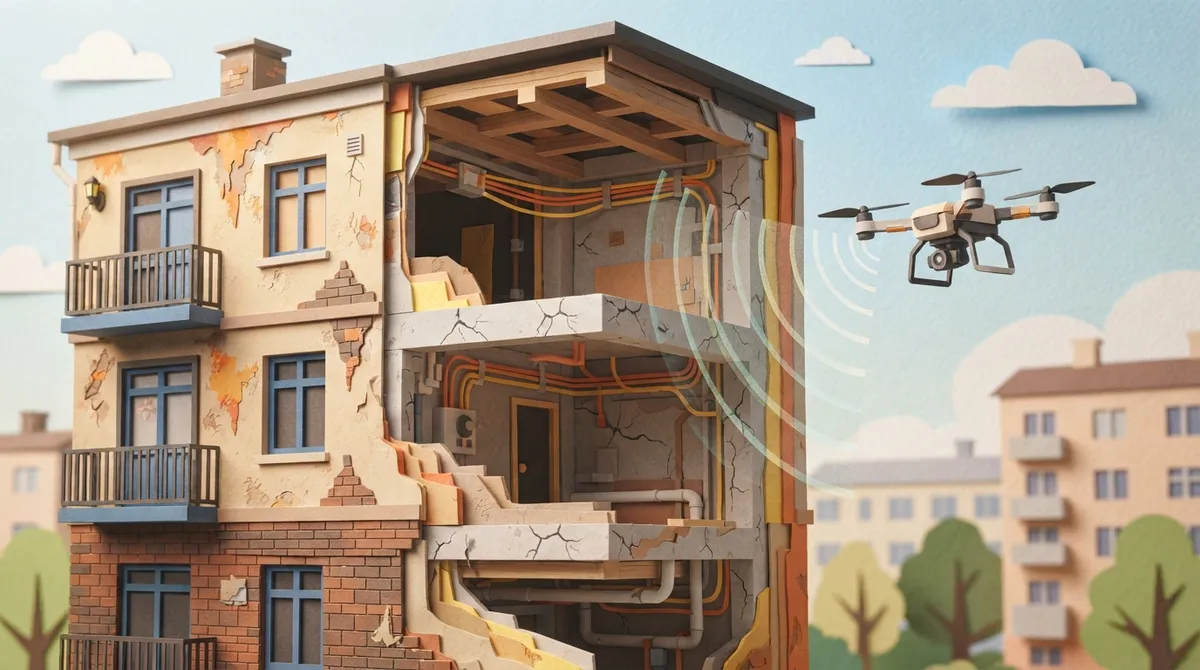
Modern inspection technology like drones and 3D laser scanning improves accuracy and safety by capturing high-resolution images of hard-to-reach areas and creating precise building models for better deficiency detection.
-
Common deficiencies found in older buildings include hairline cracks, corroded rebar, outdated electrical panels, water intrusion, and deteriorated railings; get multiple contractor quotes and keep detailed documentation when planning repairs.
-
Hire licensed professionals experienced with Lauderhill’s local requirements and confirm recertification deadlines directly with the City of Lauderhill’s Building Department to avoid missed deadlines and costly fines.
Owning or managing a building in Lauderhill comes with a lot of joy, but also a bit of paperwork. If your building is getting older, you’ve probably heard the term “recertification” tossed around at board meetings or in letters from the city. Don’t worry, we’re here to break it all down for you in plain, friendly language. By the end of this article, you’ll know exactly what Lauderhill building recertification means, when it’s due, and how to get through it without losing sleep.
Think of this guide as a warm cup of coffee with a friend who happens to know a lot about buildings. We’ll walk through the facts, the timelines, and the steps you need to take. And if you ever want expert hands on deck, O’Reilly Consultants is right here in South Florida ready to help.
1. What Lauderhill Building Recertification Actually Means
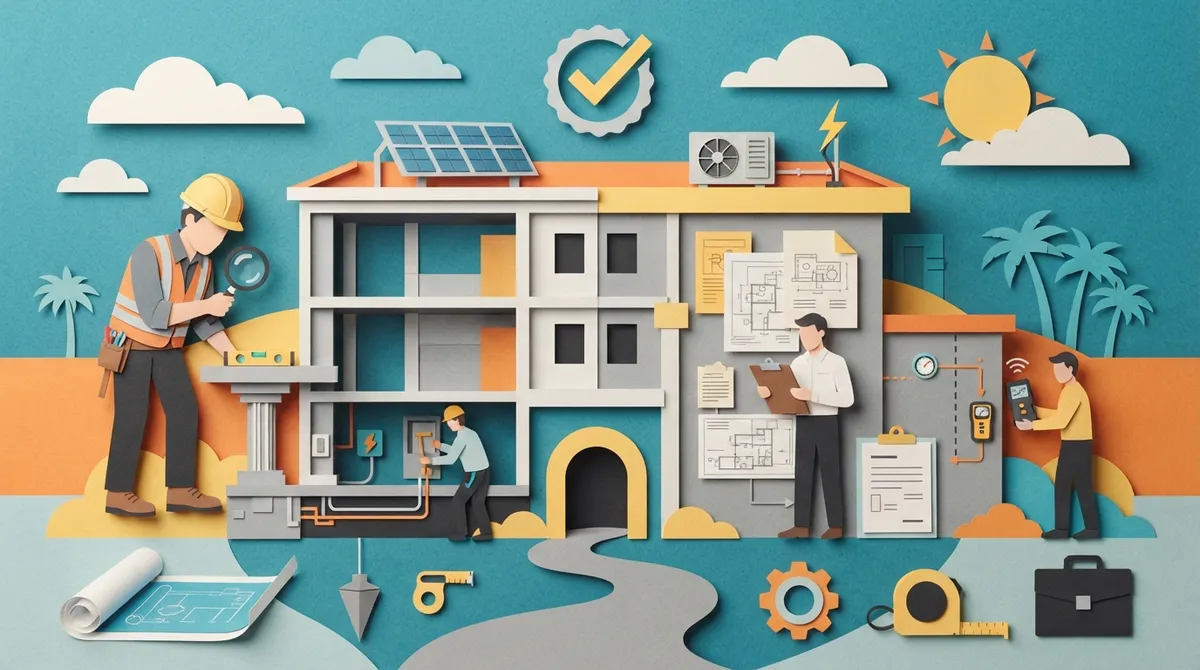
Building recertification is a safety check-up for older buildings. It confirms your property is still structurally sound and electrically safe for the people inside. Lauderhill follows the same general framework used across Broward County, which means owners need to prove their buildings are still fit for continued use.
This isn’t just red tape. It’s a real safety net that protects residents, tenants, and visitors. The process typically involves two big pieces: a structural inspection and an electrical inspection, both prepared by licensed Florida professionals.
Why This Matters for Different Building Owners
Every audience has a different stake in this process, and it helps to see where you fit:
- Condo association boards need to keep residents safe and avoid costly fines.
- Commercial property owners must protect tenants, employees, and customers.
- HOA property managers juggle strict deadlines across multiple properties.
- Apartment building owners want to avoid vacancies caused by safety concerns.
- Real estate investment firms need clean reports to protect property value and insurance rates.
No matter which group you belong to, the goal is the same: keep the building safe and keep your paperwork current.
2. The Age Thresholds That Trigger Recertification
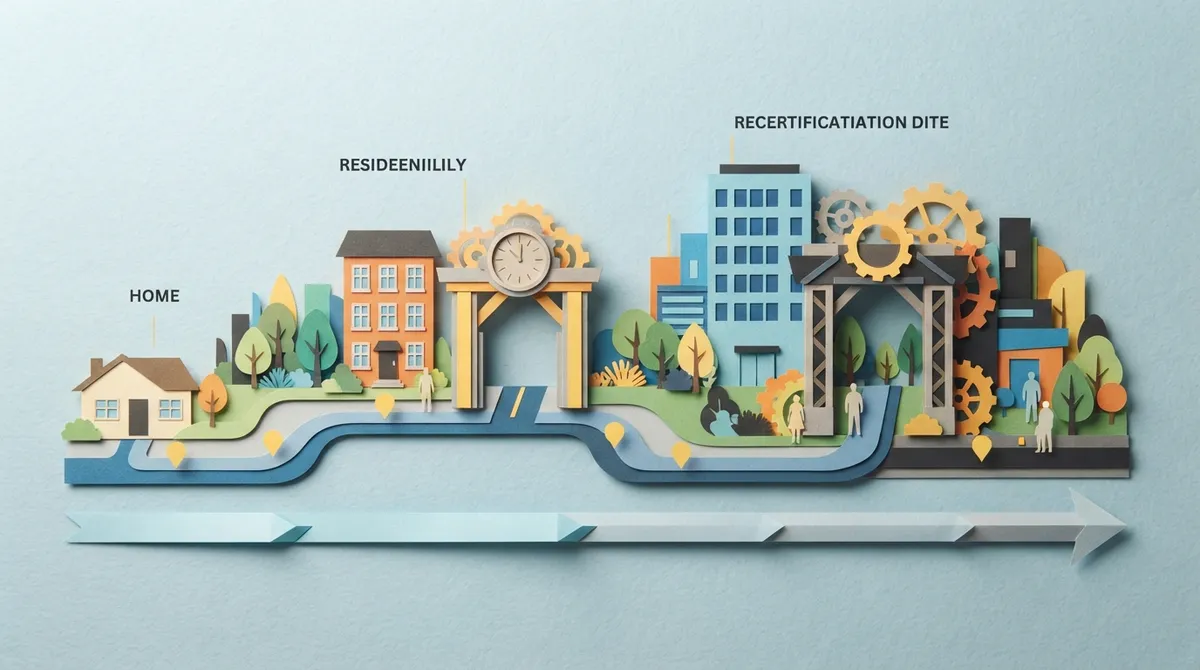
This is where things can get a little confusing, so let’s clear it up. Some South Florida sources point to 25 years as the first recertification milestone in Miami-Dade and Broward counties. Others describe a 40-year trigger, especially for older Miami-Dade and Broward programs (source: Florida Engineering LLC, 2026; ELD, 2026).
The bottom line is this: the exact threshold depends on your specific jurisdiction and the ordinance that applies to your building. That’s why it’s smart to check directly with the City of Lauderhill’s Building Department or work with a team that knows the local rules inside and out.
What Happens After the First Recertification
Once your building passes its first recertification, you’re not done forever. The cycle typically repeats every 10 years after that first milestone. This keeps buildings on a consistent safety schedule as they continue to age.
3. The Two Core Inspections You’ll Need
Every Lauderhill building recertification generally includes two main components. Understanding both helps you plan ahead and avoid surprises.
- Structural Inspection: A licensed engineer or architect examines the building’s foundation, walls, roof, and load-bearing elements for cracks, corrosion, or other damage.
- Electrical Inspection: A licensed professional reviews wiring, panels, and other electrical systems to confirm they meet current safety standards.
Both reports must be signed and sealed by the professional who completed them. This isn’t a DIY job. It requires real expertise, and that’s exactly what our team brings to every commercial building inspection we perform.
Common Issues Found During Inspections
Older buildings often show similar wear-and-tear patterns. Here are some frequent findings:
- Hairline cracks in concrete or stucco
- Rusted or corroded rebar
- Outdated electrical panels
- Water intrusion around windows and roofs
- Deteriorated railings or balconies
If any of these sound familiar, you might want to read more about foundation cracks and hairline cracks in commercial buildings to understand what’s normal and what needs attention.
4. Step-by-Step: How the Recertification Process Works
Let’s walk through the general steps so you know what to expect from start to finish.
- You receive a notice from the building department that recertification is due.
- You hire a licensed Florida engineer or architect to perform the structural and electrical inspections.
- The inspector submits signed and sealed reports to the local building department.
- The building department reviews the reports for compliance.
- If deficiencies are found, you submit a repair plan and pull the necessary permits.
- Repairs are completed and verified.
- The building department issues final approval, and your recertification is complete.
Sounds like a lot, right? The good news is you don’t have to manage every step alone. Our team walks clients through the entire journey from notice to final approval, and you can always request a free quote to get started.
5. What Happens When Deficiencies Are Found
Nobody loves hearing that their building has issues, but it happens more often than you’d think. The important thing is knowing what comes next.
If deficiencies show up in your report, you’ll typically need to submit a repair plan. From there, you’ll go through permitting and complete the actual repairs. Some cities, like Boca Raton, allow up to three correction submissions with 30-day windows if the first report doesn’t pass review (source: Boca Raton ordinance summary, 2026). While Lauderhill’s specific process may differ slightly, the spirit is the same: fix the problem, document it, and resubmit.
Tips for Handling Repairs Smoothly
- Get multiple contractor quotes before committing to repairs.
- Keep all documentation organized in one place.
- Communicate early and often with your building department contact.
- Work with inspectors who understand local permitting timelines.
Being proactive here saves you time, money, and a whole lot of stress.
6. How Lauderhill Compares to Broward County and Miami-Dade Rules
This is a question we hear a lot: does Lauderhill follow its own rules, or does it just mirror Broward County and Miami-Dade requirements? The short answer is that Lauderhill generally aligns with Broward County’s framework, but local permitting still runs through the city itself.
For permitting-related work, Lauderhill directs property owners to Broward County’s ePermits OneStop resources. This means you’re often working with two layers: the city’s building department and the county’s broader recertification framework. For more detail on how Miami-Dade’s version of this process works, check out the Miami-Dade County Recertification program page, or explore our article on Miami-Dade building recertification for a side-by-side comparison.
| Jurisdiction | Typical First Trigger | Repeat Cycle |
|---|---|---|
| Miami-Dade County | 25 or 40 years (varies by source) | Every 10 years |
| Broward County | 25 or 40 years (varies by source) | Every 10 years |
| Lauderhill (City-Level) | Follows county framework | Every 10 years |
If you ever want to double-check a building’s recertification status, you can also search Miami-Dade building recertification cases directly through the county’s online portal.
7. Permits Needed After a Recertification Inspection
If your inspection turns up repair needs, you’ll likely need permits before work begins. Lauderhill’s Permitting and Inspections department handles this locally, often in coordination with Broward County’s ePermits system.
Common permits tied to recertification repairs include:
- Structural repair permits
- Electrical repair permits
- Roofing permits (if roof issues are found)
- Concrete restoration permits
Pulling the right permits the first time avoids delays. It also keeps your project moving smoothly toward final approval.
8. Why Advanced Technology Makes a Real Difference
Old-school inspections used ladders, flashlights, and a lot of patience. Today, technology has changed the game for the better.
Drones can capture high-resolution images of roofs, facades, and hard-to-reach areas without putting anyone at risk. 3D laser scanning creates precise models of your building, helping engineers spot issues that might be missed with the naked eye. This means faster inspections, more accurate reports, and fewer surprises down the road.
Benefits of Tech-Driven Inspections
- Faster turnaround times for reports
- More accurate deficiency detection
- Safer inspections with less physical risk
- Clearer visual documentation for repair planning
This is exactly the kind of approach our team uses on every project, whether it’s a condo tower, an apartment complex, or a shopping plaza. If you’re curious how this fits into the bigger picture, our guide on key steps in the building recertification process covers it in more detail.
9. Choosing the Right Team for Your Lauderhill Building Recertification
Not all inspection teams are created equal, and this is one area where experience truly matters. You want licensed professionals who understand Lauderhill’s local requirements and Broward County’s broader framework.
Our team is led by owner and qualifying architect Sherard O’Reilly, who brings deep expertise in ASTM E2018 property condition assessments. He’s joined by Construction Manager and Engineer Catalina Torres, who has 27 years of civil engineering and construction management experience, and Project Engineer Rafael Ojeda, who has completed over 1,000 Phase I Environmental Site Assessments across South Florida.
Together, this team handles everything from 40-year recertification inspections to electrical safety checks, structural integrity reserve studies, and property condition assessments for Lauderhill properties.
Services We Offer for Lauderhill Property Owners
- Structural and electrical recertification inspections
- SIRS (Structural Integrity Reserve Studies)
- HOA reserve studies
- Property condition assessments (PCA)
- Environmental due diligence and Phase I assessments
- Electrical safety inspections specific to Lauderhill
Curious what other Lauderhill property owners have said about working with us? Feel free to visit us on Google — O’Reilly Consultants and see the reviews for yourself.
Making Your Recertification Journey Smooth and Stress-Free
Lauderhill building recertification doesn’t have to feel overwhelming. With the right guidance, licensed professionals, and a clear step-by-step plan, you can move through the process with confidence. Whether you’re managing a condo association, overseeing a commercial property, or handling an apartment building, staying ahead of deadlines protects both your residents and your investment.
Our team at O’Reilly Consultants is proud to serve Broward and Miami-Dade Counties with thorough, tech-forward inspections that meet and exceed local requirements. We’d love to help you get your building recertified on time and stress-free. Request a free quote today, or call us at (512) 567-1191 to speak with our friendly team about your Lauderhill building recertification needs.
FAQs
Q: What is building recertification in Lauderhill?
A: It’s a safety check-up for older buildings that confirms they’re still structurally sound and electrically safe. Lauderhill generally follows the broader Broward County framework, requiring inspections by licensed professionals to keep buildings compliant.
Q: When is a building required to be recertified in Lauderhill?
A: The timing depends on your specific ordinance, with some sources citing 25 years and others citing 40 years as the first milestone. After that, recertification typically repeats every 10 years, so it’s always smart to confirm directly with your local building department.
Q: What inspections are included in a Lauderhill building recertification?
A: You’ll need both a structural inspection and an electrical inspection, each prepared by a Florida-licensed engineer or architect. These reports must be signed and sealed before submission to the building department for review.
Q: What happens if deficiencies are found during recertification?
A: Don’t worry, this is pretty common with older buildings. You’ll typically submit a repair plan, pull the necessary permits, complete the repairs, and then resubmit for final approval.
Q: How does Lauderhill building recertification differ from Broward County or Miami-Dade rules?
A: Lauderhill generally follows the broader Broward County framework, but permitting still runs through the city’s own building department. It’s worth checking both local and county resources to make sure you’re covering all the bases.