Key Takeaways
-
Buildings in Lauderdale Lakes must undergo their first recertification at 25 years old, then every 10 years thereafter, following Broward County’s strict timeline based on construction date, not submission date.
-
Only Florida-licensed architects or engineers can conduct recertification inspections, and Broward County requires two separate sealed reports for structural and electrical findings, each costing $350 in review fees.
-
Failed inspections typically allow 180 days to obtain permits and complete repairs before reinspection; delaying the repair process even weeks can consume critical time.
-
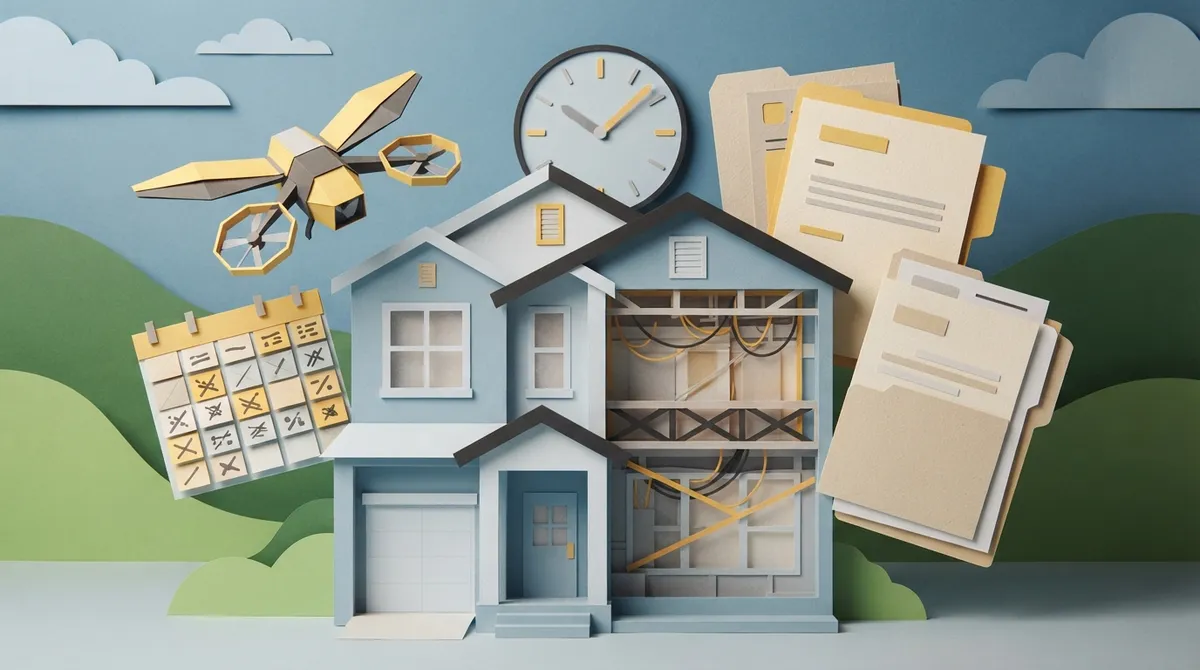
Modern drone imaging and 3D laser scanning technology improve inspection accuracy and speed by capturing high-resolution images of hard-to-reach areas, reducing missed deficiencies.
-
Submit recertification documents through Lauderdale Lakes’ ePermitsOneStop online portal, allowing 4-6 weeks for county review; proactive tracking of building age prevents last-minute deadline crises.
-
Common deficiencies include cracked concrete on facades, outdated electrical panels, water intrusion, and corroded rebar; hiring experienced professionals prevents costly errors and ensures proper compliance.
If you own or manage a building in Lauderdale Lakes, you’ve probably heard the term “building recertification” tossed around. Maybe it came up at your last HOA meeting, or maybe you got a letter from the city that made your stomach drop a little. Don’t worry, friend. We’re here to walk you through it, step by step, with zero confusing jargon and plenty of friendly guidance along the way.
Think of building recertification as a checkup for your property, kind of like a physical exam, but for concrete, steel, and wiring instead of blood pressure. The goal is simple: make sure your building is safe for the people living, working, or shopping inside it. And in Lauderdale Lakes, this isn’t optional. It’s a requirement handed down through Broward County rules, and skipping it can lead to fines, insurance headaches, or worse.
Whether you’re on a condo board, managing an HOA, running a commercial property, or overseeing an apartment complex, this guide breaks down exactly what you need to know. We’ve pulled together 10 key facts, straight from local requirements and years of hands-on experience, so you can feel confident and prepared. Let’s dig in.

1. Lauderdale Lakes Follows Broward County’s 25-Year Rule
Here’s the big one. In Lauderdale Lakes, buildings must go through their first recertification once they hit 25 years old. This follows Broward County’s established timeline, which is a bit stricter than some neighboring counties. If your building was constructed in 2001, for example, 2026 might already be on your radar.
After that first inspection, the clock doesn’t stop. Buildings need to be recertified again every 10 years after that initial 25-year mark. It doesn’t matter if the previous report was filed a little late. The 10-year interval is based on when the building actually turned 25, not when the paperwork was submitted. This trips up a lot of property owners, so it’s worth marking your calendar early.
2. The Inspection Covers Structural and Electrical Safety
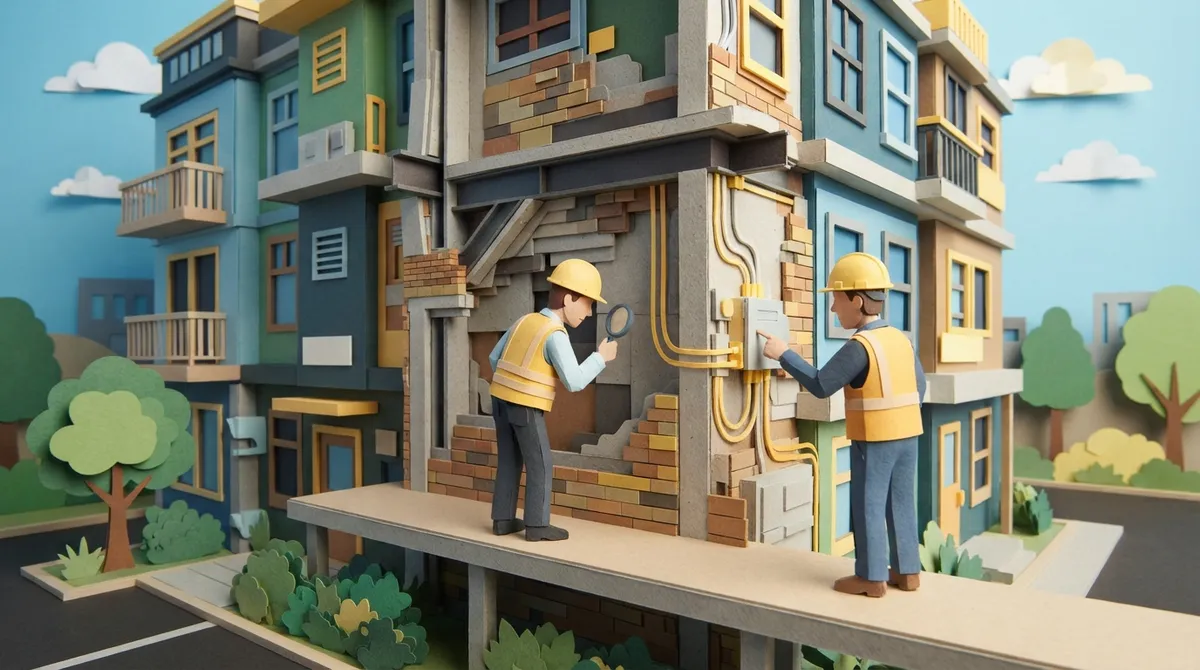
Building recertification isn’t just a quick walk-through with a clipboard. It’s a detailed evaluation covering two major areas: structural integrity and electrical safety. Inspectors look at everything from foundation cracks and load-bearing walls to wiring, panels, and grounding systems.
This is exactly why 40 year recertification and 25-year inspections both require specialized expertise. A general contractor walking through your lobby isn’t going to catch hairline cracks that signal deeper structural issues. That’s a job for trained professionals who know exactly what to look for.
What Structural Inspectors Check
- Foundation condition and settlement issues
- Load-bearing walls and support columns
- Roof structure and drainage systems
- Exterior facades and balconies
- Signs of water intrusion or corrosion
What Electrical Inspectors Check
- Main electrical panels and breakers
- Wiring conditions throughout common areas
- Emergency lighting and exit signage
- Fire alarm system connections
- Grounding and bonding compliance
Learning more about foundation cracks and hairline cracks in commercial buildings can help you spot early warning signs before they become expensive problems.
3. Only Licensed Architects or Engineers Can Perform the Inspection
You can’t just hire anyone off the street for this. Florida law requires that a licensed architect or engineer conduct and certify your recertification inspection. This isn’t a corner you want to cut, either. Reports must be properly sealed and signed to be accepted by the county.
Choosing the right professional matters more than most people realize. If you’re wondering how to vet candidates, our guide on how to choose licensed building inspectors for recertification walks through the exact questions to ask before you sign a contract.
4. Broward County Requires Two Separate Reports
Here’s something that surprises a lot of building owners. You don’t just get one combined report. Broward County requires separate submittals for structural findings and electrical findings. Both need to be properly sealed and signed before they’re accepted.
This dual-report system means your inspection team needs expertise in both areas, or you’ll end up coordinating with two different firms. That adds time, cost, and stress you really don’t need. Working with one team that handles both sides smoothly is a much easier path.
5. Fees and Timelines You Should Expect
Let’s talk numbers, because nobody likes surprises when it comes to budgeting. Broward County charges a review fee of $350 per submittal for your 40-year (and similar) report. Beyond that, expect the county’s review process to take approximately 4 to 6 weeks after you submit your paperwork.
| Item | Detail |
|---|---|
| First inspection age | 25 years old |
| Recertification interval after first inspection | Every 10 years |
| Broward County review fee | $350 per submittal |
| Typical review timeline | 4-6 weeks after submission |
| Repair window for deficiencies | Commonly up to 180 days |
Planning ahead for these costs and timeframes saves you a ton of stress later. Nobody wants to be scrambling three weeks before a deadline because they didn’t budget for review fees or repair time.
6. What Happens If Your Building Fails Recertification
Take a deep breath. A failed inspection isn’t the end of the world, but it does mean action is required. If deficiencies are found, you’ll typically have around 180 days to obtain permits and complete repairs before your building can be reinspected.
The key here is speed and organization. The sooner you get quotes for repairs and pull permits, the more breathing room you have. Waiting even a few weeks to start the process can eat into your timeline fast. This is where having a trusted team on your side, like the folks at O’Reilly Consultants, makes a real difference. We don’t just hand you a failing report and walk away. We help guide you through next steps so repairs get done right and on time.
Common Deficiencies Found During Inspections
- Cracked or spalling concrete on facades and balconies
- Outdated electrical panels that don’t meet current code
- Water intrusion around windows and roof lines
- Corroded rebar within structural elements
- Missing or non-functional emergency lighting
7. How to Submit Your Documents in Lauderdale Lakes
Lauderdale Lakes handles building permits and recertification submissions through its Building Department, along with the online ePermitsOneStop system. This portal lets you upload documents, track review status, and communicate with city staff without endless phone tag.
Here’s a simple breakdown of the submission process:
- Receive your recertification notice from the city or track your building’s age against the 25-year rule
- Hire a licensed architect or engineer to perform structural and electrical inspections
- Collect the sealed and signed reports from your inspector
- Submit both reports through Lauderdale Lakes’ ePermitsOneStop system or directly to the Building Department
- Pay the required review fee
- Wait for county review, typically 4-6 weeks
- Complete any required repairs within the given timeframe
- Submit proof of repairs for final approval
Our detailed walkthrough on the 8 key steps in the building recertification process covers this in even more depth if you want extra reassurance.
8. Different Property Types Face Different Considerations
Not every building faces the same recertification journey. Condo associations, HOAs, commercial towers, and apartment buildings all have slightly different pain points.
- Condo Association Boards often juggle recertification alongside structural integrity reserve studies and resident communication challenges.
- Commercial Property Owners managing office towers or shopping plazas need both structural and electrical clearance to avoid interrupting tenant operations.
- HOA Property Managers frequently face tight 90-day inspection deadlines and benefit hugely from drone and 3D scanning technology that speeds up assessments.
- Apartment Building Owners must balance tenant safety with minimizing disruption during inspections and repairs.
- Real Estate Investment Firms rely on clean recertification reports to protect property value and keep financing and insurance moving smoothly.
If you’re an HOA manager specifically, our piece on Lauderdale Lakes HOA reserve studies pairs nicely with recertification planning, since both deal with long-term building health.
9. Advanced Technology Makes Inspections Faster and More Accurate
Gone are the days of relying purely on ladders and binoculars. Modern building recertification now often includes drone imaging and 3D laser scanning. These tools let inspectors capture high-resolution images of roofs, facades, and hard-to-reach areas without risky scaffolding setups.
This technology doesn’t just speed things up. It also improves accuracy. A drone can spot a hairline crack on a 12th-floor balcony that a ground-level visual inspection might miss entirely. For property owners, that means fewer surprises down the road and a more thorough, defensible report.
Want to see how this works in practice? Check out what a commercial building inspection really covers when advanced tools are part of the process.
10. Working With Experienced Professionals Makes All the Difference
At the end of the day, building recertification is too important to leave to chance. This is where O’Reilly Consultants genuinely shines. Our team is led by owner and qualifying architect Sherard O’Reilly, who brings deep experience in property condition assessments and detailed building documentation, from facades to fire systems to utilities.
We’re also backed by Construction Manager and Engineer Catalina Torres, who has 27 years of civil engineering and construction management experience, plus Project Engineer Rafael Ojeda, who has completed over 1,000 environmental site assessments across South Florida. That’s a serious depth of expertise working on your behalf.
We serve buildings throughout Broward and Miami-Dade Counties, and we know the Lauderdale Lakes area well, including its specific permitting quirks and Building Department expectations. If you’d like to see what other property owners say about working with us, feel free to visit us on Google — O’Reilly Consultants and read through real reviews.
Why Timing Matters More Than You Think
One thing we can’t stress enough: don’t wait until the last minute. Buildings that put off recertification often face a domino effect of delays, from scheduling inspectors to waiting on county reviews to scrambling for repair permits.
We’ve also seen firsthand how helpful it is to understand broader county rules if your portfolio spans both Broward and Miami-Dade. If you own properties in both areas, our overview on Miami-Dade building recertification is a great companion resource, since requirements differ slightly between counties.
For official Broward County guidance and current recertification rules, the Miami-Dade County Recertification page is a solid reference point, along with tools like the Search Miami-Dade Building Recertification Cases database if you want to check status on specific properties.
Common Mistakes to Avoid
- Waiting until the recertification notice arrives instead of tracking your building’s age proactively
- Hiring unlicensed inspectors to save money upfront
- Submitting incomplete or improperly sealed reports
- Underestimating repair timelines after failed inspections
- Forgetting to coordinate structural and electrical reports together
Avoiding these pitfalls alone can save you weeks of delays and unnecessary stress. Our article on professional building inspection mistakes you must avoid goes even deeper into what not to do.
Ready to Get Started?
Building recertification doesn’t have to feel overwhelming. With the right team guiding you through every step, from the initial notice to final approval, you can move through this process smoothly and confidently. Our friendly, experienced staff at O’Reilly Consultants is ready to help you tackle your Lauderdale Lakes building recertification with clear communication and dependable results.
Ready to get your building on track? Request a free quote today, or if you’d rather talk it through first, call us at (512) 567-1191. We’re here to make this process as smooth as possible, one friendly conversation at a time.
FAQs
Q: What is the building recertification requirement in Lauderdale Lakes?
A: Buildings in Lauderdale Lakes must be recertified once they reach 25 years old, following Broward County rules. After that first inspection, buildings need to be reinspected every 10 years to stay compliant.
Q: How old does a building have to be for recertification in Lauderdale Lakes?
A: The magic number is 25 years old. That’s when your first recertification inspection kicks in under Broward County’s requirements, which Lauderdale Lakes follows closely.
Q: Who can perform a building recertification inspection in Broward County?
A: Only a Florida-licensed architect or engineer can perform and certify these inspections. Reports must be properly sealed and signed before Broward County will accept them, so it’s worth choosing an experienced professional from the start.
Q: What happens if a building fails recertification in Lauderdale Lakes?
A: Don’t panic, this happens more often than you’d think! Owners typically get about 180 days to complete permits and repairs before the building is reinspected for final approval.
Q: How do I submit recertification documents to Lauderdale Lakes or Broward County?
A: Lauderdale Lakes handles submissions through its Building Department and the online ePermitsOneStop system, making it easy to upload reports and track your review status. Working with an experienced inspection team helps make sure everything is submitted correctly the first time.