Key Takeaways
-
SIRS requires licensed engineers or architects to perform studies combining visual condition inspections with 30-year reserve funding plans, and findings must be incorporated into annual budgets with no option to waive reserve contributions.
-
Buildings with three or more habitable stories in Sunrise must complete SIRS every 10 years; associations established before July 1, 2022 had a December 31, 2024 deadline, while those created after that date must include SIRS from inception.
-
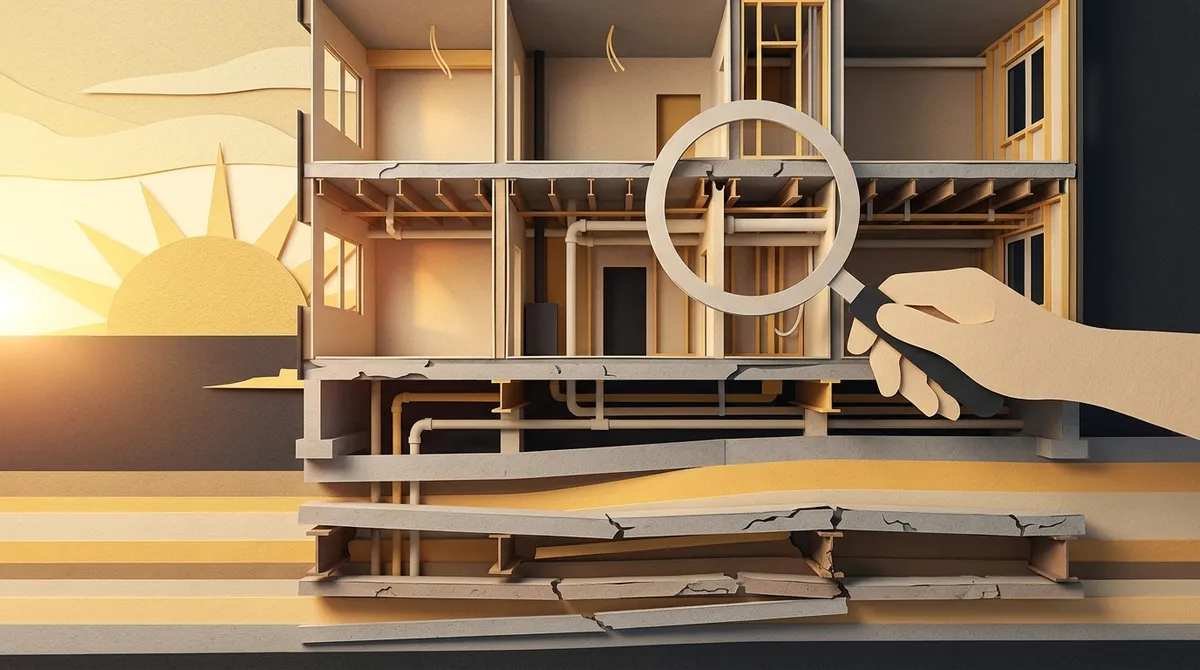
SIRS evaluates major structural components including concrete systems, roofing, waterproofing, balconies, plumbing, electrical infrastructure, windows, and doors to determine repair and replacement costs over 30 years.
-
Florida’s SIRS requirement was enacted through Senate Bill 4-D in 2022 in direct response to the Champlain Towers South collapse in Surfside, fundamentally changing how Florida manages building safety and deferred maintenance.
-
Reserve funding identified in SIRS reports must be fully implemented immediately with no phase-in period, significantly impacting HOA budgets and monthly dues based on building age, size, condition, and structural complexity.
-
SIRS differs from Milestone Inspections by combining structural assessment with mandatory financial reserve planning, and it integrates into Sunrise’s Building Safety Inspection program alongside other recertification requirements.
If you own or manage a condominium or cooperative building in Sunrise, Florida, you’ve probably heard the term Sunrise Structural Integrity Reserves Studies (SIRS) more than once lately. And honestly, it’s worth paying close attention. Since Florida passed Senate Bill 4-D in 2022, SIRS has become one of the most important compliance requirements for multi-story residential buildings across the state — including right here in Broward County.
Think of SIRS as a financial health check and a physical inspection rolled into one. It tells you what your building’s major components look like today and how much money you’ll need to maintain and replace them over the next 30 years. That’s incredibly valuable information for any condo board, property manager, or building owner. Let’s walk through 13 key facts you need to know about Sunrise SIRS so you can stay ahead of your obligations and keep your building safe and compliant.

1. SIRS Was Created in Direct Response to the Surfside Tragedy
The Champlain Towers South collapse in Surfside in 2021 changed everything about how Florida approaches building safety. Florida Senate Bill 4-D was enacted in 2022, establishing the Structural Integrity Reserve Study requirement statewide. Later, SB 154 (2023) and HB 913 (2024) refined the rules further. For a deeper look at Florida’s evolving building safety laws, visit Miami-Dade County Recertification.
2. SIRS Applies to Buildings with Three or More Habitable Stories
Not every building in Sunrise is subject to SIRS. The requirement applies to condominium and cooperative associations with buildings that have three or more habitable stories. If your building has two stories or fewer, or if it’s a four-family dwelling with three or fewer habitable stories, you’re exempt. Understanding exactly which buildings fall under Florida Statute 718.112(2)(g) is an important first step.

3. The Initial Deadline Was December 31, 2024
Associations established before July 1, 2022 were required to complete their first SIRS by December 31, 2024. If your association missed this deadline, you need to act immediately. Associations created after July 1, 2022 must include a SIRS from inception — no waiting period allowed. You can search Miami-Dade Building Recertification cases to better understand compliance tracking in South Florida.

4. SIRS Must Be Conducted Every 10 Years
A Sunrise Structural Integrity Reserves Study isn’t a one-time event. Florida law requires that SIRS be completed every 10 years. This ensures your reserve funding stays aligned with your building’s actual condition and aging components. Think of it like a decade-long financial and structural roadmap that gets refreshed regularly.
5. SIRS Combines Two Major Components
A SIRS isn’t just an inspection, and it isn’t just a financial plan. It’s both. Here’s a quick breakdown of what’s included:
- Visual Condition Inspection: A licensed engineer or architect physically evaluates major structural components.
- 30-Year Reserve Funding Plan: A financial projection covering the estimated cost to repair or replace each major component over the next three decades.
- Cost Estimation: Current repair costs are estimated and factored into the reserve funding schedule.
- Documentation: All findings are compiled into a formal report that the association must incorporate into its annual budget.
6. These Are the Structural Components Evaluated
During a SIRS, the licensed professional performs a visual assessment of the building’s major components. Knowing what gets inspected helps you prepare. Here’s what’s typically covered:
- Concrete structural systems (foundation, columns, slabs)
- Roofing systems and waterproofing
- Balconies, catwalks, and decking
- Plumbing and electrical infrastructure
- Exterior windows and doors
- Painting and waterproofing coatings
For more on what a full building inspection covers, check out this helpful guide: What Does a Commercial Building Inspection Really Cover?
7. Only Licensed Engineers or Architects Can Perform SIRS
Florida law is clear on this point. A Sunrise Structural Integrity Reserves Study must be performed by a licensed engineer or architect who also holds reserve specialist credentials. This isn’t a job for a general contractor or a home inspector. The professional’s qualifications directly affect the validity of your SIRS report, so choosing the right team matters enormously.
8. SIRS Differs from a Milestone Inspection
It’s easy to confuse SIRS with Milestone Inspections, but they serve different purposes. Here’s a side-by-side comparison to clear things up:
| Feature | Milestone Inspection | Structural Integrity Reserve Study (SIRS) |
|---|---|---|
| Primary Purpose | Structural safety assessment | Reserve funding planning + condition assessment |
| Triggered By | Building age (30 years or 25 near coast) | Building type (3+ story condo/co-op) |
| Frequency | Every 10 years after initial | Every 10 years |
| Financial Component | No | Yes — 30-year reserve funding plan |
| Budget Integration | Not required | Must be incorporated into annual budget |
Want to learn more about Florida’s Milestone Inspection process? Read our guide: 40-Year Building Recertification: What Florida Owners Must Know.
9. Reserve Waiving Is No Longer an Option
Before SIRS, many Florida condo associations voted to waive or reduce reserve funding contributions. That practice is now eliminated under the new law. Associations are required to fully fund reserves for structural components identified in the SIRS report. This is a major shift that significantly affects annual budgets and monthly HOA dues. It’s a change designed to prevent the kind of deferred maintenance that contributed to the Surfside collapse.
10. SIRS Relates Directly to Sunrise’s Building Safety Inspection Program
In Sunrise specifically, SIRS is incorporated into the city’s Building Safety Inspection program. The Sunrise building department treats SIRS as a supplementary inspection requirement alongside the broader recertification process. This means your SIRS report may interact directly with your building’s recertification status. To understand how these programs connect, explore our article on 8 Key Steps in the Building Recertification Process (2026).
11. The Financial Impact on HOA Budgets Can Be Significant
One of the biggest concerns condo boards have about SIRS is the cost impact. Once the study identifies reserve requirements, associations must begin funding those reserves immediately — no phase-in period for delaying contributions. Here’s a general overview of what factors influence SIRS costs:
- Building size and age: Larger and older buildings typically have more components to evaluate and higher reserve needs.
- Number of units: More units means the reserve cost is spread across more owners, but total funding requirements may still be high.
- Current building condition: Buildings with deferred maintenance will likely face higher reserve funding requirements.
- Complexity of structural systems: Buildings with parking garages, pools, or complex roofing systems may require more detailed assessments.
Understanding these cost drivers early helps associations plan for budget adjustments with less friction. For related guidance, see our post on How to Complete a Margate Structural Integrity Reserve Study.
12. SIRS Findings Must Be Incorporated Into the Annual Budget
This is a legal requirement, not a recommendation. Once a SIRS is completed, the findings and reserve funding schedule must be formally incorporated into the association’s annual budget. This means your board needs to review, adopt, and communicate these figures to unit owners as part of the regular budget process. Ignoring or downplaying SIRS findings in the budget exposes the association to legal and financial risk.
13. Working with the Right Team Makes All the Difference
Choosing a qualified, experienced team for your Sunrise Structural Integrity Reserves Study is one of the most important decisions your board will make. The right firm will not only conduct a thorough inspection but also help you understand the reserve funding implications and guide you through the entire reporting process.
O’Reilly Consultants is a highly specialized engineering firm serving Broward and Miami-Dade Counties, led by qualifying architect Sherard O’Reilly and supported by a team with decades of civil engineering, environmental, and construction management experience. Their team uses advanced tools like drones and 3D laser scanning to deliver detailed, accurate reports that meet and exceed county requirements. Whether you need a SIRS, a Milestone Inspection, or a full 40-year recertification, they’ve got you covered.
How to Prepare Your Sunrise Building for a SIRS
Getting ready for a Sunrise Structural Integrity Reserves Study doesn’t have to be stressful. Here are the key preparation steps your board should follow:
- Gather all existing building plans, prior inspection reports, and maintenance records.
- Identify any known structural or maintenance issues before the inspection.
- Confirm your building’s eligibility (3+ habitable stories, condominium or cooperative).
- Hire a licensed engineer or architect with reserve specialist credentials.
- Communicate with unit owners about the upcoming study and potential budget implications.
- Review the completed SIRS report with your board and legal counsel.
- Incorporate SIRS findings into your next annual budget cycle.
You can also explore our guide on How to Choose Licensed Building Inspectors for Recertification to make sure you’re hiring the right professional from the start.
Common Mistakes Sunrise Condo Boards Make with SIRS
Avoiding these missteps can save your association a lot of headaches:
- Waiting too long to schedule the study and missing deadlines
- Hiring an unqualified inspector who lacks reserve specialist credentials
- Failing to fully fund reserves as required by the new law
- Not communicating SIRS results clearly to unit owners
- Overlooking the connection between SIRS and the Sunrise electrical safety inspections that may also be required
For additional guidance on avoiding common mistakes, visit our related article: 5 SIRS Mistakes Coral Springs Condo Boards Must Avoid.
Sunrise SIRS and the Broader Building Recertification Picture
SIRS doesn’t exist in isolation. It’s one part of a larger framework of building safety and recertification requirements that Sunrise buildings must navigate. Depending on your building’s age and characteristics, you may also be subject to Milestone Inspections, 40-year recertification, and electrical safety inspections — all within overlapping timelines.
Understanding how all these requirements fit together is key to staying compliant without unnecessary stress. Our article on What Is Building Recertification and Why Does It Matter? is a great starting point. You can also explore The Importance of 40-Year Building Recertification for Property Longevity for the bigger picture.
For owners and boards managing properties across Broward County, similar requirements apply in nearby communities as well. Check out our guides for Deerfield Beach Structural Integrity Reserves Studies (SIRS), Why Do Miramar Condos Need Structural Integrity Reserve Studies?, and Why Do Pompano Beach Condos Need a SIRS Report? to see how the rules play out across different cities.
Ready to Schedule Your Sunrise SIRS?
Staying compliant with Florida’s Sunrise Structural Integrity Reserves Studies requirements is absolutely achievable with the right support. The key is to act early, hire qualified professionals, and make sure your reserve funding plan is solid and legally compliant.
You can visit O’Reilly Consultants on Google to read reviews from building owners and condo boards who have trusted them with their recertification needs across South Florida. When you’re ready to get started, reach out to schedule your free consultation with the O’Reilly Consultants team. Their experienced engineers are ready to walk you through every step of the SIRS process — from the initial inspection to final budget integration — so your building stays safe, compliant, and financially prepared for the decades ahead.
FAQs
Q: What is the difference between a SIRS and a Milestone Inspection in Florida?
A: Great question — they’re related but not the same! A Milestone Inspection focuses on structural safety assessment and is triggered by a building’s age. A SIRS, on the other hand, combines a visual condition inspection with a 30-year reserve funding plan and must be incorporated into your association’s annual budget. Both are important parts of Florida’s building safety framework.
Q: Which buildings in Sunrise are required to complete a Structural Integrity Reserve Study?
A: SIRS applies to condominium and cooperative associations with buildings that have three or more habitable stories. Four-family dwellings with three or fewer habitable stories and buildings under two habitable stories are exempt. If you’re not sure whether your building qualifies, a licensed engineer can help you figure that out quickly!
Q: What happens if a Sunrise condo association fails to complete a required SIRS?
A: Failing to complete a required SIRS can expose your association to legal liability, regulatory penalties, and potential issues with your building’s recertification status. It can also create problems for unit owners trying to sell or refinance their units. The good news is that getting started is straightforward when you work with the right licensed professional.
Q: Can a condo association still vote to waive reserve funding after a SIRS?
A: Not anymore! Florida’s new SIRS laws specifically eliminate the previous practice of waiving or reducing reserve contributions for structural components identified in the study. Associations are now legally required to fully fund reserves for those components. This change is designed to prevent the kind of deferred maintenance that leads to serious safety problems.
Q: How does SIRS relate to the 40-year building recertification requirement in Sunrise?
A: SIRS and 40-year recertification are separate but complementary requirements. The 40-year recertification focuses on confirming that a building remains structurally and electrically sound as it ages, while SIRS ensures reserve funds are in place to maintain major building components over the next 30 years. Many Sunrise buildings will need to comply with both, and a good engineering team can help you manage both processes efficiently.