
Key Takeaways
-
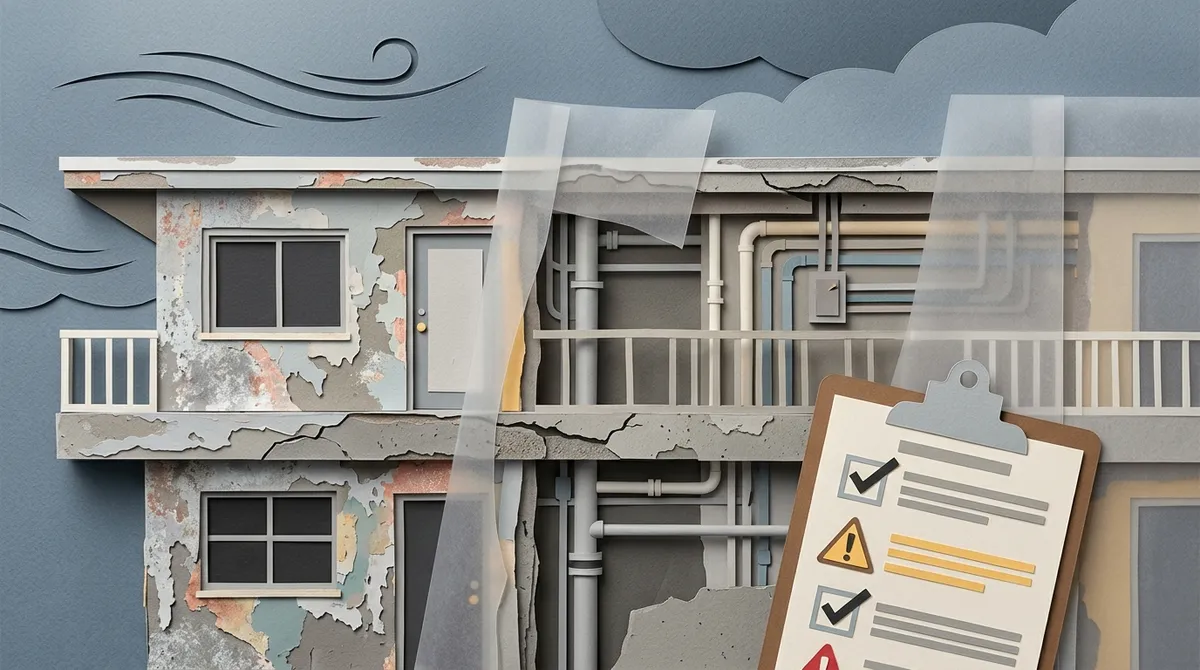
Coastal properties in Lauderdale-by-the-Sea experience accelerated wear from salt air corrosion, hurricane-force winds, high humidity, and flood risk, making PCAs especially critical for these buildings compared to inland properties.
-
PCAs follow the ASTM E2018 standard and must include system-by-system evaluations, immediate repairs tables, and 10-year capital replacement projections to support accurate reserve planning and compliance with Florida's building recertification requirements.
-
In Broward County, buildings reaching 40 years old and every 10 years thereafter must pass formal recertification inspections; a PCA helps identify and fix deficiencies before these deadline-driven county reviews to avoid compliance penalties.
-
PCA costs in South Florida range from $3,000-$6,000 for small properties to $10,000+ for large buildings, but this investment typically pays for itself by preventing costly deferred maintenance and protecting asset value through early problem detection.
-
Common PCA findings in older coastal properties include roofing/HVAC deferred maintenance, corroded rebar and spalling concrete, water intrusion, aging electrical systems, and drainage problems that require strategic planning and budget allocation.
-
A PCA is distinct from Phase I Environmental Site Assessments; many lenders require both documents, and understanding this difference before ordering assessments helps streamline the due diligence process for transactions and financing.
If you own or manage a building in Lauderdale-by-the-Sea, you already know this coastal town is beautiful — but demanding on its structures. Salt air, tropical storms, and constant humidity put real stress on buildings here. That’s why a Lauderdale-by-the-Sea Property Condition Assessment (PCA) isn’t just a smart idea — it can be an essential step for compliance, safety, and long-term value. Whether you’re a condo board, apartment owner, HOA property manager, or real estate investor, a PCA gives you a clear, honest picture of where your building stands. And in 2026, with Florida’s building safety laws tighter than ever, that picture matters more than ever.
What Is a Property Condition Assessment?
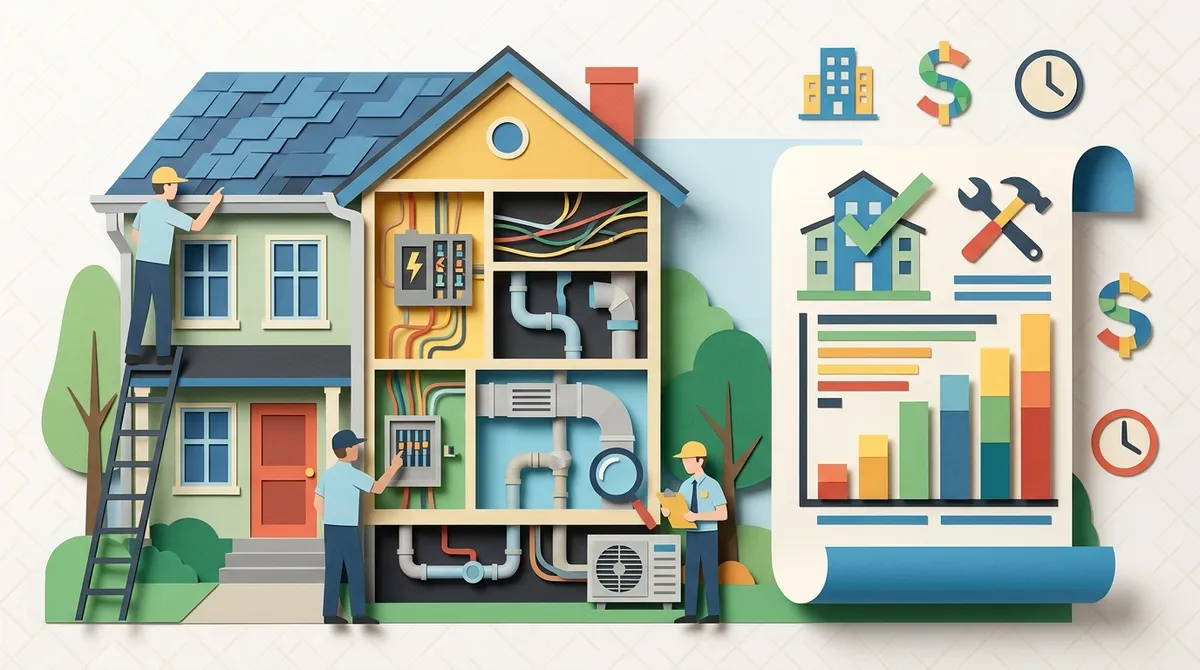
A Property Condition Assessment is a structured, engineering-based review of a building’s physical condition. Licensed engineers or architects walk through the property system by system. They document what they find, flag problems, and estimate repair costs. The final report gives you a roadmap for near-term fixes and long-term capital planning.
PCAs are commonly used for buying or selling a building, refinancing, or satisfying lender requirements. They also play a big role in building recertification and safety compliance. For coastal properties like those in Lauderdale-by-the-Sea, they’re especially useful because weather-related wear can be severe and fast-moving.
Most PCAs follow ASTM E2018, the standard guide for baseline property condition assessments. This standard defines the scope of work, the terminology used, and what the report must include. It’s the benchmark used by lenders, engineers, and property owners across the country.

Why Coastal Properties Need PCAs More Than Most
Lauderdale-by-the-Sea sits right on the Atlantic coast. That location is stunning — and tough on buildings. Coastal exposure accelerates wear in ways that inland properties simply don’t experience. Here’s what makes coastal PCAs especially important:
- Salt air corrosion attacks steel reinforcement, fasteners, and HVAC systems faster than inland environments
- Wind and hurricane exposure stresses roofing systems, facades, windows, and structural connections
- Flood risk can damage foundations, utilities, and ground-level systems over time
- High humidity promotes mold, moisture intrusion, and envelope deterioration
- Drainage issues become more critical when storm surge and heavy rain combine
A PCA tailored to this environment doesn’t just check boxes — it actively looks for the specific damage patterns that coastal buildings face. That’s a crucial difference when you’re making decisions about repairs, reserves, and recertification timelines. You can also learn more about how coastal structural issues develop by reading about foundation cracks and hairline cracks in commercial buildings.

How a PCA Connects to Building Recertification in Florida
Florida’s building recertification laws require older buildings to undergo formal safety inspections. In Broward County, buildings that are 40 years old — and every 10 years after that — must pass structural and electrical reviews. The Miami-Dade County Recertification program has similar requirements, and both counties enforce deadlines with real consequences for non-compliance.
A PCA is not the same as a recertification inspection, but the two work hand in hand. A PCA helps you identify what needs to be fixed before — or during — the recertification process. It flags structural, façade, mechanical, electrical, and life-safety deficiencies that could prevent your building from passing. Think of it as your preparation tool. If you want to understand the full recertification picture, the guide on 40-Year Building Recertification: What Florida Owners Must Know is a great place to start.
For condo associations and HOA boards, a PCA also supports the Structural Integrity Reserve Study (SIRS) process. Understanding your building’s current condition helps you fund reserves accurately and avoid shortfalls. Learn more about how this applies locally at Lauderdale-by-the-Sea Structural Integrity Reserves Studies (SIRS).
What a PCA Report Typically Includes
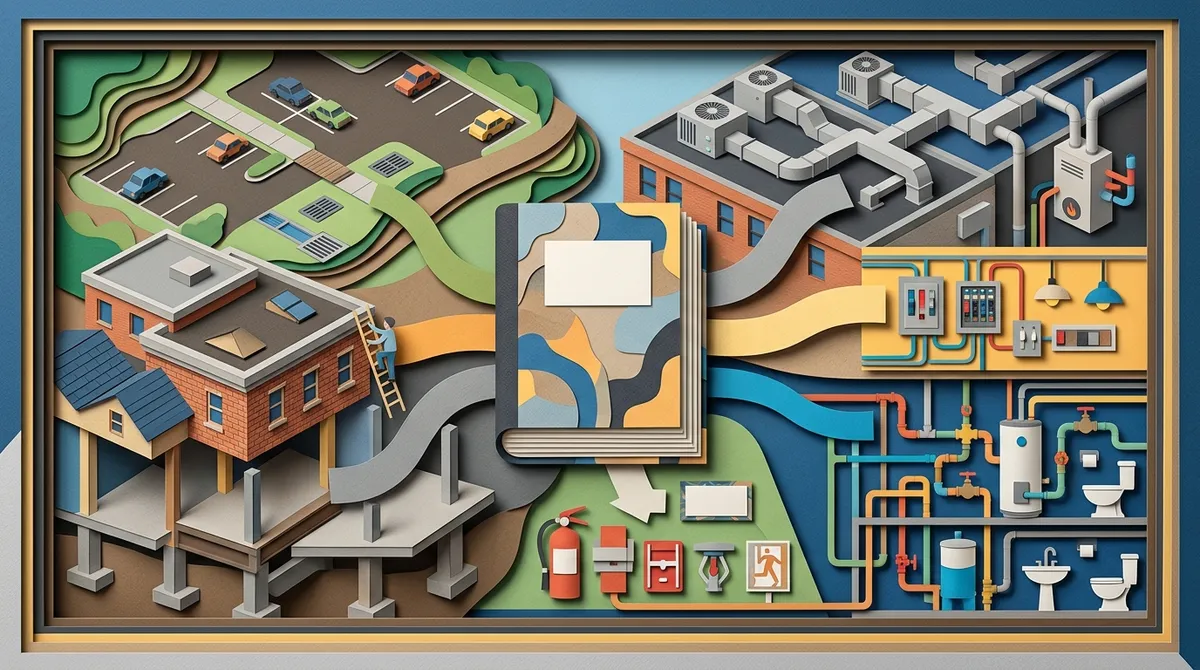
A well-prepared PCA report is thorough and organized. It gives you a system-by-system breakdown of the building’s condition. Here’s what you can expect to see:
System-by-System Evaluation
Engineers review each major building system and document its current condition, visible deficiencies, and estimated remaining useful life. Common systems reviewed include:
- Structural systems (foundation, framing, slabs)
- Roofing systems and drainage
- Exterior façade and envelope
- Mechanical systems (HVAC, plumbing)
- Electrical systems and panels
- Life-safety systems (fire suppression, alarms)
- Site improvements (parking, landscaping, drainage)
- ADA compliance and accessibility features
Immediate Repairs Table
This section lists deficiencies that need urgent attention. Typically, these are items that pose a safety risk or cost more than roughly $3,000 to address. This table helps owners and boards prioritize spending and plan timelines.
Replacement Reserve Table
PCA reports commonly project capital expenditures over a 10-year horizon. This reserve table estimates when major systems will need replacement and what those replacements will cost. It’s an invaluable planning tool for condo boards, HOAs, and real estate investment firms.
PCA vs. Phase I Environmental Site Assessment: What’s the Difference?
These two assessments often come up together during real estate transactions, but they serve completely different purposes. It’s worth knowing the distinction before you order either one.
| Assessment Type | What It Evaluates | Primary Use |
|---|---|---|
| Property Condition Assessment (PCA) | Physical condition of building systems and components | Capital planning, recertification, due diligence |
| Phase I Environmental Site Assessment | Environmental contamination risks on or near the property | Lender requirements, environmental compliance |
Both assessments follow ASTM standards, but they investigate very different things. Many lenders — including CMBS lenders, insurance lenders, and portfolio lenders — require both before financing a commercial property. If you need both, it makes sense to work with a firm that can handle the full scope. O’Reilly Consultants brings engineering expertise across both types of assessments, making the process more efficient for South Florida property owners.
When Should You Order a PCA in Lauderdale-by-the-Sea?
There’s no single trigger for a PCA — there are many. Here are the most common situations when ordering one makes real sense:
- Before purchasing a commercial or multi-family property — Know exactly what you’re buying and what it will cost to maintain
- Before refinancing — Most lenders require a current PCA as part of their due diligence package
- Before a recertification inspection — Identify and fix issues before your county deadline arrives
- After a major storm or hurricane — Document damage and plan repairs with engineering-backed data
- As part of an annual capital planning process — Keep your reserve fund accurate and your building in good shape
- When preparing to sell — A clean PCA report builds buyer confidence and can speed up transactions
For real estate investment firms managing aging properties across South Florida, regular PCAs are a smart way to stay ahead of deferred maintenance and protect asset value. You can also check if your building has any open recertification cases through the Miami-Dade Building Recertification Case Search tool.
What Do PCA Findings Typically Look Like?
Every building is different, but some findings come up again and again — especially in older coastal properties. Common PCA findings include:
- Deferred maintenance on roofing, HVAC, and plumbing systems
- Spalling concrete and corroded rebar in façades and balconies
- Water intrusion through windows, doors, or envelope gaps
- Code-related deficiencies that may conflict with current requirements
- ADA accessibility gaps in parking, entrances, or common areas
- Aging electrical panels or wiring that needs upgrading
- Drainage problems that contribute to ponding or flooding on the site
Understanding these findings in advance gives building owners and boards the time to address them strategically. It also prevents the unpleasant surprise of discovering major problems mid-transaction or mid-recertification. To learn more about what a full inspection covers, read What Does a Commercial Building Inspection Really Cover?
How Much Does a PCA Cost in South Florida?
PCA pricing in South Florida varies based on property size, complexity, and scope. Here’s a general guide to help you set expectations:
| Property Type | Typical PCA Cost Range | Notes |
|---|---|---|
| Small commercial building | $3,000 – $6,000 | Standard scope, ASTM E2018 |
| Mid-size multi-family or condo | $5,000 – $10,000+ | More systems, more floors, broader scope |
| Large commercial or high-rise | $10,000+ | Depends on size and specialized systems |
Keep in mind that the cost of a PCA is small compared to the cost of missing a major deficiency. Deferred repairs often grow into much larger problems — and much larger expenses. For a property in Lauderdale-by-the-Sea, where coastal conditions accelerate deterioration, catching issues early almost always saves money in the long run.
Steps in the PCA Process
Knowing what to expect makes the process much less stressful. Here’s how a typical Lauderdale-by-the-Sea Property Condition Assessment unfolds:
- Scope agreement — Define what systems will be reviewed and confirm the ASTM E2018 standard applies
- Document review — Engineers review available drawings, maintenance records, and prior inspection reports
- Site visit — Licensed professionals walk the property, inspect each system, and photograph findings
- Analysis and reporting — Engineers compile findings, estimate costs, and build the immediate repairs and reserve tables
- Report delivery — You receive a detailed, organized report with clear, actionable recommendations
- Follow-up support — A qualified team can help you interpret findings and plan next steps
At O’Reilly Consultants, owner and qualifying architect Sherard O’Reilly brings deep experience in ASTM E2018 assessments, meticulous building documentation, and coastal property challenges. The team — which includes civil engineer Catalina Torres and environmental engineer Rafael Ojeda — provides assessments that are thorough, accurate, and built around what South Florida buildings actually face. You can also read O’Reilly Consultants reviews on Google to hear directly from property owners who’ve worked with the team.
For a deeper look at the 8 key steps in the building recertification process, that guide walks through the full compliance journey from start to finish.
PCAs for Different Property Types in Lauderdale-by-the-Sea
PCAs are useful across a wide range of property types. The scope and focus may vary, but the core process is consistent. Here’s how PCAs apply to different owners and managers in this market:
- Condo associations — Use PCAs to prepare for recertification, support SIRS, and plan reserve contributions accurately
- Commercial property owners — Use PCAs before transactions, for lender due diligence, and to stay ahead of deferred maintenance
- HOA property managers — Use PCAs to document current conditions and support long-range capital planning
- Apartment building owners — Use PCAs to verify structural integrity and comply with Florida’s multi-family building safety requirements
- Real estate investment firms — Use PCAs to protect asset value, support financing, and manage portfolio risk
No matter the property type, a professional building inspection and recertification service that integrates PCA findings into the broader compliance process gives you the most complete picture. You can also explore how neighboring communities approach PCAs — for example, Lauderdale Lakes Property Condition Assessments and Hillsboro Beach Property Condition Assessments offer useful context for the broader Broward County market.
Taking the Next Step
A Lauderdale-by-the-Sea Property Condition Assessment gives you real, reliable information about your building’s condition. It protects your investment, helps you stay ahead of recertification deadlines, and gives you the data you need for smart, confident decision-making. Whether you’re preparing for a transaction, supporting a reserve study, or simply staying proactive about your building’s health, a PCA is one of the most valuable tools available to you. For more context on how the broader recertification landscape works in Florida, the importance of 40-year building recertification for property longevity is worth reviewing.
Ready to get started? Request a free consultation with O’Reilly Consultants and find out exactly what your property needs — before small issues become expensive ones.
FAQs
Q: What is a Property Condition Assessment in Lauderdale-by-the-Sea?
A: A Property Condition Assessment (PCA) is an engineering-based review of a building’s physical condition, following the ASTM E2018 standard. It covers all major building systems — from the roof and façade to electrical and mechanical — and produces a detailed report with repair costs and a 10-year capital expenditure projection. For coastal properties in Lauderdale-by-the-Sea, PCAs are especially valuable because salt air, wind, and humidity accelerate wear in ways a standard walkthrough might miss.
Q: How does a PCA relate to building recertification in Florida?
A: A PCA and a recertification inspection are different processes, but they work really well together! A PCA helps you identify structural, electrical, and life-safety deficiencies before your county’s recertification deadline arrives, so you can address them proactively rather than scrambling under pressure. Many building owners use a PCA as a preparation tool to ensure their building is ready for the formal recertification review.
Q: What building systems are reviewed during a PCA?
A: A standard PCA covers all major systems, including the structural frame, roofing, exterior façade and envelope, HVAC, plumbing, electrical panels, fire and life-safety systems, site improvements, and ADA accessibility features. For coastal properties, the assessment also pays close attention to corrosion, drainage, and weather-related deterioration that can affect multiple systems at once.
Q: How much does a Property Condition Assessment cost in South Florida?
A: PCA costs in South Florida typically range from $3,000 to $6,000 for smaller commercial properties, with larger or more complex buildings costing more. The exact price depends on the building’s size, age, number of systems, and the level of detail required. It’s a worthwhile investment — catching a major deficiency early almost always costs far less than addressing it after it’s grown into a larger problem.
Q: When is the best time to order a PCA for my Lauderdale-by-the-Sea property?
A: Great question — there are several good times to order a PCA! Common triggers include before purchasing or refinancing a property, before a scheduled recertification inspection, after a major storm, or as part of ongoing capital planning. For condo boards and HOAs, an up-to-date PCA also supports accurate reserve funding and helps you avoid financial surprises down the road.